

Year: 1989
Runtime: 144 mins
Language: Korean
Director: Bae Yong-kyun
About three monks in a remote monastery; an aging master, a small orphan and a young man who left his city life to seek Enlightenment.
Warning: spoilers below!
Haven’t seen Why Has Bodhi-Dharma Left for the East? yet? This summary contains major spoilers. Bookmark the page, watch the movie, and come back for the full breakdown. If you're ready, scroll on and relive the story!
Explore the full timeline and setting of Why Has Bodhi-Dharma Left for the East? (1989). Follow every major event in chronological order and see how the environment shapes the story, characters, and dramatic tension.
Last Updated: October 04, 2025 at 13:36
Meet the key characters of Why Has Bodhi-Dharma Left for the East? (1989), with detailed profiles, motivations, and roles in the plot. Understand their emotional journeys and what they reveal about the film’s deeper themes.
Last Updated: October 04, 2025 at 13:36
Explore the central themes of Why Has Bodhi-Dharma Left for the East? (1989), from psychological, social, and emotional dimensions to philosophical messages. Understand what the film is really saying beneath the surface.
Last Updated: October 04, 2025 at 13:36
Discover curated groups of movies connected by mood, themes, and story style. Browse collections built around emotion, atmosphere, and narrative focus to easily find films that match what you feel like watching right now.
Slow-paced meditations on enlightenment, monastic life, and the search for meaning.If you liked the meditative, patient exploration of enlightenment in Why Has Bodhi-Dharma Left for the East?, you'll find similar films here. This thread gathers movies that focus on monastic life, spiritual seeking, and deep philosophical inquiry, all told with a serene and contemplative pace.
Narratives in this thread are driven by a character's internal quest for understanding, often involving a mentor-student relationship. The plot is minimalist, with pivotal moments occurring in quiet realizations or subtle interactions rather than dramatic events. The journey is cyclical and reflective, mirroring the process of spiritual practice itself.
These movies are grouped by their shared commitment to a quiet, reverent tone, a slow and deliberate pacing that allows for introspection, and a central focus on themes of enlightenment, duty, and the nature of existence. They create a specific, immersive mood of thoughtful serenity.
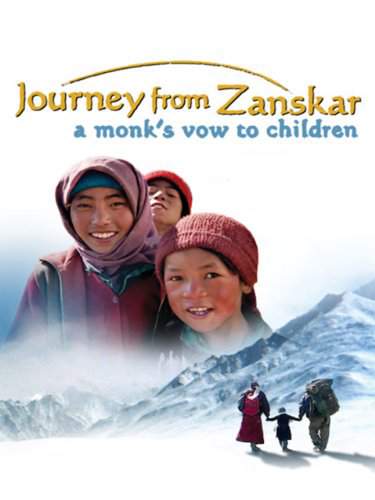
Stories that find profound beauty and sorrow in the acceptance of life's transient nature.For viewers seeking movies similar to Why Has Bodhi-Dharma Left for the East? that explore themes of grief, loss, and the acceptance of impermanence. These films share a bittersweet tone and a reflective pace, finding hope and peace amidst life's inevitable changes and endings.
The narrative pattern often involves characters confronting loss—of a loved one, a way of life, or their own identity—and moving through grief toward a hard-won acceptance. The conflict is internal, centered on coming to terms with reality. The ending is typically bittersweet, acknowledging pain while finding a glimmer of peace or continuity.
This grouping is defined by a shared emotional core: a melancholic yet compassionate tone, a medium emotional weight that feels deeply human, and a bittersweet ending feel. The pacing is often slow to moderate, allowing the emotional impact to settle and resonate.
Don't stop at just watching — explore Why Has Bodhi-Dharma Left for the East? in full detail. From the complete plot summary and scene-by-scene timeline to character breakdowns, thematic analysis, and a deep dive into the ending — every page helps you truly understand what Why Has Bodhi-Dharma Left for the East? is all about. Plus, discover what's next after the movie.
Read a complete plot summary of Why Has Bodhi-Dharma Left for the East?, including all key story points, character arcs, and turning points. This in-depth recap is ideal for understanding the narrative structure or reviewing what happened in the movie.
Track the full timeline of Why Has Bodhi-Dharma Left for the East? with every major event arranged chronologically. Perfect for decoding non-linear storytelling, flashbacks, or parallel narratives with a clear scene-by-scene breakdown.
Get a quick, spoiler-free overview of Why Has Bodhi-Dharma Left for the East? that covers the main plot points and key details without revealing any major twists or spoilers. Perfect for those who want to know what to expect before diving in.
Visit What's After the Movie to explore more about Why Has Bodhi-Dharma Left for the East?: box office results, cast and crew info, production details, post-credit scenes, and external links — all in one place for movie fans and researchers.
Discover movies like Why Has Bodhi-Dharma Left for the East? that share similar genres, themes, and storytelling elements. Whether you’re drawn to the atmosphere, character arcs, or plot structure, these curated recommendations will help you explore more films you’ll love.
Why Has Bodhi-Dharma Left for the East? (1989) Plot Summary & Movie Recap
Why Has Bodhi-Dharma Left for the East? (1989) Scene-by-Scene Movie Timeline
Why Has Bodhi-Dharma Left for the East? (1989) Spoiler-Free Summary & Key Flow
Movies Like Why Has Bodhi-Dharma Left for the East? – Similar Titles You’ll Enjoy
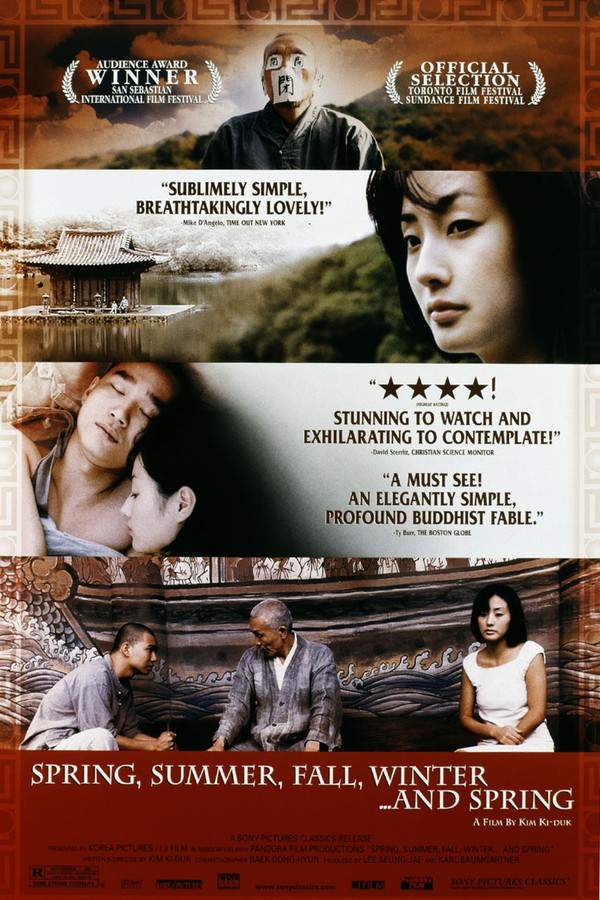
Spring, Summer, Fall, Winter... and Spring (2004) Movie Recap & Themes
Himalaya (2001) Story Summary & Characters
Buddha Wild: Monk in a Hut (2006) Detailed Story Recap
A Boy and Sungreen (2018) Full Movie Breakdown
Samsara (2001) Plot Summary & Ending Explained
A Buddha (2005) Plot Summary & Ending Explained
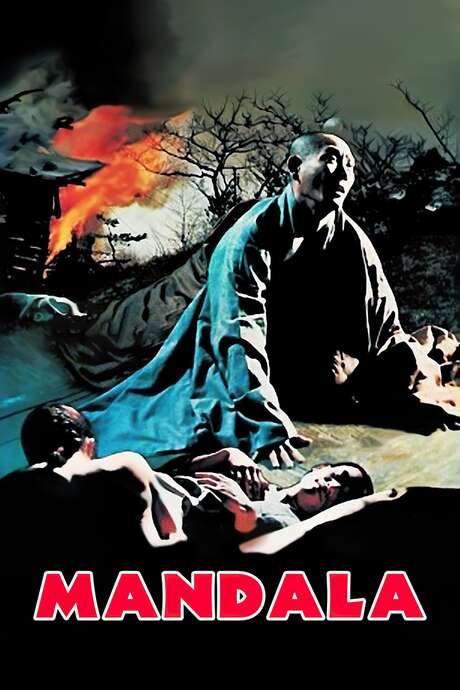
Mandala (1981) Full Summary & Key Details
Shaolin Master and the Kid (1978) Plot Summary & Ending Explained
Buddha (1961) Full Movie Breakdown
Little Buddha (1993) Film Overview & Timeline
The Light of Asia (1925) Plot Summary & Ending Explained
Passage to Buddha (1993) Movie Recap & Themes
Temptation of a Monk (1993) Spoiler-Packed Plot Recap
Burrowing (2009) Complete Plot Breakdown
Bodo (1993) Detailed Story Recap