


Plot Explained Spoilers guaranteed!
Plot Explained

Browse by genre

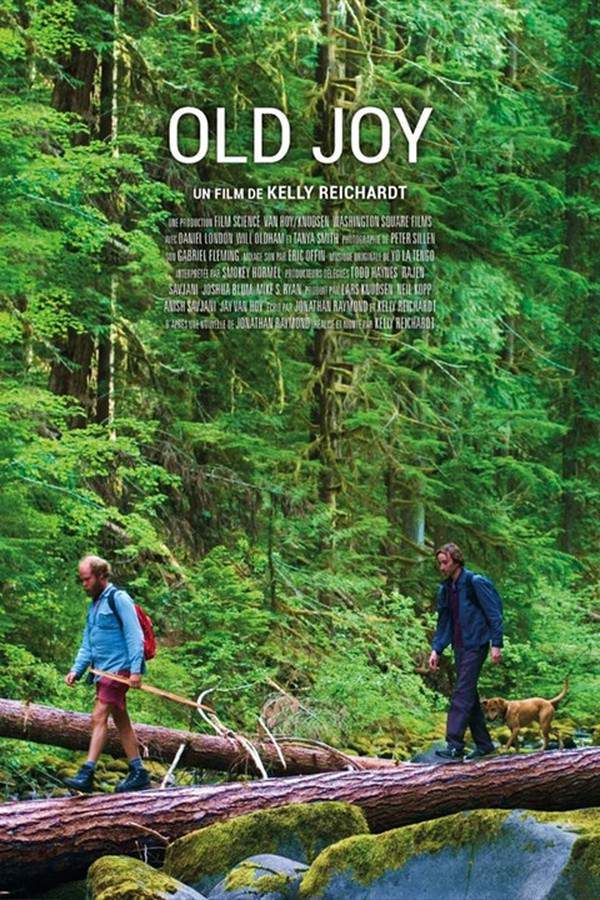
Old Joy (2006) movie poster

Plot Summary

Old Joy (2006) Plot Summary Explained

Release, runtime and language
2006 · 76 min · English
JustWatch #30,743 1
Directed by
Kelly Reichardt

Facing the prospect of fatherhood, Mark convinces his longtime friend Kurt to join him on a camping trip in the Oregon wilderness. As they journey through the landscape, the pair grapples with personal changes and the complexities of their friendship. The trip offers a chance for reflection and a confrontation with the evolving nature of their bond, set against the backdrop of a tranquil natural environment.

On this page (7)
  1. 1 Where to watch
  2. 2 What happens: full plot
  3. 3 Plot questions answered
  4. 4 Movie threads
  5. 5 Movies like Old Joy
  6. 6 Categories
  7. 7 Every angle

Where to watch

Where to Watch Old Joy (2006)

Where can you watch Old Joy? Stream, rent or buy it in the US, including on HBO Max: current JustWatch availability with up-to-date prices.

Streaming availability powered by JustWatch

Full plot summary · contains spoilers

What Happens in Old Joy: Full Plot Summary

The whole story of Old Joy (2006) explained, from the opening scene to the final frame: every key event, every twist and what it all adds up to. Read it as a quick recap before the sequel, to check a scene you missed, or to finally understand what really happened.

Mark, a former hippie, has embraced a more settled life in Portland, Oregon, as he eagerly awaits the arrival of his child with his wife, Tania. However, an unexpected call from his longtime friend Kurt disrupts his routine. Kurt, who has maintained a carefree, hand-to-mouth lifestyle, invites Mark on a nostalgic camping trip to Bagby Hot Springs in the Cascades, a place full of shared memories. While Mark contemplates the adventure, Tania reacts with passive-aggressive disapproval. Though he offers to bring her along, she chooses to stay behind.

Once Mark and his loyal dog Lucy arrive at Kurt's temporary stay, there’s an air of anticipation. After a period of waiting, Kurt finally shows up, energized by his recent “transformative” retreat in Ashland. As they drive to Bagby, the duo reminisces about the closing of their favorite record store, lamenting that it symbolizes the “end of an era” for them both.

Lost on their journey, they stumble upon a makeshift campsite adorned with discarded furniture, prompting Kurt to share his philosophical musings about a teardrop-shaped universe. Mark, however, appears indifferent to this exploration of ideas. In a moment of vulnerability, Kurt expresses his feelings of estrangement, longing for a rekindled friendship. Although Mark disagrees with Kurt’s assessment, he remains uneasy about their connection. After sharing some beers and engaging in a little target practice with a pellet gun, they ultimately settle down for the night, sleeping side by side in the tent.

The next morning brings a visit to a diner where a waitress provides them with directions to Bagby. After a series of revelations, Kurt shares his mystical insight that “sorrow is nothing but worn-out joy.” Despite Mark's earlier promise to Tania to return by noon, they don’t make it back until the darkness envelops the city.

In the end, a fleeting goodbye takes place on the same street where their journey began. Mark, immersed in thought, turns on Air America, his last connection to the idealistic beliefs of his youth. Meanwhile, the film closes with poignant scenes of Kurt wandering the streets of Portland, seemingly adrift with no clear destination.

Last updated: May 12, 2025 at 07:03

Was this helpful?

Plot questions answered

Old Joy Plot Explained: Your Questions Answered

The questions people ask most about Old Joy (2006): what happens in the confusing scenes, why the characters do what they do, the twists, hidden details and what the ending means. Each answer contains spoilers.

Q1

Why does Mark agree to go on the camping trip despite Tania's disapproval?

Mark agrees because Kurt represents a connection to his past self, the carefree, idealistic person he was before settling down. The trip is Mark's attempt to reconnect with that part of his identity before fatherhood begins. His decision to go despite Tania's passive-aggressive reaction reveals the tension between his old life and his new responsibilities.

Foreshadowing: Earlier, Mark is described as a former hippie who has embraced a settled life in Portland, making this trip a nostalgic journey into his past.

  • mark
  • tania
  • camping trip
  • marriage tension
  • fatherhood
Q2

What happened at Kurt's transformative retreat in Ashland?

The film never reveals exactly what happened at Kurt's retreat in Ashland, he returns energized and speaks of mystical insights about joy and sorrow, but the experience itself remains ambiguous. This ambiguity is intentional; what matters is that Kurt believes he has undergone some kind of perceptual transformation.

Foreshadowing: Kurt arrives at his place energized after the retreat, foreshadowing his mystical insights later in the film.

  • kurt
  • ashland
  • retreat
  • transformation
  • mystical
Q3

What is Kurt's teardrop-shaped universe theory?

At the abandoned campsite, Kurt shares his philosophical view that the universe is teardrop-shaped, suggesting a cosmic perspective on their situation and place in the world. Mark's visible indifference to this idea highlights the growing gap between Kurt's philosophical searching and Mark's more grounded, practical outlook.

Foreshadowing: This moment occurs early in the trip, establishing Kurt's post-retreat mindset and his tendency toward mystical thinking.

  • kurt
  • philosophy
  • universe
  • campsite
  • cosmos
Q4

Why does Kurt feel estranged from Mark?

Kurt explicitly tells Mark that he feels their friendship has drifted apart over time, he longs for the closeness they once shared. Their lifestyles have diverged significantly: Mark has settled into conventional married life while Kurt continues his nomadic, hand-to-mouth existence. The camping trip is Kurt's attempt to bridge that growing distance.

Foreshadowing: Kurt shares this feeling of estrangement at the abandoned campsite, revealing his motivation for inviting Mark on this trip.

  • kurt
  • mark
  • friendship
  • estrangement
  • distance
  • growth
Q5

Why do Mark and Kurt return to Portland after dark instead of by noon?

They should have returned by noon as Mark promised Tania, but they don't make it back until darkness. The delay is a result of getting lost earlier in the day and spending extra time at Bagby Hot Springs, where Kurt shares his mystical insights. The darkness symbolically represents the weight of their conversation and the unspoken feelings between them.

Foreshadowing: The timeline explicitly notes they should return around noon, building anticipation for their delayed arrival.

  • bagby hot springs
  • delay
  • portland
  • tania
  • promise
Q6

What does Kurt mean when he says 'sorrow is nothing but worn-out joy'?

At Bagby Hot Springs, Kurt shares this philosophical insight, suggesting that sorrow is simply joy that has lost its vitality. This reflects his transformed worldview from the retreat and echoes the film's overall melancholic tone. The idea suggests that Mark and Kurt's friendship exists in a state of faded joy, memories of happiness that have become tinged with sadness.

Foreshadowing: This insight comes after Kurt's retreat in Ashland, representing the philosophical change he underwent.

  • kurt
  • sorrow
  • joy
  • philosophy
  • bagby hot springs
  • meaning
Q7

Why does Mark turn on Air America at the end of the film?

After saying goodbye to Kurt, Mark sits alone in his car and turns on Air America, the progressive radio network that was a fixture of liberal activism in the 1990s. This act represents Mark's last connection to the idealistic beliefs of his youth. He's momentarily reaching back to his former self, though he's now firmly rooted in conventional adult life.

Foreshadowing: The film establishes Mark as a former hippie, making this radio choice a direct link to his past identity.

  • mark
  • air america
  • radio
  • ideals
  • youth
  • past
Q8

Why is Kurt wandering the streets at the end of the film?

The final scenes show Kurt walking alone through the streets of Portland with no clear destination, symbolizing his continued state of drift and search for purpose. Unlike Mark, who has found stability and is starting a family, Kurt remains untethered. His aimless wandering represents the existential uncertainty of someone who cannot, or will not, settle into conventional life.

Foreshadowing: Kurt's hand-to-mouth lifestyle and his expression of feeling estranged foreshadow his continued drifting.

  • kurt
  • portland
  • wandering
  • aimless
  • drift
  • ending
Q9

Why is the closing of their favorite record store significant?

During the drive to Bagby, Mark and Kurt lament the closure of their favorite record store, calling it the 'end of an era.' The record store represents a shared cultural touchstone from their youth, a symbol of the alternative community they once belonged to. Its closing marks the end of that chapter and mirrors the changes in their own lives.

Foreshadowing: This conversation occurs early in the journey, establishing the nostalgic, elegiac tone of the trip.

  • record store
  • closing
  • youth
  • nostalgia
  • era
  • memories
Q10

What does Tania's passive-aggressive reaction reveal about her marriage to Mark?

When Mark tells Tania about Kurt's invitation, she reacts with passive-aggressive disapproval, making clear she doesn't want him to go without saying so directly. Mark offers to bring her along, which she declines, and the tension lingers. This reveals strain in their marriage; Tania seems threatened by Mark's connection to his past and the pull of his old friend.

Foreshadowing: Mark's decision to go anyway despite her reaction sets up the conflict between his old life and new responsibilities.

  • tania
  • marriage
  • passive-aggressive
  • disapproval
  • conflict

Movie threads

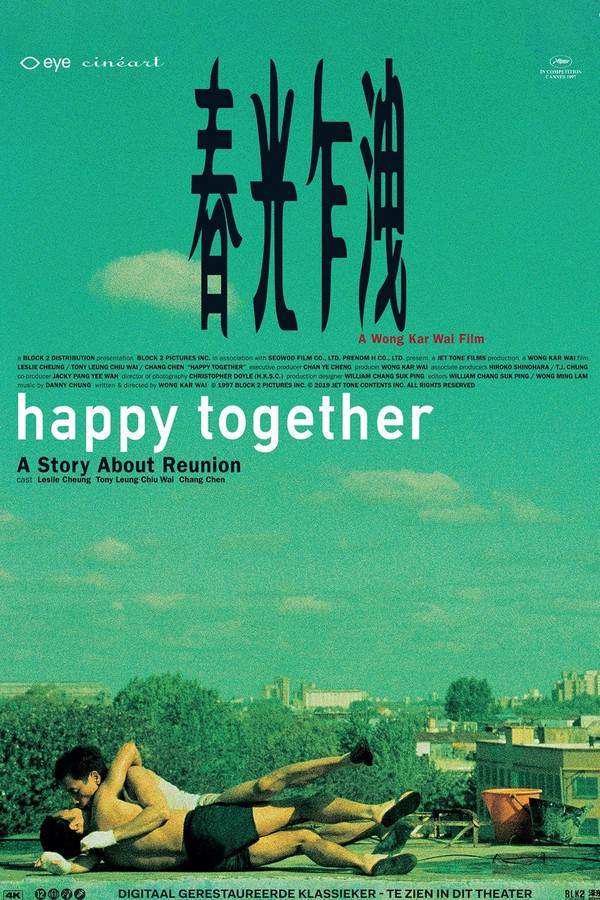
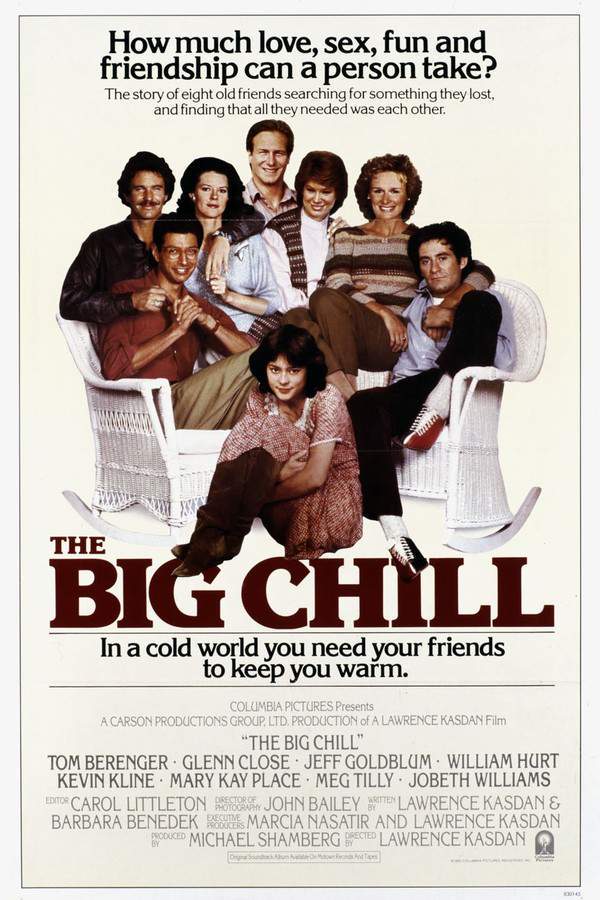
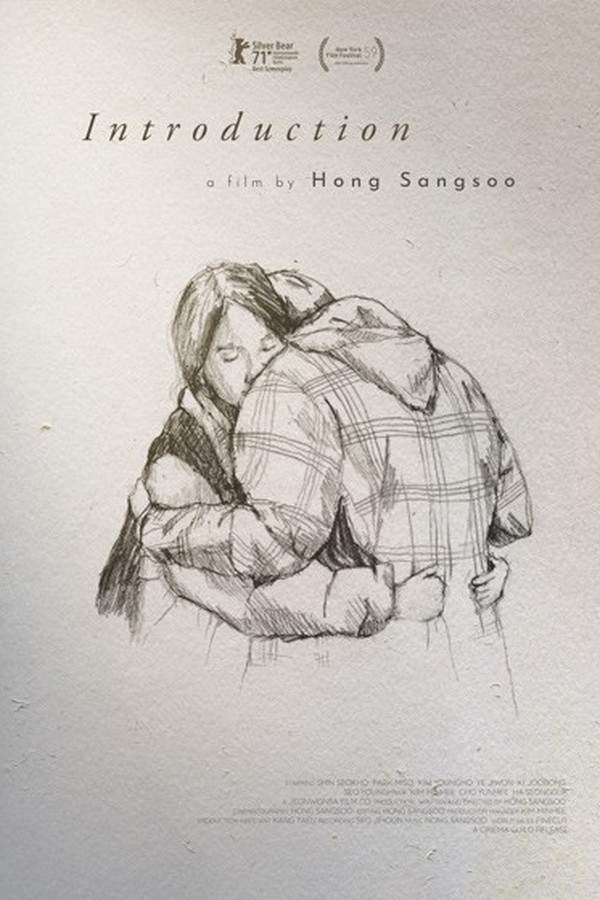
More Movies Like Old Joy, by Mood & Story

Curated lists built around what makes Old Joy tick: the same mood, the same kind of story or the same emotional payoff. Each list explains why these movies belong together.

Movies about fading friendships like Old Joy

Stories where the journey reveals the quiet drift between old friends. If you liked the quiet, melancholic exploration of friendship in Old Joy, you'll find similar stories here. This collection features movies about male friendship, nostalgia, and the bittersweet feeling of reconnecting only to discover how much has changed.

  • melancholic
  • nostalgic
  • contemplative
  • wistful
  • quiet
  • bittersweet
  • Tone: melancholic, bittersweet, reflective
  • Pacing: slow, contemplative
Why these movies?

The story pattern: The narrative typically follows two or more friends who reunite after a period of separation. The journey or shared experience acts as a catalyst, forcing them to confront the ways their lives have diverged. The conflict is internal and subtle, driven by unspoken feelings and the melancholy of change rather than dramatic events.

Why they belong together: These films are grouped together because they share a core focus on the emotional dynamics of friendship in transition. They prioritize mood and character reflection over plot, often featuring a slow pace, a melancholic or bittersweet tone, and an ending that accepts the natural evolution of relationships.
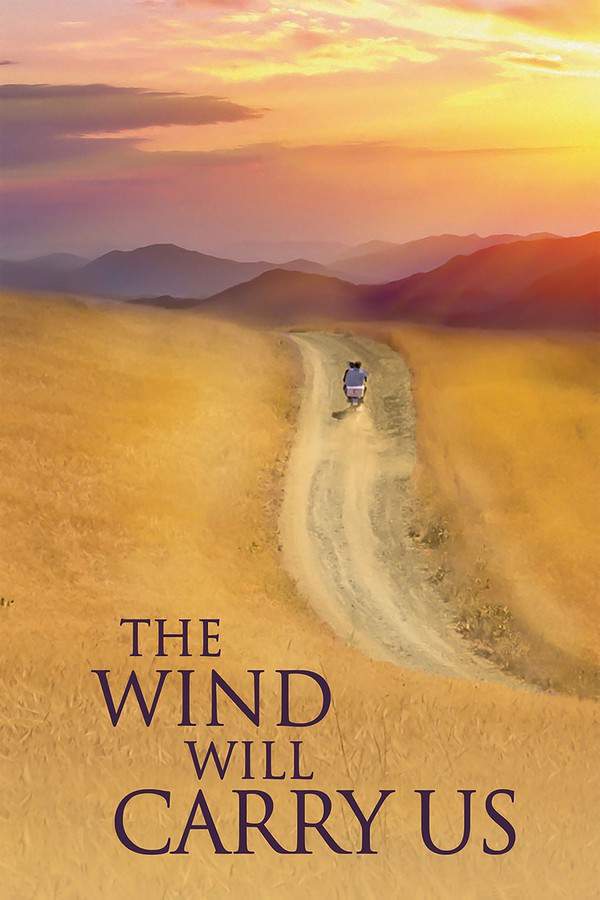
Slow contemplative movies set in nature like Old Joy

Films where the natural world holds a mirror to internal change. For viewers who appreciated the atmospheric immersion and slow pacing of Old Joy, this section highlights similar films. Discover movies that use natural environments like forests, mountains, or roads to frame quiet, character-driven stories of introspection and emotional weight.

  • contemplative
  • atmospheric
  • quiet
  • meditative
  • melancholic
  • wistful
  • Tone: contemplative, melancholic, atmospheric
  • Pacing: very slow, immersive
Why these movies?

The story pattern: Stories in this thread are often linear and simple, following characters as they move through a natural environment. The plot is secondary to the experience of the place itself. The narrative structure is built around moments of quiet observation and conversation, where the setting acts as a catalyst for personal realizations.

Why they belong together: These films are united by their use of nature as a reflective space for characters. They share a low-intensity, slow-burn pacing that emphasizes mood and atmosphere over dramatic action. The emotional tone is typically contemplative, melancholic, or wistful, creating a meditative viewing experience.

If you liked this

Movies Like Old Joy

Similar movies to Old Joy: the same genre, themes or kind of story. Each one comes with its own plot summary, timeline and ending explained.

Browse all movie summaries

Categories

Movie Lists Featuring Old Joy

Old Joy appears in these hand-built movie categories. Each one groups movies by a specific mood, theme or story type, with their plot summaries and endings explained.

View all movie categories

Every angle

Old Joy (2006) Explained: Plot, Timeline & Characters

Everything about Old Joy in one place: what happens in the plot summary, the timeline in chronological order, the characters and meaning and a spoiler-free summary. What's After the Movie adds the cast, box office and post-credit scenes.

Coming soon on iOS and Android

The Plot Explained Movie Summary App

Plot summaries, endings explained and timelines on your phone. Catch up on any movie in minutes, save your favorites and never miss a twist again.

Be the first to know when we launch. Your email stays private, always.

Learn more about the app