Year: 1999
Runtime: 137 min
Language: Greek
Director: Theodoros Angelopoulos
A celebrated writer grapples with his own mortality while striving to finish the works of a deceased poet. He becomes involved in the life of a young boy, attempting to safeguard him from a precarious situation. Through this experience, he reflects on the fleeting nature of both life and artistic creation, ultimately seeking a lasting impact beyond his own existence.
Warning: spoilers below!
Haven’t seen Eternity and a Day yet? This summary contains major spoilers. Bookmark the page, watch the movie, and come back for the full breakdown. If you're ready, scroll on and relive the story!
Read the complete plot breakdown of Eternity and a Day (1999), including all key story events, major twists, and the ending explained in detail. Discover what really happened, and what it all means.
"Eternity and a Day" (1998) stands out as one of the most approachable films by Theodoros Angelopoulos. The narrative unfolds with the enchanting image of a grand old house, accompanied by the evocative strains of the film's central musical theme. We hear a young boy's voice-over, beckoning young Alexander to accompany him to explore "an ancient city under the sea." With mischievous excitement, Alexander tiptoes past his parents' bedroom, where muffled laughter can be heard emanating from within. He bursts outside onto a small wooden dock leading to the beach and joins his friends, shedding his shorts before all three plunge into the welcoming sea.
Quickly, the scene shifts to reveal Alexander, portrayed by Bruno Ganz](/actor/bruno-ganz), now an elderly man settled comfortably in an armchair. He is roused from his reverie by Urania, his dutiful housekeeper (Helene Gerasimidou). "This is the last day," she gently reminds him, pressing for permission to accompany him to the hospital. In a moment rich with philosophical reflection, Alexander courteously declines her offer, expressing gratitude for her three years of dedicated service. After Urania exits the room, she returns momentarily to share one last intimate glance at him, ostensibly to remind him to feed his dog, before she discreetly departs once more. Alone, Alexander savors the last remnants of his coffee as the camera glides toward the balcony, revealing his dog resting and the expansive sea vista beyond. Fragmented echoes of the same music he played earlier dance through from a nearby apartment, prompting Alexander to ponder its mysterious origin.
As he takes his dog for a stroll along the harbor, Alexander's thoughts turn to his late wife, Anna (Isabelle Renauld), and the unfinished manuscripts scattered through his life. His drive through the city leads him to encounter a young boy, portrayed by Ahilleas Skevis, clad in an overly large yellow parka, attempting to wash his windshield amidst the chaos of traffic. The fleeting moment of connection allows Alexander to rescue him from the hands of the police, inviting him into his car. Despite language barriers, a gentle smile exchanges gratitude between the boy and Alexander before the youth darts away, leaving us to ponder the depths of his name and history.
Upon meeting his daughter, Katerina (Iris Chatziantoniou), Alexander expresses his urgency to travel and requests that she care for his dog, a plea met with resistance as her husband prefers no animals in their home. This familial interaction opens the door to memories of a past love and unfinished projects, notably his intentions to complete “Free Besieged,” a revered poem by Dionysios Solomos. With a heavy heart, Alexander steps into a moment from the past, as Katerina reads one of her mother's nostalgic letters, capturing the emotions of a time long gone.
The hours of the day unfurl his life experiences as he remembers chaotic family gatherings and the fleeting joys of each moment, bringing to light the sorrow of his unfinished growth. As he contemplates the imminent demolition of his cherished childhood home, the weight of nostalgia settles heavily upon him. His journey later intertwines with a gripping turn of fate when he finds himself witnessing the abduction of the boy in the yellow parka, leading him to a suspenseful rescue mission that uncovers the dark realities of child trafficking.
Their trek toward freedom soon disrupts, where a poignant moment reveals the boy's fabricated tales of a safe haven beyond the border, igniting Alexander’s struggle with his own conscience and emotions. This thread of escapism propels both characters in search of connection, leading to a series of adventures that deepens their bond, filled with conversations that transcend language and delve into the intricacies of loss, war, and a shared longing for belonging.
As events unfold—ranging from spontaneous moments of humor during their travels to heart-wrenching scenes of farewell—the audience is drawn into a profound tale, culminating in a ritualistic cremation of the boy's friend, echoing the themes of death and rebirth that persist throughout Alexander's life. The resolution of their journey introduces contemplations on the essence of time, family relations, and the quest for meaning, all encapsulated within Alexander’s poignant soliloquies on life’s injustices.
In the film's mesmerizing conclusion, a harrowing yet poetic return home evokes the haunting memories of his beloved Anna. An introspective closing scene illustrates the infinite connection between past and present, love and loss; as the voice of Anna resonates in harmony with his thoughts. Amidst it all, one question lingers—"How long does tomorrow last?" As Alexander, now alone, gazes at the sea, he softly whispers his longing: korphoula mou (my little flower), completing the cycle of eternal love and the day that lasts forever in his heart.

Last updated: November 07, 2024 at 22:36
Explore frequently asked questions about Eternity and a Day (1999) with spoiler-rich answers covering the full plot summary, major story beats, character motivations, hidden details, and ending meaning. This movie summary FAQ helps explain confusing scenes, plot twists, and narrative decisions in clear, searchable detail.
Alexander knows he is dying and chooses to spend his final day outside the hospital. He thanks Urania for her three years of service and politely declines her company, preferring to use his last hours for reflection and to take care of unfinished business, including helping the young boy he encounters.
Earlier, Alexander is shown lost in memory while listening to music, suggesting he is already mentally elsewhere, preparing for his final farewell.
The boy is an unnamed child working on the streets, washing windshields in traffic. He is later revealed to be a victim of child trafficking. During their journey, he fabricates stories about a safe haven beyond the border, revealing his desperate longing for freedom and belonging.
The boy wears an oversized yellow parka and is shown alone in a dangerous environment when Alexander first sees him being harassed by police.
"Free Besieged" is a revered poem by Dionysios Solomos, the national poet of Greece. Alexander has spent his life intending to complete or translate this work but never finished it, representing his own unfinished legacy and the theme of incomplete artistic creation that haunts him as he faces death.
Alexander's memories of his late wife Anna are tied to his unfinished projects and manuscripts scattered throughout his life.
Alexander witnesses the boy's abduction and is overcome with urgency. He pursues the traffickers and embarks on a suspenseful rescue mission, confronting the dark realities of child trafficking. This act of courage becomes his final meaningful endeavor, giving his last day purpose beyond mere survival.
The earlier scene where Alexander helps the boy escape from police establishes his protective instinct toward the child.
The boy tells Alexander about a fictional safe haven beyond the border as an escape narrative. This lie stems from his desperate longing for freedom and a better life. Alexander recognizes the boy's need for hope and connection, which mirrors his own search for meaning and belonging.
The boy's fabricated tales emerge during their flight, revealing his coping mechanism and yearning for escape from his harsh reality.
"Korphoula mou" means "my little flower" in Greek. Alexander whispers this term of endearment as he gazes at the sea, using his late wife Anna's affectionate nickname for him. This moment encapsulates the eternal nature of their love and brings the film full circle to his childhood memories of hearing similar words.
The film opens with a young boy inviting Alexander to explore 'an ancient city under the sea,' connecting to his final meditation on eternal love.
Alexander's cherished childhood home is scheduled for demolition, representing the loss of his past and the passage of time. This weighs heavily on him as he reflects on his life, unfinished personal growth, and the fleeting nature of memories tied to significant places from his past.
The film opens with the grand old house, establishing its importance before revealing it will soon be destroyed.
The film presents a single day in Alexander's life while interweaving memories spanning his entire existence. The central question "How long does tomorrow last?" reflects the film's meditation on how moments of meaning can extend beyond physical time. Alexander's connection with the boy and memories of Anna suggest that love and art achieve a form of eternity.
The opening childhood sequence with the mysterious voice inviting exploration establishes time as fluid and non-linear throughout the film.
The boy's friend dies and is given a ritualistic cremation, a scene rich with symbolism reflecting themes of death and rebirth. This traumatic event occurs during their journey together and deepens the emotional weight of their shared experience, connecting to the film's meditation on mortality and loss.
The boy shares stories about his friends early in their journey, establishing these connections before the tragic cremation scene.
Alexander's memories of his late wife Anna permeate the film. Through flashbacks and nostalgic moments, including a letter read by his daughter Katerina, we see Anna as a profound love that continues to sustain Alexander. His unfinished love for her parallels his unfinished creative work, and her voice resonates in his thoughts at the film's conclusion.
As Alexander walks his dog, he thinks of Anna, and echoes of the same music from his past flow from a nearby apartment, triggering memories of her.
Discover curated groups of movies connected by mood, themes, and story style. Browse collections built around emotion, atmosphere, and narrative focus to easily find films that match what you feel like watching right now.
Quiet films where characters reflect on life, death, and lasting meaning.For viewers looking for movies like Eternity and a Day, this collection features slow, contemplative dramas that explore themes of death, memory, and legacy. These films share a melancholic tone, heavy emotional weight, and a focus on quiet reflection over fast-paced action.
The narrative often follows an elderly or isolated protagonist who, prompted by a terminal diagnosis or a profound loss, embarks on a final introspective journey. The story intertwines present-day events with poignant memories, unfolding not as a linear plot but as a mosaic of feelings and reflections on a life lived.
Movies are grouped here because they prioritize atmosphere and internal emotional states, using a slow pace to allow the viewer to sit with the weighty themes. They share a melancholic yet poetic sensibility, finding beauty and meaning in sorrow rather than offering simple resolutions.
Stories where isolated individuals find temporary solace in an unexpected connection.If you liked the relationship between the writer and the boy in Eternity and a Day, this list features similar movies about fleeting but profound connections between lonely souls. These stories are character-driven, emotionally heavy, and end on a bittersweet note.
A solitary, often older protagonist crosses paths with a vulnerable younger character. Their relationship becomes a catalyst for reflection and change, forcing the main character to confront their past and find a renewed, if temporary, sense of purpose. The narrative arc focuses on the emotional impact of this brief encounter rather than a permanent solution to their problems.
These films are united by their focus on the redemptive power of human connection in the face of loneliness and loss. They share a specific emotional texture: the joy of finding someone is deeply intertwined with the sadness of an inevitable parting, creating a powerfully bittersweet vibe.
Don't stop at just watching - explore Eternity and a Day in full detail. From the complete plot summary and scene-by-scene timeline to character breakdowns, thematic analysis, and a deep dive into the ending - every page helps you truly understand what Eternity and a Day is all about. Plus, discover what's next after the movie.
Track the full timeline of Eternity and a Day with every major event arranged chronologically. Perfect for decoding non-linear storytelling, flashbacks, or parallel narratives with a clear scene-by-scene breakdown.
Discover the characters, locations, and core themes that shape Eternity and a Day. Get insights into symbolic elements, setting significance, and deeper narrative meaning - ideal for thematic analysis and movie breakdowns.
Discover movies like Eternity and a Day that share similar genres, themes, and storytelling elements. Whether you’re drawn to the atmosphere, character arcs, or plot structure, these curated recommendations will help you explore more films you’ll love.
Eternity and a Day (1999) Scene-by-Scene Movie Timeline
Eternity and a Day (1999) Movie Characters, Themes & Settings
Eternity and a Day (1999) Spoiler-Free Summary & Key Flow
Movies Like Eternity and a Day – Similar Titles You’ll Enjoy
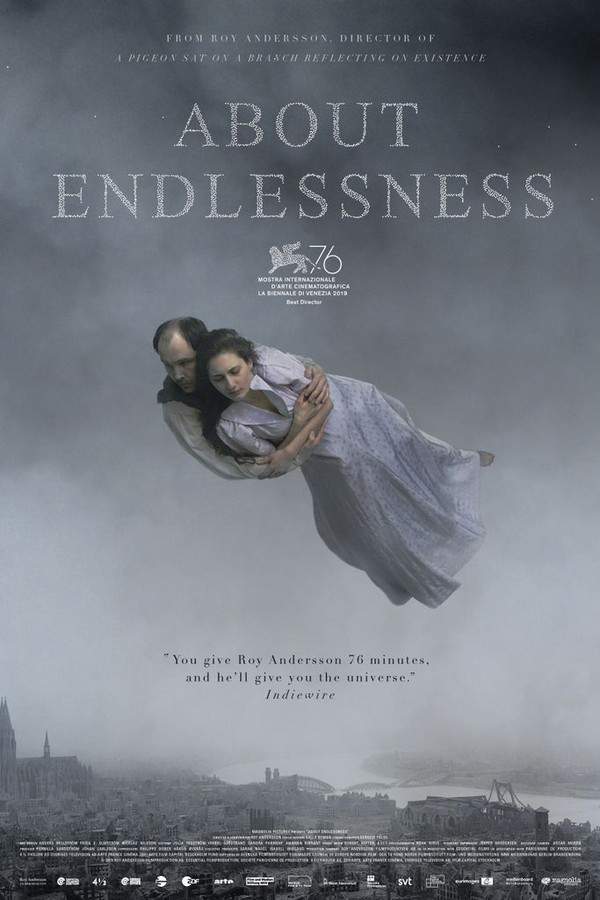
About Endlessness (2021) Plot Summary & Ending Explained
Hereafter (2010) Film Overview & Timeline
Eternity (2017) Complete Plot Breakdown
One Day in August (2001) Plot Summary & Ending Explained
About Endlessness (2019) Detailed Story Recap
Day and Night (2004) Full Summary & Key Details
Elipsis (2006) Detailed Story Recap
Eternity (1990) Story Summary & Characters
There Were Days… and Moons (1990) Plot Summary & Ending Explained
Days of Eclipse (1988) Plot Summary & Ending Explained
How Far, How Near (1972) Complete Plot Breakdown
His Days Are Numbered (1962) Plot Summary & Ending Explained
Destiny (1921) Spoiler-Packed Plot Recap
Cemetery of the Elephants (1973) Spoiler-Packed Plot Recap
The Last Day, The First Day (1960) Spoiler-Packed Plot Recap