





Plot Explained Spoilers guaranteed!
Plot Explained

Browse by genre

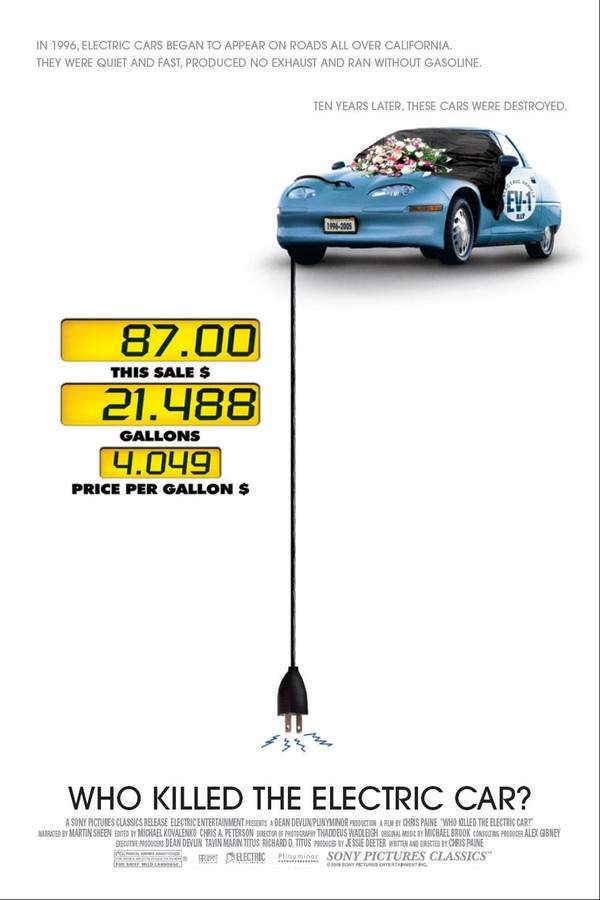
Who Killed the Electric Car? (2006) movie poster

Characters & Themes

Who Killed the Electric Car? (2006) Characters, Setting & Themes Explained

Release, runtime and language
2006 · 92 min · English
Directed by
Chris Paine
Starring
Martin Sheen, Mel Gibson

In 1997, General Motors introduced the EV-1, an innovative electric car that challenged traditional automotive design. Offering zero emissions and eliminating the need for gasoline, oil, or routine maintenance, it appeared to be an ideal vehicle. However, just six years later, GM unexpectedly recalled and dismantled the entire fleet. This documentary explores the story behind the EV-1’s brief existence and investigates the reasons for its sudden disappearance, raising questions about the future of electric vehicles.

On this page (8)
  1. 1 Where to watch
  2. 2 Characters explained (1)
  3. 3 Where & when it takes place
  4. 4 Themes & meaning (2)
  5. 5 Character & meaning questions
  6. 6 Movie threads
  7. 7 Movies like Who Killed the Electric Car?
  8. 8 Every angle

Where to watch

Where to Watch Who Killed the Electric Car? (2006)

Where can you watch Who Killed the Electric Car?? Stream, rent or buy it in the US, including on Amazon Video, Apple TV Store and Fandango At Home: current JustWatch availability with up-to-date prices.

Streaming availability powered by JustWatch

1 main characters · contains spoilers

Who Killed the Electric Car? Characters Explained: Who Is Who

The main characters of Who Killed the Electric Car? (2006), heroes and villains: what drives them, how they change over the course of the story and what each of them reveals about the film's bigger ideas.

  • Chris Paine

    Chris Paine serves as the documentary's filmmaker and narrator. He passionately investigates the historical and political factors that led to the demise of the electric car. Paine's determination for social change and his role in documenting this critical environmental issue showcase his commitment to raising awareness around sustainable transportation.

    • 🎬 Filmmaker
    • 🌍 Environmentalist

Last updated: January 02, 2025 at 17:53

Was this helpful?

Setting

Where and When Does Who Killed the Electric Car? Take Place?

The setting of Who Killed the Electric Car? (2006): the year and time period, the places and locations, and how they shape the characters, the mood and the tension of the story.

Time period

1990s - 2006

The film covers the critical timeline from the emergence of modern electric vehicles in the 1990s until 2006. This period saw both significant advancements in electric vehicle technology and a systematic decline of these cars due to corporate and governmental pressures. The timeline reflects the struggles between innovation and market forces influenced by oil companies and automotive giants.

Location

California, Arizona, Australia

The film is primarily set in California, where electric cars were first introduced and later suppressed. Arizona is depicted through the visuals of GM's Proving Ground, highlighting the fate of the EV1s. Australia is referenced as the site of the World Solar Challenge, emphasizing the global nature of the development of electric vehicle technology.

  • 🌍 Location
  • 🚗 Electric Vehicle

Last updated: January 02, 2025 at 17:53

Was this helpful?

2 major themes

Who Killed the Electric Car? Meaning: Themes & Message Explained

What is Who Killed the Electric Car? (2006) really about? The emotional, social and philosophical themes the film keeps returning to, its symbolism and the message beneath the surface.

  • Innovation vs. Greed

    The theme centers around the clash between technological innovation and corporate greed. The film illustrates how electric vehicles, despite their potential to transform the automotive industry and reduce pollution, were stifled by profit-driven motives of oil and car companies. This theme raises questions about consumer choice versus corporate influence.

  • Environmental Awareness

    Environmental issues are at the forefront, highlighting the detrimental effects of fossil fuels and the promise of cleaner alternatives. The documentary connects public health concerns and emissions with the urgency for sustainable energy solutions. It advocates for the transition to electric vehicles as a means to combat global warming.

Last updated: January 02, 2025 at 17:53

Was this helpful?

Character & theme questions

Who Killed the Electric Car? Characters & Meaning: Your Questions Answered

The questions people ask about Who Killed the Electric Car? (2006): who the characters really are, their relationships, what the symbols mean, where it takes place and what the movie is really about. Each answer contains spoilers.

Q1

Where is the documentary primarily set?

The documentary is primarily set in California, which was the birthplace of the modern electric car movement. California is significant because it was the only state where consumers could lease the EV-1, and it mandated zero-emission vehicle requirements that automakers fought against. The film also features Arizona, where GM destroyed the remaining EV-1s at its proving ground, and briefly references Australia through the World Solar Challenge.

  • california
  • arizona
  • locations
  • setting
  • ev-1
Q2

Why is California important to the electric car story?

California played a pivotal role because it was the only state where the EV-1 was available for lease, and it had strict emissions regulations that required automakers to sell zero-emission vehicles. The state's Air Resources Board mandated these requirements, which automakers including GM fought through lobbying and legal challenges, ultimately leading to the recall and destruction of the electric fleet.

  • california
  • emissions law
  • automotive regulations
  • zero-emission vehicle
Q3

What time period does the film cover?

The documentary covers the period from the emergence of modern electric vehicles in the 1990s until 2006, the year the film was released. This timeframe captures the EV-1's development in the mid-1990s, its recall and destruction between 1999 and 2003, and the aftermath of corporate and governmental actions that suppressed electric vehicle technology.

  • 1990s
  • 2006
  • timeline
  • era
  • historical context
Q4

What is the main theme about innovation versus greed?

The film explores how electric vehicles, despite offering zero emissions, reduced maintenance, and a solution to pollution, were eliminated because they threatened the profit margins of oil companies and traditional automakers. This theme examines the tension between technological progress driven by public good and corporate decisions made to protect existing business models.

  • innovation
  • greed
  • corporate profit
  • oil industry
  • automotive industry
Q5

What environmental message does the film convey?

The documentary argues that electric vehicles represented a viable solution to reduce pollution, decrease dependence on fossil fuels, and address climate change. It connects automotive emissions to public health crises and advocates for sustainable transportation as an urgent necessity. The film positions the EV-1's destruction as a lost opportunity for environmental progress.

  • environment
  • pollution
  • climate change
  • sustainability
  • electric vehicles
Q6

Who is Chris Paine and what is his role in the film?

Chris Paine is the filmmaker and narrator of the documentary. He serves as the investigative voice, researching and presenting the historical and political factors behind the electric car's demise. His motivation stems from a commitment to social change and raising awareness about sustainable transportation options.

  • chris paine
  • filmmaker
  • narrator
  • director
Q7

What corporate influence does the film explore?

The documentary investigates how oil companies and major automakers like General Motors actively worked to suppress electric vehicle technology. This includes GM's decision to recall and crush all EV-1s despite customer resistance, lobbying efforts against emissions regulations, and the broader corporate strategy to protect gasoline-powered vehicle sales.

  • general motors
  • oil companies
  • corporate lobbying
  • automotive giants
Q8

Why was Arizona shown in the film?

Arizona is featured because GM stored and ultimately destroyed the majority of the remaining EV-1 fleet at its Arizona Proving Ground. The film shows footage of the cars being crushed, visually representing the deliberate destruction of a functioning technology and serving as a powerful symbol of corporate decision-making.

  • arizona
  • proving ground
  • gm facility
  • destroyed ev-1s
Q9

What is the tone and approach of the documentary?

The film uses an investigative, journalistic approach that builds tension through methodical evidence gathering rather than emotional manipulation. It maintains a tense but intellectually engaging atmosphere, presenting interviews, historical footage, and data to build its case against corporate and governmental actions. The tone conveys frustration and urgency about lost environmental opportunities.

  • tone
  • approach
  • investigative
  • documentary style
Q10

Does the film offer any hopeful resolution?

The documentary has an ambiguous ending that briefly mentions emerging electric vehicle trends but leaves the viewer with a sense of unresolved injustice. While new electric car developments are noted, the primary feeling is one of continued struggle against powerful interests, suggesting the fight for sustainable transportation remains ongoing.

  • ending
  • resolution
  • ambiguous
  • future of electric vehicles

Movie threads

More Movies Like Who Killed the Electric Car?, by Mood & Story

Curated lists built around what makes Who Killed the Electric Car? tick: the same mood, the same kind of story or the same emotional payoff. Each list explains why these movies belong together.

Investigative Thrillers Exposing Systemic Injustice like Who Killed the Electric Car?

Documentaries and dramas that methodically unravel a case of corporate or political corruption. If you enjoyed the methodical, tense investigation in Who Killed the Electric Car?, you'll find similar experiences in these movies. This thread groups documentaries and dramas that feel like thrillers, uncovering stories of corporate greed, political corruption, and technological suppression with a sobering, urgent tone.

  • investigative
  • gripping
  • frustrating
  • sobering
  • urgent
  • critical
  • Tone: tense, critical, sobering
  • Pacing: steady, methodical
Why these movies?

The story pattern: The narrative follows a journalistic or activist pursuit of truth against a formidable, often faceless, opponent like a corporation or government body. The story unfolds through interviews, archival footage, and a logical presentation of evidence, building a compelling case that culminates in a revelation of wrongdoing, though the ending may feel ambiguous due to the ongoing nature of the real-world conflict.

Why they belong together: Movies in this thread share a specific mood blend of intellectual engagement, rising frustration, and critical urgency. They are united by a steady, methodical pacing that builds a case, a tense tone driven by high stakes, and a heavy emotional weight stemming from the real consequences of the injustice being exposed.

Sobering Stories of Technological Suppression like Who Killed the Electric Car?

Narratives about promising innovations crushed by powerful opposing interests. For viewers who were fascinated and angered by the story of the EV-1 in Who Killed the Electric Car?, this thread finds similar movies about suppressed technologies. These films explore the clash between innovation and powerful established interests, resulting in narratives that are both fascinating and deeply frustrating.

  • frustrating
  • critical
  • sobering
  • urgent
  • enraging
  • idealism
  • Tone: frustrating, critical, urgent
  • Pacing: steady
Why these movies?

The story pattern: The narrative introduces a groundbreaking idea or technology with the potential to change the world for the better. The central conflict arises as powerful entities—often corporations or industries threatened by the change—work systematically to discredit, buy out, or destroy the innovation. The journey is typically one of idealism clashing with cynical realpolitik, leading to a bittersweet or ambiguous ending where the idea's potential is acknowledged but its immediate future is uncertain.

Why they belong together: These movies are grouped by their shared thematic core of innovation versus obstruction. They generate a specific emotional mix: the excitement of discovery paired with the frustration of witnessing its suppression. The tone is consistently critical and urgent, driven by a sense of injustice and the high stakes involved for society.

If you liked this

Movies Like Who Killed the Electric Car?

Similar movies to Who Killed the Electric Car?: the same genre, themes or kind of story. Each one comes with its own plot summary, timeline and ending explained.

Browse all movie summaries

Every angle

Who Killed the Electric Car? (2006) Explained: Plot, Timeline & Characters

Everything about Who Killed the Electric Car? in one place: what happens in the plot summary, the timeline in chronological order, the characters and meaning and a spoiler-free summary. What's After the Movie adds the cast, box office and post-credit scenes.

Coming soon on iOS and Android

The Plot Explained Movie Summary App

Plot summaries, endings explained and timelines on your phone. Catch up on any movie in minutes, save your favorites and never miss a twist again.

Be the first to know when we launch. Your email stays private, always.

Learn more about the app