Plot Explained Spoilers guaranteed!
Plot Explained

Browse by genre

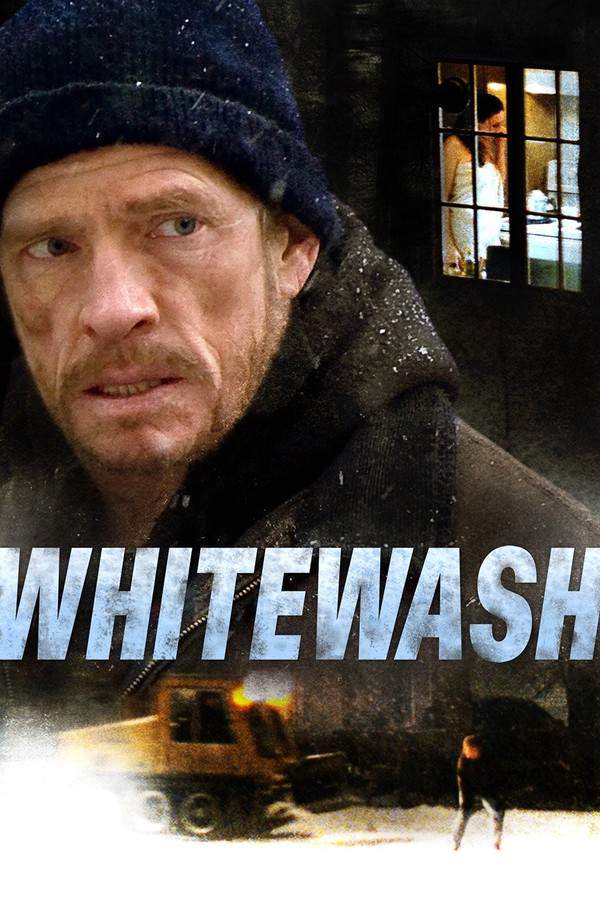
Whitewash (2014) movie poster

Timeline

Whitewash (2014) Timeline Explained – Every Event in Order

Release, runtime and language
2014 · 90 min · English
Loading streaming availability…
Directed by
Emanuel Hoss-Desmarais

While snowplowing in the remote, frozen wilderness of rural Quebec, Bruce makes a reckless mistake with tragic consequences. He flees into the darkness as authorities pursue him, haunted by his past and the secrets of the victim. As Bruce desperately tries to evade capture, the true nature of the deceased is revealed, forcing him to confront the devastating impact of his actions and the chilling truth about the community he thought he knew.

On this page (5)
  1. 1 Where to watch
  2. 2 Events in order (13)
  3. 3 Timeline questions answered
  4. 4 Movie threads
  5. 5 Every angle
Loading streaming availability…

13 events in order · contains spoilers

Whitewash Timeline: Events in Chronological Order

Every key event of Whitewash (2014) in order, scene by scene, with when and where it takes place. Use it to untangle flashbacks, time jumps and parallel storylines, to refresh your memory before the sequel or to find the exact scene you are thinking of.

  1. Fatal hit during a snowstorm

    Bruce, a snowplow driver in a remote Quebec town, strikes a pedestrian while driving drunk in a raging snowstorm and kills him. Panicking, he hides the body in a snowbank and drives deeper into the woods, where exhaustion knocks him out. He awakes to realize his snowplow is stuck, leaving him stranded in the freezing cold.

    When
    Evening, during a snowstorm
    Where
    Remote Quebec road in a snowstorm
  2. Bruce rehearses a police statement

    With no help in sight, he practices what he will tell the police, staging imagined conversations in which he confronts his guilt. He grows increasingly emotional as he is told that the victim had children. The scene emphasizes his solitude and mounting anxiety.

    When
    Night, after the crash
    Where
    Snowplow cabin and surrounding woods
  3. Paul's appearance as Bruce's houseguest (flashback)

    In a flashback, Paul, who is Bruce's houseguest, leaves a store and tries to commit suicide by inhaling exhaust and Paul’s car. Bruce starts a casual conversation, is drawn to Paul, and ends up commandeering Paul's vehicle for rides, forming a fragile friendship. Paul notices Bruce's collection of ocular prostheses and proposes online sales, but Bruce declines, unable to sell his wife's crafts.

    When
    Flashback before the accident
    Where
    Bruce's home; Paul's vehicle
  4. Paul's loan request and tension

    The friendship grows tense when Paul asks Bruce for a loan, testing Bruce's dwindling resources. Bruce remains firm that he cannot help, reflecting his own financial hardships. The exchange foreshadows how fragile Bruce's mercy will become when guilt tightens its grip.

    When
    Flashback
    Where
    Bruce's home
  5. Bruce seeks help and discovers the missing reports

    Bruce runs out of gas and abandons the snowplow, trudging toward civilization through the cold. He finds a nearby restaurant and hopes to get help, but his suspicions and fear remain high. Inside, a newspaper reveals that he and Paul have been reported missing, heightening his sense of isolation.

    When
    Day
    Where
    Roadside restaurant
  6. Stocking up and returning to the snowplow

    After the restaurant, Bruce buys essential supplies and prepares to endure the winter by returning to his snowplow. He resumes the grind of living off the land, gathering what he can to survive. The cold tightens its grip around him as he makes his way back into the woods.

    When
    Day to evening
    Where
    Snowplow clearing area in the woods
  7. Bruce encounters the lakeside house

    Bruce locates a large house near a frozen lake and breaks into the shed to steal supplies he needs. He hides when the owners return, narrowly avoiding confrontation. The cold acts as a silent judgment on his desperation.

    When
    Morning
    Where
    Large house near a frozen lake; shed
  8. Simone discovers the intruder; Eric is alerted

    The following morning, Simone, the owner's daughter, spots Bruce and is frightened by his presence. He apologizes to Eric, the father, before retreating into the woods to avoid pursuit. The encounter heightens Bruce's sense that he cannot stay in either world.

    When
    Morning
    Where
    Eric's property, near the woods
  9. Eric and friend search; Bruce injures his ankle

    Eric and a friend search the woods for the missing man, and Bruce is forced to hide, injuring his ankle in the process. He remains on Eric's land, unable to hobble back to civilization. The injury intensifies his vulnerability and isolation.

    When
    Later that day
    Where
    Woods near Eric's house
  10. Bruce recalls the Paul incident; the accident unfolds again

    Through flashbacks, Bruce remembers catching Paul stealing and pursuing him, leading to the fatal collision with the snowplow. He questions whether the crash was a second suicide attempt or an accident. The memory feeds his growing paranoia and blame toward the snowplow itself.

    When
    Earlier
    Where
    Flashback sequence
  11. Destruction and disposal of Paul’s body

    In a furious act, Bruce dumps gasoline on the snowplow and sets it on fire to destroy the instrument of his guilt. He digs up Paul’s body and disposes of it in a frozen lake, but is caught in the act as witnesses flee in panic. The act marks a point of no return and accelerates his paranoia.

    When
    Soon after the shed incident
    Where
    Snowplow yard and nearby frozen lake
  12. Bruce is hunted; two men pursue him

    Back at his home, Bruce realizes that two men are looking for him—whether police or accomplices of Eric. He tries to hide in the snowplow by banging his boot to attract attention, but the men pass by without noticing. He struggles to repair the snowplow, hampered by his limited mechanical skill and mounting desperation.

    When
    Post-discovery
    Where
    Bruce's home and surrounding woods
  13. Decline to survival: hunger and a lingering winter

    Bruce's physical ordeal grows as he starves, even chewing on tree bark to stay alive. The winter ebbs and returns, underscoring his bleak fate. The film closes on his voiceover, reflecting the grim maxim that every guilty person is their own hangman, while insisting that each new day could be better, before the scene ends with the freezing cold.

    When
    Final days to early spring
    Where
    Snowplow encampment in the woods

Last updated: October 09, 2025 at 16:21

Was this helpful?

Timeline questions answered

Whitewash Timeline Explained: Your Questions Answered

When does it happen, and why in that order? The questions people ask about the chronology of Whitewash (2014): time jumps, flashbacks, cause and effect between scenes and the correct order of events, each answered with spoilers.

Q1

Why did Bruce hit Paul with his snowplow?

Bruce struck Paul while driving drunk during a fierce snowstorm. However, the circumstances are ambiguous, Bruce had previously caught Paul stealing from him, and in the flashback, Paul appears to smile just before being struck, suggesting Bruce may have intentionally hit him or that Paul deliberately stepped into the path of the snowplow as a potential suicide attempt.

Foreshadowing: Earlier flashbacks show Paul attempting suicide by inhaling car exhaust, establishing his suicidal ideation before the fatal accident.

  • bruce
  • paul
  • snowplow accident
  • hit and run
  • death
Q2

Why did Bruce hide Paul's body instead of calling for help?

After striking Paul, Bruce was overcome by panic and fear of legal consequences. Rather than seeking help, he dragged the body into a snowbank and fled deeper into the woods. His guilt is compounded by the revelation that Paul had children, making the hit-and-run feel even more devastating.

Foreshadowing: Bruce's rehearsed police statements reveal his growing anxiety about the consequences of his actions.

  • hit and run
  • panic
  • flee
  • body disposal
  • guilt
Q3

What was Bruce's relationship with Paul before the accident?

Paul was staying as Bruce's houseguest, and their relationship was complicated, marked by casual friendship but also tension. Paul asked Bruce for a loan, which Bruce refused, creating friction. Paul also noticed Bruce's collection of ocular prostheses (belonging to his late wife) and proposed selling them online, but Bruce rejected the idea, as the collection was deeply personal.

Foreshadowing: Paul's loan request and push for deeper connection hint at his desperation and manipulative tendencies.

  • bruce
  • paul
  • houseguest
  • relationship
  • loan
Q4

Why did Bruce set fire to his snowplow?

Bruce doused the snowplow with gasoline and set it alight as an act of symbolic destruction. He viewed the vehicle as the instrument of his guilt, the machine that killed Paul. By burning it, he attempted to sever his connection to the accident and the trauma it represented, though this act also destroyed his primary means of survival in the frozen wilderness.

Foreshadowing: Bruce's growing hostility toward the snowplow throughout the film foreshadows his violent rejection of the machine.

  • snowplow
  • fire
  • guilt
  • destruction
  • symbolic act
Q5

What happened to Paul's body after Bruce dug it up?

Bruce dug up Paul's body from the snowbank where he had hidden it and disposed of it in a frozen lake. However, he was caught in the act by witnesses who fled in panic, further escalating his paranoia and sense of being hunted.

Foreshadowing: Bruce's earlier decision to hide the body instead of reporting the accident sets in motion this desperate attempt to eliminate evidence.

  • paul body
  • frozen lake
  • disposal
  • witnesses
Q6

Who were the two men pursuing Bruce at the end?

The two men who pursue Bruce remain ambiguous, it's unclear whether they were police officers or accomplices of Eric (the homeowner whose property Bruce had trespassed on). Bruce's paranoia makes it difficult to determine if the threat was real or imagined, adding to the film's atmosphere of psychological uncertainty.

Foreshadowing: Bruce's earlier encounter with Eric and his daughter Simone, where he was discovered trespassing, establishes the possibility of retaliation.

  • two men
  • pursuit
  • hunters
  • police
  • eric
Q7

Why did Paul try to commit suicide before the accident?

In a flashback, Paul is shown attempting suicide by inhaling car exhaust from his own vehicle. This earlier suicide attempt suggests Paul was already in emotional crisis before the night Bruce hit him, raising questions about whether the fatal accident was truly an accident or whether Paul may have deliberately placed himself in harm's way.

Foreshadowing: The ambiguous moment where Paul smiles before being struck by the snowplow hints at a possible intentional act.

  • paul
  • suicide attempt
  • car exhaust
  • intentional
Q8

What is the significance of Bruce's ocular prostheses collection?

Bruce owns a collection of highly realistic ocular prostheses that belonged to his late wife. The collection represents his connection to her memory and his past life before his circumstances unraveled. When Paul proposes selling them online to make money, Bruce refuses, as they are irreplaceable sentimental keepsakes rather than commodities.

Foreshadowing: The prostheses represent Bruce's loss and his inability to let go of the past, themes that echo throughout the film.

  • ocular prostheses
  • late wife
  • collection
  • sentimental
Q9

Why was Bruce struggling financially before the accident?

Bruce had already experienced a major life setback, he lost his job after a drunken accident involving his snowplow that cost him his livelihood. This prior incident mirrors the fatal night and establishes a pattern of alcohol-related mistakes driving his downward spiral.

Foreshadowing: Bruce's history with alcohol and machinery creates dramatic irony, as he repeats the same mistake that previously cost him his job.

  • job loss
  • drunk accident
  • snowplow
  • financial struggles
Q10

What does the ending quote about guilt mean?

The film's closing voiceover states that "every guilty person is his own hangman," suggesting Bruce will forever be haunted by his conscience as his own judge and executioner. The follow-up line, "each new day will be better", delivered with profanity about the freezing cold, offers a thin glimmer of hope that survival might eventually bring redemption, though the harsh winter环境和 his isolation make this uncertain.

Foreshadowing: The entire film has built toward this moment of existential reckoning, with Bruce's guilt serving as his primary tormentor.

  • ending quote
  • guilt
  • hangman
  • redemption
  • voiceover

Movie threads

More Movies Like Whitewash, by Mood & Story

Curated lists built around what makes Whitewash tick: the same mood, the same kind of story or the same emotional payoff. Each list explains why these movies belong together.

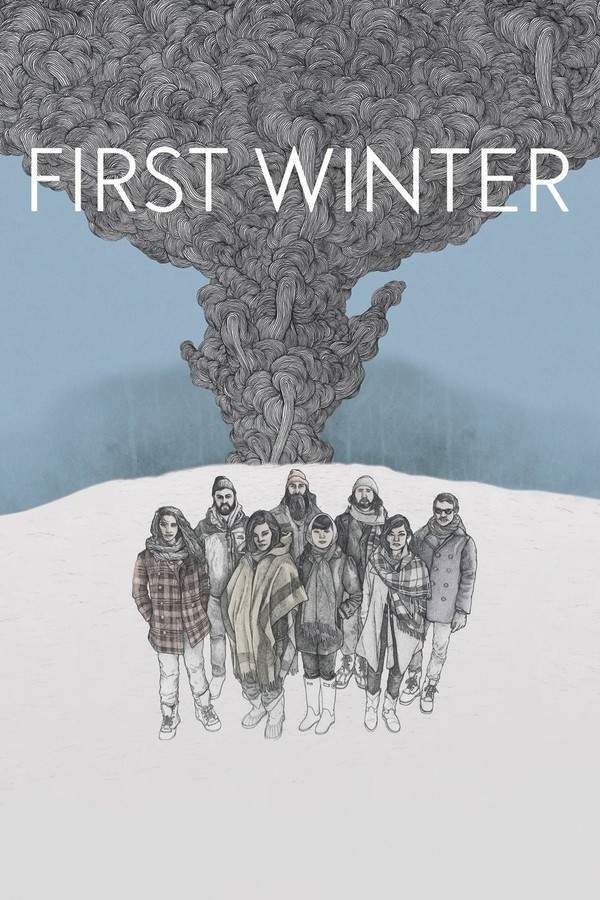
Isolated winter thrillers with psychological dread like Whitewash

Stories where the unforgiving winter landscape mirrors a character's internal collapse. If you liked the chilling isolation and psychological unraveling in Whitewash, explore more movies where a remote, snowy setting amplifies the tension. These films often feature characters grappling with guilt or secrets, using the bleak winter landscape to create a powerful sense of claustrophobia and dread, similar to the vibe in Whitewash.

  • claustrophobic
  • isolated
  • paranoid
  • bleak
  • desperate
  • atmospheric
  • Tone: tense, bleak, claustrophobic
  • Pacing: slow burn, atmospheric
Why these movies?

The story pattern: The narrative follows a character, often isolated by circumstance or choice, in a remote winter wilderness. Their internal crisis—be it guilt, grief, or a terrible secret—is magnified by the harsh, unforgiving environment. The story unfolds as a slow-burning survival tale, both external and internal, where the line between the threatening outside world and the protagonist's deteriorating mental state blurs.

Why they belong together: Movies in this thread are united by their use of a harsh winter setting as a primary antagonist and a reflective surface for the protagonist's psyche. They share a slow, deliberate pacing that builds atmospheric dread, a high emotional weight centered on internal conflict, and a tone that is consistently tense, bleak, and claustrophobic.
Thrillers about accidental crimes and moral dilemmas like Whitewash

A single, reckless mistake sends an ordinary person down a rabbit hole of guilt and consequences. For viewers who enjoyed the moral complexity and heavy guilt in Whitewash, this section features movies about ordinary people caught in devastating situations after a fatal mistake. These psychological thrillers explore the weight of consequences and the desperate, often bleak, journeys of characters trying to cope with their actions, similar to the story in Whitewash.

  • guilty
  • anxious
  • paranoid
  • desperate
  • heavy
  • grief-stricken
  • Tone: tense, heavy, morally complex
  • Pacing: slow, character-driven
Why these movies?

The story pattern: The plot is triggered by a single, often accidental, event with tragic outcomes. The narrative then follows the perpetrator's psychological unraveling as they grapple with immediate guilt and the looming threat of exposure. The story is character-driven, focusing on their paranoia, desperate choices, and the slow revelation of deeper truths about themselves and the victim, leading to an ambiguous or bleak resolution that emphasizes the lasting burden of their actions.

Why they belong together: These films are connected by their central theme of a life-altering mistake and its heavy moral and psychological repercussions. They share a high-intensity, tense tone driven by internal conflict rather than external action, a slow pacing that allows for deep character study, and a consistently heavy emotional weight dealing directly with guilt, grief, and trauma.

Every angle

Whitewash (2014) Explained: Plot, Timeline & Characters

Everything about Whitewash in one place: what happens in the plot summary, the timeline in chronological order, the characters and meaning and a spoiler-free summary. What's After the Movie adds the cast, box office and post-credit scenes.

Coming soon on iOS and Android

The Plot Explained Movie Summary App

Plot summaries, endings explained and timelines on your phone. Catch up on any movie in minutes, save your favorites and never miss a twist again.

Be the first to know when we launch. Your email stays private, always.

Learn more about the app