Plot Explained Spoilers guaranteed!
Plot Explained

Browse by genre

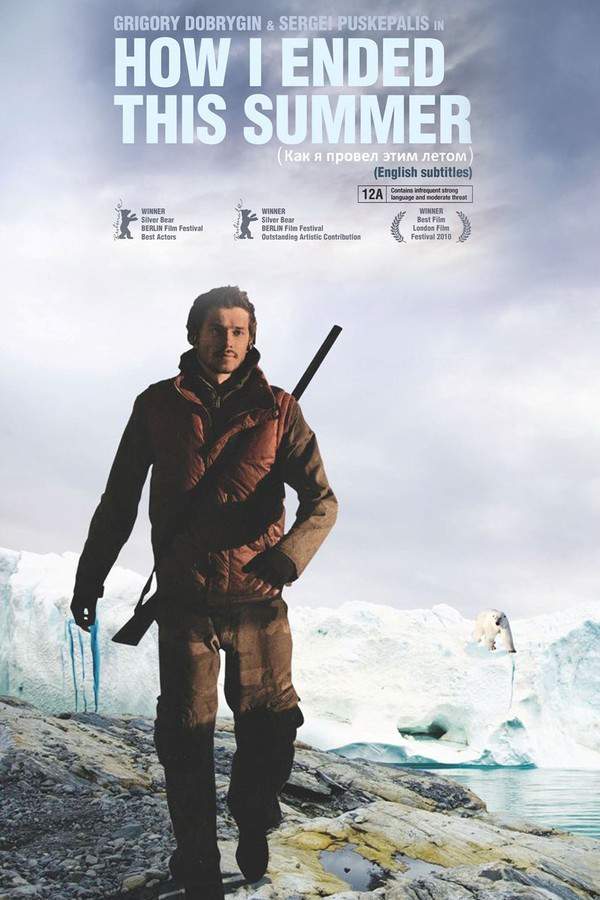
How I Ended This Summer (2011) movie poster

Characters & Themes

How I Ended This Summer (2011) Characters, Setting & Themes Explained

Release, runtime and language
2011 · 130 min · Russian
Directed by
Aleksei Popogrebsky

Stranded at a remote Arctic meteorological station, a veteran scientist and a young recruit find themselves isolated in the unforgiving wilderness. The experienced Sergei is dedicated to his work, while the younger Pavel seeks refuge in video games to cope with Sergei's imposing nature. A sudden tragedy leads to Pavel’s silence, setting off a series of repercussions against the backdrop of a chilling, fog-laden landscape, and testing the fragile dynamic between the two men.

On this page (7)
  1. 1 Characters explained (2)
  2. 2 Where & when it takes place
  3. 3 Themes & meaning (3)
  4. 4 Character & meaning questions
  5. 5 Movie threads
  6. 6 Movies like How I Ended This Summer
  7. 7 Every angle

2 main characters · contains spoilers

How I Ended This Summer Characters Explained: Who Is Who

The main characters of How I Ended This Summer (2011), heroes and villains: what drives them, how they change over the course of the story and what each of them reveals about the film's bigger ideas.

  • Pavel "Pasha" Danilov

    Pasha is a timid yet earnest meteorology student whose kind demeanor is often overshadowed by his insecurity. Forced into a high-stakes environment, he grapples with fear, guilt, and moral dilemmas as he navigates the complexities of his relationship with Sergei. His character embodies the struggle between innocence and the harsh realities of adulthood.

    • 👨‍🎓 Student
    • 🧑‍⚖️ Morality
    • 😟 Guilt
  • Sergei Gulybin

    Sergei is a grizzled and seasoned geophysicist, whose stern exterior masks deep-seated vulnerabilities. His jealousy and bitterness toward Pasha reveal layers of longing for connection and fear of loss. The character's arc reflects the impact of isolation on one's psyche and the lengths to which individuals may go to protect themselves from emotional pain.

    • 👨‍🔬 Scientist
    • 😠 Anger
    • 🧊 Isolation

Last updated: October 22, 2024 at 19:29

Was this helpful?

Setting

Where and When Does How I Ended This Summer Take Place?

The setting of How I Ended This Summer (2011): the year and time period, the places and locations, and how they shape the characters, the mood and the tension of the story.

Time period

The story unfolds in a contemporary yet timeless atmosphere, where the struggle for survival and human connection in isolation takes center stage. The reference to the station's establishment in 1935 connects it to historical events and the enduring legacy of scientific research in remote areas.

Location

Arctic island, Soviet-era weather station

The Arctic island serves as a desolate and isolating backdrop for the movie, characterized by harsh weather conditions and an eerie silence. The Soviet-era weather station, where the main characters collect data, adds to the feeling of confinement and nostalgia, reflecting a bygone era of scientific exploration.

  • 🏔️ Arctic
  • 🏢 Weather Station

Last updated: October 22, 2024 at 19:29

Was this helpful?

3 major themes

How I Ended This Summer Meaning: Themes & Message Explained

What is How I Ended This Summer (2011) really about? The emotional, social and philosophical themes the film keeps returning to, its symbolism and the message beneath the surface.

  • Isolation

    The theme of isolation is vividly depicted through the characters' physical and emotional detachment in the remote Arctic environment. Pasha's solitude exacerbates his fear and anxiety, while Sergei's reclusive nature highlights the psychological toll of prolonged loneliness. Their dynamic reveals how isolation can lead to desperation, manipulation, and ultimately, a struggle for survival.

  • Deception

    Deception plays a crucial role in driving the plot, as Pasha struggles with the burden of concealing Sergei's personal tragedy. This theme explores the moral complexities of lying for perceived greater good and the consequences that arise when truth is distorted. The tension between honesty and deceit culminates in a dramatic confrontation that challenges both characters' ethical boundaries.

  • Survival

    The instinct for survival permeates the narrative, as both characters confront their fears in the face of danger. Pasha's attempts to navigate the dual threats of the environment and his fraught relationship with Sergei illustrate the extremes one may go to when pushed against the wall. The film poses critical questions about human nature under duress and the fine line between morality and self-preservation.

Last updated: October 22, 2024 at 19:29

Was this helpful?

Character & theme questions

How I Ended This Summer Characters & Meaning: Your Questions Answered

The questions people ask about How I Ended This Summer (2011): who the characters really are, their relationships, what the symbols mean, where it takes place and what the movie is really about. Each answer contains spoilers.

Q1

Where is the movie set?

The story takes place on a remote Arctic island at a Soviet-era weather station. This isolated meteorological station serves as a desolate backdrop, characterized by harsh weather conditions and an eerie silence that reinforces the film's psychological tension.

  • arctic
  • weather station
  • remote island
  • setting
  • soviet era
Q2

What does the Soviet-era weather station represent?

The weather station, established in 1935, reflects a bygone era of scientific exploration and adds a layer of nostalgia to the film. Its Soviet-era design and equipment create a sense of confinement and isolation, contrasting the characters against the vast, unforgiving Arctic wilderness.

  • soviet
  • weather station
  • 1935
  • scientific research
  • arctic
Q3

When does the story take place?

The film is set in a contemporary yet timeless atmosphere, though it references the station's historical origins from 1935. This blend of modern-day isolation with echoes of past scientific endeavors creates an enduring sense of human struggle in extreme environments.

  • time period
  • contemporary
  • 1935
  • arctic station
Q4

What role does isolation play in the movie?

Isolation is the dominant theme, depicted through both physical and emotional detachment in the remote Arctic environment. Pasha's solitude exacerbates his fear and anxiety, while Sergei's reclusive nature reveals the psychological toll of prolonged loneliness. Their dynamic shows how isolation leads to desperation, manipulation, and a primal struggle for survival.

  • isolation
  • loneliness
  • arctic wilderness
  • psychological toll
Q5

What is the deception theme about?

Deception drives much of the plot as Pasha struggles to conceal a personal tragedy involving Sergei. This theme explores the moral complexities of lying for a perceived greater good and how distorting truth creates escalating consequences. The tension between honesty and deceit culminates in a confrontation that challenges both characters' ethical boundaries.

  • deception
  • lies
  • truth
  • moral dilemma
  • guilt
Q6

How does survival factor into the story?

The instinct for survival permeates the narrative as both characters confront their fears amid danger. Pasha must navigate the dual threats of the harsh environment and his tumultuous relationship with Sergei. The film explores what lengths people will go to when pushed to extremes, questioning whether morality or self-preservation wins under duress.

  • survival
  • fear
  • danger
  • human nature
  • self-preservation
Q7

Who is Pasha in the movie?

Pavel 'Pasha' Danilov is a timid meteorology student who is earnest but often overshadowed by his insecurity. Forced into a high-stakes isolated environment, he grapples with fear, guilt, and moral dilemmas. His character represents the struggle between innocence and the harsh realities of adulthood in extreme circumstances.

  • pasha
  • pavel
  • meteorology student
  • innocent
  • guilt
Q8

Who is Sergei in the film?

Sergei Gulybin is a grizzled, seasoned geophysicist whose stern exterior masks deep-seated vulnerabilities. His jealousy and bitterness toward Pasha reveal a longing for connection and fear of loss. Sergei's character demonstrates how isolation affects the psyche and the protective measures people take to avoid emotional pain.

  • sergei
  • geophysicist
  • isolation
  • vulnerability
  • bitterness
Q9

What is the relationship between Pasha and Sergei like?

The dynamic between the two characters is fragile and fraught with tension. Pasha seeks refuge in video games to cope with Sergei's imposing nature, while Sergei resents the young recruit's presence. Their relationship deteriorates as secrets and guilt accumulate, ultimately testing the boundaries between survival and madness.

  • relationship
  • tension
  • conflict
  • pasha
  • sergei
  • dynamic
Q10

What is the tone and atmosphere of the film?

The film carries a predominantly tense tone with undercurrents of melancholy and bleakness. The slow pacing builds atmosphere and dread through long, quiet stretches, which paradoxically amplifies the psychological intensity. The harsh Arctic environment mirrors the characters' internal struggles with grief, guilt, and isolation.

  • tone
  • atmosphere
  • tense
  • bleak
  • melancholy
  • psychological

Movie threads

More Movies Like How I Ended This Summer, by Mood & Story

Curated lists built around what makes How I Ended This Summer tick: the same mood, the same kind of story or the same emotional payoff. Each list explains why these movies belong together.

Slow burn psychological dread like in How I Ended This Summer

Stories where isolation and a terrible secret turn sanctuary into a prison. If you liked the tense, claustrophobic standoff in How I Ended This Summer, explore more movies where isolation and a devastating secret fuel a slow-burning psychological thriller. These stories feature characters trapped together, often in remote settings, with the tension stemming from guilt, deception, and mental strain.

  • claustrophobic
  • paranoid
  • slow burn
  • anxious
  • psychological
  • tense
  • Tone: tense, paranoid, bleak
  • Pacing: slow burn, deliberate
Why these movies?

The story pattern: A contained narrative set in an isolated location, where a character harbors a devastating secret that inevitably poisons their relationship with the few people around them. The plot unfolds not through action, but through the gradual erosion of trust and sanity, leading to a tense, often ambiguous, confrontation.

Why they belong together: They share a core premise of psychological pressure cooker scenarios, defined by a slow pacing that meticulously builds unease, a consistently high tension tone, and a heavy emotional weight centered on guilt and moral compromise.


Harsh survival dramas like How I Ended This Summer

Journeys where the vast, unforgiving environment mirrors a character's internal turmoil. Fans of the bleak Arctic setting and the theme of human vulnerability in How I Ended This Summer will find similar stories here. Discover movies where characters battle extreme environments that reflect their internal struggles, focusing on survival, grief, and the psychological toll of isolation.

  • isolating
  • melancholic
  • oppressive
  • atmospheric
  • survival
  • bleak
  • Tone: bleak, melancholic, heavy
  • Pacing: slow, atmospheric
Why these movies?

The story pattern: Characters are placed in a brutally harsh natural environment that is vast, beautiful, and utterly indifferent to their survival. The story follows their physical struggle against the elements, which acts as a catalyst for a parallel internal journey involving grief, guilt, or a reckoning with their own nature.

Why they belong together: They are united by the theme of 'man vs. nature' where the environment is a dominant character, a slow, contemplative pacing that allows the setting's atmosphere to sink in, and a heavy, often melancholic emotional tone focusing on human insignificance and resilience.

If you liked this

Movies Like How I Ended This Summer

Similar movies to How I Ended This Summer: the same genre, themes or kind of story. Each one comes with its own plot summary, timeline and ending explained.

Browse all movie summaries

Every angle

How I Ended This Summer (2011) Explained: Plot, Timeline & Characters

Everything about How I Ended This Summer in one place: what happens in the plot summary, the timeline in chronological order, the characters and meaning and a spoiler-free summary. What's After the Movie adds the cast, box office and post-credit scenes.

Coming soon on iOS and Android

The Plot Explained Movie Summary App

Plot summaries, endings explained and timelines on your phone. Catch up on any movie in minutes, save your favorites and never miss a twist again.

Be the first to know when we launch. Your email stays private, always.

Learn more about the app