Year: 1961
Runtime: 95 mins
Language: Russian
Director: Lev Kulidzhanov
A chronic avoider of responsibility, he constantly complains about his fate, spends his time drinking, and shuns work. When he reluctantly assumes the role of a long‑lost father to a beautiful teenage girl, her presence challenges him, prompting a genuine effort to turn over a new leaf.
Warning: spoilers below!
Haven’t seen When the Trees Were Tall yet? This summary contains major spoilers. Bookmark the page, watch the movie, and come back for the full breakdown. If you're ready, scroll on and relive the story!
Trace every key event in When the Trees Were Tall (1961) with our detailed, chronological timeline. Perfect for unpacking nonlinear stories, spotting hidden connections, and understanding how each scene builds toward the film’s climax. Whether you're revisiting or decoding for the first time, this timeline gives you the full picture.
Last updated: March 05, 2026 at 18:41
Find frequently asked questions about the When the Trees Were Tall (1961) timeline, including chronological order, nonlinear jumps, cause-and-effect links, and scene sequence clarifications. This timeline FAQ helps explain when key events happen, how moments connect, and why the story unfolds in that specific order.
Kuzma decides to become Natasha's father because extreme loneliness drives him to seek purpose and connection. After hearing the elderly woman mention Natasha as an orphan in her village, Kuzma sees an opportunity to fill the void left by his wife's death during World War II. He isn't motivated by altruism at first, he simply wants someone who needs him, and the idea of being a father gives his aimless life meaning.
The hospital scene plants the seed when the old woman shares her own story of loss and hardship, showing Kuzma that others carry similar burdens.
Kuzma changes because Natasha's independence, work ethic, and resilience directly challenge his own lifestyle of avoidance and drinking. Rather than enabling his vices, she simply lives her own disciplined life, which forces Kuzma to confront his self-destructive patterns. Her quiet strength inspires him to want to be worthy of her trust, prompting him to seek honest work and abandon his parasitic ways.
The initial friction between them highlights their contrasting approaches to life, her diligence versus his complacency.
The accident interrupts Kuzma's stagnant routine and forces him into a moment of reflection. While recovering in the hospital, he encounters the elderly woman who shares Natasha's story, giving him something to ponder during his forced stillness. This combination of physical pause and emotional revelation creates the mental space for him to reconsider his direction, making the accident the catalyst that sets the entire chain of events in motion.
Earlier, Kuzma drifts through life with little interruption, the accident breaks that pattern.
They clash because both are stubborn, wounded people accustomed to independence. Kuzma brings his old drinking habits and resistance to responsibility, while Natasha expects a father figure to meet certain standards. Their conflicts are honest expressions of adjustment rather than malice, and this roughness actually helps them establish authentic boundaries before building genuine trust.
The timeline notes their early friction specifically, setting up the eventual deepening of their bond.
The Freedom Riders scene expands the film's horizon beyond the Soviet village setting by connecting personal struggles to larger themes of courage and resistance. When Natasha reads about James Zwerg and the brutal treatment of civil rights activists, it reinforces the idea that ordinary people can choose to stand against injustice. This parallel reminds viewers that acts of resilience exist everywhere, adding thematic depth to Kuzma and Natasha's own small acts of courage.
The scene appears mid-film as a reflective pause, contrasting with the intimate domestic story.
Soviet authorities view Kuzma as a social parasite because he avoids steady work and drifts through odd jobs while drinking. The police periodically summon him to reprimand this lifestyle, threatening jail as a consequence. This pressure represents the broader social expectations Kuzma must navigate, though it becomes less troubling to him as his relationship with Natasha gives him purpose and resilience against these external judgments.
The police pressure appears throughout the timeline, showing it persists even as Kuzma begins changing.
Natasha accepts Kuzma despite his flaws because she is also deeply lonely as an orphan, she craves family connection even if imperfect. She is independent and resilient, but no one can truly thrive without belonging. When Kuzma arrives claiming to be her father, she chooses to embrace the possibility of family rather than reject it, even knowing he may not be genuine. Her acceptance reflects her own need for someone to belong to.
Meta notes emphasize her loneliness as an orphan, explaining why she would welcome any father figure.
The ending is hopeful because Kuzma genuinely transforms through his relationship with Natasha, successfully turning away from despair toward purpose. Unlike stories that maintain ambiguity, this film earns its positive conclusion by showing concrete change, Kuzma takes responsibility, seeks honest work, and embraces fatherly duties. The redemption feels earned rather than imposed because the timeline documents his gradual evolution from parasitic drifter to engaged, caring guardian.
The progression from initial clash to deepening bond makes the hopeful ending feel like a natural culmination.
Discover curated groups of movies connected by mood, themes, and story style. Browse collections built around emotion, atmosphere, and narrative focus to easily find films that match what you feel like watching right now.
Broken individuals find purpose and healing through unexpected connections.If you liked the redemptive arc in When the Trees Were Tall, this thread features other movies about lonely characters who find meaning and purpose through an unexpected father-daughter or found family relationship, leading to a hopeful transformation.
The narrative follows a character mired in self-destructive habits or profound loneliness. The entrance of a new person—often a child or someone needing care—forces them to confront their flaws. The story unfolds through quiet, character-driven moments, culminating in a genuine but hard-won positive change.
These films are grouped by their shared focus on the transformative power of human connection. They blend melancholy with hope, featuring steady pacing that allows the emotional bond between characters to develop authentically, leading to a cathartic and happy resolution.
Stories where change happens slowly, through small moments and introspection.For viewers who appreciated the steady, introspective mood of When the Trees Were Tall, this thread gathers similar dramas about personal transformation. These movies handle heavy themes with a gentle touch, leading to hopeful outcomes without dramatic sensationalism.
The plot is secondary to the protagonist's internal evolution. Conflicts are often internal or interpersonal, unfolding through dialogue and nuanced character interactions. The pacing is deliberate, allowing the audience to sit with the character's emotions and witness their gradual, hard-earned progress.
This thread connects films that share a specific mood mix: a foundation of melancholy balanced by a strong, earned sense of hope. They avoid high drama in favor of a realistic, steady exploration of human fragility and the capacity for change.
Don't stop at just watching - explore When the Trees Were Tall in full detail. From the complete plot summary and scene-by-scene timeline to character breakdowns, thematic analysis, and a deep dive into the ending - every page helps you truly understand what When the Trees Were Tall is all about. Plus, discover what's next after the movie.
Read a complete plot summary of When the Trees Were Tall, including all key story points, character arcs, and turning points. This in-depth recap is ideal for understanding the narrative structure or reviewing what happened in the movie.
Discover the characters, locations, and core themes that shape When the Trees Were Tall. Get insights into symbolic elements, setting significance, and deeper narrative meaning - ideal for thematic analysis and movie breakdowns.
Discover movies like When the Trees Were Tall that share similar genres, themes, and storytelling elements. Whether you’re drawn to the atmosphere, character arcs, or plot structure, these curated recommendations will help you explore more films you’ll love.
When the Trees Were Tall (1961) Plot Summary & Movie Recap
When the Trees Were Tall (1961) Scene-by-Scene Movie Timeline
When the Trees Were Tall (1961) Spoiler-Free Summary & Key Flow
Movies Like When the Trees Were Tall – Similar Titles You’ll Enjoy
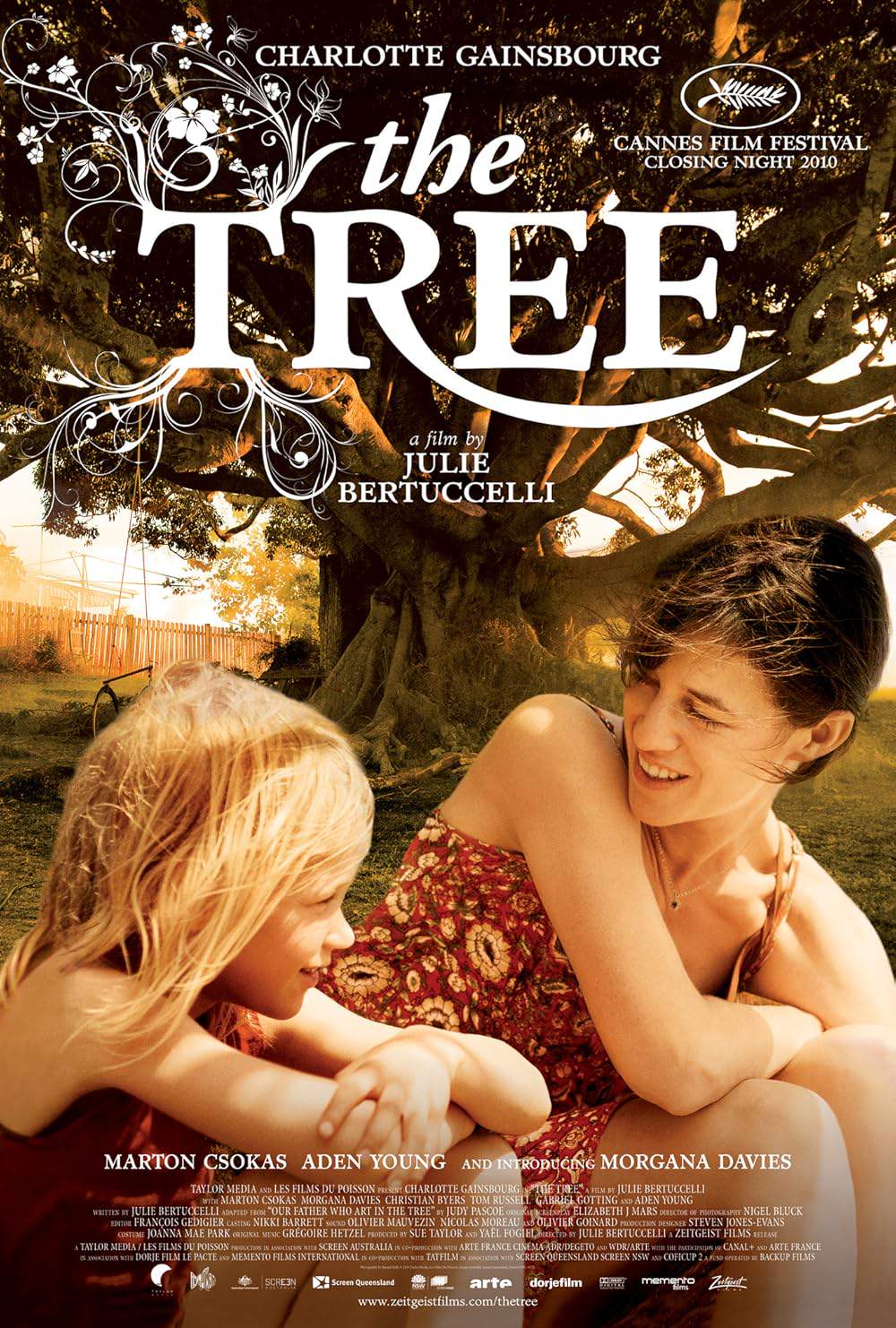
The Tree (2011) Film Overview & Timeline
The Sea of Trees (2016) Full Summary & Key Details
Winter Spring Summer or Fall (2025) Complete Plot Breakdown
When a Tree Falls (2018) Movie Recap & Themes
The Forest for the Trees (2003) Detailed Story Recap
The Tree Feller (2017) Detailed Story Recap
City of Trees (2019) Plot Summary & Ending Explained
Not Like Dad (2021) Ending Explained & Film Insights
First Snow of Summer (2023) Detailed Story Recap
By the Lake (1970) Detailed Story Recap
The Wishing Tree (1976) Full Movie Breakdown
The Saplings (1972) Movie Recap & Themes
The Tree of Love (1938) Full Movie Breakdown
My Father Is on the Tree (1969) Detailed Story Recap
Falling Leaves (1966) Ending Explained & Film Insights