Plot Explained Spoilers guaranteed!
Plot Explained

Browse by genre

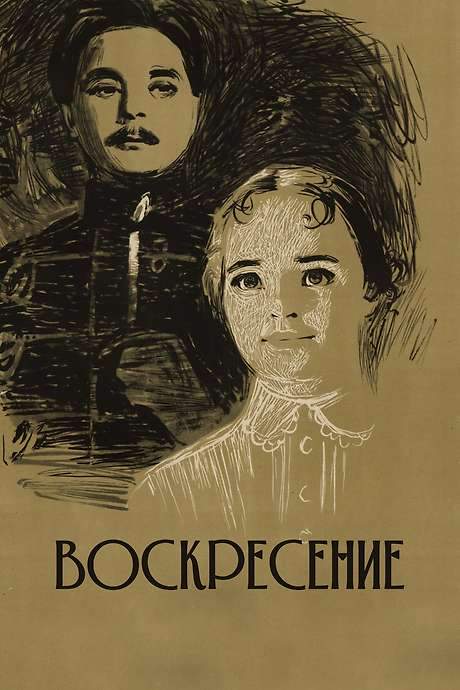
We Live Again (1934) movie poster

Spoiler-Free Summary

We Live Again (1934) Spoiler-Free Summary – What It's About

Release, runtime and language
1934 · 85 mins · English
Directed by
Rouben Mamoulian
Starring
Ethel Griffies, Fredric March, C. Aubrey Smith, Leonid Kinskey, Morgan Wallace, Sam Jaffe

Nekhludoff, a Russian aristocrat serving as a juror, learns that the defendant, the young Katusha, is a woman he once seduced and abandoned, a fate he partly caused. Determined to atone, he battles his own conscience and the legal system, seeking redemption for both Katusha and himself.

On this page (6)
  1. 1 What it is about
  2. 2 Is it worth watching?
  3. 3 After you watch
  4. 4 Movie threads
  5. 5 Movies like We Live Again
  6. 6 Every angle

Spoiler-free summary · safe to read

What Is We Live Again About? (No Spoilers)

The plot of We Live Again (1934) without spoilers: what it is about, who it follows and where it takes place, told without the twists or the ending. Enough to decide whether it is your next watch, not enough to ruin it.

In the opulent yet rigid world of late‑imperial Russia, society’s glittering façades mask a network of hidden debts and unspoken hierarchies. Grand estates, smoky conservatories, and the austere corridors of the courts coexist with the quiet desperation of those whose lives are dictated by birthright and reputation. The film’s visual palette—muted golds, cold stone, and the ever‑present fog of Moscow’s streets—imbues every scene with a melancholy reverence for a time on the brink of upheaval.

Dmitri Nekhludoff arrives as a polished aristocrat accustomed to privilege, yet burdened by memories he thought were long buried. Years earlier, a fleeting encounter with a young maid named Katusha left a lingering echo of desire and regret, a moment he abandoned without thought for the consequences. Their brief, intimate past now lingers like a phantom, shaping his perception of honor and responsibility as he steps into the role of juror.

When the trial convenes, the courtroom becomes a crucible where personal histories clash with the cold machinery of law. The defendant, a woman whose face triggers a cascade of recollections for Nekhludoff, forces him to confront the stark disparity between his genteel upbringing and the stark reality of her plight. The atmosphere is thick with moral ambiguity; the stern judges, the murmuring jurors, and the echo of whispered accusations all underscore a society that measures justice by status as much as by truth.

Against this backdrop, Nekhludoff’s inner turmoil transforms into a quiet, desperate quest for atonement. The narrative hints at a journey that may lead him to relinquish comfort, to question the very foundations of his identity, and perhaps to redefine what redemption looks like in a world where love, guilt, and honor are inextricably entwined. The film lingers on the promise of change, inviting the audience to wonder whether a man of noble birth can truly rewrite his fate alongside the woman he once wronged.

Last updated: December 05, 2025 at 10:15

Was this helpful?

What to expect

Is We Live Again Worth Watching? What It Feels Like

Is it dark, sad, slow, intense or confusing? The mood of We Live Again (1934) in a few tags, without a word about how it ends. Each tag opens a list of movies that feel the same.

After you watch

Seen We Live Again? Now Read the Spoilers

Once you have watched We Live Again (1934), come back for the full story: the plot summary with spoilers, the timeline in chronological order, the characters and meaning.

Movie threads

More Movies Like We Live Again, by Mood & Story

Curated lists built around what makes We Live Again tick: the same mood, the same kind of story or the same emotional payoff. Each list explains why these movies belong together.

Moral Redemption Stories like We Live Again

Characters weighed by guilt seek forgiveness through self-sacrifice and personal transformation. If you were moved by the moral struggle in We Live Again, explore more movies about atonement and redemption. These films feature characters burdened by guilt who embark on difficult journeys to seek forgiveness, often set against a backdrop of social injustice.

  • guilt-ridden
  • morally conflicted
  • determined
  • somber
  • introspective
  • emotionally draining
  • Tone: dark, morally conflicted
  • Pacing: steady, deliberate
Why these movies?

The story pattern: The narrative typically begins with a character's past transgression coming to light, triggering a deep crisis of conscience. This leads to a deliberate, often difficult journey to make amends, which serves as the central plot. The story explores themes of responsibility, sacrifice, and whether true redemption is possible after causing great harm.

Why they belong together: These films are grouped by their shared focus on a specific character arc: the path from moral blindness to ethical awakening. They share a serious, introspective tone and place a heavy emotional weight on the protagonist's internal struggle and their external actions toward atonement.

Grim Social Critique Dramas like We Live Again

Stories exposing rigid class systems that crush individuals and moral compromises for survival. For viewers who appreciated the social critique in We Live Again, this collection features similar movies about class injustice and personal downfall. These dramas explore how societal structures lead to tragedy, focusing on characters trapped by their circumstances.

  • oppressive
  • melancholic
  • desperate
  • somber
  • social critique
  • tragic downfall
  • Tone: dark, oppressive, somber
  • Pacing: steady, methodical
Why these movies?

The story pattern: The plot is frequently triggered by a seduction or betrayal that exposes the fragility of a character's social standing. The narrative then meticulously charts their downward spiral—often involving poverty, loss, and degradation—as a direct consequence of an unjust system. The conflict is both internal (despair, resilience) and external (fighting against societal norms).

Why they belong together: These movies are united by their dark, critical portrayal of society and its impact on the individual. They share a steady, deliberate pacing that allows the weight of injustice to build, and a high emotional intensity derived from witnessing a character's suffering under systemic pressure.

If you liked this

Movies Like We Live Again

Similar movies to We Live Again: the same genre, themes or kind of story. Each one comes with its own plot summary, timeline and ending explained.

Browse all movie summaries

Every angle

We Live Again (1934) Explained: Plot, Timeline & Characters

Everything about We Live Again in one place: what happens in the plot summary, the timeline in chronological order, the characters and meaning and a spoiler-free summary. What's After the Movie adds the cast, box office and post-credit scenes.

Coming soon on iOS and Android

The Plot Explained Movie Summary App

Plot summaries, endings explained and timelines on your phone. Catch up on any movie in minutes, save your favorites and never miss a twist again.

Be the first to know when we launch. Your email stays private, always.

Learn more about the app