Plot Explained Spoilers guaranteed!
Plot Explained

Browse by genre

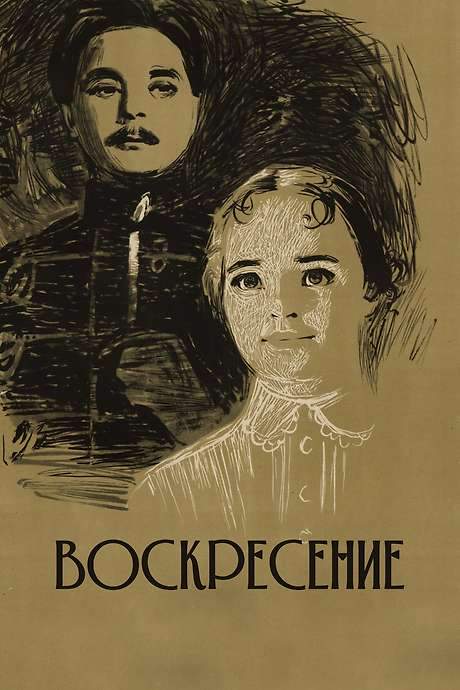
We Live Again (1934) movie poster

Timeline

We Live Again (1934) Timeline Explained – Every Event in Order

Release, runtime and language
1934 · 85 mins · English
Directed by
Rouben Mamoulian
Starring
Ethel Griffies, Fredric March, C. Aubrey Smith, Leonid Kinskey, Morgan Wallace, Sam Jaffe

Nekhludoff, a Russian aristocrat serving as a juror, learns that the defendant, the young Katusha, is a woman he once seduced and abandoned, a fate he partly caused. Determined to atone, he battles his own conscience and the legal system, seeking redemption for both Katusha and himself.

On this page (5)
  1. 1 Events in order (13)
  2. 2 Timeline questions answered
  3. 3 Movie threads
  4. 4 Movies like We Live Again
  5. 5 Every angle

13 events in order · contains spoilers

We Live Again Timeline: Events in Chronological Order

Every key event of We Live Again (1934) in order, scene by scene, with when and where it takes place. Use it to untangle flashbacks, time jumps and parallel storylines, to refresh your memory before the sequel or to find the exact scene you are thinking of.

  1. Greenhouse night and departure

    Dmitri Nekhlyudov seduces Katusha Maslova and they spend the night together in a greenhouse. The next morning he leaves without leaving a note for her, offering only money, which outrages Katusha and foreshadows the social consequences of their affair.

    Where
    Greenhouse
  2. Katusha becomes pregnant and is fired

    Katusha discovers she is pregnant as a result of the affair and is fired from her position by Dmitri's aunts. The scandal jeopardizes her life, and the baby is born, dies, and is buried unbaptized, deepening her rejection by society.

    Where
    Dmitri's aunts' household
  3. Katusha descends into Moscow's underworld

    To survive, Katusha travels to Moscow where poverty and degradation push her into prostitution. She loses her former dignity as she navigates a harsh urban life and precarious circumstances. The city becomes a symbol of her fallen status.

    Where
    Moscow
  4. Dmitri's engagement and jury duty

    Dmitri Nekhlyudov is now engaged to Missy, the daughter of a wealthy judge, Prince Kortchagin. He is called for jury duty in Kortchagin's court, which sets the stage for the trial that will bring Katusha back into his life.

    Where
    Kortchagin's court
  5. Katusha's verdict in court

    Katusha Maslova is one of the defendants in the murder case. The jury finds her guilty of giving powder to the merchant Smerkov without intent to rob, a verdict that ignores the nuance of intent and stirs debate about justice.

    Where
    Court
  6. Five years hard labor in Siberia

    Because the jury's intention to free her could not be reconciled with the lack of a stated intent to kill, the judge sentences Katusha to five years of hard labor in Siberia. The sentence marks a harsh separation from her past life.

    Where
    Court
  7. Dmitri's guilt and redemption plan

    Feeling guilty about abandoning Katusha years earlier, Dmitri resolves to redeem both himself and her. He begins to plan a way to secure her release and repair the damage of his past actions.

    Where
    Prison / legal offices
  8. Dmitri's failed bid to free Katusha

    Dmitri returns to the prison to request Katusha's pardon and to propose marriage as a path to freeing her. His efforts are met with resistance, and Katusha's feelings are stirred as she confronts renewed emotion.

    Where
    Prison
  9. Katusha's refusal and friends' worry

    Katusha refuses Dmitri's plea for forgiveness and marriage, furious that he has unsettled her feelings again. Her friends register concern, thinking she is foolish to hope for his return.

    Where
    Prison
  10. Dmitri frees serfs and follows toward Siberia

    Dmitri frees his serfs, breaks his engagement, and follows Katusha to the border of Siberia. He signals a new commitment to stand by her and join her on the path to rebuilding their lives.

    Where
    Border of Siberia
  11. Choosing to go to Siberia together

    At the border, Dmitri and Katusha resolve to live again together and face a new life beyond society's judgments. Their shared decision marks a turning point toward a possible future.

    Where
    Border of Siberia
  12. Transport day delays and hope renewed

    Katusha waits for the transport day, hoping Dmitri will arrive. When he does not appear as scheduled, her hope wavers, but the narrative hints at an imminent reunion that defies the odds.

    Where
    Border / Siberian transport checkpoint
  13. Dmitri's late arrival and vow to live again

    On the border where prisoners are processed, Dmitri finally appears, having divided his land among his servants. He declares his intention to live again with Katusha, offering forgiveness, support and love as they prepare to start anew in Siberia.

    Where
    Border of Siberia

Last updated: October 09, 2025 at 12:30

Was this helpful?

Timeline questions answered

We Live Again Timeline Explained: Your Questions Answered

When does it happen, and why in that order? The questions people ask about the chronology of We Live Again (1934): time jumps, flashbacks, cause and effect between scenes and the correct order of events, each answered with spoilers.

Q1

Why was Katusha sentenced to five years of hard labor in Siberia?

Katusha was convicted of providing poison to merchant Smerkov. The jury intended to acquit her of robbery but failed to specify she had no intent to kill. This legal technicality, a missing statement of 'without intent to kill', allowed the judge to sentence her to five years of hard labor in Siberia. The prosecution argued she gave the powder to Smerkov without intent to rob, which paradoxically sealed her fate.

Foreshadowing: The courtroom tension builds as the jury deliberates, and their ambiguous verdict becomes the turning point that propels Katusha toward exile.

  • siberian exile
  • hard labor sentence
  • legal verdict
  • poison trial
  • murder charges
Q2

Why does Katusha refuse Dmitri's proposal at first?

Katusha refuses Dmitri's marriage proposal because she is furious and hurt. His sudden appearance reopens old wounds, years of abandonment, pregnancy, losing her baby, and descending into prostitution. She resents that he would suddenly offer salvation after abandoning her to a life of misery. His proposal unsettles her emotions, and she pushes him away despite the opportunity for freedom.

Foreshadowing: Her friends warn she is foolish to refuse his offer, hinting that he may return and that she will regret her hasty rejection.

  • marriage proposal
  • refusal
  • forgiveness
  • rejection
  • redemption
Q3

Why does Dmitri decide to follow Katusha to Siberia?

Dmitri is overwhelmed by guilt for having seduced and abandoned Katusha years earlier, which directly caused her downfall. Witnessing her in court as a defendant triggers a moral crisis. He frees his serfs, renounces his engagement to Missy, and travels to Siberia to share her exile. He hopes to atone by helping her, offering marriage, and living alongside her as penance for his past sins.

Foreshadowing: Early in the story, his act of abandoning Katusha with only money plants the seed of his future guilt and redemption.

  • siberia
  • exile
  • guilt
  • atonement
  • redemption
  • follow
Q5

Why does Dmitri leave money for Katusha in the greenhouse?

After spending the night with Katusha in the greenhouse, Dmitri leaves in the morning without a note, only money. This act reflects his aristocratic entitlement and thoughtlessness. He treats the encounter as a transaction rather than a connection, offering money as if she were a prostitute. The insult compounds Katusha's humiliation and sets in motion her arc of rejection and fall from grace.

Foreshadowing: The greenhouse scene establishes the power imbalance between aristocrat and servant that defines their entire relationship.

  • greenhouse
  • seduction
  • money
  • abandonment
  • humiliation
Q6

What happens to Katusha's baby after she is fired?

After Katusha becomes pregnant from her affair with Dmitri, she is fired from her position. She gives birth to a baby, but the child dies shortly after. The infant is buried unbaptized, which carried profound social and religious stigma in tsarist Russia. This tragedy deepens Katusha's social rejection and marks another step in her descent toward prostitution and despair.

Foreshadowing: Her firing and subsequent pregnancy already foreshadow the downward trajectory that leads to this loss.

  • pregnancy
  • baby death
  • unbaptized
  • social stigma
  • fired
Q7

Why does Dmitri free his serfs before following Katusha?

Dmitri frees his serfs as part of his moral transformation and commitment to a new life. By releasing his peasants from bondage, he symbolically rejects the aristocratic system that enabled his previous selfish behavior. He also divides his land among his servants, ensuring they are provided for. This act represents his rejection of noble privilege and his preparation to live as an equal with Katusha in Siberia.

Foreshadowing: His earlier life as a privileged aristocrat who owned serfs contrasts sharply with this decision, signaling his complete change of character.

  • serfs
  • emancipation
  • land division
  • noble privilege
  • transformation
Q8

How does Katusha end up in prostitution in Moscow?

After being fired from Dmitri's aunts' household due to her pregnancy and the scandal, Katusha travels to Moscow to survive. Without family, reputation, or means of support, she is forced into prostitution to earn a living. The harsh reality of tsarist society offers few options for a disgraced woman. Her descent into Moscow's underworld represents the brutal economic and social pressures that trap women in her position.

Foreshadowing: The greenhouse scandal and subsequent firing directly lead to her desperate situation in Moscow.

  • prostitution
  • moscow
  • poverty
  • social decline
  • survival
Q9

What triggers Dmitri's moral awakening and desire for redemption?

Dmitri's guilt awakens when he sees Katusha as a defendant in his future father-in-law's courtroom. Recognizing her as the woman he seduced and abandoned years ago, and understanding that his actions directly caused her downfall, triggers his conscience. The weight of his past sin combined with the public spectacle of her trial compels him to seek atonement, transforming from a cold aristocrat into a man determined to redeem himself and her.

Foreshadowing: His initial coldness and engagement to Missy establish his character before the trial dramatically shifts his priorities.

  • guilt
  • conscience
  • moral awakening
  • trial
  • repentance
Q10

What happens at the end when Dmitri meets Katusha at the Siberian border?

At the Siberian border, Katusha waits for the transport day, fearing Dmitri will not come. When he arrives late but finally appears, he has divided his land among his servants and committed to living with her. They decide to 'live again' together, not as master and servant, but as equals. The ending offers hope for redemption and a rebuilt life, though it remains bittersweet given the harsh context of exile.

Foreshadowing: The earlier moment when her friends advise her to accept his proposal foreshadows this reunion.

  • siberian border
  • reunion
  • new beginning
  • forgiveness
  • hopeful ending
Q11

What was Katusha accused of doing to the merchant Smerkov?

Katusha was accused of providing poison to merchant Smerkov, which led to his death. The prosecution claimed she gave him powder without intent to rob, yet the lack of explicit statement about her lack of intent to kill allowed the court to convict her of murder. The case became central to the story's critique of a justice system that punishes the vulnerable harshly while allowing the powerful to escape consequence.

Foreshadowing: The trial scene builds as details of the poisoning emerge, creating suspense about Katusha's fate.

  • merchant smerkov
  • poison
  • accusation
  • murder trial
Q12

Who is Missy Kortchagin and why does Dmitri break off their engagement?

Missy Kortchagin is the daughter of Prince Kortchagin, the wealthy judge whose court tries Katusha. Dmitri was engaged to Missy before the trial, representing his position within aristocratic society. After his moral awakening and guilt over Katusha, he breaks off the engagement. He cannot in good conscience marry Missy while knowing he must atone for destroying Katusha's life, choosing instead to follow his conscience rather than social advancement.

Foreshadowing: His engagement to Missy establishes his status before the trial exposes his past sin.

  • missy kortchagin
  • engagement broken
  • prince kortchagin
  • aristocratic life

Movie threads

More Movies Like We Live Again, by Mood & Story

Curated lists built around what makes We Live Again tick: the same mood, the same kind of story or the same emotional payoff. Each list explains why these movies belong together.

Moral Redemption Stories like We Live Again

Characters weighed by guilt seek forgiveness through self-sacrifice and personal transformation. If you were moved by the moral struggle in We Live Again, explore more movies about atonement and redemption. These films feature characters burdened by guilt who embark on difficult journeys to seek forgiveness, often set against a backdrop of social injustice.

  • guilt-ridden
  • morally conflicted
  • determined
  • somber
  • introspective
  • emotionally draining
  • Tone: dark, morally conflicted
  • Pacing: steady, deliberate
Why these movies?

The story pattern: The narrative typically begins with a character's past transgression coming to light, triggering a deep crisis of conscience. This leads to a deliberate, often difficult journey to make amends, which serves as the central plot. The story explores themes of responsibility, sacrifice, and whether true redemption is possible after causing great harm.

Why they belong together: These films are grouped by their shared focus on a specific character arc: the path from moral blindness to ethical awakening. They share a serious, introspective tone and place a heavy emotional weight on the protagonist's internal struggle and their external actions toward atonement.


Grim Social Critique Dramas like We Live Again

Stories exposing rigid class systems that crush individuals and moral compromises for survival. For viewers who appreciated the social critique in We Live Again, this collection features similar movies about class injustice and personal downfall. These dramas explore how societal structures lead to tragedy, focusing on characters trapped by their circumstances.

  • oppressive
  • melancholic
  • desperate
  • somber
  • social critique
  • tragic downfall
  • Tone: dark, oppressive, somber
  • Pacing: steady, methodical
Why these movies?

The story pattern: The plot is frequently triggered by a seduction or betrayal that exposes the fragility of a character's social standing. The narrative then meticulously charts their downward spiral—often involving poverty, loss, and degradation—as a direct consequence of an unjust system. The conflict is both internal (despair, resilience) and external (fighting against societal norms).

Why they belong together: These movies are united by their dark, critical portrayal of society and its impact on the individual. They share a steady, deliberate pacing that allows the weight of injustice to build, and a high emotional intensity derived from witnessing a character's suffering under systemic pressure.

If you liked this

Movies Like We Live Again

Similar movies to We Live Again: the same genre, themes or kind of story. Each one comes with its own plot summary, timeline and ending explained.

Browse all movie summaries

Every angle

We Live Again (1934) Explained: Plot, Timeline & Characters

Everything about We Live Again in one place: what happens in the plot summary, the timeline in chronological order, the characters and meaning and a spoiler-free summary. What's After the Movie adds the cast, box office and post-credit scenes.

Coming soon on iOS and Android

The Plot Explained Movie Summary App

Plot summaries, endings explained and timelines on your phone. Catch up on any movie in minutes, save your favorites and never miss a twist again.

Be the first to know when we launch. Your email stays private, always.

Learn more about the app