Plot Explained Spoilers guaranteed!
Plot Explained

Browse by genre

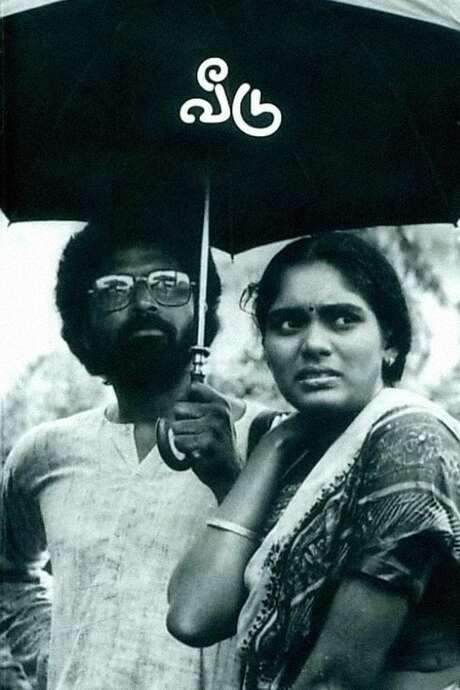
Vietnam Veedu (1970) movie poster

Plot Summary

Vietnam Veedu (1970) Plot Summary Explained

Release, runtime and language
1970 · 164 mins · Tamil
Loading streaming availability…
Directed by
P. Madhavan
Starring
Rama Prabha, V. S. Raghavan, Srikanth, Kathadi Ramamurthy, Nagesh, Senthamarai

After stepping down from his executive role, Prestige Padmanabha Iyer finds himself isolated and dissatisfied, sharing a cramped existence with his family in their old ancestral residence called Vietnam House. The house earned its nickname because the household is plagued by continual quarrels and discord, deepening his sense of melancholy.

On this page (6)
  1. 1 Where to watch
  2. 2 What happens: full plot
  3. 3 Plot questions answered
  4. 4 Movie threads
  5. 5 Movies like Vietnam Veedu
  6. 6 Every angle
Loading streaming availability…

Full plot summary · contains spoilers

What Happens in Vietnam Veedu: Full Plot Summary

The whole story of Vietnam Veedu (1970) explained, from the opening scene to the final frame: every key event, every twist and what it all adds up to. Read it as a quick recap before the sequel, to check a scene you missed, or to finally understand what really happened.

"Prestige" Padmanabhan Iyer Sivaji Ganesan is the manager of a reputed company, living with his wife Savithri Padmini, their sons Sridhar and Murali, and a daughter. He is famous for living with prestige and keeps a sharp eye on social status in every aspect of life. Sridhar is married while Murali is still searching for a job, painting a picture of a household under the strain of expectations. With his hard-earned money, Padmanabhan buys back the ancestral house he had to sell years earlier, naming it "Vietnam Veedu" (Vietnam House) to reflect the constant bickering among the family members, a domestic theatre that sometimes feels as tense as a battlefield.

This fragile pride begins to crack when the pressures of modern life collide with old-fashioned ideals. Padmanabhan’s major problem is his inability to gracefully accept his children’s choices. He retires from his job and struggles to adjust to a quieter life, increasingly worried about how his sons will manage the family after him. The situation grows more difficult as Sridhar’s career falters—bribes at work lead to a police investigation, and he is eventually dismissed. Meanwhile, Murali falls into debt, taking a loan from a moneylender, who then shows up at Vietnam Veedu demanding repayment. The household is shaken, and the neighbors start to mock the family for what they perceive as hollow prestige.

Amid the financial squeeze and social scrutiny, Padmanabhan feels his pride crumble, and only Savithri offers him genuine empathy. He worries deeply about the possibility that, once he is gone, his wife may be left to face the world with diminished support. The mounting stress takes a toll on him, and his doctor cautions that emotional storms could be dangerous for his heart. A surgical procedure arrives as a turning point, and the doctor makes it clear that while he may recover physically, his heart will always carry a weakness that could be triggered by excitement or distress.

In the wake of recovery, the family begins to pull together. Old tensions loosen as they rally around Padmanabhan, who starts to see the value of unity over appearances. Just as a sense of reconciliation gradually settles in, he receives a letter from his former employer offering him a prestigious post as director, a role that would require him to travel abroad for training. The news fills him with elation, a testament to the respect he has earned for his ethics and integrity. Yet that same surge of happiness proves too much for his weakened heart, and he passes away just as the family begins to truly come together. The film closes on a poignant reminder that dignity and responsibility toward loved ones can outlast the lure of outward prestige, leaving the family to navigate life with renewed closeness and gratitude.


Last updated: October 07, 2025 at 08:51

Was this helpful?

Plot questions answered

Vietnam Veedu Plot Explained: Your Questions Answered

The questions people ask most about Vietnam Veedu (1970): what happens in the confusing scenes, why the characters do what they do, the twists, hidden details and what the ending means. Each answer contains spoilers.

Q1

Why did Padmanabhan name his house Vietnam Veedu?

He named it Vietnam Veedu as a tongue-in-cheek reference to the constant quarrels and conflicts among family members, which resembled a small-scale war happening inside the home. The nickname reflected his wry acknowledgment that his household was a battlefield of disputes, much like the actual Vietnam War that was happening at that time.

  • vietnam veedu
  • house nickname
  • family disputes
  • prestige padmanabhan
Q2

Why did Sridhar start taking bribes at work?

Sridhar succumbed to the same pressure his father felt about maintaining status and appearance. Driven by the family's expectation of prestige, he attempted to improve his financial situation through corrupt means, eventually getting caught, arrested, and dismissed from his job, bringing public shame to the family.

Foreshadowing: The family's fixation on prestige, established early in the film, foreshadows Sridhar's ethical downfall.

  • sridhar
  • bribes
  • arrest
  • family shame
  • prestige
Q3

Why did the neighbors start mocking Padmanabhan's family?

After Sridhar's arrest for bribery and Murali's debt problems became public knowledge, neighbors began to see through what they perceived as the family's hollow pursuit of prestige. The scandal exposed the gap between their outward appearance of success and the reality of their troubles.

  • neighbors
  • mockery
  • social shame
  • scandal
  • family reputation
Q4

Why did Padmanabhan develop a heart condition?

The constant stress from his children's failures, the financial pressures, the social humiliation from neighbors, and his own inability to accept his sons' choices combined to create severe emotional strain. This chronic stress triggered a serious heart condition that required surgery.

Foreshadowing: His doctor's warning about avoiding excitement hints that emotional volatility poses a致命 threat to his weakened heart.

  • heart condition
  • stress
  • medical
  • family pressure
  • emotional strain
Q5

Why couldn't Padmanabhan handle good news after his surgery?

The doctor explicitly warned him that his heart remained weak and could not tolerate excitement or shocks. After months of learning to live calmly and see value in family unity over appearances, the sudden surge of joy from the director offer proved too much for his fragile cardiovascular system, causing his death.

Foreshadowing: The doctor's warning about excitement being dangerous planted the tragic irony of his eventual death.

  • heart surgery
  • excitement
  • death
  • doctor warning
  • irony
Q6

Why did the family reconcile after Padmanabhan's surgery?

The medical crisis forced the family to confront their priorities. Watching their father fight for survival made them realize that their petty quarrels and individual struggles were insignificant compared to losing him. They rallied around him during recovery, setting aside old tensions to care for him lovingly.

  • reconciliation
  • family unity
  • recovery
  • heart surgery
  • emotional change
Q7

What caused Padmanabhan's death at the end?

Padmanabhan died from a burst of excitement when he received the director post offer. The joy of being recognized for his ethics and integrity, combined with the prestige of a foreign posting, overwhelmed his surgically repaired but still fragile heart. He died in the moment of his greatest triumph, underscoring the film's theme about the dangers of tying one's worth to external validation.

  • death
  • director post
  • excitement
  • irony
  • prestige theme
Q8

Why did Savithri remain supportive of Padmanabhan throughout the crisis?

Unlike others who judged him based on his children's failures, Savithri offered genuine empathy because she understood his genuine love for the family. She recognized that his pride stemmed from responsibility rather than vanity, and she was the only one who saw past the external circumstances to his true character.

  • savithri
  • support
  • empathy
  • wife
  • family values
Q9

Why did the director offer come at the worst possible moment?

The timing was tragically ironic. The family had finally learned to value unity over prestige, and Padmanabhan had found peace without external validation. The director position, which would have meant everything to his old prestige-driven self, arrived precisely when he no longer needed it, and killed him with joy.

  • director post
  • timing
  • irony
  • life validation
  • prestige reversal
Q10

Why did Padmanabhan buy back the ancestral house?

Using his hard-earned money, Padmanabhan repurchased the house his family had sold years earlier during times of poverty. This act represented his attempt to reclaim lost pride and restore the family's social standing, believing that owning the ancestral home would validate his success and status.

  • ancestral house
  • buy back
  • pride
  • family status
  • prestige
Q11

Why did Murali borrow money from a moneylender?

Murali took the loan while searching for stable employment, likely to pursue his ambitions or meet immediate financial needs. Unable to repay the debt, he faced the moneylender's harassment at Vietnam Veedu, adding another layer of financial shame to the family's mounting problems.

  • murali
  • debt
  • moneylender
  • loan
  • financial trouble
Q12

Why couldn't Padmanabhan accept his children's choices?

Padmanabhan's entire identity was built on maintaining prestige and social status. When his sons made choices that brought shame, Sridhar's bribery and Murali's debt, he saw it as a direct attack on everything he had worked for. His inability to accept their failures reflected his deeper fear of losing face in society.

  • acceptance
  • children
  • prestige
  • father
  • social status

Movie threads

More Movies Like Vietnam Veedu, by Mood & Story

Curated lists built around what makes Vietnam Veedu tick: the same mood, the same kind of story or the same emotional payoff. Each list explains why these movies belong together.

Movies about Crumbling Patriarchs like Vietnam Veedu

Stories of family leaders whose pride and position unravel, causing domestic strife. If you liked the story of Prestige Padmanabha Iyer's decline in Vietnam Veedu, explore more movies about patriarchs whose pride leads to their downfall. These similar family dramas feature anxious households, generational clashes, and bittersweet endings that explore the cost of maintaining social status.

  • melancholic
  • tense
  • family dynamics
  • gloomy
  • anxious
  • reflective
  • Tone: melancholic, tense
  • Pacing: steady, character-driven
Why these movies?

The story pattern: Narratives in this thread typically follow a linear path, charting the decline of a once-respected figure. The central conflict arises from the clash between their stubborn pride and a harsh new reality, leading to a series of domestic crises that test family loyalties and culminate in a reevaluation of what truly matters.

Why they belong together: Movies are grouped here for their shared focus on the patriarch's journey, the melancholic tone of lost prestige, the steady pacing of a personal unraveling, and the medium-intensity emotional weight of watching a family structure bend under pressure.

Movies with Tense Family Homes like Vietnam Veedu

Films where a single domestic setting becomes a pressure cooker for family conflict. Seeking more movies where a house is nicknamed for its discord, like Vietnam House in Vietnam Veedu? Discover similar dramas where cramped living spaces fuel family conflict, financial struggles, and poignant reflections on unity, all with a steady, melancholic pace.

  • claustrophobic
  • tense
  • family conflict
  • gloomy
  • anxious
  • poignant
  • Tone: tense, melancholic, poignant
  • Pacing: steady, simmering
Why these movies?

The story pattern: These stories unfold primarily within the walls of a single home, using the setting to create a claustrophobic atmosphere. The narrative builds through a series of interpersonal clashes and quiet moments of despair, exploring how shared space can both divide and ultimately, sometimes, reunite a family.

Why they belong together: These films are connected by their use of a domestic setting as a central source of conflict, a consistently melancholic and tense mood, steady pacing that lets tension simmer, and a focus on the emotional weight of family relationships strained by close quarters.

If you liked this

Movies Like Vietnam Veedu

Similar movies to Vietnam Veedu: the same genre, themes or kind of story. Each one comes with its own plot summary, timeline and ending explained.

Browse all movie summaries

Every angle

Vietnam Veedu (1970) Explained: Plot, Timeline & Characters

Everything about Vietnam Veedu in one place: what happens in the plot summary, the timeline in chronological order, the characters and meaning and a spoiler-free summary. What's After the Movie adds the cast, box office and post-credit scenes.

Coming soon on iOS and Android

The Plot Explained Movie Summary App

Plot summaries, endings explained and timelines on your phone. Catch up on any movie in minutes, save your favorites and never miss a twist again.

Be the first to know when we launch. Your email stays private, always.

Learn more about the app