Year: 2024
Runtime: 140 mins
Language: Bengali, Bangla
Director: Raj Chakraborty
What happens when a devoted father is rejected by the son he raised? As he seeks justice in court, will the family heal, or will the divide grow deeper?
Warning: spoilers below!
Haven’t seen Shontaan yet? This summary contains major spoilers. Bookmark the page, watch the movie, and come back for the full breakdown. If you're ready, scroll on and relive the story!
Read the complete plot breakdown of Shontaan (2024), including all key story events, major twists, and the ending explained in detail. Discover what really happened—and what it all means.
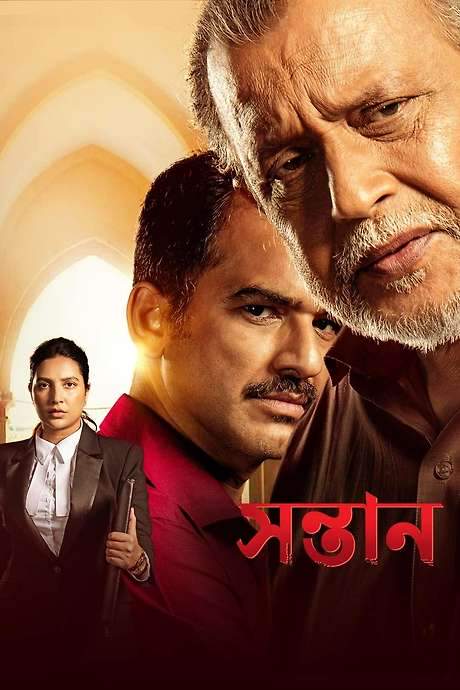
The film provides a poignant exploration of the challenging and often painful dynamics between an aging couple and their son, highlighting themes of neglect, familial duty, and emotional conflict. At the heart of the story is Saradindu Bose, played by Mithun Chakraborty, an elderly man worn down by the hardships of life. He shares his modest home with his wife, Mala, portrayed by Anashua Majumdar, who suffers from severe arthritis, adding to their hardships. Their son, Indranil—a self-centered man employed at a multinational company—is depicted as indifferent and primarily concerned with his own luxury and comfort. Living a lavish lifestyle in the city—driving a Mercedes, holidaying abroad, and partying with colleagues—Indranil remains emotionally distant from his aging parents, showing little concern for their needs or suffering.
The narrative unfolds as Saradindu approaches his son requesting financial support for Mala’s urgent knee surgery, which is critical given her worsening health. However, Indranil, dismissive and callous, not only refuses to help but also publicly humiliates his father, stating that he has other more pressing financial obligations and cannot provide the money. This rejection deeply wounds Saradindu, prompting him to take a brave step—filing a legal case against his son. The lawsuit accuses Indranil of neglect and ill treatment of his elderly parents, emphasizing the core conflict of the film: the breakdown of filial responsibility and moral obligation in modern relationships.
Indrani—a character fighting for justice and compassion for Saradindu—helps him in the court against Indranil, whose lawyer is Bikash Munsi. As the courtroom scenes unfold, the emotional tension escalates, revealing the heartbreak of a family torn apart by indifference. Meanwhile, Mala, caught between her moral duties as a mother and her love for her son, faces her own dilemma. Despite her suffering and the injustice faced, she requests Indranil to withdraw the case against him, driven by her maternal instincts and the hope that her son can learn from his mistakes. This decision stems from her deep love and the societal pressure to maintain familial harmony, even at the expense of her own suffering.
The story’s emotional depth is heightened as Mala’s health deteriorates further, and she tragically passes away, leaving a void in the family. Her death marks a turning point in the narrative. Indranil, overwhelmed with remorse and regret, begins to realize the severity of his neglect and the pain he caused his parents. The film culminates with Saradindu forgiving his son—a gesture of universal parental love and hope for redemption—fulfilling a promise he made to Mala before her passing. This ending emphasizes the importance of empathy, respect for elders, and the power of forgiveness, reminding viewers of the essential values of family bonds even amidst failure and mistakes.
Throughout the film, the viewers are invited to contemplate the contrasting choices—indifference versus love, neglect versus compassion—and the profound impact these decisions have on families. The narrative vividly captures the emotional turmoil faced by those who are often forgotten or ignored, encouraging reflection on our own responsibilities toward aging parents and the moral fabric of family life. This poignant story, textured with moments of sorrow, hope, and reconciliation, serves as a timeless reminder of the importance of caring for and respecting those who once nurtured us.
Last Updated: August 19, 2025 at 05:15
Discover curated groups of movies connected by mood, themes, and story style. Browse collections built around emotion, atmosphere, and narrative focus to easily find films that match what you feel like watching right now.
Stories where fractured families face the painful consequences of their choices.Explore more movies like Shontaan that center on deep family conflict and the subsequent emotional reckoning. If you liked the reflective, courtroom-adjacent drama of Shontaan, you'll find similar stories about parents and children confronting painful truths.
These narratives often begin with a long-standing family wound that is suddenly reopened, forcing a confrontation. The plot typically follows a steady, linear path as characters are compelled to examine their roles in the conflict, leading to moments of profound regret and, sometimes, a fragile, bittersweet resolution.
They are grouped together by their shared melancholic tone, steady pacing, and focus on the heavy emotional fallout within families. The experience is characterized by reflection on themes of responsibility, grief, and the possibility—but not guarantee—of healing.
Character-driven stories where reconciliation comes at a deep personal cost.Find more films with a bittersweet ending feel similar to Shontaan. These movies explore the complex process of making amends, where characters achieve a form of peace or understanding, but not without acknowledging the pain that came before.
The central character arc involves a protagonist (often a flawed parent or estranged family member) realizing the depth of their mistakes. The story unfolds through their efforts to make things right, culminating in an ending that is emotionally satisfying yet acknowledges that some wounds never fully heal, leaving a poignant mix of hope and sadness.
They share a specific emotional trajectory: a journey from emotional distance to a bittersweet resolution. The pacing is character-driven, the tone is weighted with regret, and the ending provides a sense of closure that is meaningful yet undeniably sad.
Don't stop at just watching — explore Shontaan in full detail. From the complete plot summary and scene-by-scene timeline to character breakdowns, thematic analysis, and a deep dive into the ending — every page helps you truly understand what Shontaan is all about. Plus, discover what's next after the movie.
Track the full timeline of Shontaan with every major event arranged chronologically. Perfect for decoding non-linear storytelling, flashbacks, or parallel narratives with a clear scene-by-scene breakdown.
Discover the characters, locations, and core themes that shape Shontaan. Get insights into symbolic elements, setting significance, and deeper narrative meaning — ideal for thematic analysis and movie breakdowns.
Get a quick, spoiler-free overview of Shontaan that covers the main plot points and key details without revealing any major twists or spoilers. Perfect for those who want to know what to expect before diving in.
Visit What's After the Movie to explore more about Shontaan: box office results, cast and crew info, production details, post-credit scenes, and external links — all in one place for movie fans and researchers.