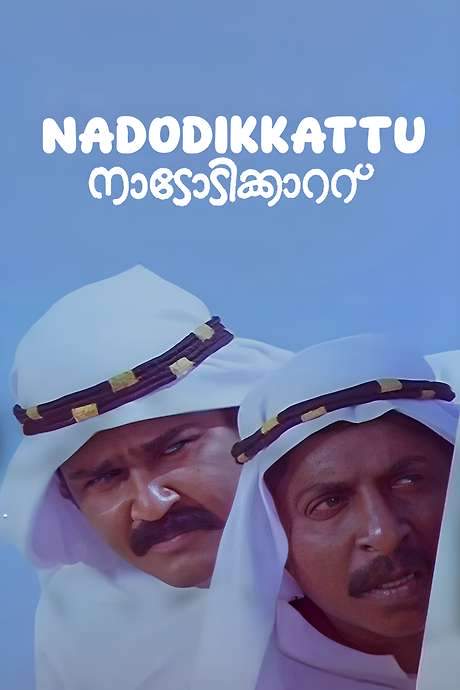
C. Pavithran Nair Mohanlal is a young construction contractor who tirelessly balances the demands of his family and his workers. An honest and upright man, CP refuses to tolerate any nonsense, even as his brother, Radhakrishnan Nair is a powerful contractor known for securing big contracts—many of which come through questionable means. CP’s brother-in-law, Prabhakaran, is a capable engineer working in the Municipality, and the web of ambition around them grows ever more tangled.
When a bridge built by CP’s brother collapses under a bus, the catastrophe claims many lives. It becomes painfully clear that Radhakrishnan Nair’s greed and a flawed system are to blame. To shield themselves, the conspirators hatch a dangerous plan: pinning the disaster on a poor driver who can barely make ends meet. The driver is coaxed into taking the fall with promises of his daughter’s job in the municipality, a monetary payoff, and a sense of safety. He is trained to tell the police that he blew the bridge with a bomb, and when the truth starts to surface, the corrupt trio—along with cynical politicians—silence him permanently.
Into this maelstrom steps Sivan Sreenivasan, a man who has already lost his wife and son in the tragedy. He becomes a thorn in the side of those who profited from the wreck, threatening to expose their crimes. In the municipal office, CP encounters his former love, Radha, who is now the Commissioner and firmly opposed to CP’s shady tactics, including a dispute over a road roller he lost to the Municipality. Their past romance flickers back to life when CP wins a court case and regains the road roller, even as the two square off over justice and integrity.
The road to reform is bumpy. CP’s older bravado resurfaces whenever Gopi Maniyanpilla Raju — CP’s loyal friend and assistant — brings in a mechanic named Sulaiman C I Paul who boasts of fixing things “Ippo sariyakkitharaam” but rarely delivers. Desperation leads to a risky plan: an Elephant is enlisted to pull the stubborn machine out of the Municipality’s compound. The plan backfires in a spectacular fashion when the rope slips, and the out-of-control road roller smashes into the wall of Radha’s house, creating chaos and new problems for CP.
Deepening tragedy strikes CP’s family when his youngest sister Deepa Lissy receives a marriage proposal from a powerful but corrupt politician who once aided Radhakrishnan and Prabhakaran. What follows is devastating: Deepa is murdered in the wake of a brutal sequence of betrayals, and CP is left to confront the violent costs of a system stacked against him. The heartache intensifies as Radha is drawn into the web of accusations and arrests; CP, driven by anger and a sense of justice, cheats her by asking her to pass some money to her brother, a move that leads to a Vigilance Team’s intervention and her arrest. Though she attempts to take her own life, she is saved, and CP opens up about the life that shaped him—the rifts, the loves, and the losses that hardened him into someone capable of great risk and, eventually, reform.
What follows is a turning point. Radha’s arrest and CP’s confession rekindle their bond as they share the stories that hardened them. Sivan, now a Panchayat President, conducts a broad investigation into corruption across government offices, including those controlled by CP’s brother and brother-in-law. CP learns of Sivan’s good heart and begins to reconsider his path, choosing to seek a life built on truth rather than expedient success. When a letter requests an investigation into misused NREP funds, the local officers push back, trying to bend Sivan to their will. The opposition’s ploy is exposed, but not before Sivan is stabbed by men aligned with CP’s relatives. CP carries Sivan to the hospital and, in a dramatic moment, learns from him that Deepa’s fate is tied to deeper wrongs.
Before Sivan dies in CP’s arms, he entrusts CP with crucial documents detailing the crimes of his relatives. CP seizes the opportunity to bring the truth to light, publishing the documents and ensuring that Deepa’s husband, his associates, and CP’s brother and brother-in-law are held accountable by the law. The emotional toll is heavy; CP’s father confronts him with pride and doubt in equal measure, and the family’s trust is stretched to its limit. Yet Radha’s unwavering support remains a lifeline, and the municipality, recognizing CP’s contribution to uncovering corruption, begins to restart CP’s contract work.
In the end, CP emerges transformed yet triumphant. He has faced the worst of the system and refused to become a caricature of corruption. The journey from vengeance to reform ends not with a simple apology but with a renewal of faith between CP and Radha. The two lovers renew their bond as the community looks on, and the prospect of a cleaner, more just future for CP’s work—and for his people—appears within reach.