Plot Explained Spoilers guaranteed!
Plot Explained

Browse by genre

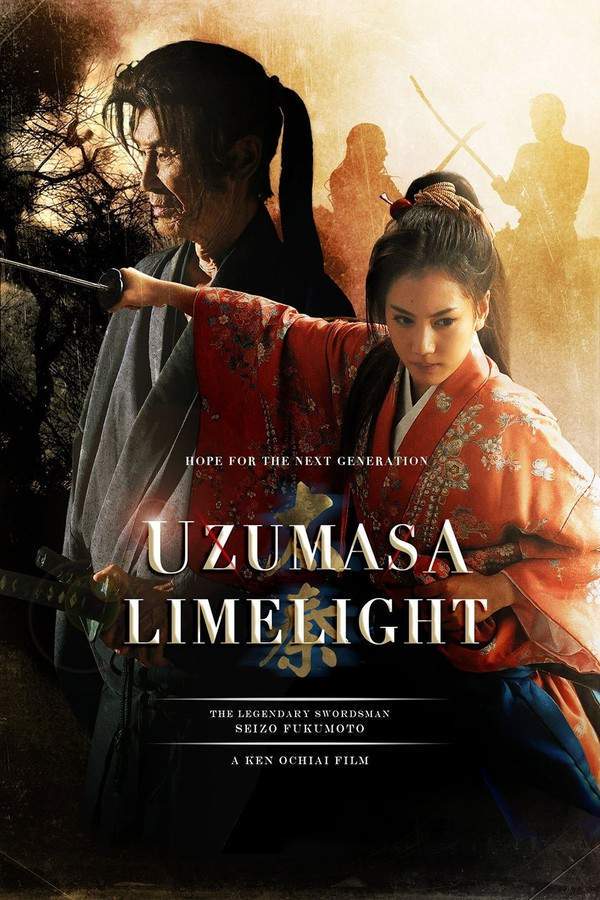
Uzumasa Limelight (2014) movie poster

Timeline

Uzumasa Limelight (2014) Timeline Explained – Every Event in Order

Release, runtime and language
2014 · 103 min · Japanese
Loading streaming availability…
Directed by
Ken Ochiai

In Kyoto's historic film district of Uzumasa, a unique group of actors known as "kirareyaku" dedicate their skills to supporting the lead performers in traditional jidaigeki films. This moving drama explores their vital, often unseen, roles and the artistry they bring to their craft. As the era of classic Japanese cinema declines, the film honors these unsung heroes and their unwavering commitment to the art form, revealing the dedication and sacrifices behind the scenes.

On this page (5)
  1. 1 Where to watch
  2. 2 Events in order (12)
  3. 3 Timeline questions answered
  4. 4 Movie threads
  5. 5 Every angle
Loading streaming availability…

12 events in order · contains spoilers

Uzumasa Limelight Timeline: Events in Chronological Order

Every key event of Uzumasa Limelight (2014) in order, scene by scene, with when and where it takes place. Use it to untangle flashbacks, time jumps and parallel storylines, to refresh your memory before the sequel or to find the exact scene you are thinking of.

  1. Introduction of Kamiyama Seiichi

    Kamiyama Seiichi has dedicated his life to acting as a 'kirare-yaku', or 'drop-dead' actor, specializing as a swordsman extra in historical samurai films. He has maintained this passion for **40 years**, showcasing his unwavering commitment to the craft and the traditions of samurai cinema.

  2. Cancellation of Long-Running TV Drama

    The long-running TV samurai drama, which featured Kamiyama along with esteemed kabuki actor Onoe Seijuro, is abruptly cancelled. This announcement sends shockwaves through the cast and crew, signifying a dramatic shift in the industry that would prioritize younger talent and modern technology.

  3. Transition to New Period Drama

    In the wake of the cancellation, a new period drama emerges, showcasing younger stars, CGI effects, and inauthentic costumes. Kamiyama and his fellow veteran actors find themselves sidelined, struggling to adapt to the new creative landscape that overlooks their experience.

  4. Sword Demonstrations for Tourists

    As their opportunities dwindle, Kamiyama and the veteran drop-dead actors resort to performing sword demonstrations for tourists at the Uzumasa studio in Kyoto. This shift in roles symbolizes the decline of traditional samurai cinema and the fading recognition of skilled artisans behind the scenes.

    Where
    Uzumasa studio, Kyoto
  5. Kamiyama's Dedicated Practice

    Despite facing a bleak career outlook, Kamiyama remains dedicated to honing his craft. Night after night, he practices swordplay on the now-deserted film sets, embodying the spirit of perseverance and loyalty to his craft, even in the face of adversity.

    Where
    Deserted film sets
  6. Iga Satsuki Seeks Kamiyama's Guidance

    The young extra, Iga Satsuki, notices Kamiyama's commitment and convinces him to take her on as a sword fighting student. Her persistence pays off, as Satsuki's natural talent begins to shine, bringing a fresh perspective to Kamiyama’s routine and reinvigorating his passion.

  7. Satsuki's Rise to Stardom

    As Satsuki trains under Kamiyama, her remarkable skills quickly propel her to stardom as a leading swordswoman. This rise not only highlights her talent but also forces Kamiyama to confront his own aging and the growing pressure to retire from acting.

  8. Satsuki's Co-Starring Role

    Satsuki is given the chance to co-star alongside Onoe Seijuro in a theatrical film inspired by their long-running show. This opportunity marks a turning point, showcasing a blend of new talent and traditional acting, and setting the stage for Kamiyama's potential return to the spotlight.

  9. Kamiyama's Reluctance to Accept the Role

    Despite Satsuki's insistence that he be cast in a prominent drop-dead role, Kamiyama finds himself hesitant and reluctant to seize the opportunity. His internal conflict reflects the complexities of embracing change while remaining loyal to his established identity as a veteran actor.

  10. Kamiyama's Return to the Screen

    To everyone's delight, Kamiyama eventually agrees to return for the film. However, during a highly anticipated fight scene, he unexpectedly fumbles his sword, creating a tense moment that leaves both the crew and the audience on edge about his ability to deliver.

  11. Director's Dilemma

    The seasoned director, Nakajima Sadao, who plays himself in the film, considers cutting Kamiyama from the scene after the mishap. However, the young producer advocates for giving him another chance, recognizing the importance of Kamiyama's legacy in the world of acting.

  12. Breathtaking Finale

    In a stunning comeback, Kamiyama executes his swan-song with extraordinary grace. The scene culminates with him dramatically falling amidst a cascade of cherry blossoms, illustrating that his legacy as a 'kirare-yaku' is far from over and reinvigorating the spirit of traditional samurai cinema.

Last updated: October 25, 2024 at 10:31

Was this helpful?

Timeline questions answered

Uzumasa Limelight Timeline Explained: Your Questions Answered

When does it happen, and why in that order? The questions people ask about the chronology of Uzumasa Limelight (2014): time jumps, flashbacks, cause and effect between scenes and the correct order of events, each answered with spoilers.

Q1

What is a kirare-yaku in Japanese film?

A kirare-yaku, literally meaning "drop-dead actor," is a specialized type of extra in jidaigeki (period samurai films). These performers play the swordsmen who are defeated by the hero, performing the dramatic death scenes. The role requires precise timing, expressive acting through falling, and mastery of traditional swordplay choreography.

Foreshadowing: The film opens by introducing Kamiyama as a kirare-yaku, establishing his 40-year dedication to this craft.

  • kirare-yaku
  • japanese cinema
  • samurai films
  • extra actors
  • jidaigeki
Q2

Why is the long-running TV samurai drama cancelled?

The show is cancelled as part of an industry shift toward younger talent, modern CGI effects, and more contemporary production values. The new period drama that replaces it features younger stars and inauthentic costumes, signaling the end of the classic era that veteran actors like Kamiyama represent.

Foreshadowing: The cancellation announcement early in the film sets the central conflict in motion.

  • cancellation
  • tv drama
  • younger talent
  • cgi
  • traditional cinema decline
Q3

Why do Kamiyama and the veteran actors perform sword demonstrations for tourists?

After the cancellation and with the industry moving toward younger actors and modern techniques, Kamiyama and his fellow veteran drop-dead actors can no longer find acting roles. They resort to performing sword demonstrations for tourists at the Uzumasa studio in Kyoto as a way to stay connected to their craft and earn income.

Foreshadowing: This shift from film sets to tourist performances symbolizes the decline of traditional samurai cinema.

  • veteran actors
  • tourists
  • uzurasa studio
  • sword demonstrations
  • career decline
Q4

Why does Iga Satsuki want to learn sword fighting from Kamiyama?

Satsuki, a young extra, is impressed by Kamiyama's dedication and skill. She notices him practicing swordplay every night on the deserted film sets and recognizes his mastery. She persuades him to take her on as a student because she sees an opportunity to learn authentic traditional sword fighting from a master.

Foreshadowing: Satsuki's observation of Kamiyama's solitary practice reveals her appreciation for his dedication.

  • iga satsuki
  • sword fighting
  • student
  • kamiyama
  • traditional skills
Q5

How does Satsuki become a successful swordswoman so quickly?

Under Kamiyama's dedicated training, Satsuki demonstrates remarkable natural talent for sword fighting. Her skills develop rapidly, propelling her from an extra to a leading actress as a skilled swordswoman. The film highlights how her talent, combined with proper training, allows her to rise to stardom.

Foreshadowing: Satsuki's persistence in convincing Kamiyama to teach her pays off as her abilities quickly surpass expectations.

  • satsuki
  • stardom
  • swordswoman
  • training
  • talent
  • success
Q6

Why does Kamiyama hesitate to accept the role in the film with Onoe?

Despite Satsuki's insistence that he be cast in a prominent drop-dead role, Kamiyama feels reluctant because he is aware of his age and uncertain whether he can still perform at the level the role demands. He struggles with the fear of failing in his potential comeback and confronting his fading abilities.

Foreshadowing: This hesitation reflects his internal conflict between his identity as a veteran actor and the reality of aging.

  • kamiyama
  • hesitation
  • role
  • aging
  • retirement
  • onoe
Q7

What happens when Kamiyama returns to film his fight scene?

After agreeing to return for the film, Kamiyama unexpectedly fumbles his sword during the highly anticipated fight scene. This mishap creates tension on set, leaving the crew and audience uncertain about whether he can complete the performance. The director Nakajima Sadao considers cutting him from the scene.

Foreshadowing: His earlier hesitation and age-related concerns manifest in this moment of failure.

  • kamiyama
  • sword fumble
  • fight scene
  • director nakajima
  • film production
Q8

How does Kamiyama's final performance end?

After the young producer insists on giving him another chance, Kamiyama delivers his swan-song with extraordinary grace and elegance. He executes the scene perfectly, dramatically falling amidst a delicate cascade of cherry blossoms, proving that his legacy as a kirare-yaku remains intact and concluding the film on a bittersweet note.

Foreshadowing: His nightly practice on the deserted sets and his determination to continue his craft culminate in this triumphant final performance.

  • cherry blossoms
  • swan-song
  • final performance
  • kamiyama
  • legacy
  • ending

Movie threads

More Movies Like Uzumasa Limelight, by Mood & Story

Curated lists built around what makes Uzumasa Limelight tick: the same mood, the same kind of story or the same emotional payoff. Each list explains why these movies belong together.

Movies about fading arts and traditions like Uzumasa Limelight

Quiet and respectful stories about artists facing the end of their tradition. If the quiet dignity and melancholic beauty of Uzumasa Limelight resonated with you, explore other movies that honor a dying craft or tradition. These films share a similar reverence for artistic legacy and a bittersweet tone, often featuring dedicated protagonists facing the end of an era.

  • nostalgic
  • reverent
  • melancholic
  • bittersweet
  • contemplative
  • resigned
  • Tone: melancholic, reverent, bittersweet
  • Pacing: slow, contemplative
Why these movies?

The story pattern: Stories in this thread follow artisans, performers, or guardians of a cultural tradition as they confront its obsolescence due to changing times or technology. The narrative is often character-driven, focusing on their personal reflections, quiet sacrifices, and the graceful, often bittersweet, acceptance of their role as the end of a lineage.

Why they belong together: Movies are grouped here for their shared focus on artistic or cultural preservation, a melancholic and reverent tone, and a narrative that explores legacy and the personal cost of progress with quiet dignity rather than loud conflict.

Movies with quiet mentorship stories like Uzumasa Limelight

Stories centered on the gentle, often unseen, bonds between a master and a student. For viewers who appreciated the gentle mentorship and artistic dedication in Uzumasa Limelight, this collection features similar character-driven dramas. These movies explore the deep, often unspoken bonds formed through teaching and the quiet legacy left behind by a master of their craft.

  • mentorship
  • reflective
  • quiet
  • dedicated
  • bittersweet
  • respectful
  • Tone: reflective, respectful, bittersweet
  • Pacing: slow, character-driven
Why these movies?

The story pattern: The narrative pattern revolves around an experienced, often aging, individual guiding a less experienced protegé. The conflict is typically internal or related to the challenges of sustaining their shared craft, rather than external drama. The journey emphasizes the value of patience, subtle skill, and the emotional weight of passing the torch.

Why they belong together: This thread groups movies that share a specific type of mentorship dynamic—one that is understated, deeply respectful, and central to the story's emotional weight. They often feature a slow pace and a bittersweet tone, focusing on character growth and legacy over plot-driven action.

Every angle

Uzumasa Limelight (2014) Explained: Plot, Timeline & Characters

Everything about Uzumasa Limelight in one place: what happens in the plot summary, the timeline in chronological order, the characters and meaning and a spoiler-free summary. What's After the Movie adds the cast, box office and post-credit scenes.

Coming soon on iOS and Android

The Plot Explained Movie Summary App

Plot summaries, endings explained and timelines on your phone. Catch up on any movie in minutes, save your favorites and never miss a twist again.

Be the first to know when we launch. Your email stays private, always.

Learn more about the app