Plot Explained Spoilers guaranteed!
Plot Explained

Browse by genre

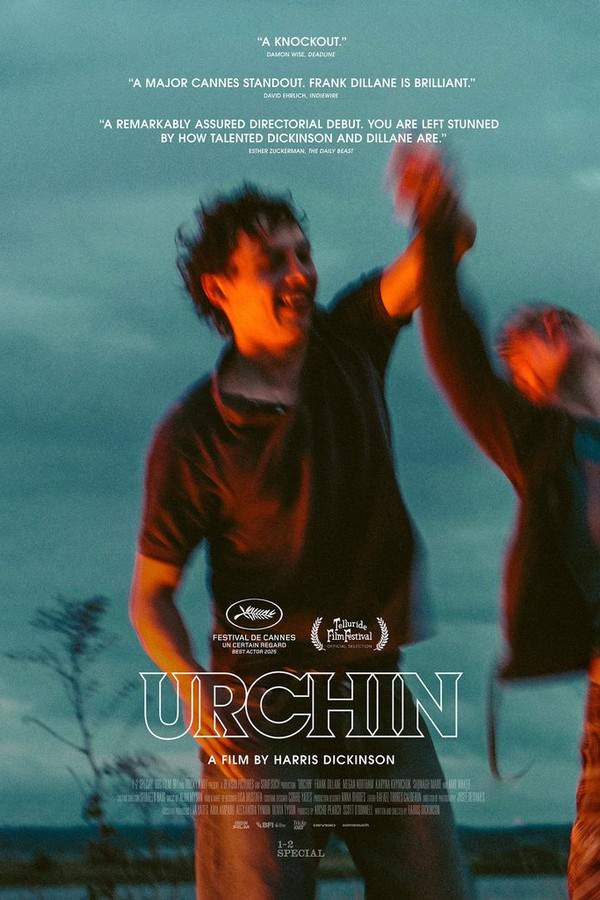
Urchin (2025) movie poster

Timeline

Urchin (2025) Timeline Explained – Every Event in Order

Release, runtime and language
2025 · 1 h 39 m · English
Echo score 76
Loading streaming availability…
Starring
Amr Waked, Harris Dickinson, Megan Northam, Frank Dillane, Angela Bain, Amerjit Deu

Mike scrapes a living on London’s streets, constantly hustling while evading noisy roadside evangelists and a treacherous friend who refuses to repay stolen cash. Soon the law catches up with him. As he tries to rebuild his life, he jumps between jobs as a line‑cook and a waste‑collector, seeking community even as his self‑destructive urges linger.

On this page (6)
  1. 1 Where to watch
  2. 2 Events in order (15)
  3. 3 Timeline questions answered
  4. 4 Movie threads
  5. 5 Movies like Urchin
  6. 6 Every angle
Loading streaming availability…

15 events in order · contains spoilers

Urchin Timeline: Events in Chronological Order

Every key event of Urchin (2025) in order, scene by scene, with when and where it takes place. Use it to untangle flashbacks, time jumps and parallel storylines, to refresh your memory before the sequel or to find the exact scene you are thinking of.

  1. Morning encounter with the violinist

    In London, Mike, a homeless young man, accepts money from an older couple and goes about his morning. He begins to notice a mysterious older woman playing violin and staring at him, a haunting presence that seems to follow him. The sight hints at something unusual looming in his life.

    When
    morning
    Where
    London streets
  2. Wallet disappears and accusation

    Mike discovers his wallet is missing and immediately blames his friend Nathan. A heated argument erupts outside a café, drawing the attention of passersby. The tension underscores Mike’s fragile grip on trust and safety in his world.

    Where
    Outside a café
  3. Simon offers help

    Simon steps in and tries to help Mike, offering support and a chance at a meal as they walk together. It’s a small moment of kindness in a harsh city, hinting at a possible ally. Mike is wary but willing to accept the gesture for the moment.

    Where
    Along the street
  4. betrayal and theft

    In a shocking turn, Mike knocks Simon unconscious, steals his watch, and heads to a pawn shop to dispose of it. The act marks a violent break from any previous moral boundaries and spirals him toward legal trouble. The adrenaline-fueled theft is fueled by desperation and fear.

    Where
    Outside, then pawn shop
  5. Arrest and prison processing

    Police detain Mike after CCTV footage confirms the assault and theft. He is remanded to prison as the case unfolds, feeling the weight of his actions for the first time on a public stage. He calls his mother, who gives a cold, distant response that underscores his lack of support.

    Where
    On the street to prison
  6. Release and Nadia's support

    Upon release, Mike is warned by a prison officer not to return. He meets Nadia, a sympathetic social worker who helps with reintegration, and is placed in a hostel. The encounter marks the first sustained push toward rebuilding a life outside crime.

    Where
    Prison release area / Hostel
  7. Adoption truth and the violin omen

    Mike opens up to Nadia about being adopted and lacking meaningful family support. That night, he hears odd breathing and sees the violin woman again, reinforcing the sense that unseen forces are steering his path. The eerie repetition deepens his psychological tension.

    Where
    Hostel / Nighttime
  8. Surreal cavern vision during a shower

    A dreamlike vision unfolds as a drain-pipe leads Mike into a dark cavern where the violin player prepares something. The sequence blends his reality with unsettling fantasy, suggesting a deeper, possibly supernatural current to his life. It leaves him unsettled upon waking.

    Where
    Dream space / Dark cavern
  9. Job interview prep and Nathan interruption

    At a charity shop, Mike finds clothes for a chef job interview, but Nathan unexpectedly appears, prompting him to flee. The encounter highlights the tension between Mike’s past affiliations and his attempts at a fresh start. It sets the stage for a more formal opportunity to prove himself.

    Where
    Charity shop
  10. Franco hires for a trial shift

    During the interview, Mike admits his criminal record, yet Franco, the restaurant owner, hires him for a trial shift. This marks a hopeful turning point as Mike begins to rebuild his life through work and routine. The kitchen becomes a new arena where he hopes to channel his energy differently.

    Where
    Restaurant kitchen
  11. Mediation with Simon and the daughter's distress

    Back in the context of Simon’s mediated meeting, Simon shares how the incident affected his daughter and family, which visibly unsettles Mike. Confronting the consequences of his violence forces him to reflect on his actions. It deepens the moral weight of his previous choices.

    Where
    Restaurant / Mediation space
  12. Work falters and firing

    Mike’s performance declines at the restaurant; food is mishandled and he clashes with a coworker. Franco ultimately fires him for unreliability, pushing him back toward his old, unstable routine. The setback underscores his fragile grasp on reform.

    Where
    Restaurant kitchen
  13. Andrea, dance show, and painful flashbacks

    Returning to refuse collection, Mike bonds with Andrea, and they sleep together before attending a dance show. The night triggers flashbacks of him beating Simon after knocking him out, horrifying him and driving him to flee the event. The moment crystallizes the consequences of his violence.

    Where
    Refuse collection route / Dance show
  14. Relapse and the spiral into night life

    Feeling hollow, Mike’s hostel stay ends and he slides back onto the streets, slipping into intoxication and confrontation in a nightclub. A bouncer ejects him and a failed liquor heist leaves him dangerously exposed and exhausted. The cycle of relapse accelerates his decline.

    Where
    Nightclub / Shop
  15. Final traversal toward darkness

    Seeking shelter again, Mike follows the violinist into a dark space behind a drain and into a stone hallway that leads toward a chapel. Nathan, robed and holding an altar head, guides him to a door that drops him into a void. He curls into the fetal position as darkness closes in, suggesting an existential surrender.

    Where
    Dark cavern / Chapel / Void

Last updated: December 04, 2025 at 15:32

Was this helpful?

Timeline questions answered

Urchin Timeline Explained: Your Questions Answered

When does it happen, and why in that order? The questions people ask about the chronology of Urchin (2025): time jumps, flashbacks, cause and effect between scenes and the correct order of events, each answered with spoilers.

Q1

Why does Mike attack Simon after he helps him?

Mike assaults Simon because he's overwhelmed by desperation and paranoia. When Simon offers him a sandwich, an act of kindness, Mike's instinctual response is to take what he can get rather than accept help. He knocks Simon unconscious, steals his watch, and sells it at a pawn shop. This violent reaction stems from his street-hardened worldview where vulnerability is dangerous, and taking is safer than receiving. The attack also reveals Mike's self-destructive pattern: just as he begins to receive genuine help, he sabotages it.

Foreshadowing: Earlier, Mike immediately suspects Nathan of stealing his wallet, showing his instinct to attack before asking questions.

  • mike attacks simon
  • why mike stole
  • homeless violence
  • desperation crime
Q2

Who is the mysterious violin woman that keeps appearing?

The violin woman remains ambiguous throughout the film. She appears multiple times, at first staring at Mike on the street, then in his hostel room at night, and finally guiding him toward the dark cavern at the end. She seems to represent something beyond ordinary reality, possibly a psychopomp guiding souls, a manifestation of his psychological state, or a symbol of death itself. Her presence intensifies during his moments of greatest vulnerability and addiction, suggesting she may be a liminal figure between life and whatever comes after.

Foreshadowing: Her first appearance happens right after Mike accepts money from the older couple, marking a turning point into darker territory.

  • violin woman
  • mysterious woman
  • psychopomp
  • death symbol
Q3

What is Mike's history with his friend Nathan?

Mike and Nathan have a complicated friendship rooted in street life. Nathan owes Mike money from some previous transaction, and Mike feels betrayed by this debt. Their relationship is fraught with mutual dependency, Mike relies on Nathan for connection and cash, while Nathan appears to have found some stability with Mary, which makes Mike's continued grasping feel threatening. The final scene reveals a strange ritualistic connection between them, with Nathan guiding Mike to the door that leads into the void, suggesting a deeper, possibly supernatural bond beyond ordinary friendship.

Foreshadowing: The wallet accusation early on establishes their fraught dynamic, and Mike's desperate attempts to borrow money from Nathan throughout the film show his inability to let go.

  • mike nathan
  • nathan friend
  • street friends
  • mike owes money
Q4

Why does Mike keep failing at his attempts to rebuild his life?

Mike fails repeatedly because his trauma, addiction, and violent impulses override his ability to sustain change. Even when he lands the chef job, a genuine opportunity, he can't manage his emotions. A minor workplace complaint sends him into a rage, and he gets fired. His violent flashback at the dance show, where he remembers beating Simon, sends him fleeing from connection with Andrea. Each attempt at normalcy triggers deeper panic, as if his body and mind resist stability. The film suggests his childhood trauma, particularly his adoption and his mother's rejection, left him unable to trust any path that requires patience and vulnerability.

Foreshadowing: His immediate assault of Simon after receiving kindness foreshadows his inability to accept help without sabotaging it.

  • mike fails
  • job loss
  • reintegration
  • homeless cycle
  • addiction recovery
Q5

What does the final scene where Mike falls into the void mean?

The final scene suggests Mike has reached a point of total surrender, whether to death, a cult-like ritual, or complete psychological dissolution. After months of relapse and spiraling, he follows the violin woman into a stone hallway toward what appears to be a chapel. Nathan, wearing a robe, greets him at an altar with a head sculpture, suggesting either a literal killing, an induced death through drugs, or a metaphorical descent into the self. Mike curls into the fetal position as darkness takes him, representing either peaceful surrender or existential oblivion. The ambiguity is intentional, leaving whether this is suicide, murder, or a drug-induced hallucination unclear.

Foreshadowing: The recurring surreal visions throughout, particularly the dark cavern from the shower scene, build toward this final descent.

  • final scene
  • void
  • ending explained
  • mike death
  • ritual
  • nathan chapel
Q6

Why is Mike's adoption significant to the story?

Mike revealing he's adopted to Nadia connects his present instability to his origins. He tells Nadia he lacks any meaningful family support, suggesting his adoptive family either rejected him or never provided genuine belonging. This early abandonment likely contributes to his inability to form stable relationships or trust systems. When his mother answers his prison call coldly, it reinforces that family has never been a reliable anchor for him. His adoption backstory explains why connection feels impossible, he was never securely attached to a family that wanted him, making the chaos of street life feel more familiar than the structure of conventional society.

Foreshadowing: His mother's cold response to his prison call directly confirms the family rejection hinted at by his adoption disclosure.

  • adoption
  • mike family
  • orphan
  • childhood trauma
  • abandonment
Q7

Why does learning about Simon's daughter affect Mike so strongly?

The mediated meeting forces Mike to confront the real consequences of his violence. When Simon describes how the assault affected his daughter and family, Mike experiences empathy he usually avoids. For the first time, his victim isn't abstract, Simon becomes a father with a child traumatized by Mike's actions. This moment cracks open Mike's defensive shell, creating the brief possibility of genuine accountability. However, the realization comes too late to change his path; he remains unable to sustain this moral awakening, and it becomes another moment of insight he can't translate into lasting change.

Foreshadowing: Mike's violent flashback at the dance show directly follows this meeting, showing how deeply the daughter's distress unsettled him.

  • simon daughter
  • mediation
  • guilt
  • violence consequences
  • mike remorse
Q8

What do the surreal dream sequences represent?

The surreal visions, especially the dark cavern accessed through drain pipes, represent Mike's psychological descent and possible encounters with death. These sequences interrupt the harsh realism to show his fractured mental state. The cavern appears during vulnerable moments: after his shower and in the final sequence. The violin woman preparing something in the cavern suggests she controls these liminal spaces. These scenes could be literal drug-induced hallucinations, metaphors for his psychological collapse, or hints that something supernatural is guiding his fate toward the void.

Foreshadowing: The first cavern vision occurs after he opens up to Nadia about his adoption, showing how vulnerability triggers these darker visions.

  • dream sequence
  • cavern
  • surreal
  • hallucination
  • psychological breakdown
Q9

What is Nathan doing at the altar in the final scene?

Nathan appears at the altar in ceremonial robes with a head sculpture, suggesting he belongs to some kind of group or has undergone a transformation Mike knows nothing about. The hug between them feels genuine rather than predatory, and Nathan's action of throwing Mike through the door could be an act of mercy, ending his suffering, or something more sinister. Whether Nathan has joined a cult, become involved in ritualistic activity, or is simply a figment of Mike's drug-addled mind remains unclear. The scene implies Nathan understood what Mike needed, even if that need was oblivion.

Foreshadowing: Nathan's calm demeanor when reclaiming excess money from Mike earlier showed his mysterious stability amid Mike's chaos.

  • nathan altar
  • cult
  • ritual
  • mike nathan final scene
  • religious imagery
Q10

Why does Mike's mother respond so coldly to his prison call?

Mike's mother gives a cold, distant response when he calls from prison, revealing the fractured nature of their relationship. Combined with his earlier disclosure to Nadia about being adopted with no meaningful family support, this shows his mother either cannot or will not provide emotional backing. The coldness suggests years of disappointment, his repeated failures, or perhaps resentment about his adoption. Her response reinforces Mike's isolation, no family anchor exists to pull him back from the streets, leaving only institutions like Nadia's support system, which also proves insufficient.

Foreshadowing: His admission to Nadia about lacking family support foreshadows this maternal rejection.

  • mike mother
  • prison call
  • family rejection
  • homeless family

Movie threads

More Movies Like Urchin, by Mood & Story

Curated lists built around what makes Urchin tick: the same mood, the same kind of story or the same emotional payoff. Each list explains why these movies belong together.

Gritty survival dramas like Urchin

Raw, unsentimental portraits of desperate lives on the margins of society. Movies like Urchin that explore the harsh realities of homelessness, poverty, and social exclusion. If you were drawn to the raw, unsentimental depiction of Mike's struggle on London's streets, these films offer similar intense journeys of characters scraping by on the margins of society.

  • gritty
  • desperate
  • oppressive
  • anxious
  • lonely
  • raw
  • Tone: dark, bleak, melancholic
  • Pacing: variable, oscillating between steady struggle and chaotic desperation
Why these movies?

The story pattern: Narratives in this thread typically follow a protagonist navigating the brutal logistics of daily survival—finding shelter, food, and fleeting moments of human connection. The journey is often cyclical, punctuated by small acts of desperation, brief glimmers of hope, and the ever-present pull of self-destructive tendencies, rarely offering easy solutions.

Why they belong together: These films are grouped by their shared commitment to gritty realism, high emotional intensity, and a focus on social struggle. They create a palpable sense of place, often in oppressive urban environments, and are united by a dark, melancholic tone that refuses to look away from difficult truths.

Psychological character studies like Urchin

Stories where a character's mental state fractures, blurring reality and delusion. If you appreciated the complex psychological portrait and surreal elements in Urchin, this list features movies with similar ambiguous character arcs. These films explore mental health crises, self-destruction, and narratives where the line between reality and a character's broken psyche becomes blurred.

  • surreal
  • anxious
  • melancholic
  • complex
  • desperate
  • unsettling
  • Tone: dark, melancholic, anxious
  • Pacing: variable, shifting with the character's psychological state
Why these movies?

The story pattern: The narrative pattern involves a protagonist grappling with internal turmoil, which manifests in the story's structure through flashbacks, hallucinations, or symbolic visions. The plot is driven as much by the character's deteriorating mental state as by external events, culminating in an ending that questions what was real and what was imagined.

Why they belong together: These movies are connected by their complex narrative structure, which blends harsh realism with psychological surrealism. They share a heavy emotional weight, a variable pacing that mirrors mental instability, and a dominant tone of deep melancholy and anxiety, focusing on the theme of a fractured self.

If you liked this

Movies Like Urchin

Similar movies to Urchin: the same genre, themes or kind of story. Each one comes with its own plot summary, timeline and ending explained.

Browse all movie summaries

Every angle

Urchin (2025) Explained: Plot, Ending, Timeline & Characters

Everything about Urchin in one place: what happens in the plot summary, the timeline in chronological order, the characters and meaning, the ending explained and a spoiler-free summary. What's After the Movie adds the cast, box office and post-credit scenes.

Coming soon on iOS and Android

The Plot Explained Movie Summary App

Plot summaries, endings explained and timelines on your phone. Catch up on any movie in minutes, save your favorites and never miss a twist again.

Be the first to know when we launch. Your email stays private, always.

Learn more about the app