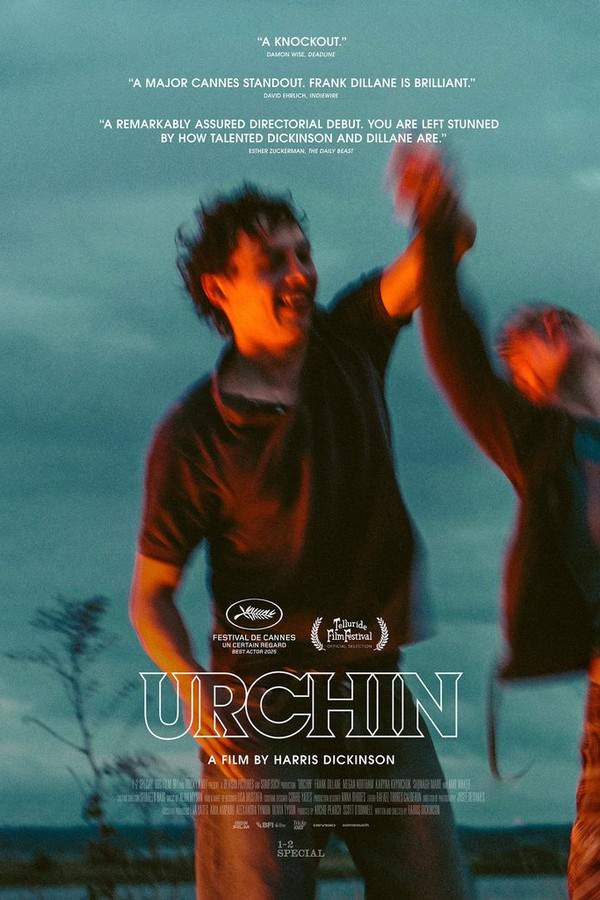
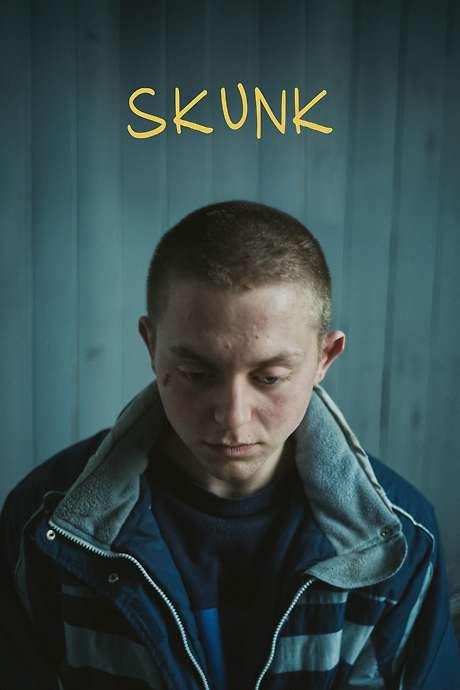
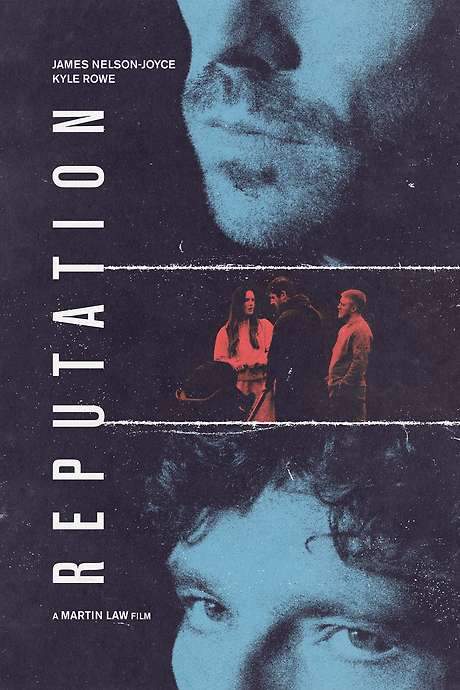
Mike is a homeless young man in London, navigating the harsh realities of addiction and poverty with a wary sense of resilience. One gray morning, he accepts a small amount of cash from an older couple, hoping it will help him scrape by for another day. But as he moves through the city, a different, more unsettling scene intrudes: an older woman, calmly playing a violin, stares at him with an intensity that feels almost otherworldly. The moment sticks with him, a quiet omen that something is amiss in his world.
Soon after, he discovers his wallet has vanished. In a tense shuffle outside a café, he accuses his friend, Nathan, of theft. The accusation erupts into a heated confrontation, until a passerby named Simon steps in to mediate. Mike recovers his wallet and, in a grudging moment of gratitude, apologizes to Simon, who offers to buy him a sandwich and a moment of human connection amid the chaos of Mike’s life. Yet the encounter cracks open a darker path. As they walk, Mike’s resolve falters and, without warning, he knocks Simon unconscious, seizes his watch, and hurries to a pawn shop to liquidate the item he has stolen. The law catches up with him outside, CCTV footage seals the outcome, and he is remanded to prison, where a stern reality checks his shaky sense of control. He dials his mother, but her response is cold, underscoring his lack of a solid support system and foreshadowing the loneliness that will shadow him.
Upon release, a sharp warning from a prison officer—do not come back—lands like another wall in a life that already feels closed off. He crosses paths with Nadia, a sympathetic ally who helps him navigate the process of reintegration and secures him a temporary hostel placement. Mike reveals a painful truth: he is adopted and has never experienced genuine family support, a revelation that adds another layer to his longing for belonging. One night, the violinist reappears in the margins of his perception—breathing in a way that seems almost alive—with the camera lingering on a surreal drain-pipe that snags the water and moods his dreams, drawing him toward an increasingly cavernous, dreamlike space.
A possible path to normalcy seems to open when he spots clothes at a charity shop suitable for a chef job interview. He dresses for success, but the moment Nathan appears again unsettles him, forcing him to flee. At the interview, he admits his criminal record, a stain that could derail any chance of stability. Franco, the restaurant owner, sees something in him and offers him a trial shift. The kitchen becomes a stage where Mike begins to inhabit a rhythm that temporarily supplants his addictions and anxieties. He meshes with the team, continues to meet with Nadia, and learns that a mediated meeting with Simon is in the works—a possibility that promises accountability and perhaps some form of repair for the pain he has caused.
Work brings its own tests. When a customer lodges a complaint, Mike’s instinct is to resist, then to comply, but the tension between impulse and responsibility surfaces as he loses focus and retreats to the storeroom. The dreamlike visions intensify, offering another glimpse of the cave-like space behind the world he knows. During the mediated meeting, Simon speaks of the distress his daughter and family suffered due to the incident, and Mike’s reaction is a jolt of impotence and guilt—an emotional exposure that reveals how deeply his actions have affected others.
Back on the floor of the kitchen, performance begins to deteriorate. Food is sent back, tempers flare, and a coworker becomes a flashpoint as Mike’s sense of belonging fractures. Franco’s decision is clear: Mike is fired for unreliability. The job that felt like a doorway to order dissolves, and he returns to his previous role as a refuse collector, a position that keeps him on the margins but still connected to the rhythms of the city. He finds an unexpected bond with Andrea, a coworker with whom he shares a night of intimacy, and this new closeness briefly warms him. They attend a dance show together, and the emotional heat of the performance triggers a torrent of flashbacks: the moment he beat Simon after knocking him out. The memory horrifies him, and he bolts from the venue, tearing at the threads of his new connections.
Security and stability evaporate as his hostel stay ends. He drifts back to the streets, and in a desperate bid to reclaim a sense of security, he tries to reconnect with Nathan. Nathan is sober now, living with a woman named Mary, and their quiet life contrasts sharply with Mike’s turbulent existence. Mike borrows money but is unable to restrain himself from attempting to take more; Nathan asserts boundaries and Mary’s calm, distant presence underscores the ache of Mike’s escalating instability. The night becomes a theater of ruin: intoxication, a nightclub confrontation, and a brutal bouncer who hurls him against a wall. In a reckless moment, Mike tries to steal liquor from a shop, only to collapse from exhaustion as the world tilts.
He eventually returns to a shelter he used to call home months earlier, a place that now seems far away. After consuming more drugs, he again encounters the violin player, stepping from a shadow into the beam of a dim corridor. He follows into a vast stone hallway that feels both ancient and alive. The space seems to pull him downward toward a chapel-like room, where the violinist is poised at the edge of something unknowable. Mike drifts into another chamber where Nathan sits in a robe before an alter topped with a carved head. They share a hug, a momentary anchor in the tumult. Nathan then leads Mike toward a door that suddenly yanks open, propelling him into a void. Mike tumbles through darkness, and as the scene closes, he curls into a fetal position, seemingly at peace in a realm where escape might finally be possible, or perhaps where the journey ends and nothing remains but shadows.
The film traverses hardship and desire, guilt and mercy, with a patient, observant gaze that never overdramatizes a life lived on the edge. It builds a quiet, unnerving atmosphere through Mike’s experiences and the recurring, dreamlike visions of the cavern and the violinist, suggesting that the line between reality and the things we fear or fail to confront may be thinner than it appears.




-WnKdfG4vURdHlA.jpg)