Plot Explained Spoilers guaranteed!
Plot Explained

Browse by genre

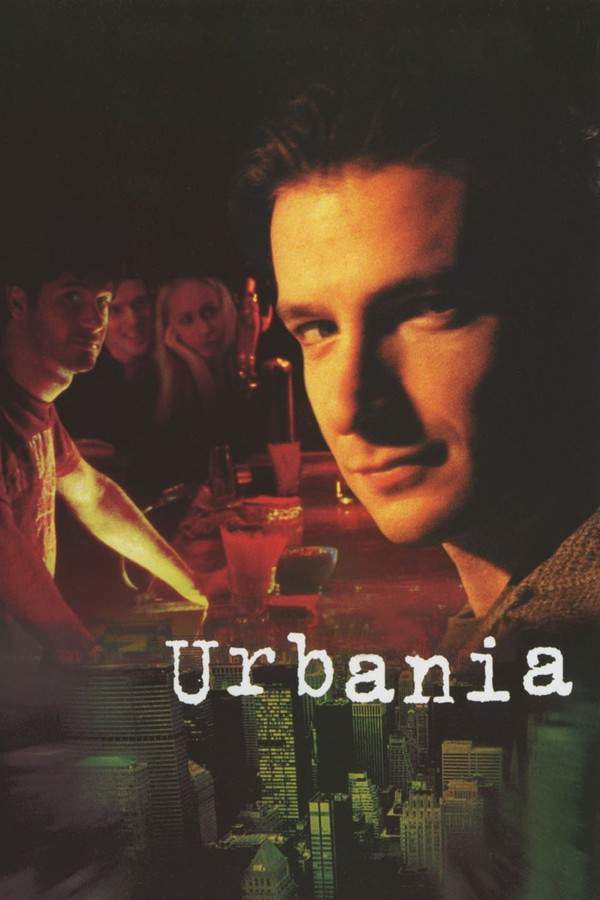
Urbania (2000) movie poster

Timeline

Urbania (2000) Timeline Explained – Every Event in Order

Release, runtime and language
2000 · 103 min · English
Loading streaming availability…
Directed by
Jon Matthews
Starring
Dan Futterman, Scott Denny

Charlie's life is irrevocably changed, and he embarks on a journey to find redemption amidst the chaotic streets of Urbania. Guided by a mysterious figure, he descends into the city's darker side, confronting blurred lines between reality and obsession. Along the way, he reconnects with old friends and forges new alliances, all while facing a reckoning that promises to change his path forever.

On this page (6)
  1. 1 Where to watch
  2. 2 Events in order (14)
  3. 3 Timeline questions answered
  4. 4 Movie threads
  5. 5 Movies like Urbania
  6. 6 Every angle
Loading streaming availability…

14 events in order · contains spoilers

Urbania Timeline: Events in Chronological Order

Every key event of Urbania (2000) in order, scene by scene, with when and where it takes place. Use it to untangle flashbacks, time jumps and parallel storylines, to refresh your memory before the sequel or to find the exact scene you are thinking of.

  1. Sleepless night begins

    Charlie cannot sleep after masturbating to the sound of his upstairs neighbors having sex, and the night stretches out ahead of him. He slips out into the city, prowling the streets in search of a man he believes he slept with months before. The night feels unreal as his mind wanders between memory and impulse.

    When
    late night
    Where
    Charlie's apartment and surrounding city streets
  2. Messages to Chris

    Along the walk, Charlie dials home and leaves a string of messages on Chris's answering machine, trying to explain or erase what he did. The messages reveal fear, guilt, and a desperate attempt to communicate. The moment underscores that his cheating is not a simple fling but part of a larger entanglement.

    When
    late night
    Where
    City streets
  3. Strange flashes

    As he moves through the night, Charlie experiences jarring flashes — a man’s mouth, the sound of breaking glass, and a blood-stained shirt — that blur the line between memory and waking dream. These visions foreshadow violence and hint at the trauma he carries. They feel like waking dreams intruding on the street.

    Where
    City streets
  4. Confrontation with upstairs neighbors

    He crosses paths with his upstairs neighbors and tells them about his masturbation, a revealing moment that exposes his guilt and the fragility of his secrets. The awkward exchange highlights the vulnerability of his concealed acts and the way his world is built on censorship. The encounter punctuates how the night has begun to unravel.

    Where
    Upstairs apartment building
  5. A possible partner

    He encounters a potential sex partner, glimpsing a chance at intimacy that is quickly complicated by his plan to find Dean. The flirtation is tense, artificial, and serves to propel Charlie toward the man he intends to confront. The scene underscores the performative lie Charlie is living.

    Where
    City streets
  6. Meeting Dean

    Charlie, pretending to be straight, buys Dean drinks and shares a joint, allowing Dean to set the pace for their night. Dean's bigotry is laid bare as he spouts racist, sexist, and homophobic lines, complicating any possible connection. The uneasy camaraderie foreshadows the violence to come.

    Where
    A bar
  7. Dean's cruising plan

    Dean leads Charlie to a gay cruising area in search of victims, while Charlie privately warns away a potential target. The power dynamic is troubling: the intoxicated Dean dominates the night, and Charlie is calculating, keeping his own plans covert. The scene moves the couple toward the marsh where the revenge will unfold.

    Where
    Gay cruising area
  8. Abduction to the marsh

    Dean becomes increasingly incapacitated by alcohol and drugs and Charlie enters Dean's car, driving him to a marshy, secluded area. The remote setting primes the confrontation and creates a sense of inevitability about what Charlie intends. The journey marks the transition from deception to confrontation.

    Where
    Marshland
  9. Backstory revealed

    As hinted earlier, Dean and two accomplices attacked Charlie months ago, raping him and murdering Chris in what appears to be a hate crime. This history explains Charlie's motive and his haunted, vengeful resolve. The revelation reframes the night as a reckoning rather than a simple violent encounter.

    When
    Months earlier
    Where
    Unspecified location (months earlier)
  10. Confrontation in the marsh

    In a brutal confrontation, Charlie forces Dean to kneel and perform with a knife pressed to his skin, discovering an erection and a chilling moment of control. Dean suffers an epileptic seizure, and Charlie slits his throat, ending the threat and enacting his revenge. The act is presented as both punishment and relief, a culmination of long-suppressed rage.

    When
    Night
    Where
    Marshland
  11. Escape and aftermath

    Charlie's car becomes the getaway as he drives away, leaving Dean to his fate in the marsh. He is haunted by the act he committed, even as he escapes into the night. The murder reshapes Charlie's sense of safety and complicates his relationship with Chris's memory.

    Where
    Marsh area
  12. Memorial and hallucinatory farewell

    Back in the night, Charlie stands before a makeshift memorial near where Chris was killed and confronts the ghost of what he's done. He experiences a final hallucinatory flash of himself cradling Chris, then kisses him goodbye as Chris seemingly disappears. The scene blends memory, guilt, and wronged love, sealing his vow to sleep.

    Where
    Makeshift memorial near Chris's death site
  13. Return home and sleep

    Charlie makes it home and, at long last, falls asleep for the first time since the tormented night began. The sleep is both relief and oblivion, a fragile escape from the memory of violence. The ending suggests a cautious ambiguity about whether closure is possible.

    Where
    Charlie's home
  14. Urban legends framing

    Throughout, the film frames its events through urban legends, with characters recounting or reenacting them to blur fiction and reality. This device deepens Charlie's isolation and invites the audience to question what actually happened. The motif ties together the night’s surreal rhythm.

    Where
    Various locations in the film

Last updated: November 22, 2025 at 15:57

Was this helpful?

Timeline questions answered

Urbania Timeline Explained: Your Questions Answered

When does it happen, and why in that order? The questions people ask about the chronology of Urbania (2000): time jumps, flashbacks, cause and effect between scenes and the correct order of events, each answered with spoilers.

Q1

Why is Charlie looking for Dean in Urbania?

Charlie is seeking revenge against Dean because months earlier, Dean and two accomplices attacked both Charlie and his boyfriend Chris in what appears to be a hate crime. Chris was raped and murdered during the attack, while Charlie survived. Charlie spent the sleepless night tracking Dean down to confront him about this traumatic event.

Foreshadowing: Earlier flashes of a blood-stained shirt and a bottle breaking hint at the violent attack that occurred months ago.

  • dean
  • charlie
  • revenge
  • hate crime
  • chris murder
Q2

What happened to Chris in the movie?

Chris was Charlie's boyfriend who was raped and murdered by Dean and two other men in a hate crime attack months before the events of the film. This traumatic event is the catalyst for Charlie's entire night of vengeance and explains his guilt-ridden state as he roams the city.

Foreshadowing: Charlie's repeated calls to Chris's answering machine throughout the night reveal his unresolved grief and guilt about the loss.

  • chris death
  • hate crime
  • murder
  • charlie boyfriend
Q3

Does Charlie actually kill Dean in Urbania?

No. Although Charlie intends to kill Dean and confronts him at the marsh with a knife, he ultimately cannot go through with the act. When Dean collapses from an epileptic seizure, Charlie slits his throat but then drives away, leaving Dean alive in the marsh. Later, Charlie admits to Chris's ghost that he wanted to kill Dean but couldn't bring himself to do it.

Foreshadowing: The scene at the marsh builds tension toward murder, but Charlie's hesitation is established through his conflicted messages to Chris throughout the night.

  • dean death
  • killing
  • revenge
  • charlie mercy
Q4

Why does Charlie pretend to be straight when meeting Dean?

Charlie pretends to be straight to get close to Dean without raising suspicion. Dean is openlybigoted, spouting racist and homophobic remarks throughout their meeting. Charlie uses Dean's assumptions to gain his trust and lead him to the isolated marsh area where he can confront him about the attack.

Foreshadowing: Charlie's performative straightness at the bar contrasts with the truth revealed later about Dean's violent homophobia.

  • dean
  • charlie deception
  • homophobia
  • bigotry
Q5

What are the strange flashes Charlie experiences throughout the night?

The flashes Charlie experiences, visions of a man's mouth, a bottle breaking, and a man in a blood-stained shirt, are fragmented memories of the traumatic attack that happened months earlier. These waking dreams blur the line between reality and memory, representing his psychological fragmentation and the trauma he has been carrying.

Foreshadowing: These visions gradually build toward the full revelation of what Dean did to Charlie and Chris.

  • memories
  • trauma
  • flashbacks
  • violence
  • hate crime
Q6

Why does Charlie warn away a potential victim at the cruising area?

Even though Charlie is there to confront Dean, he cannot stand by and let Dean harm another innocent person. This moment reveals Charlie's moral conflict, he is on a personal vendetta but still has a conscience about preventing new victims. It also shows how Dean's predatory behavior has continued since the original attack.

Foreshadowing: Charlie's protective action contrasts with his own vulnerability as a past victim of Dean's violence.

  • dean
  • victim
  • warning
  • cruising area
  • predator
Q7

Why does Charlie keep calling Chris's answering machine?

Charlie repeatedly calls home and leaves messages on Chris's answering machine because Chris is dead. These messages reveal Charlie's guilt, desperation, and unresolved grief. He is trying to explain his actions and seek forgiveness from someone who can no longer respond, highlighting his psychological state throughout the night.

Foreshadowing: The messages establish the emotional core of Charlie's torment from the beginning of the film.

  • chris
  • answering machine
  • guilt
  • messages
  • grief
Q8

What does Charlie do to Dean at the marsh?

At the marsh, Charlie forces Dean to drop his pants and is revolted to discover Dean has an erection. He then forces Dean to perform oral sex on the blade of a knife. When Dean suffers an epileptic seizure, Charlie slits his throat. This brutal act is Charlie's attempt at both revenge and humiliation of the man who destroyed his life.

Foreshadowing: Dean's behavior at the bar, leading Charlie to a cruising area to find victims, sets up this darker confrontation.

  • dean
  • marsh
  • knife
  • sexual assault
  • revenge
Q9

What is the significance of the urban legends in the film?

Throughout Urbania, the film presents Charlie's story in the form of urban legends, with characters recounting or reenacting them. This narrative device blurs the line between fact and fiction, inviting viewers to question what actually happened versus what may be Charlie's traumatized perception. It also ties into the film's exploration of stories people tell to explain violence and tragedy.

Foreshadowing: The urban legend framing appears early and continues throughout, reinforcing the film's unreliable narrator quality.

  • urban legends
  • narrative device
  • storytelling
  • reality blur
Q10

Why can Charlie finally sleep at the end of the movie?

Charlie is finally able to sleep because he has confronted his trauma head-on. Although he didn't kill Dean, he faced him and enacted a form of psychological revenge. His final visit to the memorial and hallucinatory farewell to Chris represent a tentative closure, allowing his tortured mind to rest after the sleepless night of reckoning.

Foreshadowing: The entire film builds toward this moment of psychological release, following Charlie's confrontation with both Dean and Chris's memory.

  • sleep
  • closure
  • ending
  • charlie
  • resolution
Q11

What was Charlie and Dean's previous encounter?

Charlie and Dean had a brief encounter months before the film's events, though Dean does not remember Charlie. Charlie likely approached Dean at a similar cruising area, not knowing who Dean was. This encounter was the gateway to the hate crime attack that killed Chris, though Charlie initially may not have connected Dean to the assault until later.

Foreshadowing: Charlie's search for this specific man he 'saw several months earlier' directly leads to the revenge plot.

  • dean
  • charlie
  • past encounter
  • cruising area
Q12

What does Charlie's final hallucination of Chris represent?

In the final hallucination, Charlie sees himself on the street cradling a dying Chris, then kisses him goodbye as Chris disappears. This represents Charlie's psychological processing of survivor's guilt and his need to say goodbye. It symbolizes his ability to finally let go of the trauma, even if the closure is ambiguous and comes through delusional rather than real reconciliation.

Foreshadowing: This hallucination completes the emotional arc that began with Charlie's calls to Chris's answering machine.

  • chris
  • hallucination
  • goodbye
  • survivor guilt
  • memorial

Movie threads

More Movies Like Urbania, by Mood & Story

Curated lists built around what makes Urbania tick: the same mood, the same kind of story or the same emotional payoff. Each list explains why these movies belong together.

Nocturnal trauma quests like Urbania

Characters wandering city streets at night, haunted by grief and seeking closure. Movies like Urbania where a protagonist embarks on a psychologically intense, nocturnal journey through a city to process trauma or seek revenge. These stories often feature a blurring of reality, heavy emotional weight, and a dark, brooding atmosphere.

  • nocturnal
  • brooding
  • obsessive
  • hallucinatory
  • lonely
  • vengeful
  • Tone: dark, melancholic, vengeful
  • Pacing: variable, meandering tension
Why these movies?

The story pattern: The narrative typically begins with a traumatic inciting event that sends the protagonist on a solitary, often aimless walk through a city at night. Their journey is psychological as much as physical, marked by flashbacks, hallucinations, and encounters that force them to confront their pain, leading to a climactic reckoning.

Why they belong together: These movies are grouped by their shared use of the nocturnal urban setting as a psychological space, a heavy focus on processing trauma, and a narrative structure that blends reality with the protagonist's distressed mental state, creating a specific, immersive mood of lonely obsession.

Psychological revenge thrillers like Urbania

Stories where the quest for vengeance fractures the protagonist's grip on reality. If you liked Urbania's take on a revenge story driven by psychological trauma and a blurred sense of reality, you'll find similar films here. These thrillers focus on the mental descent of the avenger as much as the act of vengeance itself.

  • vengeful
  • obsessive
  • suspenseful
  • hallucinatory
  • anxious
  • brooding
  • Tone: dark, tense, obsessive
  • Pacing: variable, building to confrontation
Why these movies?

The story pattern: Driven by a grievous wrong, the protagonist becomes single-mindedly focused on retribution. Their journey is psychologically fraught, employing non-linear storytelling, dream sequences, and unreliable perspectives to mirror their deteriorating mental state, often leading to a climax where the distinction between justice and obsession collapses.

Why they belong together: They share a core narrative device: using a revenge plot to explore a character's psychological unraveling. The similarity lies in the blurred reality, the high emotional intensity, and the focus on the corrosive nature of obsession rather than a straightforward action payoff.

If you liked this

Movies Like Urbania

Similar movies to Urbania: the same genre, themes or kind of story. Each one comes with its own plot summary, timeline and ending explained.

Browse all movie summaries

Every angle

Urbania (2000) Explained: Plot, Timeline & Characters

Everything about Urbania in one place: what happens in the plot summary, the timeline in chronological order, the characters and meaning and a spoiler-free summary. What's After the Movie adds the cast, box office and post-credit scenes.

Coming soon on iOS and Android

The Plot Explained Movie Summary App

Plot summaries, endings explained and timelines on your phone. Catch up on any movie in minutes, save your favorites and never miss a twist again.

Be the first to know when we launch. Your email stays private, always.

Learn more about the app