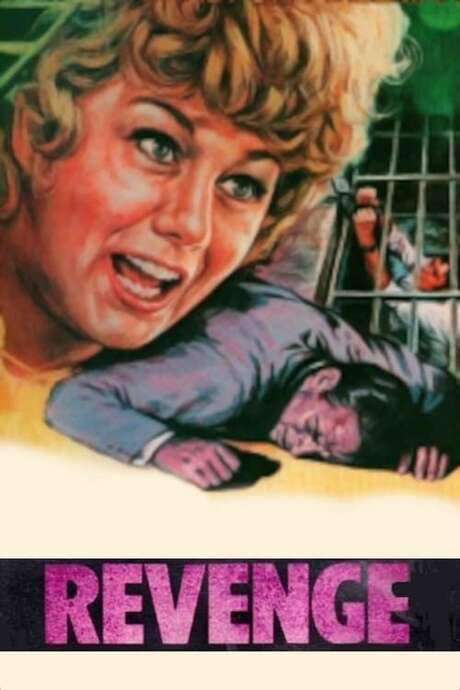
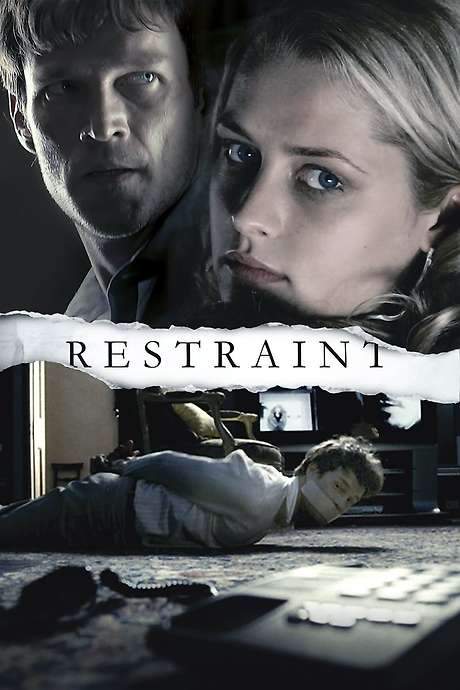
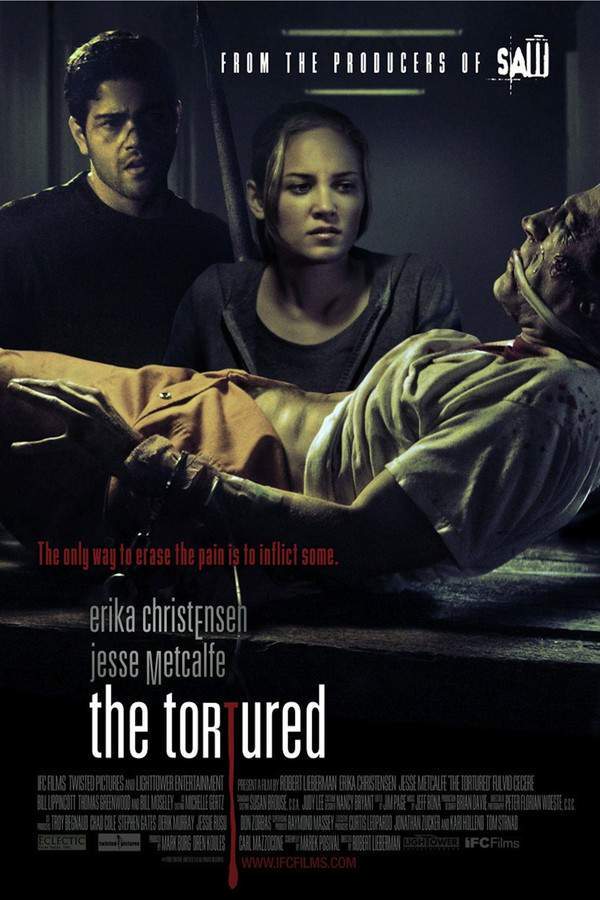
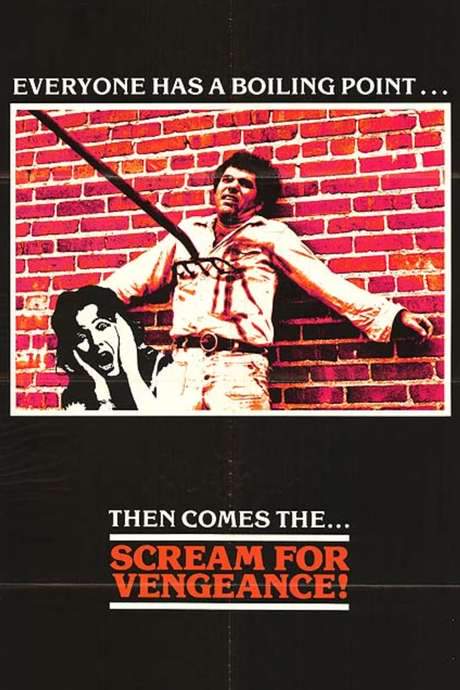
In this tense drama, grief and vengeance collide as a small-town pub becomes the stage for a haunting moral dilemma. Pub landlords Jim and Carol Radford are still reeling from the loss of their young daughter Jenny, a tragedy that is later revealed to have been committed by a man named Seely. Jim, who also has two children from his first marriage, Lee and Jill, grapples with a storm of anger, guilt, and protectiveness, while Carol navigates fear and maternal resolve. Seely is arrested for Jenny’s murder, but the case collapses for reasons of evidence, leaving the family to confront a troubling truth: Seely is also suspected of being involved in the death of Jim’s friend's daughter, widening the circle of suspicion and fear.
The quiet figure of Seely, living a hermit-like life, becomes an unsettled touchstone for the community. He is seen at a primary school near his home, watching the children, a detail that unsettles many and casts a shadow over how the town perceives him. The image of Seely as a potential monster haunting the edges of ordinary life fuels a growing paranoia among those who think justice has not been served. The tension is not only about Jenny’s death but about how a community processes trauma, rumor, and the desire for retribution.
Seeking revenge, Harry and Lee press Jim toward a drastic, dangerous plan. They urge him to kidnap Seely and hold him in the cellar beneath Jim’s own pub. After some persuasion, Jim agrees, and the plan unfolds in a way that tests loyalty, moral boundaries, and the limits of family solidarity. Seely is captured, beaten, and confined underground, a decision that fractures the Radford household and raises questions about what vengeance might cost the living left behind.
The decision to keep Seely hidden beneath the pub exerts pressure on every aspect of life. The family’s unity is strained as they confront the consequences of their actions. Jim’s sense of duty toward his children collides with his desire to see justice served in his own terms. Carol’s protective instinct becomes a point of friction, especially as she actively resists the brewery’s routine, even blocking the delivery of stock by the men who keep the pub running. The tension surrounding the cellar magnifies the strains between the adults, while the livelihoods and daily rhythms of the Radford household begin to crumble under the weight of fear and guilt.
Doubt surfaces and loyalties fracture as questions about Seely’s guilt intensify. The possibility that Seely may be innocent unsettles Jim, Harry, and Lee, generating mistrust and re-evaluations of who deserves punishment and who might deserve mercy. The drama dwells on the emotional cost of taking the law into one’s own hands and the uneasy quiet that follows such decisions. Relationships that once seemed solid—between Jim and Carol, between Jim, Harry, and Lee—start to buckle under the pressure, exposing the vulnerability at the heart of a family already marked by loss.
Throughout, the film threads together themes of grief, justice, and the heavy burden of vigilante choices. It invites viewers to witness how a single act of vengeance reverberates through a home, a business, and a community, complicating the idea of closure when the truth remains tangled and uncertain. The narrative remains steadfast in its focus on the human faces behind the headlines: parents who mourn, friends who crave accountability, and a man who becomes a focal point of something darker than crime itself. In the end, the story lingers on the line between righteous anger and the moral consequences of taking the law into one’s own hands, leaving the Radford family—and the audience—confronted with a sobering reflection on how far people will go to protect what they love, and at what cost.