





Plot Explained Spoilers guaranteed!
Plot Explained

Browse by genre

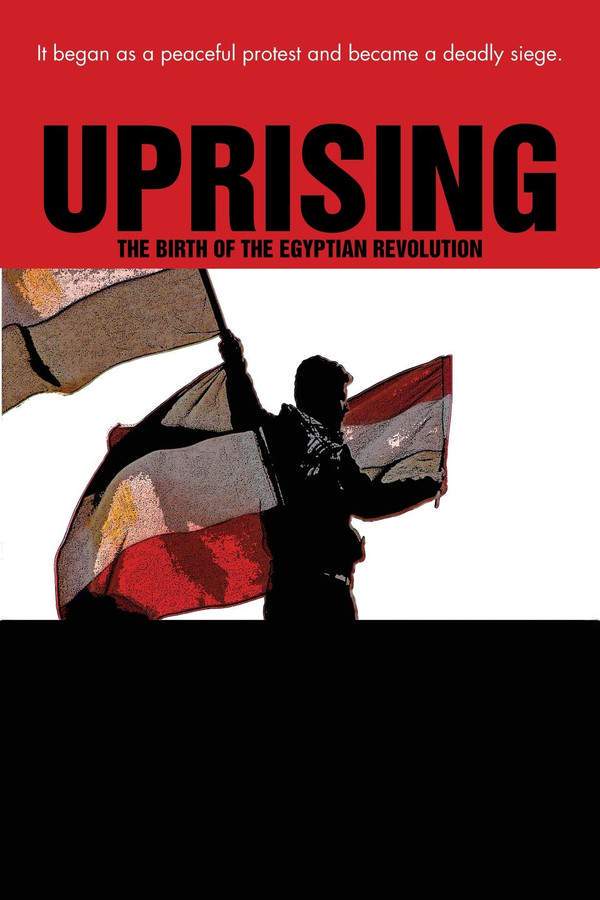
Uprising (2001) movie poster

Characters & Themes

Uprising (2001) Characters, Setting & Themes Explained

Release, runtime and language
2001 · 177 min · English
Directed by
Jon Avnet

During the 2011 Egyptian revolution, a nation stood against decades of oppressive rule. This film weaves together the experiences of revolutionaries, prominent leaders, and international diplomats. Through their personal accounts, it explores the crucial events and sacrifices that defined the uprising against Hosni Mubarak and forever changed the course of Egyptian history.

On this page (8)
  1. 1 Where to watch
  2. 2 Characters explained (3)
  3. 3 Where & when it takes place
  4. 4 Themes & meaning (3)
  5. 5 Character & meaning questions
  6. 6 Movie threads
  7. 7 Movies like Uprising
  8. 8 Every angle

Where to watch

Where to Watch Uprising (2001)

Where can you watch Uprising? Stream, rent or buy it in the US, including on Amazon Video, Apple TV Store and Fandango At Home: current JustWatch availability with up-to-date prices.

Streaming availability powered by JustWatch

3 main characters · contains spoilers

Uprising Characters Explained: Who Is Who

The main characters of Uprising (2001), heroes and villains: what drives them, how they change over the course of the story and what each of them reveals about the film's bigger ideas.

  • Adam Czerniaków

    Head of the Judenrat in the Warsaw Ghetto, Czerniaków wrestles with the impossible demand to carry out German orders while trying to protect his people. He embodies the conflict between administrative duty and moral responsibility, often torn between dreaded German reprisals and the lives of the Jews under his care.

    • 🧭 Leadership
    • ⚖️ Moral Dilemma
    • 🛡️ Duty
  • Mordechai Anielewicz

    A central leader in the Jewish Combat Organization, Anielewicz helps lay the groundwork for organized resistance. He is driven by a resolve to defend the ghetto and preserve the honor of the Jewish people, even at great personal risk.

    • 🛡️ Resistance
    • 🧭 Strategy
    • 🎖️ Courage
  • Yitzhak Zuckerman

    A key organizer within the Jewish Combat Organization, Zuckerman coordinates clandestine operations and tactical planning. He emphasizes practical action and resilience, helping to transform desperation into organized resistance.

    • 🪖 Fighters
    • 🧭 Strategy
    • 🗺️ Leadership

Last updated: November 22, 2025 at 15:29

Was this helpful?

Setting

Where and When Does Uprising Take Place?

The setting of Uprising (2001): the year and time period, the places and locations, and how they shape the characters, the mood and the tension of the story.

Time period

1939–1943

The events begin with the 1939 invasion of Poland and the subsequent occupation, escalating into mass deportations to Treblinka. By 1942–1943, deportations intensify, driving the community toward organized resistance. The uprising officially begins in April 1943, marking one of the most notable acts of Jewish defiance during the Holocaust.

Location

Warsaw Ghetto, Warsaw, Poland

The film unfolds inside the Warsaw Ghetto, a densely populated district established under German occupation in Poland during World War II. It depicts the daily struggle, starvation, and bureaucratic control imposed on Jewish residents through the Judenrat. Hidden shelters, basements, and tunnels become strategic havens as the community contends with deportations and the looming threat of extermination.

  • 🏙️ War-torn
  • 🧭 Jewish Ghetto
  • 🕰️ WWII Poland

Last updated: November 22, 2025 at 15:29

Was this helpful?

3 major themes

Uprising Meaning: Themes & Message Explained

What is Uprising (2001) really about? The emotional, social and philosophical themes the film keeps returning to, its symbolism and the message beneath the surface.

  • Moral Dilemmas

    The narrative centers on how individuals navigate ethics under an oppressive regime. Leaders must balance survival with the obligation to protect, often facing impossible choices. The film probes what it means to stay humane when orders authorize murder and coercion.

  • Resistance and Uprising

    Mordechai Anielewicz and Yitzhak Zuckerman organize clandestine resistance through the Jewish Combat Organization. They plan to shield their people, using bunkers and tunnels to stage a defense against raids. The story emphasizes courage, sacrifice, and collective action in the face of annihilation.

  • Dehumanization and Deportation

    The ghetto’s reality is shaped by the dehumanizing process of confinement and deportation to extermination camps. The film contrasts bureaucratic cruelty with human resilience, highlighting moments of mercy and solidarity amid horror. It also underscores memory as a counterforce to erasure and brutality.

Last updated: November 22, 2025 at 15:29

Was this helpful?

Character & theme questions

Uprising Characters & Meaning: Your Questions Answered

The questions people ask about Uprising (2001): who the characters really are, their relationships, what the symbols mean, where it takes place and what the movie is really about. Each answer contains spoilers.

Q1

Where is the film Uprising set?

The film takes place in the Warsaw Ghetto, a densely populated district in Warsaw, Poland, established by German occupation forces during World War II. The ghetto was enclosed with walls and barbed wire, confining Jewish residents to a small area where they faced extreme overcrowding, starvation, and systematic oppression.

  • warsaw ghetto
  • poland
  • setting
  • world war ii
Q2

When does the story take place?

The events span from the 1939 German invasion of Poland through the escalating deportations to Treblinka, culminating in the Warsaw Ghetto Uprising which officially began in April 1943. The film covers roughly four years of occupation and resistance.

  • 1939
  • 1943
  • world war ii
  • timeline
  • april 1943
Q3

What was the Warsaw Ghetto?

The Warsaw Ghetto was a Jewish quarantine zone established by Nazi Germany in occupied Poland. It confined hundreds of thousands of Jewish residents into a tiny area, subjecting them to severe overcrowding, food deprivation, forced labor, and constant threat of deportation to extermination camps. The Judenrat, a Jewish council, was forced to administer the ghetto under German orders.

  • ghetto
  • judenrat
  • nazism
  • occupied poland
  • deportation
Q4

What are the main themes explored in Uprising?

The film explores three core themes: moral dilemmas faced by leaders who must balance survival with ethical obligations under oppressive rule; resistance and uprising as a form of dignity and defiance against annihilation; and dehumanization, showing how systematic confinement and deportation were used to strip victims of their humanity while highlighting moments of solidarity and resilience.

  • themes
  • moral dilemmas
  • resistance
  • dehumanization
  • solidarity
Q5

Who is Adam Czerniaków?

Adam Czerniaków was the head of the Judenrat, the Jewish council forced to administer the Warsaw Ghetto under German orders. He faced the impossible task of carrying out Nazi commands while trying to protect his people, embodying the deep conflict between administrative duty and moral responsibility. His character represents the impossible choices faced by Jewish leaders during the Holocaust.

  • adam czerniakow
  • judenrat
  • leader
  • moral compromise
Q6

Who is Mordechai Anielewicz?

Mordechai Anielewicz was a central leader in the Jewish Combat Organization (ŻOB), which organized armed resistance in the Warsaw Ghetto. He helped plan and coordinate the defense against German raids, using bunkers and tunnels to shield residents. His leadership embodied the determination to fight for dignity and honor rather than submit to deportation.

  • mordechai anielewicz
  • jewish combat organization
  • resistance leader
Q7

Who is Yitzhak Zuckerman?

Yitzhak Zuckerman was a key organizer within the Jewish Combat Organization who coordinated clandestine operations and tactical planning. He helped transform desperation into organized resistance, emphasizing practical action and resilience as the ghetto faced near-certain destruction.

  • yitzhak zuckerman
  • jewish combat organization
  • tactical planning
Q8

What was the Jewish Combat Organization?

The Jewish Combat Organization (Żydowska Organizacja Bojowa, ŻOB) was an underground resistance group formed in the Warsaw Ghetto. Led by figures like Mordechai Anielewicz and Yitzhak Zuckerman, it organized armed resistance against German deportation raids, using hidden bunkers and tunnels to stage defense and ultimately spark the April 1943 uprising.

  • jewish combat organization
  • żob
  • armed resistance
  • underground
Q9

What does the film say about resistance during the Holocaust?

The film presents resistance as a powerful assertion of human dignity in the face of annihilation. It shows how individuals organized clandestinely, planning to defend their community and preserve honor despite overwhelming military force. The uprising in April 1943 became one of the most notable acts of Jewish defiance during the Holocaust, demonstrating that victims chose to fight rather than go passively to their deaths.

  • resistance
  • uprising
  • defiance
  • dignity
  • armed struggle
Q10

How does the film portray moral dilemmas under oppression?

The narrative examines how individuals navigate ethics when forced to carry out orders that authorize murder and coercion. Leaders like Czerniaków face impossible choices between German reprisals and the lives of Jews under their care. The film probes what it means to remain humane when the system itself is designed to strip away morality and humanity.

  • moral dilemmas
  • ethics
  • leadership
  • impossible choices
  • survival
Q11

How does the film address dehumanization and deportation?

The film depicts the systematic process of dehumanization through confinement, forced registration, and bureaucratic cruelty. It shows how deportations to extermination camps like Treblinka were carried out as part of a calculated effort to erase an entire people. Against this horror, the film highlights moments of mercy and solidarity, emphasizing memory as a counterforce to erasure and brutality.

  • dehumanization
  • deportation
  • treblinka
  • solidarity
  • memory
  • erasure
Q12

What is the historical significance of the Warsaw Ghetto Uprising?

The Warsaw Ghetto Uprising, which began in April 1943, was one of the most notable acts of Jewish armed resistance during World War II. Despite being vastly outgunned and outnumbered, ghetto fighters held out for weeks against German forces, making a powerful statement about human dignity and resistance to genocide. The uprising became a symbol of defiance and is commemorated annually on Yom HaShoah.

  • historical significance
  • april 1943
  • jewish resistance
  • world war ii
  • genocide

Movie threads

More Movies Like Uprising, by Mood & Story

Curated lists built around what makes Uprising tick: the same mood, the same kind of story or the same emotional payoff. Each list explains why these movies belong together.

Movies about desperate uprisings like Uprising

Stories of ordinary people risking everything to fight a brutal regime. If you appreciated the courageous defiance in Uprising, explore these similar films about historical rebellions and acts of collective resistance. These movies share the gripping tension and high emotional stakes of fighting against an oppressive system, often with bittersweet or tragic endings.

  • defiant
  • gripping
  • desperate
  • courageous
  • tragic
  • somber
  • Tone: dark, defiant, tragic
  • Pacing: steady, building momentum
Why these movies?

The story pattern: Stories in this thread typically follow the emergence of a resistance movement from a state of oppression. They focus on the logistical and moral challenges of organizing, the internal conflicts within the group, and the climactic, often sacrificial, confrontation with the ruling power.

Why they belong together: Movies are grouped here for their shared focus on high-intensity defiance narratives, their dark and somber tone, and the emotionally heavy exploration of what it costs to stand up against tyranny. They create a powerful, gripping, and often tragic viewing experience.

Sobering historical dramas with a tragic feel like Uprising

Emotionally draining films that honor the painful truths of history. For viewers who were moved by the heavy emotional weight and somber tone of Uprising, this section features similar serious historical films. These movies are characterized by their steady pacing, dark tone, and commitment to portraying the tragic dimensions of real-world conflicts and atrocities.

  • somber
  • tragic
  • gripping
  • oppressive
  • serious
  • historical
  • Tone: dark, somber, tragic
  • Pacing: steady, methodical
Why these movies?

The story pattern: The narrative pattern follows a linear, often fact-based historical arc, delving into the personal experiences of those caught in the event. The journey is typically one of escalating hardship and loss, leading to an ending that is somber and reflective, emphasizing remembrance over triumph.

Why they belong together: These films are united by their shared mood of somber gravity, a dark and steady tone, and a commitment to historical authenticity even when it leads to a heartbreaking conclusion. They provide a deeply immersive and emotionally resonant, though difficult, viewing experience.
If you liked this

Movies Like Uprising

Similar movies to Uprising: the same genre, themes or kind of story. Each one comes with its own plot summary, timeline and ending explained.

Browse all movie summaries

Every angle

Uprising (2001) Explained: Plot, Timeline & Characters

Everything about Uprising in one place: what happens in the plot summary, the timeline in chronological order, the characters and meaning and a spoiler-free summary. What's After the Movie adds the cast, box office and post-credit scenes.

Coming soon on iOS and Android

The Plot Explained Movie Summary App

Plot summaries, endings explained and timelines on your phone. Catch up on any movie in minutes, save your favorites and never miss a twist again.

Be the first to know when we launch. Your email stays private, always.

Learn more about the app