





Plot Explained Spoilers guaranteed!
Plot Explained

Browse by genre

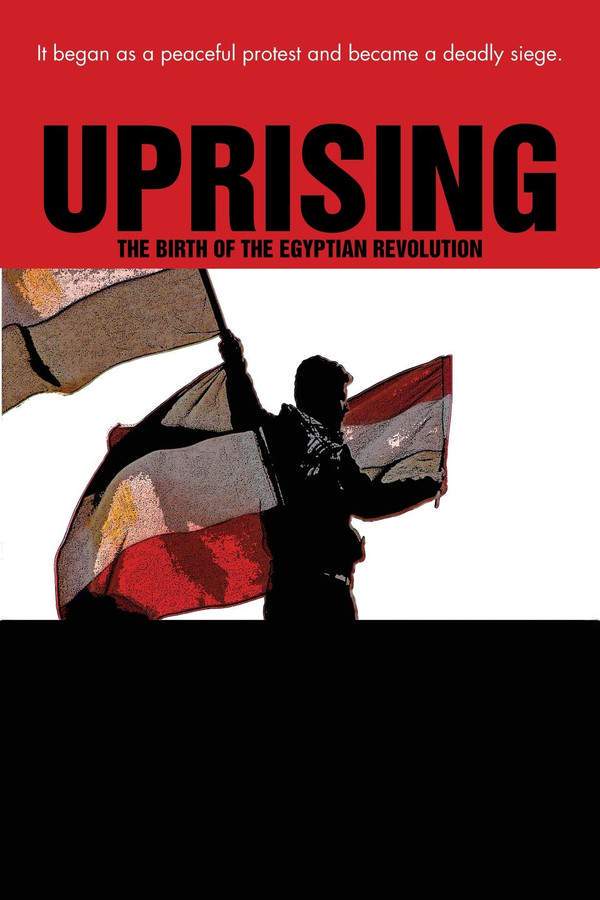
Uprising (2001) movie poster

Timeline

Uprising (2001) Timeline Explained – Every Event in Order

Release, runtime and language
2001 · 177 min · English
Directed by
Jon Avnet

During the 2011 Egyptian revolution, a nation stood against decades of oppressive rule. This film weaves together the experiences of revolutionaries, prominent leaders, and international diplomats. Through their personal accounts, it explores the crucial events and sacrifices that defined the uprising against Hosni Mubarak and forever changed the course of Egyptian history.

On this page (6)
  1. 1 Where to watch
  2. 2 Events in order (12)
  3. 3 Timeline questions answered
  4. 4 Movie threads
  5. 5 Movies like Uprising
  6. 6 Every angle

Where to watch

Where to Watch Uprising (2001)

Where can you watch Uprising? Stream, rent or buy it in the US, including on Amazon Video, Apple TV Store and Fandango At Home: current JustWatch availability with up-to-date prices.

Streaming availability powered by JustWatch

12 events in order · contains spoilers

Uprising Timeline: Events in Chronological Order

Every key event of Uprising (2001) in order, scene by scene, with when and where it takes place. Use it to untangle flashbacks, time jumps and parallel storylines, to refresh your memory before the sequel or to find the exact scene you are thinking of.

  1. Invasion and ghetto regulation

    On 1 September 1939, Germany invades Poland and soon a regulation orders all Polish Jews to move into the Warsaw Ghetto. A Judenrat is installed to administer life inside the ghetto under German control. The atmosphere is one of coercion and escalating control.

    When
    1 September 1939
    Where
    Warsaw, Poland
  2. Czerniaków becomes head of the Judenrat

    Adam Czerniaków assumes leadership of the Judenrat, the body tasked with implementing German directives in the ghetto. He is forced to weigh morally fraught orders, including the deportations to Treblinka. His decisions reveal the tension between communal protection and obedience to occupiers.

    When
    1939-1942
    Where
    Warsaw Ghetto
  3. Deportations to Treblinka intensify

    By the end of 1942, deportations to Treblinka become a grim and accepted reality among ghetto residents. The realization of doom unsettles the community and deepens the sense of urgency to act. The Judenrat and residents confront the moral cost of surviving under occupation.

    When
    End of 1942
    Where
    Warsaw Ghetto
  4. Foundations of organized resistance take shape

    Mordechai Anielewicz and Yitzhak Zuckerman lay the groundwork for the Jewish Combat Organization (ZOB), marking the formal start of organized armed resistance. Fighters begin coordinating clandestine activities and training.

    When
    1942-1943
    Where
    Warsaw Ghetto
  5. Moral dilemmas of resistance emerge

    The film explores the central question: how to stay moral in an immoral society. Czerniaków and other leaders debate whether resistance should proceed given the risk of brutal German reprisals. The tension between ethics and survival runs through the ghetto leadership.

    When
    1942-1943
    Where
    Warsaw Ghetto
  6. A decision to rebel is taken

    A group of Polish Jews decide to rebel and to protect the honor of the Jewish people, beginning to organize the community for resistance. The act signals a turning point from passive suffering to collective defiance.

    When
    1942-1943
    Where
    Warsaw Ghetto
  7. Residents build bunkers and hidden shelters

    In the interlude before large-scale fighting, residents construct hidden shelters in basements and cellars, with tunnels linking buildings. These refuges provide tactical advantages and a sense of preparedness.

    When
    1942-1943
    Where
    Warsaw Ghetto
  8. January 18, 1943: a raid is repelled

    The Nazis raid the ghetto again on January 18, 1943, but the organized resistance manages to repel or halt the raid. The JCO's presence disrupts the Germans' ability to control the ghetto. This moment marks a tangible shift toward sustained resistance.

    When
    18 January 1943
    Where
    Warsaw Ghetto
  9. The uprising readies as German threat looms

    After the January raid, the ghetto's resistance intensifies its preparations, securing weapons and planning for a larger confrontation. The sense of impending escalation grows among residents.

    When
    1943
    Where
    Warsaw Ghetto
  10. German forces return and the uprising erupts

    On 19 April 1943, German forces return to the ghetto and the Warsaw Ghetto Uprising officially begins. A handful of fighters take to the shelters, using tunnels and defensive positions to resist. The uprising becomes a symbol of collective defiance.

    When
    19 April 1943
    Where
    Warsaw Ghetto
  11. The defenders' tactical advantage

    The fighters' possession of weapons, though limited, allows them to fight from bunkers and cellars, leveraging defensible positions against overwhelming odds. Their resilience gives the uprising a real, if tragic, dynamism.

    When
    1943
    Where
    Warsaw Ghetto
  12. The moral burden of leadership persists

    The film closes by underscoring the ongoing moral questions faced by leaders like Czerniaków and Anielewicz, as the uprising unfolds under impossible circumstances. It highlights the humanity amid brutality and the attempt to preserve dignity under occupation.

    When
    1943
    Where
    Warsaw Ghetto

Last updated: November 22, 2025 at 15:58

Was this helpful?

Timeline questions answered

Uprising Timeline Explained: Your Questions Answered

When does it happen, and why in that order? The questions people ask about the chronology of Uprising (2001): time jumps, flashbacks, cause and effect between scenes and the correct order of events, each answered with spoilers.

Q1

Why did Adam Czerniakow agree to lead the Judenrat?

Adam Czerniakow became head of the Judenrat because he was a respected community leader tasked with implementing German directives in the ghetto. He believed he could protect the community by cooperating, though he was eventually forced to carry out orders that led to deportations to Treblinka, including those of his own people. His tragic position illustrates the impossible moral compromises faced by Jewish leaders under Nazi occupation.

Foreshadowing: Early scenes show Czerniakow's community standing and his initial hope that negotiation might save lives.

  • adam czerniakow
  • judenrat
  • ghetto leadership
  • moral compromise
Q2

What was the Jewish Combat Organization (ZOB)?

The Jewish Combat Organization, known by its Polish acronym ZOB, was the main underground armed resistance group formed in the Warsaw Ghetto. Founded by Mordechai Anielewicz and Yitzhak Zuckerman in 1942-1943, it organized defensive operations, coordinated weapons acquisition, and eventually led the uprising in April 1943. It represented the first organized Jewish military resistance during World War II.

Foreshadowing: The film establishes the growing desperation in the ghetto that made armed resistance seem like the only remaining option.

  • zob
  • jewish combat organization
  • mordechai anielewicz
  • yitzhak zuckerman
  • armed resistance
Q3

Why did the ghetto fighters decide to rebel despite being severely outgunned?

The fighters chose to resist because surrender meant almost certain death in Treblinka, while fighting offered at least a chance to defend their dignity and delay the German operation. The January 18, 1943 raid, when the resistance successfully halted a German deportation action, proved that organized resistance could work and convinced many that armed defiance was justified.

Foreshadowing: The successful repulsion of the January 1943 raid demonstrated that the resistance could actually resist.

  • ghetto fighters
  • armed resistance
  • dignity
  • defiance
  • treblinka
Q4

How did the bunker system help the ghetto defenders?

Residents built extensive networks of hidden shelters, bunkers, and tunnels connecting buildings throughout the ghetto before the April 1943 uprising. These隐蔽strongholds allowed fighters to engage German forces, then retreat to safety and strike again from different positions. This guerrilla tactics gave the outnumbered defenders an advantage and allowed the uprising to last far longer than expected.

Foreshadowing: Earlier scenes show residents construction work in basements and cellars, creating underground passages.

  • bunkers
  • tunnels
  • defensive positions
  • ghetto architecture
  • guerrilla tactics
Q5

What happened on January 18, 1943 in the Warsaw Ghetto?

On January 18, 1943, Nazi forces raided the Warsaw Ghetto for another round of deportations, but this time encountered organized resistance from the Jewish Combat Organization. The fighters successfully repelled the raid, forcing the Germans to temporarily withdraw. This was the first major military victory for the resistance and marked a turning point from passive suffering to active defiance.

Foreshadowing: The film builds toward this moment as the resistance organizes and arms itself.

  • january 18 1943
  • raid
  • deportation
  • resistance victory
  • german withdrawal
Q6

Why is April 19, 1943 considered a pivotal date?

April 19, 1943 marks the official start of the Warsaw Ghetto Uprising, when German forces returned to the ghetto and were met with organized armed resistance. On this day, fighters using the bunker network engaged German troops, beginning an uprising that would last nearly a month. This date became a powerful symbol of Jewish resistance against the Holocaust.

Foreshadowing: The film gradually builds tension toward this date as the resistance completes its preparations.

  • april 19 1943
  • uprising start
  • ghetto battle
  • symbol of resistance
Q7

What moral dilemmas did the resistance leaders face?

Resistance leaders grappled with the central question of how to remain moral in an immoral society. They debated whether armed resistance would provoke brutal German reprisals and endanger the lives of those they sought to protect. Some argued resistance was a matter of honor, while others feared it would only accelerate the annihilation of the community.

Foreshadowing: The film weaves this ethical tension throughout, particularly through Czerniakow's internal conflict.

  • moral dilemma
  • ethics
  • resistance debate
  • honor
  • survival
Q8

Why did Czerniakow continue as Judenrat leader even when ordered to facilitate deportations?

Czerniakow continued believing he could protect more lives by staying in his position and negotiating with the Germans. However, when ordered to hand over Jewish children for deportation, he realized his role had become counterproductive to saving lives. He ultimately took his own life rather than participate further in the destruction of his community.

  • czerniakow suicide
  • deportation orders
  • children
  • leadership failure
  • moral dilemma
Q9

How did the resistance acquire weapons for the uprising?

The Jewish Combat Organization obtained weapons through smuggling, purchasing on the black market, and clandestine manufacturing within the ghetto. Weapons were hidden in the bunker network and distributed to fighters as the confrontation with German forces became inevitable. Despite limited supplies, the fighters managed to arm enough members to mount a sustained defense.

Foreshadowing: Earlier scenes show secretive exchanges and the growing tension around weapon procurement.

  • weapons smuggling
  • black market
  • weapon supply
  • underground
  • armament
Q10

What tactical advantages did the ghetto fighters have?

Though outgunned and outnumbered, the fighters benefited from intimate knowledge of the densely-built ghetto terrain, an extensive network of tunnels and bunkers, and the element of surprise. They could attack, retreat, and regroup in positions the Germans could not easily penetrate. This allowed them to sustain resistance for weeks against a heavily armed professional military force.

Foreshadowing: The film emphasizes how the bunker construction and terrain knowledge became critical to survival.

  • tactical advantage
  • tunnels
  • terrain knowledge
  • urban warfare
  • ghetto fighters

Movie threads

More Movies Like Uprising, by Mood & Story

Curated lists built around what makes Uprising tick: the same mood, the same kind of story or the same emotional payoff. Each list explains why these movies belong together.

Movies about desperate uprisings like Uprising

Stories of ordinary people risking everything to fight a brutal regime. If you appreciated the courageous defiance in Uprising, explore these similar films about historical rebellions and acts of collective resistance. These movies share the gripping tension and high emotional stakes of fighting against an oppressive system, often with bittersweet or tragic endings.

  • defiant
  • gripping
  • desperate
  • courageous
  • tragic
  • somber
  • Tone: dark, defiant, tragic
  • Pacing: steady, building momentum
Why these movies?

The story pattern: Stories in this thread typically follow the emergence of a resistance movement from a state of oppression. They focus on the logistical and moral challenges of organizing, the internal conflicts within the group, and the climactic, often sacrificial, confrontation with the ruling power.

Why they belong together: Movies are grouped here for their shared focus on high-intensity defiance narratives, their dark and somber tone, and the emotionally heavy exploration of what it costs to stand up against tyranny. They create a powerful, gripping, and often tragic viewing experience.

Sobering historical dramas with a tragic feel like Uprising

Emotionally draining films that honor the painful truths of history. For viewers who were moved by the heavy emotional weight and somber tone of Uprising, this section features similar serious historical films. These movies are characterized by their steady pacing, dark tone, and commitment to portraying the tragic dimensions of real-world conflicts and atrocities.

  • somber
  • tragic
  • gripping
  • oppressive
  • serious
  • historical
  • Tone: dark, somber, tragic
  • Pacing: steady, methodical
Why these movies?

The story pattern: The narrative pattern follows a linear, often fact-based historical arc, delving into the personal experiences of those caught in the event. The journey is typically one of escalating hardship and loss, leading to an ending that is somber and reflective, emphasizing remembrance over triumph.

Why they belong together: These films are united by their shared mood of somber gravity, a dark and steady tone, and a commitment to historical authenticity even when it leads to a heartbreaking conclusion. They provide a deeply immersive and emotionally resonant, though difficult, viewing experience.
If you liked this

Movies Like Uprising

Similar movies to Uprising: the same genre, themes or kind of story. Each one comes with its own plot summary, timeline and ending explained.

Browse all movie summaries

Every angle

Uprising (2001) Explained: Plot, Timeline & Characters

Everything about Uprising in one place: what happens in the plot summary, the timeline in chronological order, the characters and meaning and a spoiler-free summary. What's After the Movie adds the cast, box office and post-credit scenes.

Coming soon on iOS and Android

The Plot Explained Movie Summary App

Plot summaries, endings explained and timelines on your phone. Catch up on any movie in minutes, save your favorites and never miss a twist again.

Be the first to know when we launch. Your email stays private, always.

Learn more about the app