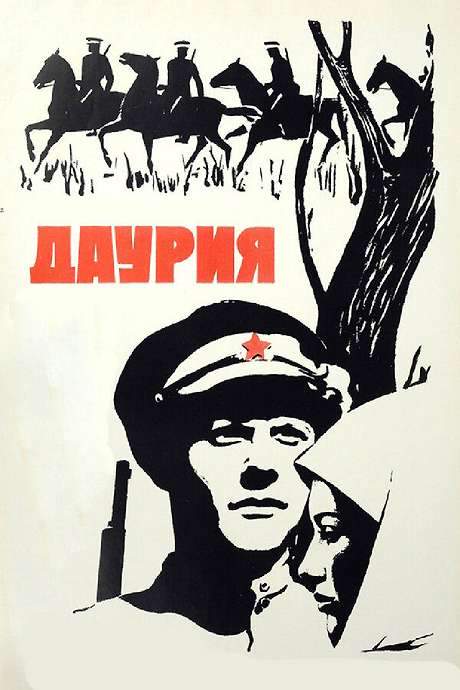
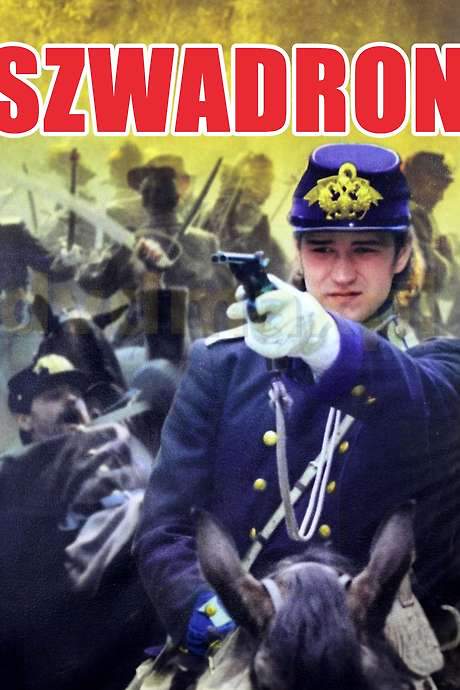
In a world reshaped by the Russian army’s triumph in Paris, the once‑familiar map of Europe has been turned on its head. The capital of France is now a gilded showcase of imperial might, and Russia’s ascendancy casts a long, restless shadow over the continent. The film opens on a continent humming with the promise—and the peril—of an era that could remake societies, while the streets of St. Petersburg pulse with the restless energy of a new generation unwilling to accept the old order.
At the heart of this restless tide is a cadre of young, privileged officers whose education and privilege have given them both a sense of entitlement and a hunger for change. Sergey Muravyov‑Apostol arrives from a diplomatic upbringing, carrying in his mind the flicker of liberal ideals first sparked by a meeting with Napoleon himself. He finds comrades in Kondraty Ryleyev, a poet whose verses echo the yearning for liberty; Mikhail Bestuzhev‑Ryumin, a fervent republican whose charisma draws others into secret discussion; Pavel Pestel, a seasoned veteran whose battlefield experience fuels his political resolve; and Prince Sergey Trubetskoy, a noble whose inner conflict pits lineage against conscience. Their gatherings crackle with intellectual fervor, each debate a delicate dance between reverence for tradition and an appetite for a constitutional future.
The tone of the film is a blend of brooding grandeur and electric optimism. Opulent ballrooms and austere military barracks sit side by side, reflecting the duality of their world—a place where grandeur masks unease. The officers’ relationships are layered: camaraderie forged in shared ambition, rivalry sharpened by differing visions, and an undercurrent of personal sacrifice that binds them tighter than any oath. Their secret societies become crucibles where philosophy meets action, and the weight of their noble birth is constantly measured against the possibility of a more equitable society.
Against this backdrop, the young officers contemplate the ultimate price of their conviction. They are prepared to jeopardize status, fortunes, personal bonds, and even the nation itself, driven by a belief that the moment for change has finally arrived. The film pulses with the tension of those unspoken calculations, leaving the audience to wonder how far idealism can stretch before it collides with the immutable forces of history.