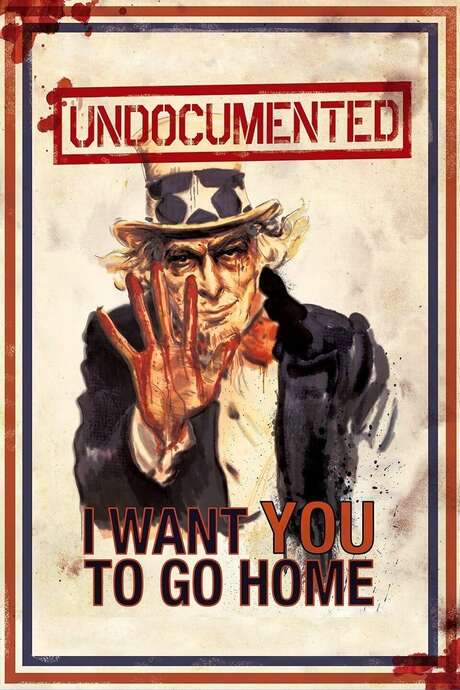
In the stark desert landscape that marks the U.S.–Mexico border, a modest film crew sets out to turn a pressing social issue into a raw, on‑the‑ground documentary. Their goal is to follow the hidden currents of illegal migration, allowing cameras to capture the humanity often omitted from headlines. The project is framed as an urgent, immersive investigation, a glimpse into a world that many see only from afar, and the tone is deliberately unvarnished, walking the line between reportage and lived experience.
The team is a kaleidoscope of perspectives. Travis, the de‑facto leader, balances a journalistic instinct with a personal curiosity about the border’s moral complexities. William brings a technical eye and an unflinching willingness to push boundaries, while Liz supplies a compassionate counterweight, often questioning how far the lens should go. Davie, whose own family ties straddle both sides of the fence, offers an intimate connection to the subjects, and Jim rounds out the group with a steadier, more skeptical outlook. Their interplay is as much a study of friendship and ethical tension as it is a means to frame the story they hope to tell.
When the crew joins a large caravan of migrants—among them Alberto and his small family—their cameras become witnesses to a journey fraught with uncertainty, hope, and the unspoken peril that haunts every step across the desert. The atmosphere is thick with the weight of unseen forces, the whisper of law‑enforcement patrols, and the raw determination of those seeking a new life. The documentary style stays intimate, allowing moments of quiet conversation to sit beside the broader, relentless march of the convoy.
Yet the border is more than a geographic line; it is also a contested space where ideology and survival collide. As the filmmakers press deeper, they sense an undercurrent of hostility from fringe elements who view the migrants—and anyone documenting them—with suspicion and aggression. This looming tension shapes the film’s mood, turning every interview and every mile traveled into a delicate negotiation between truth‑seeking and self‑preservation, and leaving the audience to wonder just how far the crew—and the people they film—will go when the line between observer and participant begins to blur.