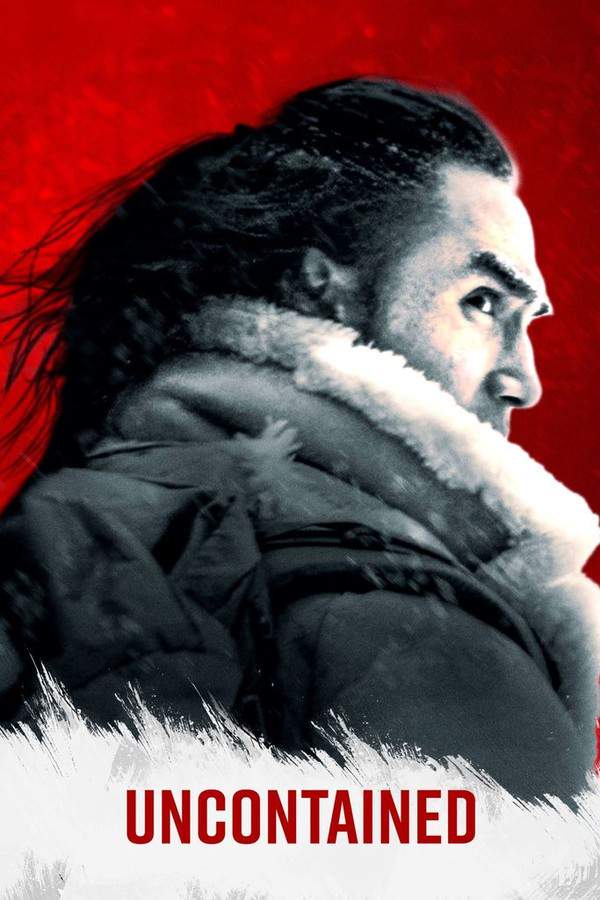
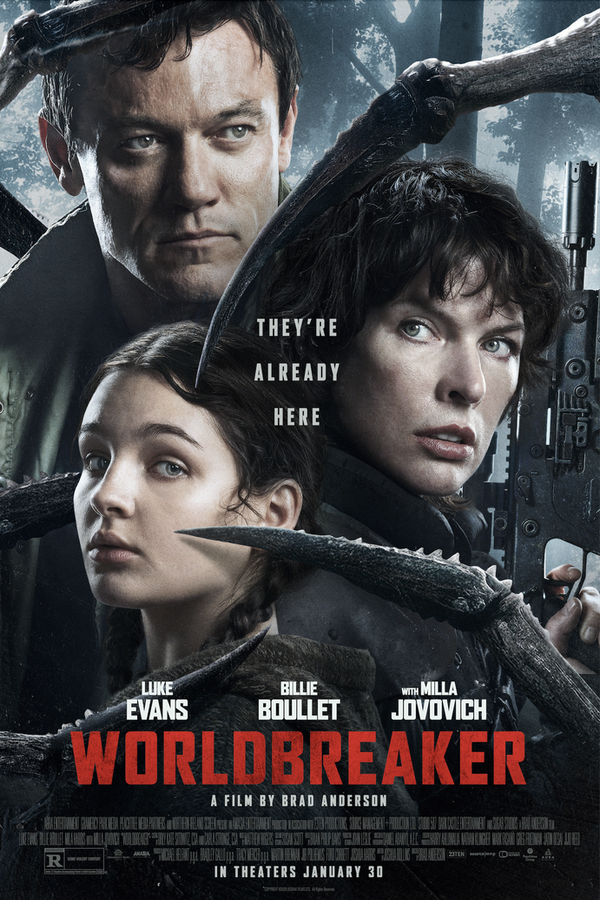
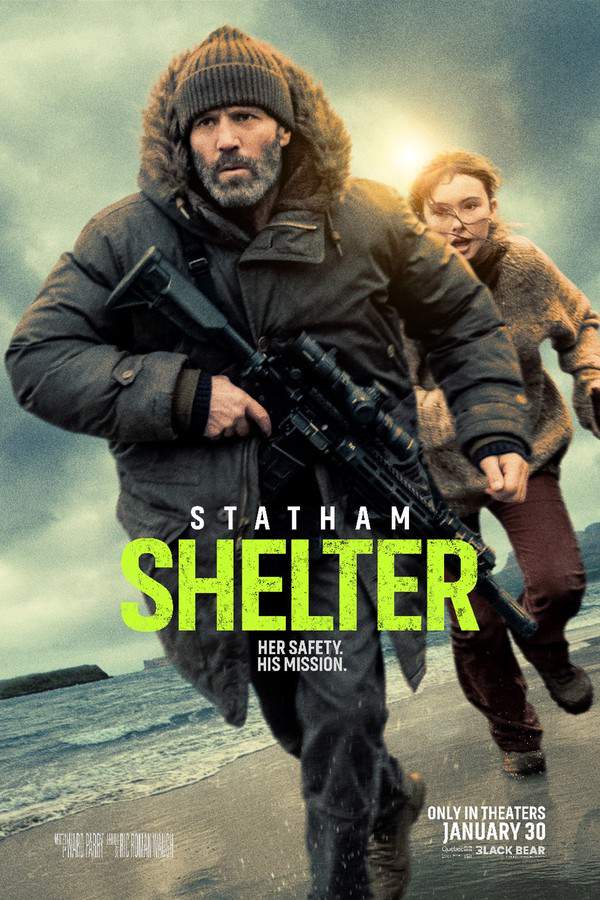
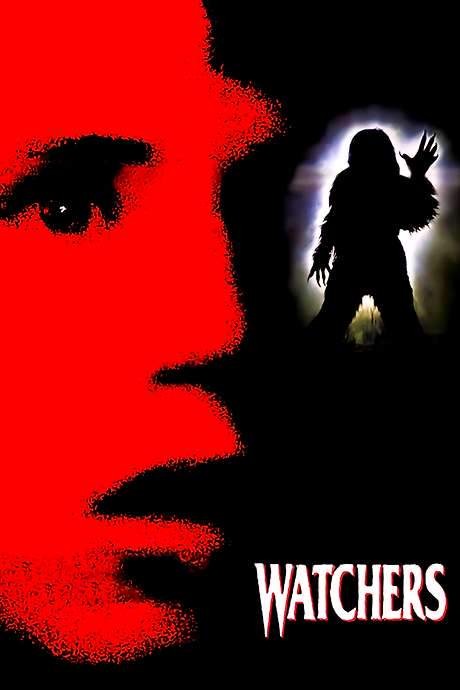
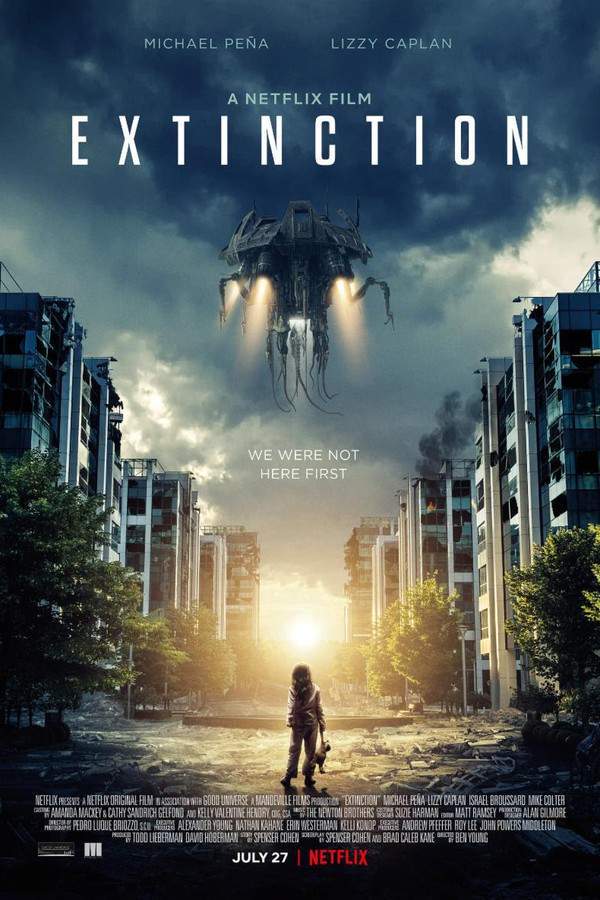
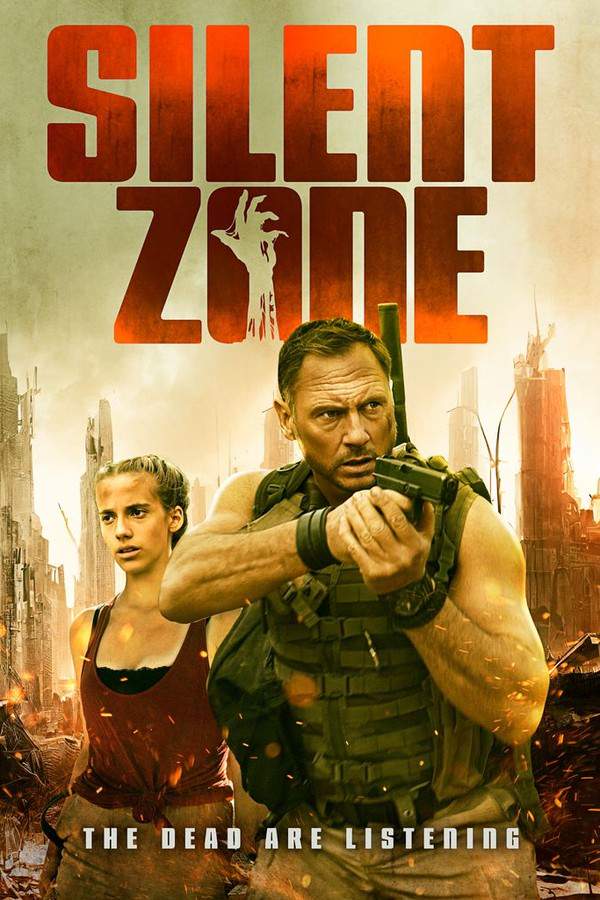
The film unfolds in a remote, snowbound forest where a viral outbreak has plunged society into localized martial law and turned many people into feral, rabid threats. A mysterious, silent drifter known as Dan wakes shirtless from a snowdrift and staggers into the cold only to be struck down by a tranquilizer and drawn into a trap. The trap is set by seven-year-old Jack and his two-year-old sister Brooke, who have transformed an extravagant, isolated cabin into a self-sufficient fortress complete with a treadmill-powered generator and a web of improvised defenses. Jack, acting as Brooke’s heavily armed protector, confiscates Dan’s gun and knife, and Dan quickly learns that his only chance at leaving is to cooperate with the children’s demands and help them maintain and fortify their home.
As Dan undertakes tasks—reinforcing doors, fixing a broken radio, and repairing the lighting system—a cautious, fragile bond forms between the stranger and the kids. The quiet peace is punctured when a local couple, Donny and Melanie, discovers the cabin while seeking shelter, staying under the pretense of looking after the children but driven by ulterior personal motives. The story hints at a deeper mystery: a secret from the virus that could tilt the balance of power in this icy frontier, linking the family to a past disappearance that haunts the surrounding area.
Two formidable threats press in on the cabin from different fronts: roaming packs of infected feral predators and a heavily armed local militia. The militia is led by a ruthless commander named Brett Carson, who hunts for his missing daughter and uses blunt, aggressive tactics that cast a long shadow over the wilderness. His presence intertwines with tense dealings with a local sheriff, amplifying the danger as he and his men close in on the cabin.
The plot pivots when the children’s mother, Nicole Nelson, a Homeland Security operative, returns and drops a startling revelation about the virus: a subset of humans possesses a genetic immunity that allows them to shift between mindless feral states and their fully conscious selves. This revelation ties the family to the disappearance of Brett’s daughter, forcing both sides to confront uncomfortable truths as the militia closes in and the feral horde surges toward the cabin. The attack collides with the cabin’s high-tech defenses, large windows, and practical traps, turning the sanctuary into a lethal fortress.
With the odds stacked against them, Dan is compelled to face a violent past he kept at bay and to push past his instinctive isolation. Drawing on hard-won survival skills, he launches a brutal rescue operation that pits him against both the ravenous infected and Brett’s ruthless scavengers to secure a precarious escape for Jack and Brooke. The climax folds together brutal combat, strategic cleverness, and a desperate bid for safety as the snow and night close in around the cabin, testing loyalties and forcing hard choices that will determine who walks away from the forest alive.
In the end, the film weaves together themes of trust forged under pressure, the tension between protection and control, and the moral complexities of survival in a world where humanity itself has become as dangerous as the virus. The stark, wintry setting amplifies every decision, and the bond between the man who once chose solitude and the children who chose to endure becomes the last, fragile thread holding a fragile hope together.