Plot Explained Spoilers guaranteed!
Plot Explained

Browse by genre

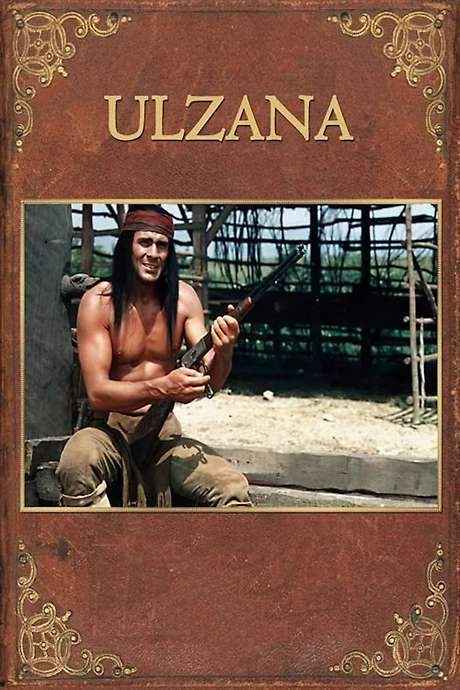
Ulzana’s Raid (1972) movie poster

Plot Summary

Ulzana’s Raid (1972) Plot Summary Explained

Release, runtime and language
1972 · 103 mins · English
Directed by
Robert Aldrich
Starring
Burt Lancaster, Richard Farnsworth, Joaquín Martínez, Nick Cravat, Bruce Davison, Jorge Luke

Only a single man truly grasped the brutality of the early American frontier from both perspectives. When the fierce war chief Ulzana leads a small band off the reservation on a murderous rampage, a green‑horn lieutenant is tasked with pursuing him through hostile territory.

On this page (5)
  1. 1 What happens: full plot
  2. 2 Plot questions answered
  3. 3 Movie threads
  4. 4 Movies like Ulzana’s Raid
  5. 5 Every angle

Full plot summary · contains spoilers

What Happens in Ulzana’s Raid: Full Plot Summary

The whole story of Ulzana’s Raid (1972) explained, from the opening scene to the final frame: every key event, every twist and what it all adds up to. Read it as a quick recap before the sequel, to check a scene you missed, or to finally understand what really happened.

Following mistreatment by Indian agency authorities, Ulzana, Joaquín Martínez, breaks out of the San Carlos Indian Reservation with a small Chiricahua war party. When news reaches Fort Lowell, the commanding officer sends riders out to alert the local settlers, but both troopers are ambushed separately; one is dragged away, while the other kills the European woman he is escorting and then himself. The Apaches play catch with his liver. The woman's husband, who stayed behind to protect his farm, is captured and tortured to death.

McIntosh, Burt Lancaster, an aging U.S. Army scout, is ordered to bring in Ulzana. Joining him will be a few dozen soldiers led by an inexperienced lieutenant, Garnett DeBuin, Bruce Davison, a veteran Cavalry sergeant, and Ke-Ni-Tay, Jorge Luke, an Apache scout. Ke-Ni-Tay knows Ulzana because their wives are sisters.

From the outset, the cavalry confronts the brutal reality of the Apache war party’s methods and their sharp local knowledge. The soldiers quicken their resolve as they witness acts that test their moral boundaries, and DeBuin’s rigid Christian morality clashes with the harshness he encounters. The mission quickly becomes a lesson in caution and strategy as McIntosh and Ke-Ni-Tay weigh how best to outmaneuver a wary foe who seems several steps ahead.

Ulzana and his warriors decide to press on on foot, hoping to wear the pursuing force down, while their horses are steered back along a circuitous, safer route. Ke-Ni-Tay notices the tracks are those of unladen ponies, and McIntosh seizes the opportunity to stage an ambush that kills the decoy animal herd and two Apache escorts, one of whom is Ulzana’s son. DeBuin protests the idea of mutilating the dead boy, underscoring his reluctance to cross certain humane lines.

The war party then attacks another farm, burning the homestead and seizing two horses. A woman at the burned site is left alive but seriously injured after a gang rape, forcing the cavalry to escort her back to the fort. This move illustrates Ulzana’s broader tactic: to create situations that compel the troops to split their forces and defend vulnerable targets in order to recover steeds and undermine the defenders’ morale.

To gain an advantage, Ulzana splits the force again, hoping to lure the escort into a trap and seize its horses. McIntosh suggests a decoy plan designed to mislead Ulzana into believing his tactics are succeeding, buying time for the cavalry to regroup and counter.

Ulzana’s party ambushes the small escort, killing the sergeant and several troopers before DeBuin can arrive with the rest of the column. McIntosh sustains mortal wounds, and the surviving woman remains alive but mentally scarred by her ordeal. Ke-Ni-Tay scatters the captured horses just as bugle calls ring out, signaling the approach of the rest of the cavalry and forcing the Apache to flee. Ulzana runs on foot as the remnants of his band are killed.

Ke-Ni-Tay confronts Ulzana and reveals the Army bugle taken from his son’s body. Ulzana surrenders his weapons and sings his death song before the Apache scout ends him. A corporal suggests taking Ulzana’s head back to the fort, but DeBuin orders a burial instead, a decision that underscores his changed perspective after witnessing the mission’s brutal costs. Ke-Ni-Tay insists on performing the burial himself.

The surviving troopers, led by DeBuin, begin to return to the fort, but McIntosh knows he won’t make the journey back. He chooses to stay behind and die alone, completing a hard-won transformation from hunter to reluctant witness to the costs of war.

Last updated: October 09, 2025 at 10:49

Was this helpful?

Plot questions answered

Ulzana’s Raid Plot Explained: Your Questions Answered

The questions people ask most about Ulzana’s Raid (1972): what happens in the confusing scenes, why the characters do what they do, the twists, hidden details and what the ending means. Each answer contains spoilers.

Q1

Why does Ulzana break out of the San Carlos Reservation?

Ulzana breaks out of the San Carlos Indian Reservation after being mistreated by the Indian agency authorities. The exact nature of the mistreatment isn't detailed in the film, but the abuse drives him to gather a small Chiricahua war party and launch a murderous rampage off the reservation.

Foreshadowing: Earlier scenes establish the harsh conditions at the reservation that fuel Ulzana's rage and decision to escape.

  • ulzana
  • san carlos reservation
  • apache
  • escape
  • mistreatment
Q2

Why does Apache scout Ke-Ni-Tay hunt his own people?

Ke-Ni-Tay is an Apache scout working with the U.S. Army against Ulzana because their wives are sisters, making Ulzana his brother-in-law. Despite this family connection, Ke-Ni-Tay sides with the Army, partly because he now serves the military, but also because Ulzana did not invite him to join his war party, which Ke-Ni-Tay takes as a deep personal insult.

Foreshadowing: This betrayal is hinted at when Ke-Ni-Tay is introduced and explains his relationship to Ulzana.

  • ke-ni-tay
  • apache scout
  • ulzana brother-in-law
  • family loyalty
Q3

Why does McIntosh stay behind to die instead of returning to the fort?

McIntosh is mortally wounded during the ambush and knows he cannot survive the long journey back to Fort Lowell. Rather than slow down the retreating column or burden his comrades with carrying a dying man, he chooses to stay behind and die alone. This decision also represents his transformation from a cynical hunter into someone who has witnessed the full cost of warfare and accepts his fate with hard-won dignity.

Foreshadowing: McIntosh's fatal wounds occur during the ambush at position 12.

  • mcintosh
  • death
  • wounded
  • stay behind
  • fort lowell
Q4

Why does Lieutenant DeBuin order a proper burial instead of taking Ulzana's head?

DeBuin begins the pursuit as a rigid, Christian-minded officer who is shocked by Apache brutality, but throughout the mission he witnesses such extreme violence and its consequences that his worldview shifts dramatically. When a corporal suggests taking Ulzana's head as a trophy, DeBuin refuses and orders a proper burial instead, a decision that reflects his transformed perspective and newfound respect for his enemy as a warrior.

Foreshadowing: DeBuin's moral conflict runs throughout the film, culminating in this moment of changed perspective.

  • debuin
  • ulzana burial
  • head trophy
  • changed perspective
  • christian morality
Q5

How does Ulzana keep evading the pursuing cavalry?

Ulzana employs sophisticated tactics including splitting his force to create diversions, leading his horses on a circuitous safe route while the warriors continue on foot to tire the cavalry, and attacking farms to force the soldiers to split their forces defending vulnerable targets. His intimate knowledge of the terrain and constant deception keep the pursuing force perpetually off-balance and unable to pin down his war party.

Foreshadowing: Early in the pursuit, McIntosh and Ke-Ni-Tay discuss how Ulzana seems several steps ahead.

  • ulzana tactics
  • evade cavalry
  • splitting force
  • terrain advantage
  • decoy
Q6

Why does the cavalry escort the injured woman back to the fort instead of continuing the pursuit?

After Ulzana's war party attacks a farm and leaves a woman seriously injured but alive, the cavalry is forced to split its forces. They must escort her back to Fort Lowell because she cannot travel alone and would die otherwise. This is exactly Ulzana's strategy, creating situations that compel the troops to abandon the pursuit to protect civilians, which weakens their ability to chase him.

Foreshadowing: This tactic is shown when the Apache attack the second farm and deliberately leave a living victim.

  • injured woman
  • escort
  • split forces
  • ulzana tactic
  • farm raid
Q7

What happens to Ulzana's son during the pursuit?

Ulzana's son is one of two Apache escorts guarding the decoy horse herd. When McIntosh stages an ambush after noticing the tracks are from unladen ponies, the attack kills the horses and both escorts, including Ulzana's son. The cavalry wants to mutilate the body in retaliation, but DeBuin forbids it, insisting on maintaining moral discipline even in victory.

Foreshadowing: Ke-Ni-Tay notices the unusual tracks that reveal Ulzana's decoy strategy.

  • ulzana son
  • killed
  • ambush
  • horse herd
  • decoy
Q8

Why does Ke-Ni-Tay insist on burying Ulzana despite being enemies?

Ke-Ni-Tay insists on performing Ulzana's burial himself because despite their opposing sides, they share Apache heritage and are bound by family. Even though Ulzana is his enemy and failed to include him in his war party, Ke-Ni-Tay shows respect for a fallen warrior and honors the traditional Apache burial customs. This act also represents a moment of cultural connection between two men torn between different worlds.

Foreshadowing: Their family relationship through marriage is established when Ke-Ni-Tay joins the pursuit.

  • ke-ni-tay
  • ulzana burial
  • apache customs
  • family
  • respect warrior
Q9

How does Lieutenant DeBuin's moral viewpoint change throughout the film?

DeBuin starts as an inexperienced lieutenant with rigid Christian morality who is horrified by Apache methods. As he witnesses extreme brutality, including rape, torture, the murder of settlers, and the mutilation of bodies, his moral certainty erodes. By the end, he orders a proper burial for Ulzana instead of allowing the trophy-taking of his head, showing he has developed a complex, hardened understanding of the brutal realities of frontier warfare.

Foreshadowing: Early scenes show DeBuin protesting even the idea of mutilating the dead boy.

  • debuin
  • moral change
  • loss of innocence
  • christianity
  • hardened worldview
Q10

What is the significance of the bugle when Ke-Ni-Tay confronts Ulzana?

When Ke-Ni-Tay confronts Ulzana, he reveals the Army bugle taken from his son's body during the earlier ambush. This serves as both a personal accusation and proof of Ulzana's defeat. The bugle represents the cycle of violence between them, Ulzana's son was killed, and now Ke-Ni-Tay has taken something from the elder Ulzana. After this confrontation, Ulzana surrenders his weapons and sings his death song before Ke-Ni-Tay kills him.

Foreshadowing: The bugle was taken during the ambush at position 8 where Ulzana's son was killed.

  • bugle
  • ke-ni-tay
  • ulzana son
  • death song
  • surrender
Q11

How does McIntosh plan the ambush that kills Ulzana's son?

McIntosh notices Ke-Ni-Tay's observation that the tracks are from unladen ponies, horses being led separately from their riders. This reveals Ulzana's decoy strategy: the horses were being led back along a safer route while the warriors continued on foot. McIntosh uses this intelligence to stage an ambush at the location of the horse herd, killing the decoy animals and their two Apache escorts, one of whom is Ulzana's son.

Foreshadowing: Ulzana's decision to continue on foot while horses are redirected is shown at position 7.

  • mcintosh
  • ambush
  • unladen ponies
  • horse herd
  • decoy strategy
Q12

Why does Ulzana split his war party into multiple groups?

Ulzana splits his force as a strategic tactic to confuse and exhaust the pursuing cavalry. By dividing his warriors, he forces the soldiers to respond to multiple threats simultaneously, stretching their numbers thin. He uses this to lure escorts into traps, attack farms to create diversions, and make his group appear larger or smaller than it actually is. This cat-and-mouse approach keeps the cavalry constantly reacting rather than pursuing effectively.

Foreshadowing: The tactic becomes evident when the cavalry discovers the unladen pony tracks.

  • ulzana
  • split force
  • tactical advantage
  • confuse cavalry
  • multiple groups

Movie threads

More Movies Like Ulzana’s Raid, by Mood & Story

Curated lists built around what makes Ulzana’s Raid tick: the same mood, the same kind of story or the same emotional payoff. Each list explains why these movies belong together.

Brutal Frontier Survival movies like Ulzana’s Raid

Harrowing stories of survival against nature and other humans in a hostile land. Explore films like Ulzana’s Raid that immerse you in a harsh, unforgiving world where survival is the only goal. These movies share a gritty, tense atmosphere and explore the brutal realities of life on the edge against overwhelming odds.

  • brutal
  • gritty
  • tense
  • harrowing
  • bleak
  • survivalist
  • Tone: dark, gritty, harrowing
  • Pacing: steady, relentless
Why these movies?

The story pattern: Stories in this thread typically follow a linear, mission-driven structure, often a pursuit or journey through a dangerous environment. The narrative focuses on escalating conflicts, dwindling resources, and the psychological toll on the characters as they are pushed to their absolute limits.

Why they belong together: These films are grouped by their shared atmosphere of relentless grit and high tension. They feature unforgiving settings, high-intensity physical and moral challenges, and a focus on the raw, unglamorous struggle for survival, creating a consistently harrowing viewer experience.

Morally complex war stories like Ulzana’s Raid

Stories where the enemy is not clear and the cost of victory is your humanity. If you liked the ethical dilemmas and bleak outlook of Ulzana’s Raid, discover other films that explore the psychological and moral costs of warfare. These movies challenge simple notions of good and evil, often ending on a sobering or tragic note.

  • morally complex
  • pessimistic
  • heavy
  • philosophical
  • psychological
  • bleak
  • Tone: dark, pessimistic, morally complex
  • Pacing: steady, character-driven
Why these movies?

The story pattern: The narrative pattern often involves a relatively naive protagonist being initiated into the brutal realities of a conflict. Through a series of escalating violent encounters and ethical compromises, the character's worldview is shattered, leading to a bleak or pessimistic conclusion that offers no easy answers.

Why they belong together: These films are united by their heavy emotional weight and thematic focus on the gray areas of conflict. They share a dark tone, steady pacing that allows for moral reflection, and a commitment to showing the psychological damage and loss of innocence that warfare inflicts.

If you liked this

Movies Like Ulzana’s Raid

Similar movies to Ulzana’s Raid: the same genre, themes or kind of story. Each one comes with its own plot summary, timeline and ending explained.

Browse all movie summaries

Every angle

Ulzana’s Raid (1972) Explained: Plot, Timeline & Characters

Everything about Ulzana’s Raid in one place: what happens in the plot summary, the timeline in chronological order, the characters and meaning and a spoiler-free summary. What's After the Movie adds the cast, box office and post-credit scenes.

Coming soon on iOS and Android

The Plot Explained Movie Summary App

Plot summaries, endings explained and timelines on your phone. Catch up on any movie in minutes, save your favorites and never miss a twist again.

Be the first to know when we launch. Your email stays private, always.

Learn more about the app