Plot Explained Spoilers guaranteed!
Plot Explained

Browse by genre

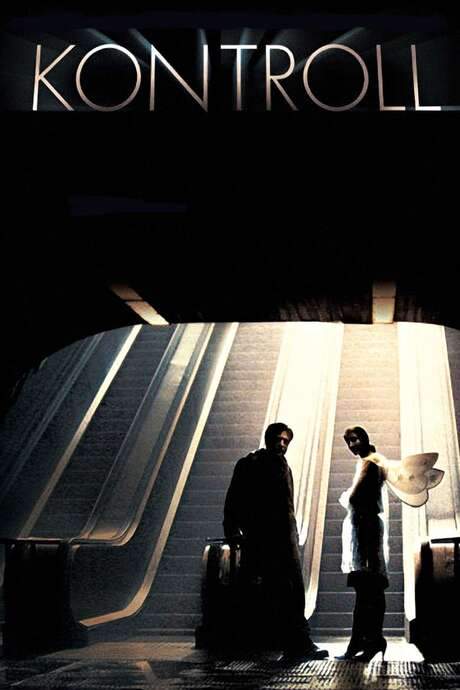
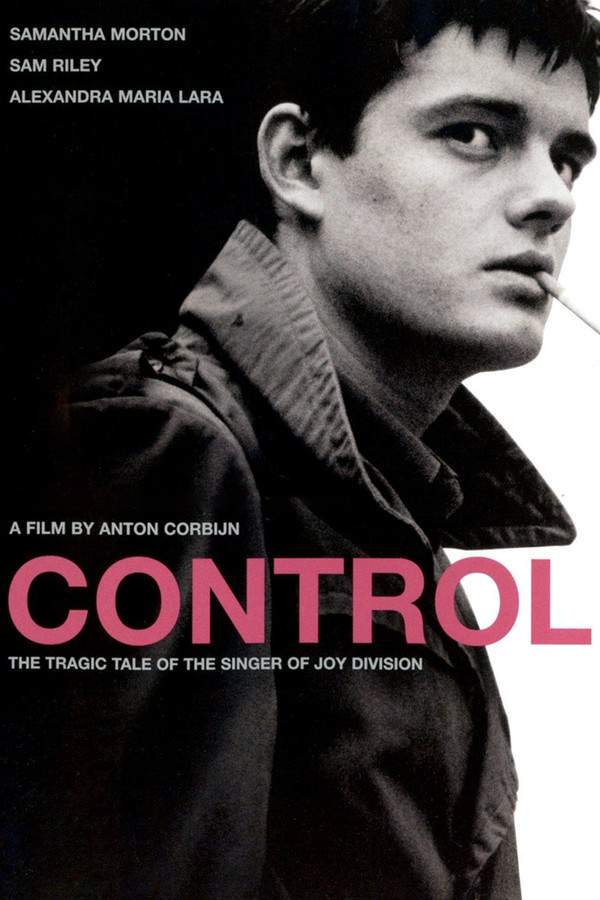
Control (2005) movie poster

Plot Summary

Control (2005) Plot Summary Explained

Release, runtime and language
2005 · 105 min · British english
Directed by
Nimród Antal
Starring
Eszter Balla, Sándor Csányi

A woman finds herself imprisoned within a shadowy organization and realizes she is unknowingly part of their disturbing experiments. As her hidden abilities are exploited and manipulated, she is forced to confront a growing darkness while struggling to distinguish between reality and illusion. She must fight to uncover the truth and break free from their control in this intense drama with thriller elements.

On this page (6)
  1. 1 Where to watch
  2. 2 What happens: full plot
  3. 3 Plot questions answered
  4. 4 Movie threads
  5. 5 Movies like Control
  6. 6 Every angle

Where to watch

Where to Watch Control (2005)

Where can you watch Control? Stream, rent or buy it in the US, including on Plex: current JustWatch availability with up-to-date prices.

Streaming availability powered by JustWatch

Full plot summary · contains spoilers

What Happens in Control: Full Plot Summary

The whole story of Control (2005) explained, from the opening scene to the final frame: every key event, every twist and what it all adds up to. Read it as a quick recap before the sequel, to check a scene you missed, or to finally understand what really happened.

The film begins with a statement from a real-life manager of the Budapest metro, emphasizing that the story presented is entirely fictional and does not reflect the actual behavior or practices of the Kontrollers within the system.

In this narrative, we follow Bulcsú (Sándor Csányi), a diligent ticket inspector who calls the Hungarian Metro his home, as he spends his nights either patrolling the train platforms or resting amidst the hustle and bustle of the underground. Joined by his eclectic team of inspectors, which includes the seasoned yet eccentric Professor (Zoltán Mucsi), the scruffy Lecsó (Sándor Badár), the unpredictable and narcoleptic Muki (Csaba Pindroch), and the naive newcomer Tibi (Zsolt Nagy), Bulcsú faces relentless disrespect and physical confrontation from the commuters. These individuals continuously seek to evade fines through an array of creative and audacious methods.

Amidst the chaos, Bulcsú is unwittingly drawn into a rivalry with the model employee Gonzó (Balázs Mihályfi), who challenges him to a precarious "rail run" contest. This dangerous competition takes place on the tracks after the final metro of the night has left, with both competitors racing to reach the next station before being overtaken by a midnight maintenance vehicle. Bulcsú narrowly secures victory, managing to save Gonzó in the nick of time.

One day, during a typical inspection, Bulcsú's attention is captured by a mysterious girl in a bear suit named Zsófi (Eszter Balla), who is the daughter of a veteran metro driver, Béla (Lajos Kovács). Their connection grows, against the backdrop of Bulcsú's increasingly chaotic work life. Tensions escalate further when his colleague Laci (László Nádasi), driven to the brink, finds himself in a violent confrontation with a passenger, ultimately leading to a tragic and deadly outcome.

In a series of eerie events, Bulcsú encounters a prankster known as Bootsie (Bence Mátyássy), only to witness him being shoved onto the tracks by a shadowy figure clad in similar attire as his own. This unnerving incident – mistaken for yet another suicide – deeply disturbs Bulcsú, spurring nightmares about the cloaked individual that plague his thoughts and distract him from his duties. When questioned about the incident, he opts not to provide details to the firm's executive, György Cserhalmi, leading to his resignation under pressure and insinuations from Muki that he may be connected to the death.

Things come to a head during an underground costume party where Bulcsú finally confronts the hooded figure, resulting in yet another race on the tracks similar to his previous contest with Gonzó. Once again, Bulcsú emerges victorious, but the identity of the hooded figure remains a mystery as they disappear back into the shadows. In a moment of solace, Bulcsú reunites with Zsófi, who has transformed into a butterfly costume, together stepping into the light above, away from the dark depths of the metro.

Last updated: November 04, 2024 at 01:07

Was this helpful?

Plot questions answered

Control Plot Explained: Your Questions Answered

The questions people ask most about Control (2005): what happens in the confusing scenes, why the characters do what they do, the twists, hidden details and what the ending means. Each answer contains spoilers.

Q1

Why does Bulcsú resign from his job at the metro?

Bulcsú resigns after the traumatic incident where he witnesses Bootsie being pushed onto the tracks by a mysterious hooded figure. He experiences nightmares about this shadowy individual and chooses not to provide details to the executive György Cserhalmi when questioned. Under mounting pressure and insinuations from Muki that he may be connected to the death, Bulcsú decides to leave his position.

Foreshadowing: Earlier, Bulcsú is already disturbed by the constant disrespect and violence from commuters, setting the stage for his psychological break.

  • bulcsú resignation
  • bootsie incident
  • metro inspectors
  • psychological breakdown
Q2

Who is the hooded figure that stalks Bulcsú?

The hooded figure remains a mystery throughout the film. After Bulcsú witnesses Bootsie being pushed onto the tracks by someone dressed similarly to himself, he begins experiencing nightmares about this cloaked individual. During the underground costume party, Bulcsú confronts and races the hooded figure on the tracks, but the identity is never revealed, the figure simply disappears back into the shadows after being outrun.

Foreshadowing: The Bootsie incident directly introduces the hooded figure, who then haunts Bulcsú's nightmares and becomes his pursuer.

  • hooded figure
  • mystery character
  • bootsie killer
  • metro stalking
Q3

What happens to Laci after his confrontation with the passenger?

Laci, one of Bulcsú's colleagues, reaches his breaking point when he becomes involved in a violent confrontation with an unruly passenger. The altercation has tragic and deadly consequences, Laci kills the passenger. This violent event contributes to the increasingly dark atmosphere of the metro and adds to the psychological strain on Bulcsú.

Foreshadowing: The film shows escalating tensions between inspectors and commuters throughout, building to Laci's violent breakdown.

  • laci death
  • ticket inspector violence
  • passenger confrontation
  • metro tragedy
Q4

Why does Bulcsú participate in the dangerous rail run contests?

Bulcsú enters the first rail run contest as a rivalry with Gonzó, a model employee who challenges him. The contest involves racing through the metro tracks after the last train has left, trying to reach the next station before being overtaken by a midnight maintenance vehicle. Bulcsú wins the initial contest and saves Gonzó from danger, proving his bravery. Later, he participates in another rail run against the hooded figure during the costume party, again emerging victorious but failing to uncover the mysterious runner's identity.

Foreshadowing: The initial rail run with Gonzó establishes the dangerous tradition that later repeats with the hooded figure.

  • rail run
  • metro tracks
  • dangerous contest
  • gonzó rivalry
Q5

What is the significance of Zsófi's costume change from bear to butterfly?

Zsófi first appears wearing a bear costume, which isBulcsú notices her during an inspection and they form a connection. At the film's conclusion, Zsófi has changed into a butterfly costume when she reunites with Bulcsú. This transformation symbolizes Bulcsú's own journey, from someone trapped in the dark, chaotic underworld of the metro to someone who can finally ascend above ground. The butterfly represents metamorphosis, hope, and liberation from the darkness that has consumed his life.

Foreshadowing: Zsófi's initial bear costume connects her to the metro environment, while her later transformation foreshadows the hopeful ending.

  • zsófi costume
  • bear butterfly transformation
  • symbolic ending
  • metro romance
Q6

What really happens to Bootsie on the metro tracks?

Bootsie is a prankster who encounters Bulcsú in a disturbing incident. Bulcsú witnesses Bootsie being shoved onto the tracks by a shadowy figure dressed similarly to the metro inspectors' uniform. This event is initially mistaken for another suicide, but Bulcsú knows it was actually a murder. The incident deeply disturbs him and triggers his subsequent nightmares about the hooded figure, ultimately contributing to his resignation.

Foreshadowing: This violent encounter directly introduces the hooded figure who will later pursue Bulcsú himself.

  • bootsie death
  • pushed onto tracks
  • metro murder
  • witnessing crime
Q7

Why is the Budapest metro setting so important to the story?

The underground metro serves as a claustrophobic, dark underworld that reflects the characters' entrapment, both in their jobs and psychologically. Bulcsú literally lives at the metro, making it his home. The constant darkness, danger from trains, and confrontations with hostile commuters create a suffocating atmosphere. The final scene where Bulcsú and Zsófi emerge above ground into the light represents escape and rebirth, leaving behind the darkness and chaos of the underground.

Foreshadowing: From the opening scenes, the metro is established as an oppressive, almost surreal environment that shapes all character behavior.

  • budapest metro setting
  • underground symbolism
  • dark underworld
  • escape above ground
Q8

Why does Bulcsú start having nightmares?

Bulcsú begins experiencing nightmares after witnessing Bootsie being pushed onto the tracks by the hooded figure. These nightmares feature the cloaked individual, plaguing his sleep and distracting him from his duties. The psychological trauma of witnessing what appears to be a murder, combined with the mysterious nature of the hooded figure and the implication that he might be connected to the death, creates unbearable mental strain that manifests as disturbing dreams.

Foreshadowing: The Bootsie incident is the direct trigger, but the accumulated stress from constant commuter hostility and violence has been building.

  • nightmares
  • psychological trauma
  • hooded figure
  • mental breakdown
Q9

What happens when Bulcsú meets with executive György Cserhalmi?

After the Bootsie incident, Bulcsú is summoned to meet with the firm's executive György Cserhalmi, who questions him about the details of what he witnessed. Bulcsú opts not to provide details about seeing the hooded figure push Bootsie. This evasive response, combined with the circumstances surrounding the incident, leads to pressure on Bulcsú and contributes to his eventual resignation. Muki later suggests there are insinuations connecting Bulcsú to the death.

Foreshadowing: This meeting occurs after the traumatic Bootsie incident and before Bulcsú's decision to resign.

  • györgy cserhalmi
  • executive meeting
  • resignation pressure
  • metro management
Q10

What happens in the final race between Bulcsú and the hooded figure?

During an underground costume party, Bulcsú confronts the hooded figure who has been haunting him. They engage in another rail run contest, racing through the metro tracks just as Bulcsú did earlier with Gonzó. Bulcsú once again emerges victorious, outpacing the hooded figure. However, unlike the previous race, he still does not discover the runner's identity, the hooded figure escapes back into the shadows, leaving the central mystery unresolved.

Foreshadowing: This race mirrors the earlier Gonzó contest, establishing a pattern of confrontation and victory on the tracks.

  • final race
  • costume party rail run
  • hooded figure escape
  • metro confrontation
Q11

What does the title Control refer to in the film?

The title Control reflects the film's exploration of multiple themes: the ticket inspectors' futile attempts to control chaotic commuters, the psychological control the traumatic events have over Bulcsú's mind, and the mysterious hooded figure's apparent control over the underground environment. The darkness and paranoia consume Bulcsú, who struggles to maintain control over his own reality after witnessing violent events. Even the metro system's control over the characters' lives, trapping them in its underground world, ties to this theme.

Foreshadowing: From the opening scenes, the inspectors struggle to maintain order against constant passenger defiance.

  • control theme
  • psychological control
  • title meaning
  • metro chaos

Movie threads

More Movies Like Control, by Mood & Story

Curated lists built around what makes Control tick: the same mood, the same kind of story or the same emotional payoff. Each list explains why these movies belong together.

Claustrophobic urban horror movies like Control

A haunting exploration of psychological breakdown in oppressive urban spaces. If you enjoyed the oppressive, subterranean atmosphere of Control, discover other movies where characters confront psychological horror within claustrophobic urban settings. These films create a feeling of paranoia and alienation, often blurring the line between reality and nightmare.

  • claustrophobic
  • paranoid
  • uneasy
  • nightmarish
  • urban isolation
  • absurd
  • Tone: dark, paranoid, anxious
  • Pacing: variable, building dread
Why these movies?

The story pattern: The narrative follows a protagonist, often an ordinary person, who becomes ensnared in a hidden system or conspiracy within a familiar urban landscape. Their quest for truth leads to a gradual unraveling of their sanity, forcing them to confront ambiguous threats and question their own perceptions of reality.

Why they belong together: Movies are grouped here based on their shared mood of oppressive urban dread, a focus on psychological unraveling, and a tone that blends the mundane with the nightmarish. They create a consistent feeling of being watched, trapped, and manipulated by unseen forces.

Thrillers about psychological manipulation like Control

Stories where characters are pawns in a sinister game of control and identity. Viewers who liked Control's themes of hidden identities and sinister experiments will find similar tension in these movies. Explore films featuring characters trapped in dangerous psychological games, struggling to break free from powerful, controlling entities.

  • fatalistic
  • psychological manipulation
  • dangerous games
  • hidden identity
  • reality distortion
  • anxious
  • Tone: dark, fatalistic, tense
  • Pacing: variable, with intense peaks
Why these movies?

The story pattern: The plot revolves around a protagonist who realizes they are an unwitting subject in a cruel experiment or a cog in a manipulative machine. Their journey is a fight to reclaim their mind and agency, often leading to a bittersweet victory where some mysteries remain and the cost of freedom is high.

Why they belong together: These films share a core narrative of psychological control and the struggle for self-determination. They feature high-stakes mental conflict, themes of alienation, and a dark, intense tone that keeps viewers on edge, questioning what is real alongside the protagonist.

If you liked this

Movies Like Control

Similar movies to Control: the same genre, themes or kind of story. Each one comes with its own plot summary, timeline and ending explained.

Browse all movie summaries

Every angle

Control (2005) Explained: Plot, Timeline & Characters

Everything about Control in one place: what happens in the plot summary, the timeline in chronological order, the characters and meaning and a spoiler-free summary. What's After the Movie adds the cast, box office and post-credit scenes.

Coming soon on iOS and Android

The Plot Explained Movie Summary App

Plot summaries, endings explained and timelines on your phone. Catch up on any movie in minutes, save your favorites and never miss a twist again.

Be the first to know when we launch. Your email stays private, always.

Learn more about the app