











Plot Explained Spoilers guaranteed!
Plot Explained

Browse by genre

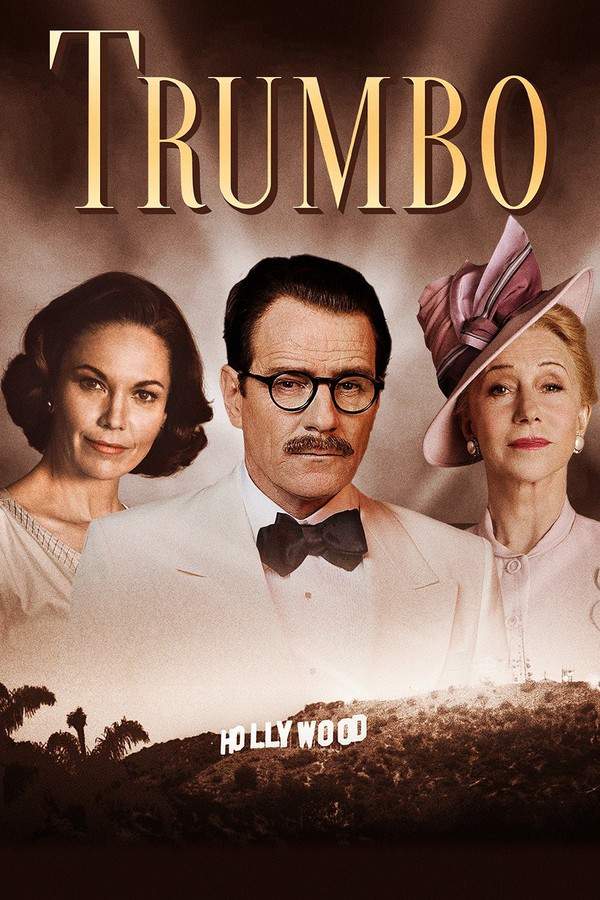
Trumbo (2015) movie poster

Timeline

Trumbo (2015) Timeline Explained – Every Event in Order

Release, runtime and language
2015 · 124 min · English
Directed by
Jay Roach
Starring
Helen Mirren, Michael Stuhlbarg, Diane Lane, Louis C.K., Bryan Cranston

In 1947, during the height of the Red Scare, screenwriter Dalton Trumbo is blacklisted for his political beliefs. Stripped of his career and facing financial ruin, he must find ways to continue writing while battling the consequences of the accusations against him and the impact on his family. The ordeal tests his resilience and challenges the principles of artistic freedom and due process in a climate of fear and suspicion.

On this page (6)
  1. 1 Where to watch
  2. 2 Events in order (15)
  3. 3 Timeline questions answered
  4. 4 Movie threads
  5. 5 Movies like Trumbo
  6. 6 Every angle

Where to watch

Where to Watch Trumbo (2015)

Where can you watch Trumbo? Stream, rent or buy it in the US, including on Hoopla, Kanopy and Fandango at Home Free: current JustWatch availability with up-to-date prices.

Streaming availability powered by JustWatch

15 events in order · contains spoilers

Trumbo Timeline: Events in Chronological Order

Every key event of Trumbo (2015) in order, scene by scene, with when and where it takes place. Use it to untangle flashbacks, time jumps and parallel storylines, to refresh your memory before the sequel or to find the exact scene you are thinking of.

  1. Trumbo's Comfort in 1947

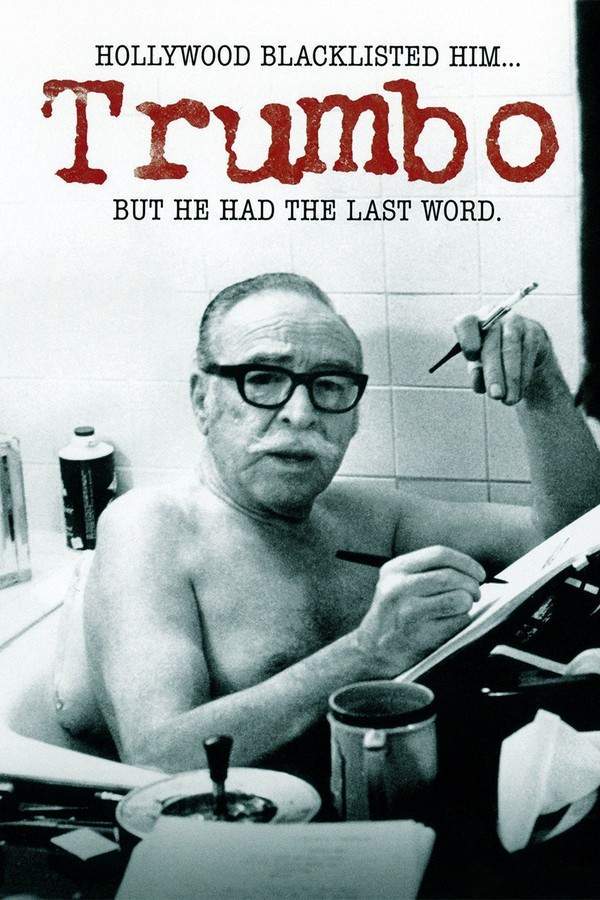
    The film begins in 1947, showcasing Dalton Trumbo, a successful screenwriter, comfortably writing his latest script while soaking in his bathtub. This idyllic image starkly contrasts with the turbulent times that he soon will face as political unrest begins to swell in Hollywood.

    When
    1947
  2. The Cinema Screening

    Trumbo visits a cinema and watches a film reel where gossip columnist Hedda Hopper publicly accuses him and others in Hollywood of being Communists. This event marks the unwelcome onset of scrutiny that Trumbo and his peers will soon endure amidst the backdrop of the House Un-American Activities Committee investigations.

    Where
    Cinema
  3. Daughter's Inquiry

    At their ranch, Trumbo's young daughter, Niki, curiously asks her father if he is a Communist. Trumbo reassures her by explaining that wanting a better government is not a crime, using a heartfelt analogy to illustrate his beliefs and values in the face of rising political tension.

    Where
    Trumbo's Ranch
  4. Confrontation with John Wayne

    During a Motion Picture Alliance meeting, John Wayne delivers a vehemently critical speech about Communism. Trumbo daringly counters Wayne's remarks, highlighting the disparity between their real-life experiences in the military, illustrating the growing divide within Hollywood regarding political allegiance.

    Where
    Motion Picture Alliance Meeting
  5. Warning from MGM

    Trumbo visits MGM Studios and meets with Louis B. Mayer, who informs him about his status as Hollywood's highest-paid writer. Mayer cautions Trumbo against the negative press from Hedda Hopper, foreshadowing the challenges he will soon face at the hands of public opinion.

    Where
    MGM Studios
  6. Subpoena Delivery

    Just as Trumbo revels in a family celebration over his lucrative contract, an unexpected guest arrives with a subpoena. This moment signifies a dramatic turning point, branding Trumbo and fellow writers as threats to democracy, which sets off a series of pivotal events.

  7. Hollywood Ten's Hearings

    The Hollywood Ten, including Trumbo, face challenging hearings where they provide vague answers to avoid contempt charges. This marks a critical moment of resistance and unity among them as they hope for eventual vindication from the Supreme Court.

  8. Facing Contempt Charges

    The hearings culminate in the Hollywood Ten being found guilty of contempt, which hits Trumbo hard, risking his financial stability with the annulment of his contract. Despite such adversity, Trumbo remains undeterred in his passion for screenwriting.

  9. Writing Under Pseudonyms

    In defiance of the blacklisting, Trumbo begins writing under pseudonyms such as Ian McLellan Hunter to maintain his career. Notably, he achieves success with the screenplay for Roman Holiday, a popular film that highlights his resilience despite the ongoing turmoil.

  10. Serving Prison Time

    As Trumbo is sentenced to prison, he encounters other inmates, including senator J. Parnell Thomas, who becomes a symbol of the absurdity of his situation. This experience heightens Trumbo's sense of irony as he struggles against the injustice of the political climate.

    Where
    Prison
  11. Edward G. Robinson's Dilemma

    Back in Hollywood, Edward G. Robinson faces his own moral crisis as he feels forced to name names to save himself from the fallout of the blacklist. This decision illustrates the personal sacrifices and ethical struggles faced by many during this oppressive era.

  12. Post-Prison Reconnection

    Once Trumbo completes his prison sentence, he finds it challenging to reconnect with his family due to the emotional toll of his absence. Their struggle to adapt to the ongoing effects of the blacklist reflects the broader consequences of the political climate on personal lives.

  13. Tragedy Strikes

    While navigating the complexities of the blacklisting after his return home, tragedy befalls Trumbo with the death of his friend Arlen Hird. This event serves as a poignant reminder of the personal costs of political persecution during this tumultuous time.

  14. Success and Recognition

    As Trumbo writes Spartacus, one of his scripts for which he is uncredited, the public gradually begins to recognize his contributions. This shift in perception signifies a turning point against the blacklisting narrative, empowering Trumbo's voice in Hollywood once again.

  15. Oscar Revelation

    During the Oscars, Trumbo's true identity as Robert Rich is revealed, marking a climactic moment in the film. This revelation catalyzes a change in public opinion regarding the blacklist, ultimately allowing Trumbo to reclaim his dignity and legacy in the industry.

    Where
    Oscars

Last updated: November 03, 2024 at 14:43

Was this helpful?

Timeline questions answered

Trumbo Timeline Explained: Your Questions Answered

When does it happen, and why in that order? The questions people ask about the chronology of Trumbo (2015): time jumps, flashbacks, cause and effect between scenes and the correct order of events, each answered with spoilers.

Q1

Why was Dalton Trumbo blacklisted in Hollywood?

Trumbo was blacklisted because he was accused of having Communist affiliations during the Red Scare. When called before the House Un-American Activities Committee (HUAC), he and nine other writers (the Hollywood Ten) refused to name names or answer questions about their political beliefs, asserting their right to free speech. This act of defiance led to them being cited for contempt of Congress, destroying their careers and forcing them into hiding.

Foreshadowing: Earlier at the Motion Picture Alliance meeting, Trumbo's confrontation with John Wayne over his criticism of Communism already drew attention from Hedda Hopper, who was actively targeting suspected Communists in Hollywood.

  • dalton trumbo
  • blacklisted
  • hollywood ten
  • huc
  • communism
  • red scare
Q2

How did Dalton Trumbo continue writing while blacklisted?

Trumbo wrote under pseudonyms to bypass the blacklist. He used names like Ian McLellan Hunter, who was credited for Roman Holiday. His family also helped sustain his career by acting as intermediaries, passing his scripts to producers who knew Trumbo was the actual writer but couldn't acknowledge it publicly.

Foreshadowing: Louis B. Mayer warned Trumbo about the negative press from Hedda Hopper before the subpoena arrived, foreshadowing the need for covert work.

  • pseudonym
  • blacklist
  • roman holiday
  • writing
  • studio system
Q3

What was the Hollywood Ten and why did they refuse to testify?

The Hollywood Ten was a group of screenwriters and directors who were called before HUAC in 1947. They refused to answer questions about their political affiliations or name other Communists, arguing that the Committee was violating their First Amendment rights. They believed the hearings were unconstitutional and hoped the Supreme Court would eventually vindicate them. Instead, they were found guilty of contempt and sentenced to prison.

Foreshadowing: Trumbo discussed the rising paranoia with Arlen Hird and Edward G. Robinson before the hearings, showing the group understood the gravity of what was coming.

  • hollywood ten
  • huc
  • contempt of congress
  • first amendment
  • senate committee
Q4

Why did Edward G. Robinson name names during the blacklist?

Robinson named names to save himself from professional destruction. Like many in Hollywood, he faced immense pressure and was threatened with having his career ended. He chose to cooperate with HUAC and testify against others, including Trumbo, as a desperate measure to protect his own livelihood and reputation in the industry.

Foreshadowing: Robinson's moral dilemma was foreshadowed during his conversations with Trumbo about the rising paranoia, where he expressed fear about where this would lead.

  • edward g robinson
  • naming names
  • testimony
  • betrayal
  • blacklist
Q5

What happened to Trumbo's family while he was in prison?

Trumbo's family suffered greatly during his absence. His wife and children struggled financially and emotionally. After his release, Trumbo found it difficult to reconnect with his family due to the psychological toll of his imprisonment and the ongoing blacklist. The family had to continue navigating the complexities of blacklisting while trying to maintain some sense of normalcy.

Foreshadowing: Before his imprisonment, Trumbo's daughter Niki asked if he was a Communist, showing how the political climate was already affecting his family.

  • family
  • children
  • prison
  • emotional toll
  • wife
Q6

How did Roman Holiday help Dalton Trumbo during the blacklist?

Roman Holiday was significant because Trumbo wrote it under the pseudonym Ian McLellan Hunter while blacklisted. The film became a major commercial success and won Oscars, proving that excellent screenwriting could still thrive despite the blacklist. However, Hunter received the credit at the time, and Trumbo wasn't officially recognized for his work until much later.

Foreshadowing: The Supreme Court case mentioned in the film threatened to affect Trumbo's appeal, adding uncertainty to whether his success would actually help his legal situation.

  • roman holiday
  • oscar
  • ian mclellan hunter
  • pseudonym
  • screenplay award
Q7

What was the Robert Rich alias at the Oscars?

Robert Rich was a pseudonym Trumbo used when writing Spartacus. At the 1960 Oscars, when the film won Best Adapted Screenplay, Rich accepted the award. It wasn't publicly revealed until later that Robert Rich was actually Dalton Trumbo, making this moment a significant crack in the blacklist wall and helping to expose the injustice of blacklisted writers not receiving credit for their work.

Foreshadowing: The film shows Trumbo's determination to get credit for Spartacus, with his signature unmistakable in the writing despite the pseudonym.

  • robert rich
  • spartacus
  • oscar
  • pseudonym
  • revelation
Q8

Why was Arlen Hird's death important in Trumbo?

Arlen Hird was Trumbo's close friend and fellow writer who was also blacklisted. His death represented the personal toll of the blacklist era, not just on careers, but on lives. It served as a tragic reminder of how the political persecution damaged or destroyed people who stood by their principles, deepening the emotional weight of Trumbo's struggle.

Foreshadowing: Trumbo and Hird discussed the rising paranoia early in the film, showing their mutual concern about where the political climate was heading.

  • arlen hird
  • death
  • friend
  • personal cost
  • blacklist era
Q9

How did Spartacus help end the Hollywood blacklist?

Spartacus, directed by Kirk Douglas, was a major turning point because Douglas refused to participate in the blacklist and publicly credited Trumbo as the screenwriter. This act of defiance was unprecedented and gave other studios the courage to hire blacklisted writers. The film became a symbol of resistance against the blacklist, significantly weakening its power and helping to bring about its eventual collapse.

Foreshadowing: The Robert Rich reveal at the Oscars was the culmination of this resistance, marking a shift in public opinion against the blacklist.

  • spartacus
  • kirk douglas
  • blacklist ending
  • studio defiance
  • public opinion
Q10

What finally ended the Hollywood blacklist?

The blacklist ended through a combination of factors: key figures like Kirk Douglas publicly defying it by crediting Trumbo on Spartacus, the Oscar revelation exposing the pseudonym system, and the gradually shifting political climate of the late 1950s and early 1960s. While Trumbo eventually received recognition, the film emphasizes that the era left lasting scars on everyone involved, and the victory was bittersweet.

Foreshadowing: The reveal of Trumbo's identity as Robert Rich at the Oscars was shown as the climactic moment that changed public perception.

  • blacklist end
  • spartacus
  • oscar
  • public opinion
  • political climate

Movie threads

More Movies Like Trumbo, by Mood & Story

Curated lists built around what makes Trumbo tick: the same mood, the same kind of story or the same emotional payoff. Each list explains why these movies belong together.

True Stories of Defiance Under Pressure like Trumbo

Individual courage tested by systemic oppression and historical injustice. If you liked the true story of Dalton Trumbo's fight against the Hollywood blacklist, explore more movies like it. This thread gathers biographical dramas and historical films about individuals who risk everything for their beliefs, offering similar stories of resilience against political persecution.

  • defiant
  • tense
  • resilient
  • somber
  • historical
  • anxious
  • Tone: tense, defiant, somber
  • Pacing: steady, methodical
Why these movies?

The story pattern: These narratives typically follow a linear, biographical structure, charting a protagonist's downfall and subsequent struggle after challenging a powerful institution. The central conflict is the individual versus the system, with the story methodically building tension through personal and professional losses, culminating in a vindication that is often bittersweet and hard-won.

Why they belong together: Movies in this thread share a high-stakes, tense atmosphere grounded in real historical events. They feature protagonists defined by their moral integrity, facing intense external pressure that tests their resolve and impacts their families. The combination of steady pacing, heavy emotional weight, and a tone of defiant anxiety creates a cohesive, gripping experience.

Movies About Families Under Pressure like Trumbo

The psychological toll on a family trapped by external forces. For viewers who appreciated the family dynamics in Trumbo, this section finds similar movies where a family's bonds are tested by external threats. Discover dramas that explore the heavy emotional cost of survival, focusing on the quiet, tense moments of strain and solidarity within a household under siege.

  • anxious
  • claustrophobic
  • melancholic
  • resilient
  • somber
  • tense domestic
  • Tone: anxious, melancholic, claustrophobic
  • Pacing: steady, slow burn
Why these movies?

The story pattern: The narrative pattern revolves around a domestic sphere becoming a pressure cooker. External conflicts—investigations, financial ruin, social shame—intrude upon the home, forcing family members to make difficult choices that pit loyalty against safety. The story unfolds with a steady, often somber pace, highlighting small acts of defiance and the heavy emotional burden carried by all involved.

Why they belong together: These films are grouped by their shared mood of claustrophobic anxiety and their focus on the intimate, psychological impact of large-scale conflicts. They blend high-intensity external threats with the medium-intensity, slow-burn drama of family dynamics, creating a uniquely tense and melancholic viewing experience centered on resilience and survival.

If you liked this

Movies Like Trumbo

Similar movies to Trumbo: the same genre, themes or kind of story. Each one comes with its own plot summary, timeline and ending explained.

Browse all movie summaries

Every angle

Trumbo (2015) Explained: Plot, Timeline & Characters

Everything about Trumbo in one place: what happens in the plot summary, the timeline in chronological order, the characters and meaning and a spoiler-free summary. What's After the Movie adds the cast, box office and post-credit scenes.

Coming soon on iOS and Android

The Plot Explained Movie Summary App

Plot summaries, endings explained and timelines on your phone. Catch up on any movie in minutes, save your favorites and never miss a twist again.

Be the first to know when we launch. Your email stays private, always.

Learn more about the app