Plot Explained Spoilers guaranteed!
Plot Explained

Browse by genre

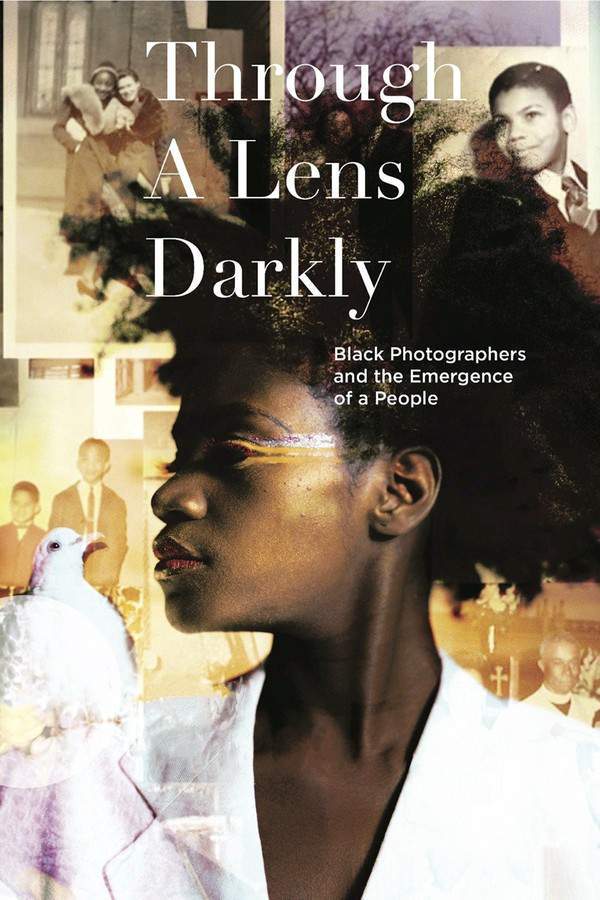
Through a Lens Darkly: Black Photographers And The Emergence Of A People (2014) movie poster

Plot Summary

Through a Lens Darkly: Black Photographers And The Emergence Of A People (2014) Plot Summary Explained

Release, runtime and language
2014 · 1 h 30 m · English
Loading streaming availability…
Directed by
Thomas Allen Harris
Starring
Michael Chambers, Arthé Anthony, Anthony Barboza, Hugh Bell, David G. Berger, Dawoud Bey

This documentary explores the significant role photography has played in shaping African American identity. It examines a vast collection of rarely seen images, revealing how photography has documented and influenced the experiences of Black Americans, from the era of slavery through to contemporary times. The film uncovers a complex history, highlighting the ongoing quest for self-definition and the powerful impact of visual representation.

On this page (5)
  1. 1 Where to watch
  2. 2 What happens: full plot
  3. 3 Plot questions answered
  4. 4 Movie threads
  5. 5 Every angle
Loading streaming availability…

Full plot summary · contains spoilers

What Happens in Through a Lens Darkly: Black Photographers And The Emergence Of A People: Full Plot Summary

The whole story of Through a Lens Darkly: Black Photographers And The Emergence Of A People (2014) explained, from the opening scene to the final frame: every key event, every twist and what it all adds up to. Read it as a quick recap before the sequel, to check a scene you missed, or to finally understand what really happened.

Through A Lens Darkly: Black Photographers and the Emergence of a People delves into the profound history of Black photography and representation, illuminating how modern artists draw upon this rich heritage to enrich their visual narratives.

The journey commences with the filmmaker's introspection on the complex legacies tied to his identity as an African American, grappling with notions of self-worth and humanity. He curates a collective of talented photographers and artists, including Anthony Barboza, Carrie Mae Weems, Lorna Simpson, Hank Willis Thomas, Lyle Ashton Harris, and Glenn Ligon. Together, they challenge conventional perceptions and redefine the imagery that has long influenced society's understanding of Blackness and the essence of Black individuals.

As the narrative unfolds, the film thoughtfully showcases the works of trailblazing Black photographers, both men and women, whose powerful imagery has played a pivotal role in reclaiming collective dignity and humanity. This exploration reveals an extensive history of African American impact in photography—not just as an art form, but as a compelling agent of change.

Taking its inspiration from the groundbreaking publication by photo-historian and co-producer Deborah Willis, Reflections in Black: A History of Black Photographers 1840 to the Present, Through A Lens Darkly stands as the first documentary dedicated to examining the crucial influence of photography in shaping the identity, aspirations, and social awakening of African Americans, traversing the trajectory from slavery to the contemporary landscape.

Last updated: October 24, 2024 at 09:07

Was this helpful?

Plot questions answered

Through a Lens Darkly: Black Photographers And The Emergence Of A People Plot Explained: Your Questions Answered

The questions people ask most about Through a Lens Darkly: Black Photographers And The Emergence Of A People (2014): what happens in the confusing scenes, why the characters do what they do, the twists, hidden details and what the ending means. Each answer contains spoilers.

Q1

Why did the filmmaker create this documentary?

The filmmaker, as an African American, grappled with complex legacies tied to his identity and self-worth. This personal introspection drove him to explore how photography has shaped Black representation and to challenge the visual narratives that have historically defined Blackness in society.

Foreshadowing: The film opens with the filmmaker's personal reflection on identity, establishing the emotional foundation for the entire documentary.

  • filmmaker motivation
  • documentary origin
  • personal journey
  • black identity
Q2

What is "Reflections in Black" and why is it important to the film?

"Reflections in Black: A History of Black Photographers 1840 to the Present" is a groundbreaking book by photo-historian Deborah Willis, who also co-produced the film. The documentary draws heavily from this work, using it as the foundation to trace the extensive history of African American photography from the era of slavery through contemporary times.

Foreshadowing: The film's structure mirrors the book's comprehensive chronological approach to Black photographic history.

  • deborah willis
  • reflections in black
  • book source
  • photo history
Q3

How has photography helped shape Black identity?

Photography has served as both a tool of oppression and liberation for Black Americans. The documentary shows how early photographs of enslaved people were used to dehumanize, but Black photographers later reclaimed the medium to document their own humanity, dignity, and achievements, creating visual narratives that affirmed self-worth and challenged racist stereotypes.

Foreshadowing: The film explores this duality throughout, showing how the same medium can be weaponized or empowering depending on who controls the lens.

  • photography identity
  • visual representation
  • black photography
  • agency
Q4

What role did photography play during the era of slavery?

During slavery, photography was primarily used by white photographers to create images that reinforced racial hierarchies. These included portraits of enslaved people, plantation scenes, and racist caricatures designed to justify oppression. However, the documentary also highlights rare instances where Black individuals sat for portraits, which later became important historical documents of resistance and humanity.

Foreshadowing: The film contrasts these early oppressive uses with later examples of Black-controlled photography to show the medium's transformation.

  • slavery photography
  • historical images
  • early photography
  • racial representation
Q6

Why is this documentary considered groundbreaking?

Through A Lens Darkly is the first documentary expressly focused on examining the influence of photography in shaping Black identity. While books like Willis's had covered this history, no film had previously attempted to comprehensively explore how Black photographers have used the medium as an agent of social change from slavery through contemporary times.

Foreshadowing: The timeline explicitly positions this as the first documentary to tackle this specific subject matter.

  • first documentary
  • groundbreaking
  • film significance
  • pioneering work
Q7

How do the featured artists challenge conventional perceptions of Blackness?

The artists collaborate to redefine imagery that has dominated societal understanding of Black individuals for generations. They challenge visual stereotypes by offering new perspectives that celebrate Black culture, identity, and humanity, while confronting narratives that have persisted over time about what it means to be Black.

Foreshadowing: The documentary's third section specifically addresses how these artists work together to reimagine Black representation.

  • stereotypes
  • visual challenging
  • artistic resistance
  • redefining imagery
Q8

What makes Black photography distinct as an art form?

Black photography is distinct because it emerges from a unique historical experience of being both subject and creator within a society that has historically used the medium to dehumanize. The artists in the film use photography to assert control over their own representation, infusing their work with cultural memory, resilience, and perspectives that cannot be replicated by those outside this experience.

Foreshadowing: The documentary consistently emphasizes the difference between Black subjects photographed by white artists versus Black photographers documenting their own communities.

  • black art form
  • unique perspective
  • cultural memory
  • artistic distinctiveness
Q9

What is the historical impact of photography on the African American experience?

Photography has had a profound impact on the African American experience, serving as a record of oppression, a tool for documentation, and a means of empowerment. The medium has captured the brutal reality of slavery, the dignity of Black achievement, and the ongoing struggle for civil rights. Images have been used both to marginalize and to mobilize, making photography a powerful force in shaping public perception and collective memory.

Foreshadowing: The documentary traces this impact across its full timeline, showing how the meaning of images has evolved over time.

  • historical impact
  • african american experience
  • civil rights photography
  • documentary evidence
Q10

How does the film address contemporary issues of representation?

The film engages with contemporary issues by showing how modern Black photographers continue to respond to and challenge the legacies of the past. It highlights how today's artists use their work to address ongoing questions of identity, representation, and social justice, demonstrating that the struggle for authentic Black representation continues into the present day.

Foreshadowing: The documentary's later sections transition from historical analysis to examining how current artists carry forward this visual tradition.

  • contemporary art
  • modern photography
  • representation issues
  • ongoing struggle
Q11

How does the documentary show empowerment through art?

The documentary emphasizes collective empowerment by showcasing how Black photographers coming together to share their stories creates understanding and social change. Through their powerful imagery, the artists demonstrate how photography can reclaim dignity, affirm humanity, and serve as a form of resistance against historical oppression, while celebrating the resilience and creativity of the Black experience.

Foreshadowing: The collective nature of the featured artists underscores that empowerment is a shared, community-driven process.

  • art empowerment
  • collective action
  • dignity reclamation
  • creative resistance
Q12

What call to action does the documentary make?

The documentary concludes by urging audiences to rethink how they perceive Black identity and representation. It encourages viewers to actively support and engage with Black art and photography, recognizing that visual literacy and participation in cultural discourse are essential steps toward dismantling persistent racial stereotypes.

Foreshadowing: This call to action builds on everything presented earlier, transforming the documentary from educational tool to activist catalyst.

  • call to action
  • audience engagement
  • support black art
  • cultural participation

Movie threads

More Movies Like Through a Lens Darkly: Black Photographers And The Emergence Of A People, by Mood & Story

Curated lists built around what makes Through a Lens Darkly: Black Photographers And The Emergence Of A People tick: the same mood, the same kind of story or the same emotional payoff. Each list explains why these movies belong together.

Movies about reclaiming narratives through art like in Through a Lens Darkly: Black Photographers And The Emergence Of A People

Stories where art and creativity become tools for reclaiming identity and history. If you liked how Through a Lens Darkly uses photography to explore identity, you'll appreciate these movies. This section features similar documentaries and dramas where art is a powerful force for cultural reclamation and self-definition, offering insightful and hopeful stories about rewriting history.

  • empowering
  • revelatory
  • reflective
  • insightful
  • dignified
  • historical
  • Tone: hopeful, reflective, empowering
  • Pacing: steady, methodical
Why these movies?

The story pattern: Movies in this thread typically follow a journey of discovery, often moving through a difficult history to arrive at a place of empowerment. The narrative arc focuses on uncovering hidden or suppressed stories and using creative means to reinterpret and reclaim them. The conflict is often against erasure or misrepresentation, with the artistic act itself becoming a form of resolution and strength.

Why they belong together: These films are grouped together because they share a core theme of art as activism and healing. They balance a reflective, sometimes melancholic look at the past with an ultimately uplifting and dignified tone, celebrating human resilience. The pacing is steady and deliberate, allowing the audience to absorb the historical and emotional layers.


Insightful historical documentaries like Through a Lens Darkly: Black Photographers And The Emergence Of A People

Thoughtful documentaries that use a specific lens to re-examine the past. For viewers who enjoyed the reflective and insightful approach of Through a Lens Darkly, this section collects similar historical documentaries. These films use a specific focus to unpack complex histories, offering a steady, medium-intensity viewing experience that is both educational and emotionally engaging.

  • insightful
  • reflective
  • educational
  • revelatory
  • historical
  • thought-provoking
  • Tone: insightful, reflective, hopeful
  • Pacing: steady, educational
Why these movies?

The story pattern: The narrative pattern here is investigative and connective. The film typically starts with a specific subject—an archive, an artist, a discovery—and then methodically traces its threads outward to illuminate a broader historical canvas. The journey is one of revelation, building connections for the audience and often challenging preconceived notions about the past. The structure is clear and logical, making complex topics accessible.

Why they belong together: These documentaries share a similar vibe: they are steady-paced, moderately complex, and carry a medium emotional weight. They balance the seriousness of their subject matter with a tone that is ultimately hopeful or revelatory, aiming to enlighten rather than overwhelm. The focus on a specific 'lens' for viewing history creates a cohesive and unique intellectual experience.

Every angle

Through a Lens Darkly: Black Photographers And The Emergence Of A People (2014) Explained: Plot, Timeline & Characters

Everything about Through a Lens Darkly: Black Photographers And The Emergence Of A People in one place: what happens in the plot summary, the timeline in chronological order, the characters and meaning and a spoiler-free summary. What's After the Movie adds the cast, box office and post-credit scenes.

Coming soon on iOS and Android

The Plot Explained Movie Summary App

Plot summaries, endings explained and timelines on your phone. Catch up on any movie in minutes, save your favorites and never miss a twist again.

Be the first to know when we launch. Your email stays private, always.

Learn more about the app