Year: 2021
Runtime: 75 min
Language: English
Director: Slawomir Grunberg
Budget: $100K
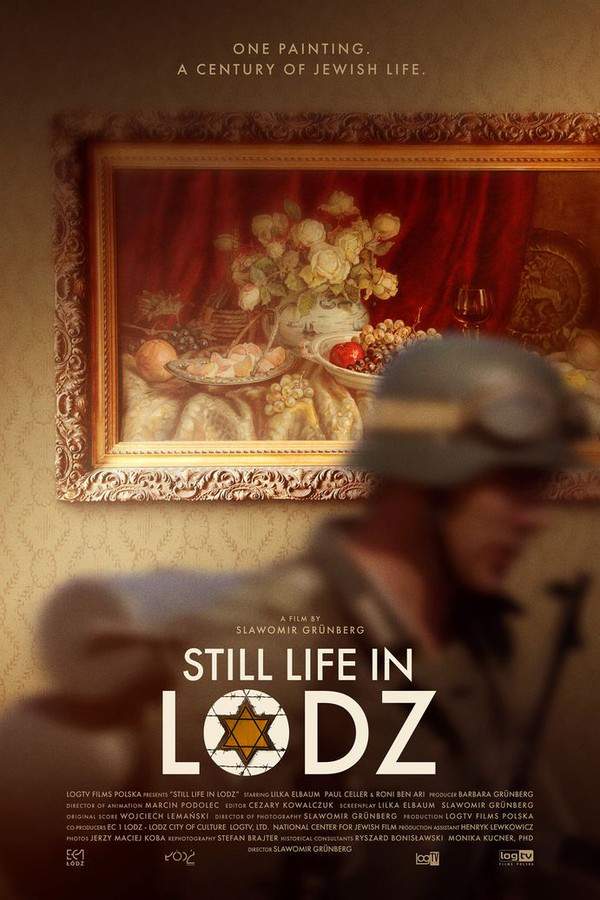
A century-old painting becomes the focal point of this moving documentary, serving as a testament to human resilience and the lasting impact of memory and art. The film explores the lost history of the Jewish community in Lodz, Poland, across three distinct periods. Through the painting, the stories of generations are revealed, honoring their experiences and preserving their legacy.
Find where to stream, rent, or buy Still Life in Lodz (2021) in the US with current JustWatch availability, up-to-date pricing, and platform listings for subscription, rental, and digital purchase options.
Warning: spoilers below!
Haven’t seen Still Life in Lodz yet? This summary contains major spoilers. Bookmark the page, watch the movie, and come back for the full breakdown. If you're ready, scroll on and relive the story!
Read the complete plot breakdown of Still Life in Lodz (2021), including all key story events, major twists, and the ending explained in detail. Discover what really happened, and what it all means.
A large still-life painting has held a significant presence in the life of Lilka Elbaum, gracing the wall above her childhood bed in Lodz, Poland. This piece of art, perhaps dating back to when the building first welcomed inhabitants in the late 1890s, was the first thing her eyes fell upon each morning and the last sight as she drifted off to sleep. Over the years, it has silently witnessed the turbulent history of the Jewish families that once lived there, transitioning to a German family during the war, before returning to her Jewish family post-war. The painting bore witness to the heart-wrenching expulsions of Polish Jews, particularly in October 1968, when Lilka and many others were forced to leave Poland.
In the poignant film "Still Life in Lodz," the symbolism of the painting enlightens the narrative of Lilka's journey as she now resides in Boston, longing to reconnect with her past. Her quest leads her back to Lodz, alongside companions such as Paul Celler, a fellow New Yorker, and Roni Ben Ari, an Israeli who, like Lilka, shares profound connections to the city and a yearning to unearth remnants of family memories.
Directed by the acclaimed Slawomir Grünberg, a celebrated documentary filmmaker and esteemed Emmy-award winner, the film delicately explores the once-thriving Jewish community of Lodz. It captures its near-total obliteration during the Shoah, traces its revival in the aftermath of the war, and examines the forced expulsion in 1968, leading up to the present-day Jewish community. Employing a unique blend of archival footage, authentic Ghetto drawings, modern creative animation techniques, and contemporary documentary sequences, this historical essay unfolds a powerful narrative that honors the resilience and rich history of Lodz's Jewish heritage.
Last updated: October 25, 2024 at 10:38
Explore frequently asked questions about Still Life in Lodz (2021) with spoiler-rich answers covering the full plot summary, major story beats, character motivations, hidden details, and ending meaning. This movie summary FAQ helps explain confusing scenes, plot twists, and narrative decisions in clear, searchable detail.
In October 1968, a wave of state-sponsored antisemitism led to the forced expulsion of many Polish Jews, including Lilka Elbaum. Following the 1968 student protests, the Polish government launched an anti-Semitic campaign that stripped thousands of Jews of their citizenship and forced them to leave the country.
The Jewish community in Lodz was nearly totally obliterated during the Shoah. The city had one of the largest Jewish populations in Europe before the war, but was largely wiped out through deportation to concentration camps and extermination. The Lodz Ghetto was the second-largest ghetto after Warsaw.
During World War II, the building where the painting hung was taken over by a German family. Despite the upheaval and the displacement of Jewish residents, the painting remained in the building and later returned to Jewish ownership after the war, becoming a silent witness to the turbulent history.
The painting serves as a central symbol connecting three distinct historical periods of the Jewish community in Lodz: the pre-war vibrant community, the Holocaust devastation, and the post-war revival before the 1968 expulsion. It represents continuity, memory, and the lasting impact of art across generations of displacement.
Paul Celler is a fellow New Yorker who accompanies Lilka on her journey, while Roni Ben Ari is an Israeli who, like Lilka, shares profound connections to Lodz. Both have their own family histories and memories tied to the city, making their collective exploration a shared quest to unearth remnants of their ancestry.
Lilka returns to Lodz to reconnect with her past and reclaim her identity and heritage that was severely affected by historical tribulations. Living in Boston, she grapples with feelings of loss and nostalgia, and her journey back is about reclaiming the family memories and history that were interrupted by expulsion.
The 1968 expulsion marked another major departure for the Jewish community, following the near-total destruction during the Holocaust. The film explores how the community continued to exist in diminished numbers, with the documentary capturing efforts to preserve memory and honor the resilience of those who remained.
During World War II, the German occupation of Poland involved the systematic displacement of Polish and Jewish residents from their homes. The building where Lilka's family lived was seized and given to a German family, reflecting the broader policy of Germanization and the persecution of Jewish families in occupied Poland.
The documentary uses a blend of archival footage, authentic Ghetto drawings, modern creative animation techniques, and contemporary documentary sequences to weave together the three periods: the pre-war Jewish community, the Holocaust devastation, and the post-war revival leading to the 1968 expulsion. This artistic approach connects past and present.
The documentary was directed by Slawomir Grünberg, an acclaimed documentary filmmaker and Emmy-award winner known for his powerful historical documentaries. His approach balances past and present, using artistic techniques to honor the resilience and rich history of Lodz's Jewish heritage.
Discover curated groups of movies connected by mood, themes, and story style. Browse collections built around emotion, atmosphere, and narrative focus to easily find films that match what you feel like watching right now.
Stories where a single artifact reveals lost histories and personal resilience.Explore movies like Still Life in Lodz where a physical object unlocks hidden histories. If you enjoyed the way a painting revealed generations of stories, you'll find similar documentaries and dramas about reclaiming the past through artifacts, personal legacies, and intergenerational connection.
Stories in this thread typically focus on a protagonist discovering or investigating a significant object. The narrative unfolds through the process of research, recollection, or meeting others connected to the item, revealing a deeper, often emotional, history that was nearly lost. The journey is one of discovery and reclamation.
Movies are grouped here because they share a central narrative device—an object as a key to the past—and a thematic focus on memory, legacy, and the enduring impact of history on the present. They often blend somber reflection with a resilient, hopeful outlook.
Quiet, respectful films that confront difficult history to find hope and connection.Discover movies similar to Still Life in Lodz that approach difficult history with a steady, melancholic pace. If you appreciated its blend of somber remembrance and resilient hope while exploring themes like the Holocaust and diaspora, you'll find other thoughtful films about healing historical wounds.
These narratives often follow a structure of revisiting a traumatic historical event or period. They use a blend of archival material, personal testimony, and contemporary reflection to build a comprehensive picture. The emotional journey moves from initial sorrow and loss towards a concluding emphasis on preservation, legacy, and the strength found in remembering.
These films are grouped by their shared commitment to processing profound historical trauma without being exploitative or sensational. They share a melancholic yet resilient tone, a steady pacing that allows for reflection, and an ending that leans towards hopefulness born from acknowledging the past.
Don't stop at just watching - explore Still Life in Lodz in full detail. From the complete plot summary and scene-by-scene timeline to character breakdowns, thematic analysis, and a deep dive into the ending - every page helps you truly understand what Still Life in Lodz is all about. Plus, discover what's next after the movie.
Track the full timeline of Still Life in Lodz with every major event arranged chronologically. Perfect for decoding non-linear storytelling, flashbacks, or parallel narratives with a clear scene-by-scene breakdown.
Discover the characters, locations, and core themes that shape Still Life in Lodz. Get insights into symbolic elements, setting significance, and deeper narrative meaning - ideal for thematic analysis and movie breakdowns.
Discover movies like Still Life in Lodz that share similar genres, themes, and storytelling elements. Whether you’re drawn to the atmosphere, character arcs, or plot structure, these curated recommendations will help you explore more films you’ll love.
Still Life in Lodz (2021) Scene-by-Scene Movie Timeline
Still Life in Lodz (2021) Movie Characters, Themes & Settings
Still Life in Lodz (2021) Spoiler-Free Summary & Key Flow
Movies Like Still Life in Lodz – Similar Titles You’ll Enjoy
Struggle: The Life and Lost Art of Szukalski (2018) Movie Recap & Themes
Hiding and Seeking: Faith and Tolerance After the Holocaust (2004) Detailed Story Recap
Buried Prayers (2011) Ending Explained & Film Insights
Marek Edelman… And There Was Love in the Ghetto (2019) Movie Recap & Themes
The Last Survivors (2019) Detailed Story Recap
I’m Still Here: Real Diaries of Young People Who Lived During the Holocaust (2005) Full Summary & Key Details
Still Alive: A Film About Krzysztof Kieslowski (2005) Movie Recap & Themes
Shoah (1985) Full Movie Breakdown
Genocide (1982) Film Overview & Timeline
Partisans of Vilna (1986) Complete Plot Breakdown
Long Is the Road (1948) Story Summary & Characters
Photographer (1998) Story Summary & Characters
Birthplace (1992) Spoiler-Packed Plot Recap
Voyages (1999) Spoiler-Packed Plot Recap
Children Must Laugh (1936) Movie Recap & Themes