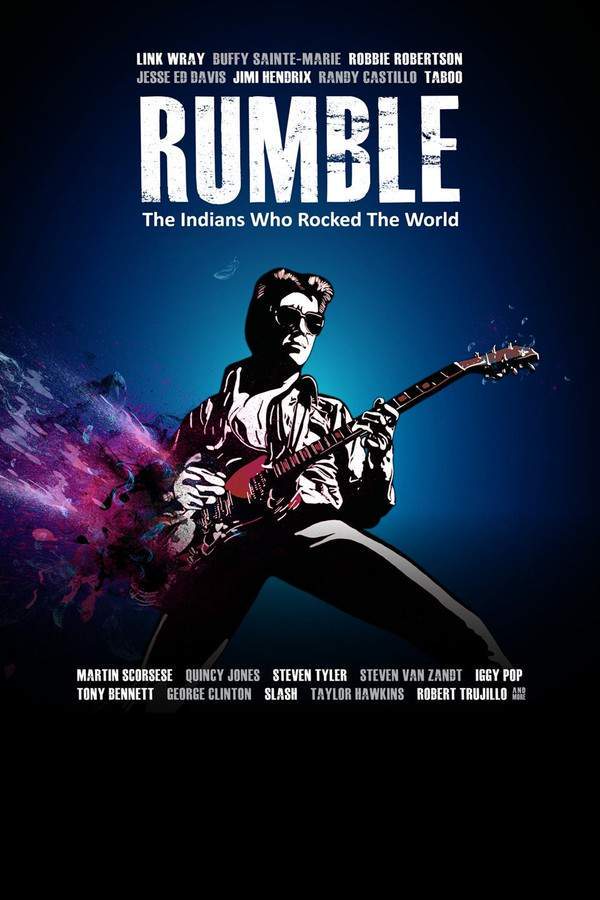
Year: 2017
Runtime: 103 min
Language: English
Directors: Alfonso Maiorana, Catherine Bainbridge
Echo Score: 77This documentary explores the significant, yet often unrecognized, contributions of Indigenous musicians to North American popular music. It highlights the groundbreaking work of artists like Link Wray and Jimi Hendrix, and others who defied convention and helped shape the sound of generations. Through compelling stories and archival footage, Rumble: The Indians Who Rocked The World celebrates the innovative styles and enduring legacy of Native American artists who profoundly impacted the music landscape.
Find where to stream, rent, or buy Rumble: The Indians Who Rocked The World (2017) in the US with current JustWatch availability, up-to-date pricing, and platform listings for subscription, rental, and digital purchase options.
Warning: spoilers below!
Haven’t seen Rumble: The Indians Who Rocked The World yet? This summary contains major spoilers. Bookmark the page, watch the movie, and come back for the full breakdown. If you're ready, scroll on and relive the story!
Read the complete plot breakdown of Rumble: The Indians Who Rocked The World (2017), including all key story events, major twists, and the ending explained in detail. Discover what really happened, and what it all means.
Many musical artists and genres contributed to the development of rock music, yet arguably, no single piece has had a greater impact than Link Wray's iconic 1958 instrumental, "Rumble." This groundbreaking work by the American Indian rock guitarist and singer/songwriter is noted for its unique sound. Filmmaker Martin Scorsese reflects on the song's powerful essence, stating, > "It is the sound of that guitar . . . that aggression." "Rumble" was revolutionary as it was the first track to incorporate distortion and feedback, pioneering the rock power chord, and infamously, it became one of the rare instrumental singles banned from radio due to concerns it might spark violence.
The documentary RUMBLE delves into the significant role of Native American influence in musical history, emphasizing the resilience against efforts to suppress and erase Indian culture in the United States. It highlights that early blues pioneers had roots not only in African American culture but also in Native American traditions, showcasing that one of the foremost jazz vocalists drew inspiration from Native American melodies. As folk rock emerged in the 60s and 70s, the contributions of Native Americans were vital in shaping its trajectory.
Prominent artists with Indigenous heritage such as Charley Patton, Mildred Bailey, Jimi Hendrix, and Buffy Sainte-Marie left an indelible mark on the history of music, often without recognition of their cultural backgrounds.
Through vibrant re-creations, untold narratives, concert footage, archival materials, and interviews, RUMBLE shares the stories of these legendary Native musicians as narrated by some of America's most celebrated music icons. Figures like Quincy Jones, Tony Bennett, Iggy Pop, Steven Tyler, and Stevie Van Zandt offer insights into their experiences and inspirations drawn from these artists.
RUMBLE ultimately reveals how Indigenous music has been woven into the very fabric of American popular music from its inception, a contribution that has long been overlooked—until now.
Last updated: November 03, 2024 at 23:38
Explore frequently asked questions about Rumble: The Indians Who Rocked The World (2017) with spoiler-rich answers covering the full plot summary, major story beats, character motivations, hidden details, and ending meaning. This movie summary FAQ helps explain confusing scenes, plot twists, and narrative decisions in clear, searchable detail.
'Rumble' was banned from radio in 1958 because it was the first rock track to use heavy distortion and feedback, creating an aggressive sound that radio stations feared might incite violence among listeners. Despite being an instrumental, stations were concerned the raw power of the guitar sound could spark dangerous behavior, making it one of the rare instrumental singles to face such a ban.
The documentary establishes early on that this controversial reaction only heightened the song's legendary status among musicians.
'Rumble' was revolutionary because it was the first recorded track to intentionally incorporate distortion and feedback, pioneering the rock power chord that would define the genre. Martin Scorsese describes the sound as pure aggression, and the guitar techniques used by Link Wray influenced virtually every rock guitarist who followed, from Jimi Hendrix to later punk and heavy metal artists.
The film shows how this single 1958 recording changed the trajectory of popular music forever.
The documentary reveals that early blues pioneers drew inspiration from both African American and Native American musical traditions. One of the foremost jazz vocalists incorporated Native American melodies into her style, showing how Indigenous musical elements were woven into the foundation of American music long before rock emerged.
This connection between cultures is established early as a key theme the documentary explores.
Jimi Hendrix, one of the most influential rock guitarists in history, had Indigenous heritage that is highlighted in the documentary. His revolutionary guitar techniques and psychedelic style drew from diverse cultural influences, and the film celebrates his contributions while noting how his Native American background was often overlooked in mainstream music history.
Hendrix appears later in the documentary as one of the major artists whose Indigenous roots deserve recognition.
The documentary argues that systematic efforts to suppress and erase Native American culture in the United States led to the erasure of Indigenous musical contributions from popular narratives. Despite Native Americans shaping blues, jazz, folk rock, and rock music from its inception, mainstream history focused on other cultural influences while ignoring these foundational contributions.
The film builds its case by showing how these artists were celebrated during their lifetimes yet forgotten afterward.
Buffy Sainte-Marie is featured as an iconic Indigenous artist whose work left an indelible mark on music history. Her powerful songwriting and distinctive style influenced generations of artists, and the documentary highlights her as part of the roster of Native American musicians whose contributions were significant even as their cultural backgrounds remained largely unrecognized.
Sainte-Marie represents the 1960s-70s era of Indigenous musical innovation the documentary explores.
Charley Patton and Mildred Bailey are highlighted as pioneering musicians with Indigenous heritage whose work shaped American music. Patton was a foundational Delta blues figure, while Bailey became one of the foremost jazz vocalists of her era. Both artists incorporated Native American musical elements into their styles, influencing countless musicians who followed.
Their stories appear in the documentary's exploration of early 20th century musical roots.
The documentary features interviews with celebrated music figures including Quincy Jones, Tony Bennett, Iggy Pop, Steven Tyler, and Stevie Van Zandt. These artists offer personal insights into how Native American musicians influenced their own work and express their recognition of the debt that popular music owes to Indigenous artists.
These contemporary artists serve as the documentary's narrators and interpreters of historical influence.
As folk rock emerged in the 1960s and 70s, Native American contributions proved vital in shaping the genre's trajectory. The documentary emphasizes that Indigenous musical traditions provided essential elements that helped define folk rock's sound, showing how these influences created a rich tapestry of musical innovation that continues to resonate.
This era represents one of several periods where Indigenous influence is shown to be transformative.
'Rumble' is now recognized as a turning point in rock music history where sound, culture, and identity converged to redefine what the genre could be. The documentary examines how the song's influence persists in modern rock, punk, and metal, with countless artists citing Link Wray as a primary influence on their approach to the electric guitar.
The film concludes by showing how this 1958 recording continues to echo through contemporary music.
Discover curated groups of movies connected by mood, themes, and story style. Browse collections built around emotion, atmosphere, and narrative focus to easily find films that match what you feel like watching right now.
Documentaries that uncover hidden histories and challenge dominant narratives.If you enjoyed the eye-opening storytelling of Rumble: The Indians Who Rocked The World, explore more movies like it. This section features documentaries that uncover hidden contributions and challenge established histories, offering similar experiences of discovery and cultural celebration.
The narrative follows a pattern of investigation and revelation. It starts by establishing a gap or misrepresentation in the historical record, then systematically uncovers evidence and personal stories to build a compelling case for a new perspective. The journey is one of gradual enlightenment, culminating in a powerful sense of recognition and vindication for the subjects.
Movies in this thread are grouped by their shared mission to correct the historical record. They share a hopeful, resilient tone and a steady, investigative pacing that builds to an uplifting conclusion. The experience is defined by its revelatory power and its ability to inspire through education.
Stories that honor the enduring impact and hidden struggles of influential artists.Looking for more films like Rumble: The Indians Who Rocked The World? Discover movies that celebrate the lives and enduring impact of artists. These stories honor creative legacies, often exploring resilience and the power of art to overcome cultural suppression and inspire generations.
These narratives trace the arc of an artist's journey, emphasizing their innovations, the obstacles they faced (be it personal, societal, or industry-related), and their ultimate, often posthumous, recognition. The structure serves to connect their personal story to their broader cultural impact, creating a legacy narrative that feels both personal and historically significant.
This thread unites films through their reverent and celebratory focus on artistic contribution. They share a core emotional journey from struggle to recognition, a medium emotional weight that acknowledges difficulty without being overwhelming, and a consistently inspirational and uplifting mood that leaves the viewer with a deep appreciation for the artist's work.
Don't stop at just watching - explore Rumble: The Indians Who Rocked The World in full detail. From the complete plot summary and scene-by-scene timeline to character breakdowns, thematic analysis, and a deep dive into the ending - every page helps you truly understand what Rumble: The Indians Who Rocked The World is all about. Plus, discover what's next after the movie.
Track the full timeline of Rumble: The Indians Who Rocked The World with every major event arranged chronologically. Perfect for decoding non-linear storytelling, flashbacks, or parallel narratives with a clear scene-by-scene breakdown.
Discover the characters, locations, and core themes that shape Rumble: The Indians Who Rocked The World. Get insights into symbolic elements, setting significance, and deeper narrative meaning - ideal for thematic analysis and movie breakdowns.
Get a quick, spoiler-free overview of Rumble: The Indians Who Rocked The World that covers the main plot points and key details without revealing any major twists or spoilers. Perfect for those who want to know what to expect before diving in.
Discover movies like Rumble: The Indians Who Rocked The World that share similar genres, themes, and storytelling elements. Whether you’re drawn to the atmosphere, character arcs, or plot structure, these curated recommendations will help you explore more films you’ll love.
Rumble: The Indians Who Rocked The World (2017) Scene-by-Scene Movie Timeline
Rumble: The Indians Who Rocked The World (2017) Movie Characters, Themes & Settings
Rumble: The Indians Who Rocked The World (2017) Spoiler-Free Summary & Key Flow
Movies Like Rumble: The Indians Who Rocked The World – Similar Titles You’ll Enjoy
The White Stripes Under Great White Northern Lights (2010) Movie Recap & Themes
Rush: Beyond the Lighted Stage (2010) Plot Summary & Ending Explained
Imagining the Indian: The Fight Against Native American Mascoting (2023) Movie Recap & Themes
Girls Rock! (2008) Complete Plot Breakdown
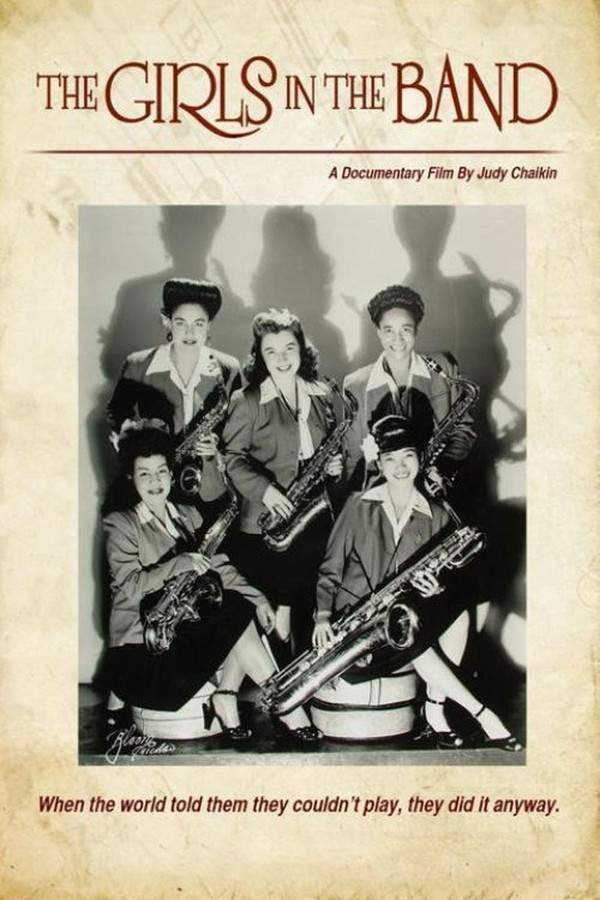
The Girls in the Band (2013) Detailed Story Recap
Amá (2018) Ending Explained & Film Insights
Rocks at Whiskey Trench (2000) Film Overview & Timeline
Women in Rock (1980) Complete Plot Breakdown
The Rhythmatist (1985) Detailed Story Recap
Thunder and Mud (1990) Complete Plot Breakdown
Triumph: Rock & Roll Machine (2021) Plot Summary & Ending Explained
Count Me In (2021) Detailed Story Recap
The White Stripes: Under Great White Northern Lights (2009) Ending Explained & Film Insights
The History of Rock ’n’ Roll (1995) Detailed Story Recap
The Rock-afire Explosion (2008) Detailed Story Recap