Bert Kalmar, Fred Astaire, headlines a popular vaudeville dance act with his partner and sweetheart, Jessie Brown Vera-Ellen. Kalmar is also a part-time magician and playwright, and while Jessie adores him, she longs to marry and settle down for a steadier life. The film follows their ups and downs in the bustling world of show business, where love and ambition pull in different directions even as the music keeps calling.
One evening, stagehand Harry Ruby unintentionally wrecks Kalmar’s magic act, throwing the routine into chaos and sending Kalmar home with a hurt knee. With dancing temporarily off the table, Kalmar pivots to writing songs and winds up pairing with the composer Harry Ruby, forging a friendship as their tunes begin to win audiences and critics alike. The shift from stage to studio is treated with warmth and humor, underscoring how creativity can bloom from setback.
As Kalmar experiments with new ideas, Jessie becomes both his partner and his biggest supporter, helping him navigate the transition from performer to songwriter. The pair’s collaboration is further enriched by Harry’s own personal quirks and passions, including his well-known love of baseball, which Kalmar and Jessie cleverly enlist to keep him engaged and away from unsuitable girlfriends. Through these interludes, the film paints a portrait of loyalty, humor, and the evolving chemistry among the trio.
The story broadens with a side plot invented for the movie: a play penned by Kalmar that becomes the flashpoint for a major falling-out between the songwriters, a rift that they eventually mend as their professional partnership deepens. This arc gives the film a sense of behind-the-scenes drama while never losing sight of its musical heart.
Across a tapestry of vignettes featuring Kalmar, Ruby, Brown, and their colleagues, the picture showcases several of the duo’s most celebrated tunes, including Who’s Sorry Now?, Nevertheless, Thinking of You, and I Love You So Much. These numbers illuminate the breezy charm and enduring appeal of their collaborations, weaving memory and melody into the story’s backbone and giving the audience a window into a golden era of song and performance.
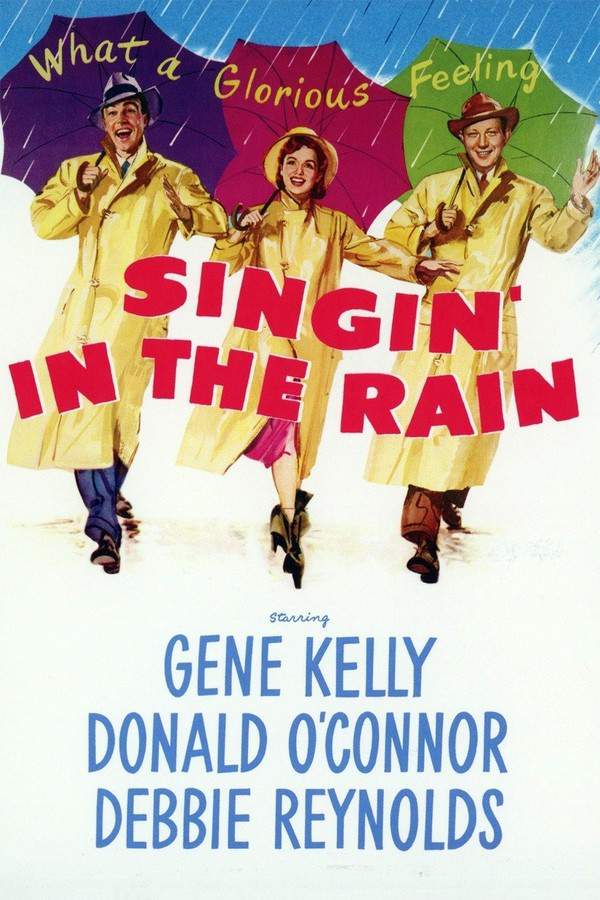
A standout moment comes when a young Debbie Reynolds appears as Helen Kane, delivering a rendition of the era's flirtatious anthem, I Wanna Be Loved By You. The scene remains a fun, cheeky homage within the film’s affectionate look at early Hollywood’s musical talent and its playful crossovers.
Amid the laughter and music, a running gag follows Ruby’s ongoing struggle to find just the right lyric for a melody, a tease that threads through the narrative and into the finale. As the credits approach, Kalmar and Ruby are celebrated for their contributions, and, with a wink to the audience, Kalmar takes the stage to perform their latest creation, Three Little Words, much to Ruby’s surprised delight.