Plot Explained Spoilers guaranteed!
Plot Explained

Browse by genre

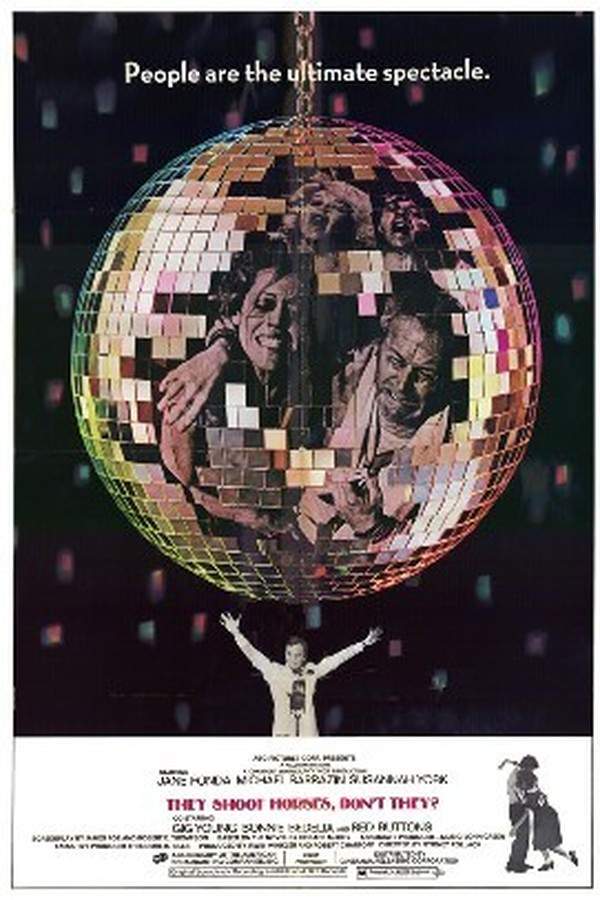
They Shoot Horses, Don't They? (1969) movie poster

Timeline

They Shoot Horses, Don't They? (1969) Timeline Explained – Every Event in Order

Release, runtime and language
1969 · 129 min · English
Directed by
Sydney Pollack
Starring
Jane Fonda, Bruce Dern, Gig Young, Bonnie Bedelia, Susannah York, Michael Conrad

During the Great Depression, a cruel dance marathon host, Rocky, exploits vulnerable contestants hoping to win a substantial cash prize. The competition draws a diverse group, including a former actress struggling to stay relevant, a world-weary sailor, a delicate young woman, and a pregnant teenager. As the grueling marathon stretches into weeks, physical and emotional exhaustion take their toll, and Rocky’s desire for publicity pushes the participants to increasingly desperate measures.

On this page (6)
  1. 1 Events in order (15)
  2. 2 Timeline questions answered
  3. 3 The book behind the movie
  4. 4 Movie threads
  5. 5 Movies like They Shoot Horses, Don't They?
  6. 6 Every angle

15 events in order · contains spoilers

They Shoot Horses, Don't They? Timeline: Events in Chronological Order

Every key event of They Shoot Horses, Don't They? (1969) in order, scene by scene, with when and where it takes place. Use it to untangle flashbacks, time jumps and parallel storylines, to refresh your memory before the sequel or to find the exact scene you are thinking of.

  1. The Great Depression

    The story begins during the bleak era of the Great Depression, which sets a tone of despair and desperation among the characters. Many individuals are seeking any means to survive, leading them to participate in unusual forms of competition for monetary gain.

    When
    1930s
  2. The Dance Marathon Begins

    Robert Syverton arrives at the Santa Monica Pier to find the peculiar atmosphere of a dance marathon in full swing. Contestants are competing fervently for a cash prize of $1,500, desperately trying to catch the attention of the Hollywood elite.

    Where
    Santa Monica Pier
  3. Partnership with Gloria

    After Gloria Beatty's previous partner is incapacitated by illness, Robert steps in to form a dance partnership with her. The two find commonality in their struggles, as Gloria's troubled demeanor mirrors Robert's own emotional burdens.

  4. Introduction of Other Contestants

    The diverse mix of contestants is established, introducing major characters like the ex-sailor Harry Kline and aspiring actress Alice with her actor friend Joel. Each participant brings unique backgrounds that enrich the competitive atmosphere but also heighten the emotional stakes.

  5. Rocky's Manipulations Begin

    Rocky, the cunning promoter of the event, exploits contestants' vulnerabilities for entertainment value. His manipulation not only adds to the drama of the marathon but also exposes the participants to emotional and physical hardships.

  6. Tensions Rise

    As the marathon progresses, jealousy and emotional turmoil surface, especially when Rocky steals one of Alice's dresses to create a scandal. Gloria becomes increasingly uneasy about Robert's attention towards Alice, exacerbating the existing friction between the contestants.

  7. Harry's Sudden Death

    The competition takes a grim turn when Harry dies unexpectedly, highlighting the severe implications of the grueling contest. His death shocks the remaining contestants and serves as a stark reminder of the physical toll imposed by the event.

  8. Rocky's Deception after the Death

    Rather than allowing the harsh reality of Harry's death to upset the audience, Rocky orchestrates a cover-up. The medics' hurried removal of Harry's body underscores the callous nature of the competition, with profit taking precedence over human life.

  9. Alice's Withdrawal

    Alice's mental state deteriorates under the mounting pressure, leading her to withdraw for medical attention. In a rare moment of empathy, Rocky extends support to her, but it only highlights the fierce competition that drives people to their breaking points.

  10. Partners Reunite

    After a series of changes in partnership due to withdrawals, Robert and Gloria are paired again. Their reconnection amid the chaos serves as both a source of strength and an increasing challenge, as they face the marathon's demands together.

  11. Rocky's Manipulative Scheme

    Rocky devises a scheme to encourage Robert and Gloria to pose as a married couple, aiming to invoke sympathy from potential benefactors. This plan reveals the desperate lengths to which the participants are pushed to secure financial aid amid escalating pressure.

  12. Decision to Forfeit

    Faced with overwhelming despair and realizing the futility of continuing, Robert and Gloria decide to forfeit the competition. Their decision reflects a broader commentary on the moral degradation and emotional toll exacted by the relentless pursuit of survival in such dire circumstances.

    Where
    Dance Hall
  13. Tragic Revelation

    As they leave the dance hall, Gloria reveals her deep emotional anguish, sharing her thoughts of emptiness and her struggle with life. In a poignant moment, she draws a gun, expressing her desire for peace, which leads to a heartbreaking, tragic conclusion.

    Where
    Santa Monica Pier
  14. Robert's Arrest

    After Robert complies with Gloria's final wish, authorities swiftly arrive to take him into custody. This shocking turn of events underscores the theme of tragedy that permeates the film, leaving Robert haunted by his choices.

  15. The Marathon Continues

    In the aftermath of Gloria's death, the marathon trudges on with depleted contestants. The line of participants dwindles, a stark reflection of the human cost behind the facade of competition, as the eyes of the audience remain fixed on the dwindling count.

Last updated: November 22, 2024 at 11:52

Was this helpful?

Timeline questions answered

They Shoot Horses, Don't They? Timeline Explained: Your Questions Answered

When does it happen, and why in that order? The questions people ask about the chronology of They Shoot Horses, Don't They? (1969): time jumps, flashbacks, cause and effect between scenes and the correct order of events, each answered with spoilers.

Q1

Why does Robert agree to kill Gloria at the end?

Robert kills Gloria because she explicitly asks him to. After they forfeit the marathon, Gloria confesses she is exhausted by life and has no will to continue. She pulls a gun from her purse but cannot bring herself to pull the trigger, so she pleads with Robert to end her suffering. Overcome by despair and compassion for her pain, Robert complies with her request. This act represents the ultimate consequence of the exploitation and desperation the marathon has inflicted on both of them.

Foreshadowing: Early in the film, Gloria's troubled demeanor and dark outlook hint at her profound emotional distress, foreshadowing her final request.

  • robert syverton
  • gloria beatty
  • death
  • suicide
  • mercy killing
  • tragic ending
Q2

What does the title "They Shoot Horses, Don't They?" mean?

The title refers to a common practice during the Great Depression when horses that could no longer race or work were often shot rather than kept alive at further expense. The film draws a parallel between these discarded horses and the exhausted marathon dancers who are similarly used until they collapse or die, then discarded by the system that exploited them. The final line, spoken by Robert to the police, 'They shoot horses, don't they?' reinforces this metaphor by equating his act of mercy with the cold practicality of putting down an animal that has outlived its usefulness.

Foreshadowing: The title serves as an ominous foreshadowing, establishing from the outset that the film will explore themes of expendability and desperate measures during economic hardship.

  • title meaning
  • metaphor
  • great depression
  • exploitation
  • symbolism
Q3

Why does Gloria want to end her life?

Gloria's desire to die stems from a profound sense of emptiness and weariness that predates the marathon. She describes herself as having 'nothing to look forward to' and expresses deep despair about her life. The brutal marathon intensifies her existing emotional pain, pushing her past her breaking point. Her request for Robert to kill her is portrayed not as an impulsive act but as a calculated choice by someone who has been struggling with existential emptiness long before the competition began.

Foreshadowing: Gloria's troubled demeanor from her first appearance and her repeated expressions of hopelessness throughout the marathon build toward her tragic decision.

  • gloria beatty
  • despair
  • emptiness
  • suicide
  • emotional toll
Q4

Why does Rocky cover up Harry's death during the marathon?

Rocky orchestrates a cover-up of Harry's death because the show must continue for the audience and the profit it generates. He recognizes that a contestant dying on stage would shatter the illusion of the event and drive away spectators. Rocky has Harry's body hastily removed while the music keeps playing, pretending nothing happened. This act underscores Rocky's ruthless prioritization of money over human life and highlights the dehumanizing nature of the competition.

Foreshadowing: Rocky's pattern of exploiting contestants for entertainment value throughout the marathon establishes his willingness to do anything for profit, making the cover-up consistent with his character.

  • harry kline
  • death cover-up
  • rocky
  • exploitation
  • marathon rules
Q5

Why do the contestants keep dancing despite the extreme conditions?

The contestants continue because the $1,500 prize represents their only hope for survival during the Great Depression. Many have no other options for income and are desperate enough to endure physical collapse, emotional trauma, and even death. The prize money could provide food, shelter, and a chance at a better life. Additionally, the social pressure to win and the fear of walking away empty-handed keep them locked in the competition, even as their bodies and minds deteriorate.

Foreshadowing: The initial desperation of contestants entering the marathon establishes the economic desperation that drives them to such extremes.

  • dance marathon
  • great depression
  • desperation
  • money
  • survival
  • contestants
Q6

Why does Robert agree to be Gloria's dance partner?

Robert agrees to partner with Gloria after her previous partner collapses from bronchitis. Though initially a random pairing, Robert recognizes a kindred spirit in Gloria, both are troubled individuals seeking purpose and escape. Robert's own background as a wandering soul with burdens to bear creates an immediate connection with Gloria's despair. Their partnership becomes the emotional core of the film as they navigate the marathon together.

Foreshadowing: Robert's status as a 'wandering soul' introduced at the start establishes his search for connection, which explains his willingness to help someone in distress.

  • robert syverton
  • gloria beatty
  • partnership
  • dance partner
Q7

What happens to Alice during the marathon?

Alice, the aspiring actress from London, experiences a mental breakdown under the mounting pressure of the marathon. Her deterioration is exacerbated by Rocky's manipulation, including stealing one of her dresses to create dramatic controversy. Eventually, Alice withdraws from the competition to receive medical attention, though her ultimate fate remains unclear. Her withdrawal represents one of the many human costs of the relentless competition.

Foreshadowing: Rocky's theft of Alice's dress and the resulting emotional turmoil plant the seeds for her eventual breakdown.

  • alice
  • mental breakdown
  • withdrawal
  • rocky manipulation
Q8

Why does Rocky suggest Robert and Gloria pretend to be married?

Rocky proposes that Robert and Gloria pose as a married couple to attract sympathy and financial support from wealthy benefactors like Mrs. Laydon. He calculates that audiences would be more generous to a struggling married couple than to unmarried dancers. This scheme exemplifies Rocky's exploitation of emotional manipulation for profit, treating the contestants' personal lives as entertainment fodder to maximize revenue.

Foreshadowing: Rocky's pattern of manufacturing drama and emotional spectacles throughout the marathon foreshadows this calculated manipulation of the contestants' relationship.

  • rocky
  • mrs laydon
  • marriage scheme
  • exploitation
  • fundraising
Q9

Why do Robert and Gloria decide to forfeit the marathon?

Robert and Gloria decide to forfeit because they realize the prize money will be consumed by expenses, leaving them with nothing despite weeks of suffering. Rocky reveals that costs for food, medical treatments, and other fees will slice through their potential winnings. Additionally, both are emotionally and physically exhausted, with Gloria reaching the breaking point of her will to live. Their forfeiture represents the collapse of hope that kept them dancing.

Foreshadowing: Earlier tensions about expenses and Rocky's manipulations establish the financial reality that ultimately makes continuing futile.

  • robert
  • gloria
  • forfeit
  • prize money
  • expenses
  • withdrawal
Q10

How does Rocky manipulate the contestants throughout the marathon?

Rocky exploits contestants by creating manufactured drama, promoting quack medicine, and pushing participants to dangerous extremes for audience entertainment. He steals Alice's dress to spark jealousy and conflict, allows dangerous medical treatments to continue, and pressures dancers to keep going even when physically collapsing. Rocky treats the contestants as commodities whose suffering generates profit, demonstrating the dehumanizing nature of the competition.

Foreshadowing: Rocky's introduction as a shrewd promoter who 'astutely exploits the weaknesses of the contestants' sets the stage for his increasingly ruthless manipulations.

  • rocky
  • manipulation
  • exploitation
  • drama
  • contestants

Movie threads

More Movies Like They Shoot Horses, Don't They?, by Mood & Story

Curated lists built around what makes They Shoot Horses, Don't They? tick: the same mood, the same kind of story or the same emotional payoff. Each list explains why these movies belong together.

Movies about exploitation and desperation like They Shoot Horses, Don't They?

Stories where oppressive institutions slowly grind down desperate individuals. If you were captivated by the grim portrayal of human exploitation in 'They Shoot Horses, Don't They?', explore these films. This selection features intense dramas set within oppressive systems, where desperate characters face physical and mental breakdown, offering similar heavy emotional weight and bleak social commentary.

  • oppressive
  • grim
  • desperate
  • claustrophobic
  • exploitative
  • exhausting
  • Tone: bleak, cynical
  • Pacing: steady, methodical
Why these movies?

The story pattern: Movies in this thread typically follow a downward spiral, often set within a single, confining location that represents a larger, uncaring system. The plot centers on a group or individual being pushed to their absolute limits, with the narrative focusing on the step-by-step process of their physical and psychological deterioration rather than a traditional hero's journey.

Why they belong together: These films are grouped for their shared, unflinching focus on the theme of exploitation. They create a consistent mood of despair and claustrophobia, use a steady, deliberate pacing to amplify the sense of inescapable doom, and deliver a profoundly heavy emotional impact through their bleak conclusions.

Grueling endurance dramas with a bleak tone like They Shoot Horses, Don't They?

A relentless test of physical and mental limits in a confined space. For viewers who appreciated the exhausting, high-stakes marathon in 'They Shoot Horses, Don't They?', this list highlights similar films about grueling physical and mental tests. Discover movies that share a steady pacing, high intensity, and a focus on the desperate struggle for survival against overwhelming odds, leading to emotionally heavy conclusions.

  • exhausting
  • desperate
  • grim
  • high-stakes
  • stressful
  • melancholic
  • Tone: grim, desperate
  • Pacing: steady, relentless
Why these movies?

The story pattern: The narrative pattern is one of attrition. A group enters a high-pressure situation, and the story documents their collective and individual breakdown over time. There is little plot outside the central endurance challenge; the drama comes from watching people succumb to exhaustion, despair, and their own flaws as they fight for a goal that may not be worth the cost.

Why they belong together: These films are united by the core experience of watching characters endure an almost unbearable physical and psychological ordeal. They share a high-intensity, oppressive atmosphere, a steady pacing that mirrors the prolonged struggle, and a deeply melancholic or desperate mood that results from pushing human limits.

If you liked this

Movies Like They Shoot Horses, Don't They?

Similar movies to They Shoot Horses, Don't They?: the same genre, themes or kind of story. Each one comes with its own plot summary, timeline and ending explained.

Browse all movie summaries

Every angle

They Shoot Horses, Don't They? (1969) Explained: Plot, Timeline & Characters

Everything about They Shoot Horses, Don't They? in one place: what happens in the plot summary, the timeline in chronological order, the characters and meaning and a spoiler-free summary. What's After the Movie adds the cast, box office and post-credit scenes.

Coming soon on iOS and Android

The Plot Explained Movie Summary App

Plot summaries, endings explained and timelines on your phone. Catch up on any movie in minutes, save your favorites and never miss a twist again.

Be the first to know when we launch. Your email stays private, always.

Learn more about the app