Plot Explained Spoilers guaranteed!
Plot Explained

Browse by genre

The Truce (1974) movie poster

Characters & Themes

The Truce (1974) Characters, Setting & Themes Explained

Release, runtime and language
1974 · 108 mins · Spanish
Starring
Rudy Chernicoff, Oscar Martínez, Héctor Alterio, Luis Brandoni, Norma Aleandro, Antonio Gasalla

You will not be able to ignore this story A man has to come to terms with his wasted youth, estranged family and grim prospects for the future.

On this page (7)
  1. 1 Characters explained (7)
  2. 2 Where & when it takes place
  3. 3 Themes & meaning (4)
  4. 4 Character & meaning questions
  5. 5 Movie threads
  6. 6 Movies like The Truce
  7. 7 Every angle

7 main characters · contains spoilers

The Truce Characters Explained: Who Is Who

The main characters of The Truce (1974), heroes and villains: what drives them, how they change over the course of the story and what each of them reveals about the film's bigger ideas.

  • Martín Santomé (Héctor Alterio)

    A widower nearing middle age who searches for purpose after years of routine. His reluctant romance with Laura offers a glimmer of renewal, yet he remains haunted by disappointment and a sense of life passing him by. He is introspective, pragmatic, and capable of emotional vulnerability as he confronts his choices.

    • 🎭 Drama
    • 👨‍🦳 Aging
    • 💔 Romance
  • Laura (Ana María Picchio)

    A much younger co-worker who forms a connection with Martín. She embodies independence and optimism, while revealing the complexities of intimate relationships across age and power dynamics. Her illness and death become a catalyst for Martín's reevaluation of life.

    • 🎭 Drama
    • 💬 Romance
    • 🧑‍🤝‍🧑 Age gap
  • Jaime (Oscar Martínez)

    Martín's son, who struggles with acceptance and ultimately comes out. His decision to leave home intensifies the family drama and tests the bonds between father and son. He represents youthful rebellion, identity, and the costs of truth-telling.

    • 🎭 Drama
    • 🧑‍🎤 Identity
    • 🏳️‍🌈 Coming out
  • Esteban (Luis Brandoni)

    The elder son who resents his father's choices and the perceived mediocrity of his life. He embodies disappointment, stubbornness, and the generational clash over expectations and happiness.

    • 🎭 Drama
    • 💡 Generational
    • 🧍‍♂️ Disappointment
  • Mujer del colectivo (Norma Aleandro)

    The woman Martín bonds with on a bus, whose encounter catalyzes a moral and emotional reckoning. She represents the possibility of fleeting connection outside routine, as well as the vulnerability of seeking human contact late in life.

    • 🎭 Drama
    • 🚌 Bus encounter
    • ❤️ Romance
  • Laura's mother (Cipe Lincovsky)

    Mother figure in Laura's world, connected to the social fabric around the young woman's life. Provides a sense of familial ties and generational context in Laura's world.

    • 🎭 Drama
    • 👪 Family
    • 🗝️ context
  • Blanca Santomé (Marilina Ross)

    The middle child of Martín Santomé, caring and open-minded, who navigates family life with a liberal stance relative to her brother Esteban. Her relationships illustrate the evolving roles and expectations within the family.

    • 🎭 Drama
    • 👩‍👧 Family
    • 💃 Relationship

Last updated: October 04, 2025 at 17:39

Was this helpful?

Setting

Where and When Does The Truce Take Place?

The setting of The Truce (1974): the year and time period, the places and locations, and how they shape the characters, the mood and the tension of the story.

Time period

Location

Last updated: October 04, 2025 at 17:39

Was this helpful?

4 major themes

The Truce Meaning: Themes & Message Explained

What is The Truce (1974) really about? The emotional, social and philosophical themes the film keeps returning to, its symbolism and the message beneath the surface.

  • Love and Loneliness

    A late-life romance becomes a temporary refuge from a life of routine and disappointment. Martín and Laura's relationship challenges social norms and age, while offering a fleeting sense of purpose. The film frames this romance as a fragile truce with life, highlighting the loneliness that persists even within connection.

  • Family and Generations

    The story centers on a family in flux: a father, his embittered son, and a daughter's independent path. Generational gaps spark conflict and potential reconciliation, as each character seeks meaning within changing social expectations. The film uses intimate family dynamics to examine happiness, duty, and the risk of estranging loved ones.

  • Identity and Acceptance

    Jaime's coming out exposes the hidden truths beneath the family's surface and rearranges loyalties. The film probes courage, fear, and the costs of authenticity, challenging the old guard's tolerance. The moment suggests that acceptance may come with painful consequences but also necessary self-definition.

  • Mortality and Meaning

    Laura's death forces Martín to confront the fragility of life and the illusion of lasting happiness. The title's idea of a 'truce with life' crystallizes as mortality intrudes, leaving the audience with an ambiguous, contemplative finale. The film uses death to question whether any respite from sorrow is genuine or merely temporary.

Last updated: October 04, 2025 at 17:39

Was this helpful?

Character & theme questions

The Truce Characters & Meaning: Your Questions Answered

The questions people ask about The Truce (1974): who the characters really are, their relationships, what the symbols mean, where it takes place and what the movie is really about. Each answer contains spoilers.

Q1

What is The Truce about?

The film follows Martín Santomé, a widower nearing middle age who has lived a life of routine and disappointment. When he begins a reluctant romance with a younger co-worker named Laura, he finds brief renewal and purpose, though the relationship ultimately underscores his loneliness. Alongside this romantic subplot, Martín grapples with his estranged family, particularly his sons Jaime and Esteban, and his daughter Blanca, as they all confront questions of identity, duty, and happiness.

  • martín santomé
  • plot summary
  • romance
  • drama
  • midlife
Q2

What are the main themes?

The film explores four interconnected themes: love and loneliness, which examines how fleeting romance offers temporary refuge from life's disappointments; family and generations, which looks at the tensions and potential reconciliation between parents and children; identity and acceptance, particularly through Jaime's coming out which forces the family to confront hidden truths; and mortality and meaning, as Laura's death forces Martín to confront life's fragility and whether any lasting peace is possible.

  • love
  • loneliness
  • family
  • generations
  • identity
  • acceptance
  • mortality
  • themes
Q3

What does the title mean?

The title refers to the idea of a 'truce with life', a temporary reprieve from sorrow and routine. Martín's romance with Laura represents this fragile armistice, a brief pause in his lifelong disappointment. However, as mortality intrudes through Laura's illness and death, the film questions whether any such truce can be genuine or lasting, leaving the meaning ambiguous and contemplative.

  • title meaning
  • truce
  • interpretation
  • life
  • mortality
Q4

Who is Martín Santomé?

Martín Santomé is the film's protagonist, a widower in middle age played by Héctor Alterio. He has spent years in routine and disappointment, haunted by a sense of wasted youth and estrangement from his family. Though introspective and pragmatic, he remains capable of emotional vulnerability. His reluctant romance with Laura offers a glimpse of renewal, but he must ultimately confront his choices and the fleeting nature of happiness.

  • martín santomé
  • protagonist
  • widower
  • héctor alterio
Q5

Who is Laura in the movie?

Laura is a much younger co-worker of Martín's played by Ana María Picchio. She embodies independence and optimism, forming a connection with Martín that challenges social norms around age and power dynamics. Her illness and eventual death become a catalyst for Martín's profound reevaluation of his life and choices, representing both fleeting hope and the fragility of happiness.

  • laura
  • young woman
  • co-worker
  • romance
  • ana maría picchio
Q6

Who is Jaime Santomé?

Jaime is Martín's son, played by Oscar Martínez, who struggles with acceptance and ultimately comes out as gay. His decision to leave home intensifies the family drama and tests the bonds between father and son. Jaime represents youthful rebellion, the courage of self-definition, and the painful costs of authenticity within a family struggling with traditional expectations.

  • jaime
  • santome
  • son
  • gay
  • coming out
  • oscar martínez
Q7

What is the movie's message about family?

The film portrays a family in flux: Martín as the aging patriarch, his embittered son Esteban who resents his father's choices, Jaime who risks estrangement through his truth-telling, and Blanca who navigates family life with a more liberal stance. Generations clash over expectations, duty, and happiness, with the film suggesting that reconciliation is possible but requires confronting uncomfortable truths and changing social expectations.

  • family
  • generations
  • father
  • sons
  • daughter
  • conflict
  • reconciliation
Q8

What does the movie say about aging and regret?

The film confronts the pain of wasted youth and the difficulty of finding meaning late in life. Martín's journey reflects the universal struggle to reconcile with past choices, lost time, and the grim prospects that lie ahead. His brief romance offers hope, but its tragic end reinforces that happiness may be fleeting. The movie suggests aging brings both wisdom and the burden of unresolved regrets.

  • aging
  • regret
  • wasted youth
  • middle age
  • purpose
  • disappointment
Q9

What is the movie's tone and style?

The film has a melancholy tone, unfolding with restraint and compassion rather than melodrama. The pacing is slow, focusing on character studies and small, cumulative revelations. This intimate realism allows the emotional weight of loss, aging, and fractured family bonds to settle deeply, punctuated by a brief hopeful counterpoint in Martín's romance before its abrupt, tragic conclusion.

  • tone
  • style
  • melancholy
  • realism
  • pacing
  • emotional weight

Movie threads

More Movies Like The Truce, by Mood & Story

Curated lists built around what makes The Truce tick: the same mood, the same kind of story or the same emotional payoff. Each list explains why these movies belong together.

Melancholic character studies of quiet regret like in The Truce

Intimate stories where characters confront the quiet disappointments of a life half-lived. Explore movies like The Truce that delve into the personal, quiet regrets of a character's life. If you appreciated the film's intimate, reflective journey into a protagonist's past and the emotional weight of their introspection, you'll find similar stories of somber self-examination here.

  • melancholic
  • introspective
  • somber
  • quiet
  • regretful
  • reflective
  • Tone: melancholic, reflective, somber
  • Pacing: slow, deliberate, observational
Why these movies?

The story pattern: These narratives often follow a character's internal journey rather than external events. Through quiet observation and small, cumulative moments, they are forced to reckon with the consequences of their past actions, leading to a profound sense of melancholy and a fragile, often ambiguous, stance towards the future.

Why they belong together: Movies in this thread share a focus on a solitary character's emotional landscape, a melancholic tone driven by reflection on the past, and a slow, deliberate pacing that mirrors the process of introspection. They are united by their heavy emotional weight and themes of lost time and personal reckoning.
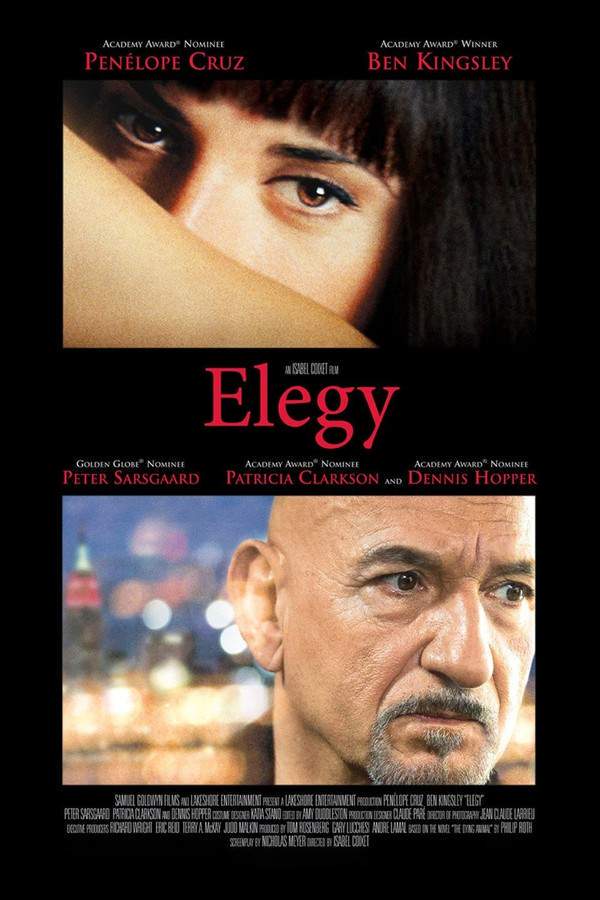
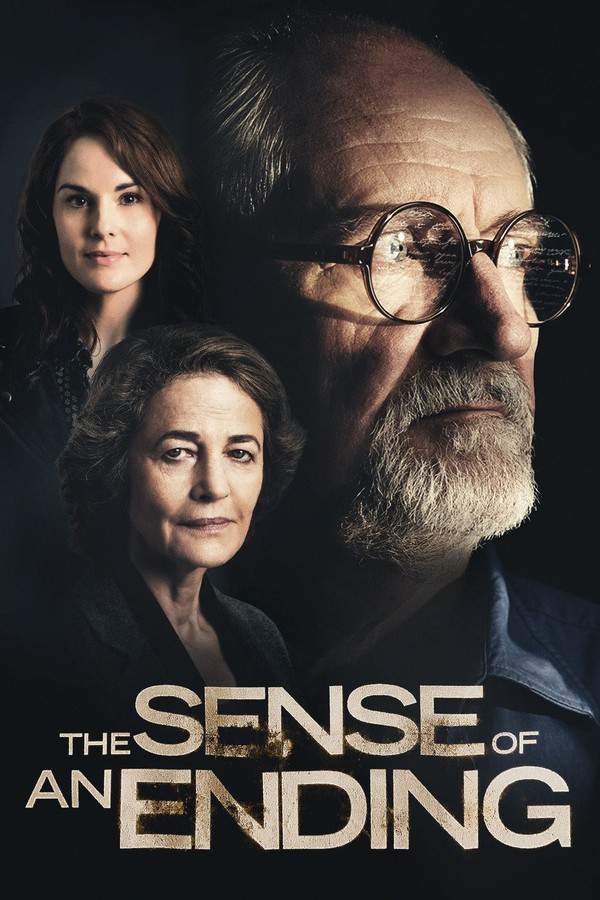
Tragic romances that offer fleeting hope like in The Truce

Stories where a late-life love provides brief solace before a devastating end. Discover movies similar to The Truce that feature a poignant, tragic romance. If you were moved by the film's storyline of a fragile, hopeful love emerging in a character's life only to be shattered, you'll find other powerful dramas exploring love, loss, and bittersweet second chances.

  • tragic
  • bittersweet
  • romantic
  • hopeful
  • sad
  • melancholic
  • Tone: bittersweet, melancholic, tragic
  • Pacing: slow to steady, emotionally driven
Why these movies?

The story pattern: The narrative pattern involves a protagonist, often isolated or grieving, who finds unexpected love. This relationship becomes a powerful catalyst for change and hope. However, this newfound happiness is fragile and temporary, ending in tragedy that leaves the character profoundly changed, carrying the memory of a lost possibility.

Why they belong together: These films are connected by a high romance score that is intertwined with a high sadness score. They share a bittersweet-to-bleak emotional arc, where romance serves as a counterpoint to sorrow but ultimately succumbs to it, creating a deeply moving and emotionally heavy viewing experience.

If you liked this

Movies Like The Truce

Similar movies to The Truce: the same genre, themes or kind of story. Each one comes with its own plot summary, timeline and ending explained.

Browse all movie summaries

Every angle

The Truce (1974) Explained: Plot, Timeline & Characters

Everything about The Truce in one place: what happens in the plot summary, the timeline in chronological order, the characters and meaning and a spoiler-free summary. What's After the Movie adds the cast, box office and post-credit scenes.

Coming soon on iOS and Android

The Plot Explained Movie Summary App

Plot summaries, endings explained and timelines on your phone. Catch up on any movie in minutes, save your favorites and never miss a twist again.

Be the first to know when we launch. Your email stays private, always.

Learn more about the app