Plot Explained Spoilers guaranteed!
Plot Explained

Browse by genre

The Rack (1956) movie poster

Timeline

The Rack (1956) Timeline Explained – Every Event in Order

Release, runtime and language
1956 · 100 mins · English
Directed by
Arnold Laven
Starring
Paul Newman, Cloris Leachman, Lee Marvin, Trevor Bardette, Edmond O'Brien, Wendell Corey

Paul Newman shines in his role as Army Captain Edward Hall, who returns to America after two years in a Korean War prison camp. There he was forced to help the Chinese persuade fellow POWs that their cause was unjust. Back home, Hall is charged with enemy collaboration, forcing him to confront the limits of loyalty in the camp’s nightmare.

On this page (5)
  1. 1 Events in order (13)
  2. 2 Timeline questions answered
  3. 3 Movie threads
  4. 4 Movies like The Rack
  5. 5 Every angle

13 events in order · contains spoilers

The Rack Timeline: Events in Chronological Order

Every key event of The Rack (1956) in order, scene by scene, with when and where it takes place. Use it to untangle flashbacks, time jumps and parallel storylines, to refresh your memory before the sequel or to find the exact scene you are thinking of.

  1. Homecoming from captivity

    Captain Edward W. Hall Jr. returns to a US Army post in San Francisco after spending two years in a Korean POW camp. His reunion is tempered by the grief over his brother Pete’s death, which weighs on his father and the family. The homecoming hints at the personal and national wounds that will soon surface.

    When
    after release from POW camp
    Where
    US Army post, San Francisco
  2. Welcome-home party

    A welcome-home party is held to celebrate Hall’s return. Colonel Dudley Smith, a friend of Ed Sr., is surprised to learn the extent of the Hall family’s pain and the secret burden he carries. The event marks a rare moment of normalcy before the trial looms over them all.

    When
    immediately after return
    Where
    US Army post, San Francisco
  3. Charges announced

    Word reaches that Hall is about to be tried for collaboration with the enemy. The revelation unsettles both Hall and his family as they confront the gravity of the charges. The military community braces for a case that blends personal loyalty with national duty.

    When
    soon after return
    Where
    San Francisco
  4. Father confronts his son

    In a blunt exchange, Hall Sr. asks whether the charges are true, forcing Hall to reply with a simple admission: 'Yes, I did.' The moment exposes a deep rift between generations and the costly cost of wartime decisions. The family begins to face the consequences together.

    When
    early in the case
    Where
    San Francisco, family setting or office
  5. Prosecution begins

    Major Sam Moulton leads the prosecution, presenting eyewitnesses who claim Hall gave speeches and signed documents at the POW camp. The courtroom becomes a battleground over memory, truth, and accountability. The case is framed as a test of character under extreme duress.

    When
    during the trial
    Where
    Court-martial chamber
  6. Miller's testimony

    Capt. John Miller, a fellow prisoner and decorated officer, testifies about the torture he endured and states that he never conceded anything beyond his name, rank, and serial number. He also calls Hall a coward in unguarded remarks. The testimony intensifies the moral clash in the courtroom.

    When
    during the trial
    Where
    Courtroom
  7. Support and tension

    Hall has the sister-in-law Aggie’s support, yet his father initially refuses to attend the trial. The family’s disagreements mirror the larger conflict between personal loyalty and public judgment. The trial becomes as much about family honor as it is about treason.

    When
    pre-trial
    Where
    Courtroom or family setting
  8. Decision to testify

    Hall feels desolate and wishes to plead guilty, but his lawyer Lt. Col. Frank Wasnick persuades him to take the stand and explain his actions. The lawyer reframes the case as a moral examination rather than a pure admission of guilt. Hall's choice to testify becomes the focal point of the defense.

    When
    before trial
    Where
    Military legal office or prep room
  9. Torture recalled in detail

    On the witness stand, Hall recounts the brutal torture he endured in the POW camp, including burying soldiers, carrying a wounded man for days, and months of solitary confinement. He explains how repeated demands to read propaganda statements forced him to write one himself, attempting to mock the enemy. The vivid testimony lays bare the extreme pressure he faced and his fragile resolve.

    When
    during trial
    Where
    Courtroom
  10. Breaking point from Pete's death

    Hall reveals his breaking point occurred when the enemy delivered a letter from his father, informing him of Pete’s death. The emotional blow reframes his sense of duty and allegiance. The moment crystallizes the personal cost of war and captivity.

    When
    winter 1951
    Where
    POW camp
  11. Father attends and forgives

    Hall’s father finally attends the trial and is devastated by the testimony about his son’s breaking point. Yet, in a poignant turn, he forgives his son, illustrating the complexities of forgiveness within a family and the scars of wartime loyalties. The reconciliation underscores a deeply personal dimension to the public proceedings.

    When
    during trial
    Where
    Courtroom
  12. Guilty verdict

    The official judgment comes: Hall is found guilty of treason. The verdict underscores the severity of the charges while juxtaposing it with the emotional weight of his testimony and the family’s response. The courtroom settles into a somber silence as the legal process completes a grim arc.

    When
    end of trial
    Where
    Courtroom
  13. Contrition on the witness stand

    The film closes with Hall’s continued contrition on the witness stand, accepting responsibility for his actions and the betrayal perceived by his country. The final moments emphasize the personal cost and the hard-won clarity earned through the trial. Family, law, and memory converge in a somber, reflective ending.

    When
    closing
    Where
    Courtroom

Last updated: October 09, 2025 at 12:35

Was this helpful?

Timeline questions answered

The Rack Timeline Explained: Your Questions Answered

When does it happen, and why in that order? The questions people ask about the chronology of The Rack (1956): time jumps, flashbacks, cause and effect between scenes and the correct order of events, each answered with spoilers.

Q1

Why was Captain Hall charged with treason?

Hall was charged with treason for collaborating with the enemy during his two years in a Korean POW camp. The prosecution alleged that he gave speeches and signed documents on behalf of the Chinese enemy, which was interpreted as betraying his country and fellow soldiers.

Foreshadowing: The welcome-home party is interrupted when Col. Dudley Smith reveals the upcoming court-martial, foreshadowing the legal battle to come.

  • treason charge
  • collaboration
  • POW camp
  • court-martial
  • military trial
Q2

What did Hall actually do in the POW camp?

Hall was pressured by his captors to read propaganda statements and eventually wrote his own statement. He also buried dead soldiers and carried a wounded man for days to prevent him from becoming a casualty. While he did comply with some enemy demands, his statements were intended to mock the enemy rather than genuinely collaborate.

  • propaganda
  • prisoner of war
  • Chinese captors
  • statement writing
  • captivity
Q3

Why did Hall admit to collaboration?

Hall admitted to collaboration because he believed it was the honest truth. Rather than making excuses, he chose to acknowledge his actions on the witness stand and explain the extreme circumstances that led to his decisions, including the brutal torture and psychological pressure he endured.

Foreshadowing: The early confrontation with his father where Hall simply says 'Yes, I did' establishes his willingness to face the truth directly.

  • admission
  • guilt
  • testify
  • truth
  • accountability
Q4

Who testified against Hall in the court-martial?

Captain John R. Miller, a fellow prisoner who bore the marks of torture, testified against Hall. Miller stated he never conceded more than his name, rank, and serial number, and he referred to Hall as a coward. Miller's testimony was damaging because he represented the ideal of resistance that Hall seemed to have failed to meet.

  • John Miller
  • testimony
  • witness
  • cowardice
  • fellow prisoner
Q5

How did the letter about Pete's death affect Hall?

The letter from Hall's father informing him of his brother Pete's death was Hall's breaking point. This personal tragedy, arriving during months of solitary confinement and relentless pressure, shattered his emotional resolve and became the turning point that led to his eventual cooperation with the enemy.

Foreshadowing: The homecoming is immediately tempered by the family's grief over Pete's death, establishing the personal toll that haunts the story.

  • Pete Hall
  • death letter
  • brother
  • emotional breakdown
  • breaking point
Q6

Why did Hall's father initially refuse to attend the trial?

Col. Edward Hall Sr. initially refused to attend the trial out of shame and inability to face his son's legal proceedings. The weight of losing one son (Pete) and seeing another son accused of treason was too much for him to bear publicly. His absence reflected the family's deep struggle with honor and loyalty.

Foreshadowing: The father's request for honesty in the early confrontation sets up the theme of family honor versus truth.

  • father
  • Colonel Hall
  • family honor
  • shame
  • absence
Q7

What was Hall's defense strategy?

Hall's defense attorney, Lt. Col. Frank Wasnick, convinced him to take the stand and explain his actions rather than pleading guilty. The strategy was to present the full context of his captivity, including the torture, isolation, and psychological pressure, so the court could understand the extreme circumstances that led to his actions.

  • defense attorney
  • Wasnick
  • legal strategy
  • testify
  • extreme duress
Q8

What was the verdict in The Rack?

Hall was found guilty of treason. Despite his emotional testimony about the brutality he endured and the personal tragedy of his brother's death, the court-martial delivered a guilty verdict that carried serious consequences for his future.

Foreshadowing: The courtroom atmosphere grows increasingly accusatory throughout the trial, building toward this somber conclusion.

  • guilty verdict
  • treason
  • sentence
  • court-martial outcome
Q9

What torture did Hall endure in the POW camp?

Hall endured severe torture including being forced to bury fellow soldiers, carrying a wounded man for days to prevent his collapse, and spending months in solitary confinement with little light or human contact. This relentless pressure was designed to break his will and force collaboration.

  • torture
  • solitary confinement
  • captivity
  • brutality
  • psychological pressure
Q10

Why was Hall's father's attendance at the trial significant?

When Hall's father finally attended the trial and saw his son on the witness stand, he experienced profound grief that led to forgiveness. This moment represented a powerful reconciliation between father and son, contrasting with the harsh verdict that followed and highlighting the personal versus public judgment of Hall's actions.

  • father forgiveness
  • reconciliation
  • courtroom
  • family
Q11

Why did Miller call Hall a coward?

Miller called Hall a coward because in his view, Hall had compromised under pressure while Miller himself refused to concede anything beyond his name, rank, and serial number despite enduring torture. Miller's testimony reflected the strict code of conduct expected of POWs and his belief that Hall had failed that test.

  • Miller coward
  • courage
  • resistance
  • POW code
  • ethical standards
Q12

Why did the Chinese want Hall to make propaganda statements?

The Chinese captors wanted Hall to make propaganda statements to use as psychological warfare against American forces. By getting an American officer to speak on their behalf, they hoped to undermine morale and suggest that the American cause was unjust. Hall's refusal to simply read their statements and instead mocking them in his own wording was a form of subtle resistance.

  • propaganda
  • psychological warfare
  • Chinese
  • interrogation
  • cognitive

Movie threads

More Movies Like The Rack, by Mood & Story

Curated lists built around what makes The Rack tick: the same mood, the same kind of story or the same emotional payoff. Each list explains why these movies belong together.

Courtroom dramas exploring moral ambiguity like The Rack

Stories where characters are forced to justify their survival in a hostile courtroom. If you liked the tense court-martial and moral interrogation in The Rack, you'll find similar movies here. These films use the courtroom as a stage for psychological drama, focusing on characters defending their actions during traumatic events like war or captivity, creating a heavy, gripping experience.

  • tense
  • morally complex
  • gripping
  • somber
  • anxious
  • psychologically demanding
  • Tone: tense, somber, morally complex
  • Pacing: steady, deliberate
Why these movies?

The story pattern: The narrative typically alternates between the tense, formal present of the trial and harrowing flashbacks that provide context for the accused's actions. The central conflict is internal and external: the protagonist battles their own trauma while fighting a system that demands a simple, black-and-white judgment of complex survival choices.

Why they belong together: Movies are grouped here for their shared focus on a legal proceeding that dissects a traumatic past. They share a high-tension atmosphere, a steady, methodical pace that builds dread, and a heavy emotional weight centered on themes of guilt, duty, and the gray areas of survival.
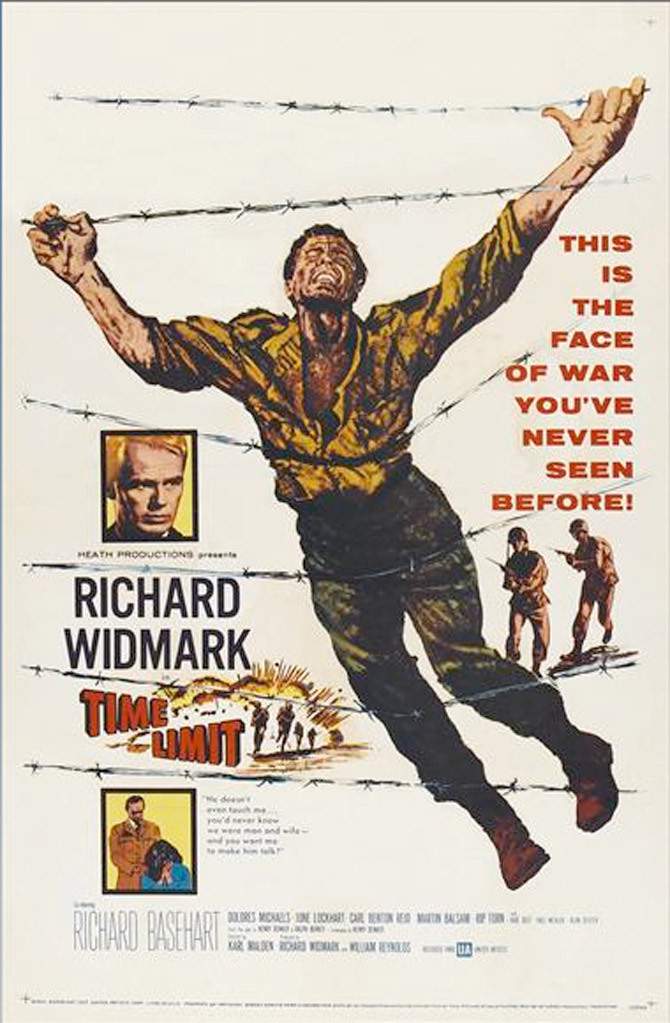
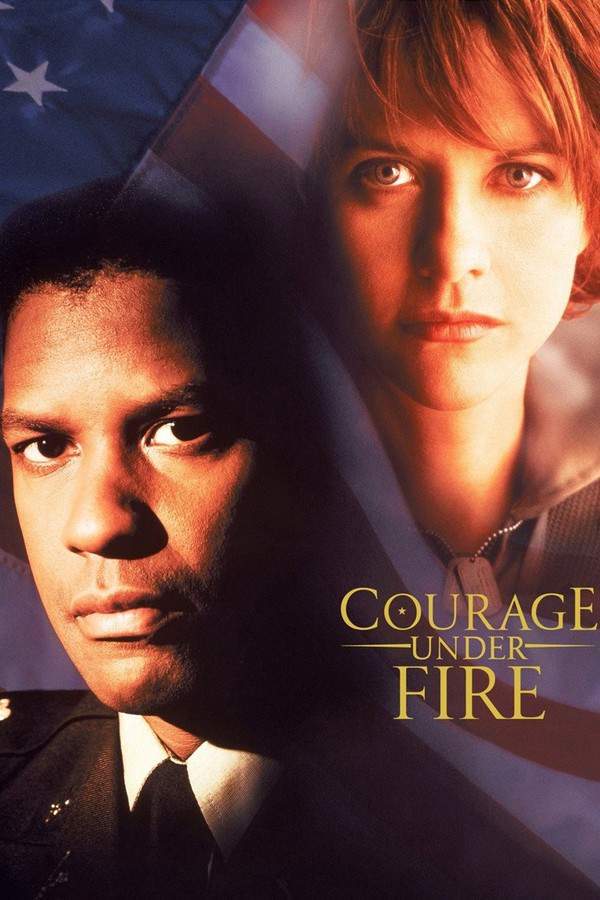
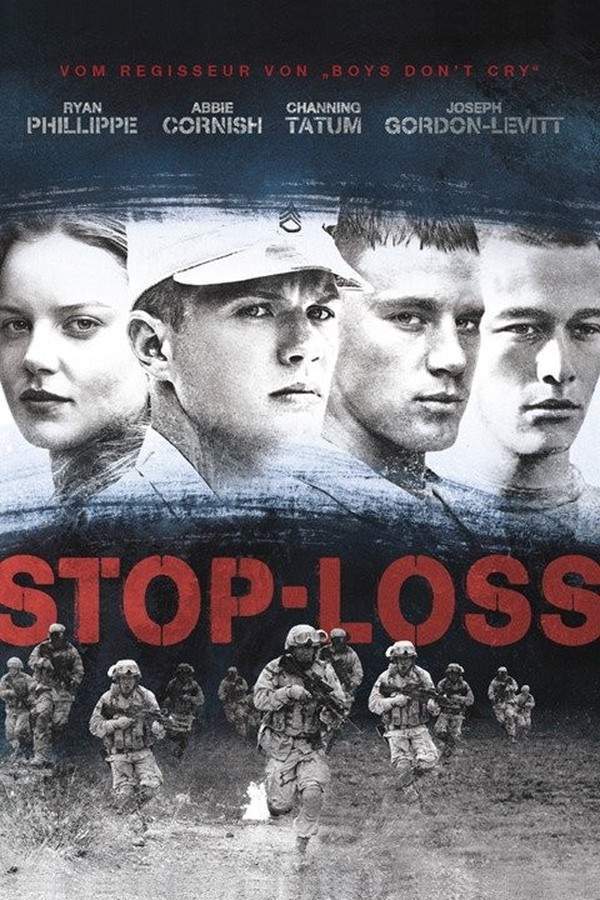
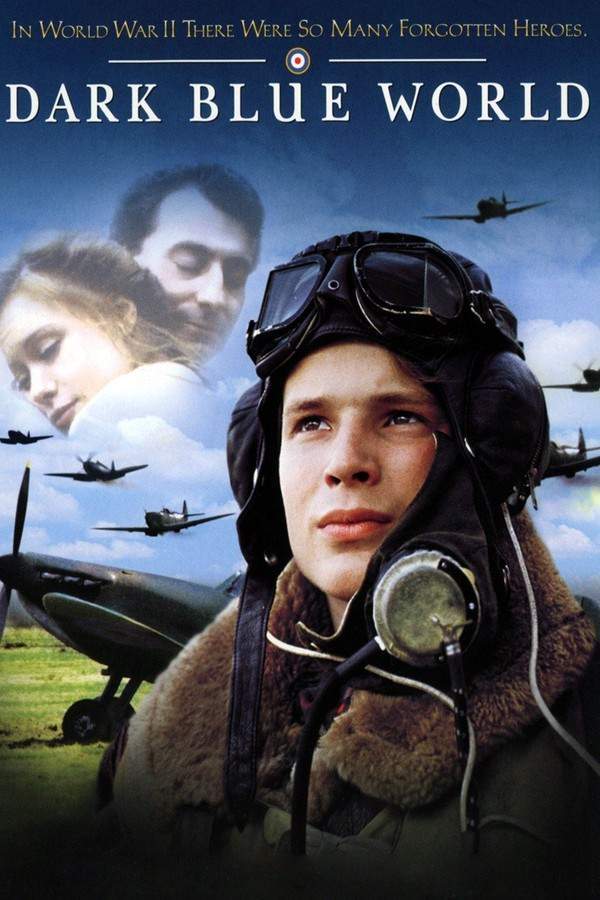
Movies about the trauma of survival like The Rack

Character studies of individuals shattered by extreme experiences, struggling to reintegrate. For viewers who appreciated The Rack's deep dive into post-traumatic stress and the loneliness of a soldier's return. These similar movies explore the heavy emotional aftermath of survival, focusing on psychological torment, grief, and the struggle to find meaning after unimaginable hardship.

  • melancholic
  • oppressive
  • somber
  • psychologically intense
  • emotionally draining
  • lonely
  • Tone: melancholic, oppressive, somber
  • Pacing: steady, character-driven
Why these movies?

The story pattern: The narrative follows a character in the aftermath of a deeply traumatic event, often using flashbacks to contrast their past ordeal with their present alienation. The journey is internal, focusing on their struggle with memory, guilt, and the impossibility of conveying their experience to those who weren't there, frequently leading to a tragic or melancholic resolution.

Why they belong together: These films are united by their primary focus on post-traumatic stress and psychological devastation. They share a melancholic and oppressive mood, a steady pacing that allows for deep character study, and a consistently heavy emotional weight that leaves a lasting impression of sorrow and isolation.

If you liked this

Movies Like The Rack

Similar movies to The Rack: the same genre, themes or kind of story. Each one comes with its own plot summary, timeline and ending explained.

Browse all movie summaries

Every angle

The Rack (1956) Explained: Plot, Timeline & Characters

Everything about The Rack in one place: what happens in the plot summary, the timeline in chronological order, the characters and meaning and a spoiler-free summary. What's After the Movie adds the cast, box office and post-credit scenes.

Coming soon on iOS and Android

The Plot Explained Movie Summary App

Plot summaries, endings explained and timelines on your phone. Catch up on any movie in minutes, save your favorites and never miss a twist again.

Be the first to know when we launch. Your email stays private, always.

Learn more about the app