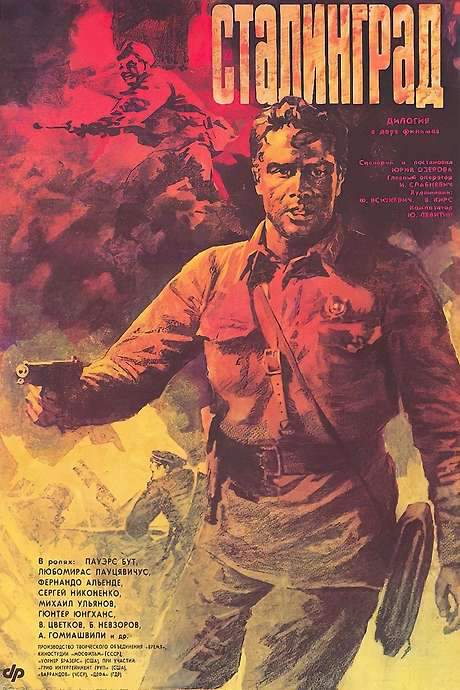
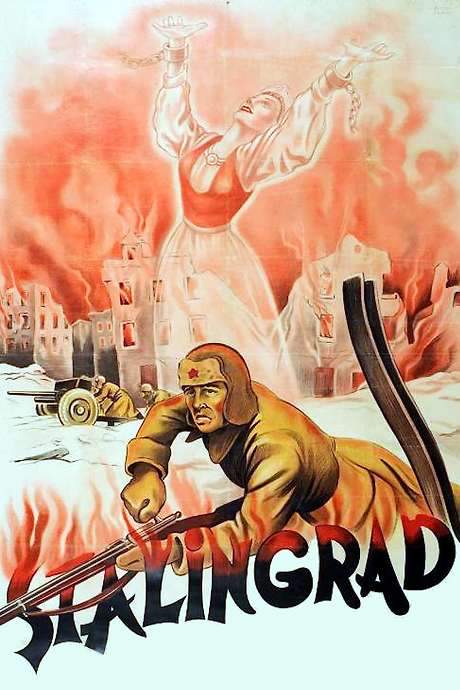
The Turning Point

The Turning Point

Year: 1945

Runtime: 108 mins

Language: Russian

Director: Fridrikh Ermler

WarDrama

The film tells the story of those who took part in the Battle of Stalingrad in 1942, a decisive turning point in the Great Patriotic War. Over five brutal months the city withstood the relentless Nazi offensive. Surrender would have meant loss of the war, yet holding Stalingrad seemed almost impossible.

Warning: spoilers below!

Haven’t seen The Turning Point yet? This summary contains major spoilers. Bookmark the page, watch the movie, and come back for the full breakdown. If you're ready, scroll on and relive the story!

The Turning Point (1945) – Full Plot Summary & Ending Explained

Read the complete plot breakdown of The Turning Point (1945), including all key story events, major twists, and the ending explained in detail. Discover what really happened—and what it all means.

In the heat of the Great Patriotic War, the Volga region becomes a tense axis of fate. German and fascist forces press eastward, concentrating their power to seize a Russian city on the Volga’s banks. The capture of this unnamed city, marked on maps as “Stalingrad,” could threaten the entire Eastern Front and invite attacks from Japan and other nations. The weight of that possibility sits on the shoulders of Soviet leadership as they weigh retreat against a determined defense.

General V. V. Vinogradov Pyotr Andriyevsky commands the front, leaning toward a strategic withdrawal to spare the army from a costly collapse. But General Krivenko Andrei Abrikosov argues against retreat, insisting that surrendering the city would be unacceptable. Into this high-stakes debate comes a direct order from the Soviet Supreme Command: General Muravyov Mikhail Derzhavin is appointed to lead the defense. The order is blunt and unambiguous: “The city must not be surrendered; prepare to defeat the German forces!”

Upon arriving at the front, Muravyov surveys the situation with the calm precision of a seasoned commander. He reconvenes with his unit, and there is a personal tie to the place as he reunites with his wife, Liza, who also serves in the army. Muravyov believes the key to victory is to gain time without exhausting strategic reserves, to exhaust the German assault through tenacious, stubborn defense, and to strike a decisive blow only after the enemy has been bled dry. He views von Klaus, the German commander, as overestimating his own strength and underestimating the Red Army’s resolve to stand firm.

A stark and principled directive shapes the defense: no retreat. Muravyov orders the industrial heart of the city not to be evacuated, insisting that “An empty city will not be defended.” With this stance, General Vinogradov is reassigned as chief of staff, and the front shifts to a policy of stubborn, built-from-the-ground defense rather than large, rapid counter-moves.

The battle intensifies. The Wehrmacht throws in ever more troops, but Muravyov refuses to release strategic reserves for flashy maneuvers. The Germans manage to push into sizable districts of the city, testing fortifications and the resolve of the defenders. Amid the fighting, Muravyov’s wife dies, a personal tragedy that steels his commitment to the city’s defense. As the military situation evolves, Muravyov makes a crucial change in command: General Krivenko is replaced by General Panteleyev Aleksandr Zrazhevsky, a specialist in fortifications and active defense.

Panteleyev questions the enemy’s assumptions and emphasizes the defensive advantages afforded by the city’s geography and built environment. He argues that the western bank and its structures can be used to counter German maneuvering, effectively depriving the enemy of their preferred tank-enabled tactics. Muravyov reiterates the core demands: defend every building, hold the line, and press the enemy to the limit while conserving forces for a future, decisive move.

As intelligence pinpoints the timing of the German final assault, Muravyov plans a concentrated artillery preparation aimed at breaking the enemy’s front as the assault begins. At 3 a.m., a powerful barrage disrupts the German concentrations, and von Klaus makes his decision: attack now or delay. He chooses to press forward, and a brutal exchange follows as Soviet reserves and frontline units launch a counteroffensive that compounds the German losses.

In the ensuing counterattack, Soviet forces seize the initiative, trap the German units, and force a retreat on the attackers. Von Klaus and his staff are captured, while Muravyov maintains a dignified distance, noting, “Now, it’s Manstein who interests me.” He frames the victory as only a part of a broader offensive, insisting that the true objective remains: “To the west, to Berlin.”

The defense ends in a hard-won triumph for the Red Army, celebrated across the country as the city’s steadfast defiance becomes a symbol of resilience and strategic importance. The operation demonstrates how careful planning, strategic restraint in the use of reserves, and an unyielding commitment to defending every inch of the city can alter the course of a battle and contribute to a broader, continental victory.

Last Updated: October 09, 2025 at 11:04

Mobile App Preview

Coming soon on iOS and Android

The Plot Explained Mobile App

From blockbusters to hidden gems — dive into movie stories anytime, anywhere. Save your favorites, discover plots faster, and never miss a twist again.

Sign up to be the first to know when we launch. Your email stays private — always.

Explore Movie Threads

Discover curated groups of movies connected by mood, themes, and story style. Browse collections built around emotion, atmosphere, and narrative focus to easily find films that match what you feel like watching right now.

Military Command Dramas Like The Turning Point

High-stakes military leadership films where command decisions shape history.If you liked the high-pressure command decisions in The Turning Point, explore other movies focused on wartime leadership. These films delve into the strategic minds, stubborn resolve, and immense burden of leaders shaping pivotal battles, offering a similar tense and heavy viewing experience.

tensestrategicgrittyresoluteurgentcommand-focusedsomber

Narrative Summary

These films follow a leadership-centric narrative, often during a siege or pivotal battle. The central conflict is as much about internal strategic disagreements and the psychological toll of command as it is about the external enemy. The plot is driven by critical decisions, logistical challenges, and the human cost of war viewed from a top-down perspective.

Why These Movies?

Movies are grouped here for their shared focus on high-command pressure, strategic stubbornness, and the weight of leadership during large-scale conflicts. They share a tense tone and heavy emotional weight, placing the viewer alongside commanders making impossible choices.

Movies With Hard-Won Victories Like The Turning Point

Stories where victory is achieved, but the personal and collective cost is profound.Fans of The Turning Point's bittersweet triumph will appreciate other films about costly, symbolic victories. These movies deliver a satisfying conclusion but emphasize the heavy emotional toll and personal sacrifices required to achieve it, creating a powerful and resonant ending.

determinedsombertriumphantcostlyresilientbittersweetsymbolic

Narrative Summary

The journey is defined by a prolonged, high-intensity conflict with a clear, critical goal. The narrative builds towards a decisive victory that carries immense symbolic importance, often for a nation or cause. However, the path to this victory is paved with significant personal loss and collective trauma, making the happy ending feel earned and deeply poignant rather than purely celebratory.

Why These Movies?

This thread connects films that masterfully balance a triumphant, happy ending with a heavy emotional journey. They share a high-intensity, steady pacing that builds towards a climax where the victory is undeniable, yet the profound cost ensures the feeling is one of sober relief and solemn pride.

Unlock the Full Story of The Turning Point

Don't stop at just watching — explore The Turning Point in full detail. From the complete plot summary and scene-by-scene timeline to character breakdowns, thematic analysis, and a deep dive into the ending — every page helps you truly understand what The Turning Point is all about. Plus, discover what's next after the movie.

The Turning Point Timeline

Track the full timeline of The Turning Point with every major event arranged chronologically. Perfect for decoding non-linear storytelling, flashbacks, or parallel narratives with a clear scene-by-scene breakdown.

The Turning Point Timeline

Characters, Settings & Themes in The Turning Point

Discover the characters, locations, and core themes that shape The Turning Point. Get insights into symbolic elements, setting significance, and deeper narrative meaning — ideal for thematic analysis and movie breakdowns.

Characters, Settings & Themes in The Turning Point

The Turning Point Spoiler-Free Summary

Get a quick, spoiler-free overview of The Turning Point that covers the main plot points and key details without revealing any major twists or spoilers. Perfect for those who want to know what to expect before diving in.

The Turning Point Spoiler-Free Summary

More About The Turning Point

Visit What's After the Movie to explore more about The Turning Point: box office results, cast and crew info, production details, post-credit scenes, and external links — all in one place for movie fans and researchers.

More About The Turning Point

Similar Movies to The Turning Point

Discover movies like The Turning Point that share similar genres, themes, and storytelling elements. Whether you’re drawn to the atmosphere, character arcs, or plot structure, these curated recommendations will help you explore more films you’ll love.