Plot Explained Spoilers guaranteed!
Plot Explained

Browse by genre

The Rack (1956) movie poster

Characters & Themes

The Rack (1956) Characters, Setting & Themes Explained

Release, runtime and language
1956 · 100 mins · English
Directed by
Arnold Laven
Starring
Paul Newman, Cloris Leachman, Lee Marvin, Trevor Bardette, Edmond O'Brien, Wendell Corey

Paul Newman shines in his role as Army Captain Edward Hall, who returns to America after two years in a Korean War prison camp. There he was forced to help the Chinese persuade fellow POWs that their cause was unjust. Back home, Hall is charged with enemy collaboration, forcing him to confront the limits of loyalty in the camp’s nightmare.

On this page (7)
  1. 1 Characters explained (8)
  2. 2 Where & when it takes place
  3. 3 Themes & meaning (3)
  4. 4 Character & meaning questions
  5. 5 Movie threads
  6. 6 Movies like The Rack
  7. 7 Every angle

8 main characters · contains spoilers

The Rack Characters Explained: Who Is Who

The main characters of The Rack (1956), heroes and villains: what drives them, how they change over the course of the story and what each of them reveals about the film's bigger ideas.

  • Captain Edward W. Hall, Jr. (Paul Newman)

    The central figure whose wartime torture and subsequent confession drive the courtroom drama. He oscillates between guilt and justification, ultimately revealing the moral complexity of his actions. His testimony exposes the harrowing conditions of captivity and the personal cost of choosing survival under extreme pressure.

    • 🧭 Moral complexity
    • ⚖️ Legal dilemma
    • 💔 Family impact
  • Aggie Hall (Anne Francis)

    Pete's widow and sister-in-law to Hall, she embodies the strain of wartime loss and the uneasy homecoming. Her presence at the trial contextually highlights how personal grief intersects with public judgment. She also serves as a conduit for the family’s emotional stakes outside the courtroom.

    • 💔 Grief
    • 👪 Family ties
    • 🗣️ Social pressure
  • Col. Edward W. Hall, Sr. (Walter Pidgeon)

    The retired colonel and father of Hall, Sr. embodies the authority and expectation of military lineage. His initial reluctance to face the truth shifts toward a devastating moment of confrontation and eventual forgiveness. His reactions frame the emotional cost of wartime loyalties on familial honor.

    • 🧭 Family legacy
    • ⚖️ Honor
    • 💔 Reconciliation
  • Lt. Col. Frank Wasnick (Edmond O'Brien)

    The defense attorney who persuades Hall to take the stand and explain his actions. Wasnick embodies professional duty, offering a clear-eyed, procedural approach to a morally fraught scenario. His guidance steers the courtroom toward truth, even when that truth is painful.

    • ⚖️ Legal counsel
    • 🎯 Strategy
    • 🗣️ Persuasion
  • Maj. Sam Moulton (Wendell Corey)

    The prosecuting officer who lays out eyewitness testimony and questions Hall's loyalty. His role personifies the drive to assign clear moral and legal responsibility. Moulton’s questions force Hall to confront the consequences of his wartime decisions in public.

    • ⚖️ Prosecution
    • 🕊️ Accountability
    • 🔥 Tension
  • Captain John Miller (Robert Blake)

    A fellow POW and decorated officer whose scars symbolize the brutality of captivity. Miller’s testimony questions Hall’s credibility but also humanizes the shared suffering among servicemen. His presence adds weight to the debate over what constitutes loyalty under torture.

    • 🗡️ Mortality
    • 🧭 Loyalty
    • 🗣️ Testimony
  • Colonel Dudley Smith (Fay Roope)

    A senior officer and associate of Hall, Sr., who is surprised by the homecoming and the ensuing controversy. Smith’s role hints at the broader military culture and its expectations during a time of crisis. He contributes to the atmosphere of institutional scrutiny surrounding the case.

    • 🏛️ Military hierarchy
    • 🗳️ Institutional pressure
    • 🧭 Respect
  • Caroline (Cloris Leachman)

    A confidante to Aggie who embodies the support network surrounding the Hall family. Her perspective helps illustrate the social dynamics at the base and in the community as the trial unfolds. She provides a human counterpoint to the courtroom proceedings.

    • 🤝 Friendship
    • 🗣️ Social circles
    • 💬 Communication

Last updated: October 04, 2025 at 14:57

Was this helpful?

Setting

Where and When Does The Rack Take Place?

The setting of The Rack (1956): the year and time period, the places and locations, and how they shape the characters, the mood and the tension of the story.

Time period

Early 1950s, 1951

The events are set during the Korean War era, with Hall's capture and torture occurring in the winter of 1951. The narrative then shifts to the postwar period as he returns home and faces a court-martial. This juxtaposition highlights the gap between battlefield experiences and civilian judgment, framing the trial as a test of character rather than a simple verdict.

Location

San Francisco Army Post, Korean POW Camp

The story centers on a U.S. Army base in San Francisco where a homecoming party unfolds amid looming legal trouble. It also moves to a Korean POW camp, where the protagonist endures extreme torture and isolation that define his later courtroom testimony. The base atmosphere contrasts ceremonial military propriety with the raw realities of war and its aftermath, shaping how characters respond to loyalty, duty, and truth.

  • 🏛️ Military base
  • ⚖️ Courtroom drama
  • 💔 Family trauma

Last updated: October 04, 2025 at 14:57

Was this helpful?

3 major themes

The Rack Meaning: Themes & Message Explained

What is The Rack (1956) really about? The emotional, social and philosophical themes the film keeps returning to, its symbolism and the message beneath the surface.

  • Torture Trauma

    The film exposes the brutal realities of captivity, detailing Hall's torture and the ways it shapes his voice and memory. It shows how trauma can drive a person to adapt, resist, or complicate loyalty under duress. The depth of suffering informs the audience's understanding of his subsequent actions and testimonies.

  • Duty Conflict

    A core tension is whether Hall's wartime choices constitute treason or necessary survival. The defense attorney encourages a full, painful truth on the stand, while the prosecutor frames the actions within a legal lens of loyalty and betrayal. The courtroom becomes a battleground for wrestling with personal duty versus public duty.

  • Family Bonds

    Family expectations and losses haunt the characters, from Pete's widow Aggie to Hall's father, who grapples with guilt, pride, and forgiveness. The film uses family dynamics to explore how wartime consequences ripple through loved ones. Forgiveness ultimately intersects with justice, complicating the notion of honor.

Last updated: October 04, 2025 at 14:57

Was this helpful?

Character & theme questions

The Rack Characters & Meaning: Your Questions Answered

The questions people ask about The Rack (1956): who the characters really are, their relationships, what the symbols mean, where it takes place and what the movie is really about. Each answer contains spoilers.

Q1

Where is The Rack set?

The film takes place primarily at a U.S. Army base in San Francisco during the courtroom proceedings, with key flashbacks to a Korean POW camp where the protagonist endures torture. This contrast between the formal military setting of the court and the brutal captivity environment defines the story's tension.

  • san francisco
  • army base
  • korean pow camp
  • setting
  • korean war
Q2

When does The Rack take place?

The events occur during the Korean War era, with Hall's capture and torture happening in the winter of 1951. The narrative then shifts to the postwar period as he returns home and faces his court-martial, highlighting the gap between battlefield experiences and civilian judgment.

  • 1951
  • korean war
  • 1950s
  • postwar
  • time period
Q3

What is the torture trauma theme in The Rack?

The film exposes the brutal realities of captivity, detailing Hall's extreme torture and the psychological scarring that shapes his testimony. It shows how trauma can force a person to make impossible choices between survival and loyalty, with the depth of suffering informing his subsequent actions on the stand.

  • torture
  • captivity
  • trauma
  • psychological
  • korean pow camp
Q4

What is the duty conflict theme in The Rack?

A core tension is whether Hall's wartime choices constitute treason or necessary survival. The defense attorney pushes for a full, painful truth while the prosecutor frames the actions within legal loyalty. The courtroom becomes a battleground for personal duty versus public duty.

  • duty
  • loyalty
  • treason
  • survival
  • courtroom
  • moral conflict
Q5

What is the family bonds theme in The Rack?

Family expectations and losses haunt the characters, from Aggie's grief over her husband Pete to Hall's father grappling with guilt and pride. The film explores how wartime consequences ripple through loved ones, with forgiveness ultimately intersecting with justice and complicating honor.

  • family
  • forgiveness
  • grief
  • father
  • wartime loss
Q6

Who is Captain Edward Hall in The Rack?

Captain Edward Hall is the central figure who returns to America after two years in a Korean War prison camp. He is charged with enemy collaboration for helping Chinese captors persuade fellow POWs to defect. He oscillates between guilt and justification, revealing the moral complexity of survival under extreme pressure.

  • edward hall
  • protagonist
  • pow
  • collaboration
  • korean war veteran
Q7

Who is Lt. Col. Wasnick in The Rack?

Lt. Col. Frank Wasnick is the defense attorney who persuades Hall to take the stand and explain his actions. He embodies professional duty, offering a clear-eyed, procedural approach to a morally fraught scenario and steering the courtroom toward truth, even when painful.

  • wasnick
  • defense attorney
  • courtroom
  • lawyer
  • court-martial
Q8

Who is Major Moulton in The Rack?

Maj. Sam Moulton is the prosecuting officer who presents eyewitness testimony and questions Hall's loyalty. His role personifies the drive to assign clear moral and legal responsibility, forcing Hall to publicly confront the consequences of his wartime decisions.

  • moulton
  • prosecutor
  • court-martial
  • loyalty
  • charge
Q9

Who is Colonel Hall Sr. in The Rack?

Col. Edward W. Hall, Sr. is the retired colonel and father of the protagonist. He embodies the authority and expectation of military lineage. His initial reluctance to face the truth shifts toward a devastating confrontation and eventual forgiveness, framing the emotional cost of wartime loyalties on familial honor.

  • colonel hall
  • father
  • family
  • military family
  • forgiveness
Q10

Who is Aggie Hall in The Rack?

Aggie Hall is Pete's widow and sister-in-law to Edward Hall, embodying the strain of wartime loss and the uneasy homecoming. Her presence at the trial highlights how personal grief intersects with public judgment, serving as a conduit for the family's emotional stakes outside the courtroom.

  • aggie hall
  • widow
  • family
  • grief
  • wartime loss
Q11

What is The Rack about thematically?

The Rack explores the psychological toll of war and the ambiguous morality of survival under torture. It examines whether collaboration under extreme duress constitutes treason, using a courtroom drama to test character rather than deliver a simple verdict. The film argues that wartime loyalty cannot be judged in isolation from the traumatic conditions that shape human decisions.

  • theme
  • meaning
  • message
  • psychological
  • war ethics
  • survival

Movie threads

More Movies Like The Rack, by Mood & Story

Curated lists built around what makes The Rack tick: the same mood, the same kind of story or the same emotional payoff. Each list explains why these movies belong together.

Courtroom dramas exploring moral ambiguity like The Rack

Stories where characters are forced to justify their survival in a hostile courtroom. If you liked the tense court-martial and moral interrogation in The Rack, you'll find similar movies here. These films use the courtroom as a stage for psychological drama, focusing on characters defending their actions during traumatic events like war or captivity, creating a heavy, gripping experience.

  • tense
  • morally complex
  • gripping
  • somber
  • anxious
  • psychologically demanding
  • Tone: tense, somber, morally complex
  • Pacing: steady, deliberate
Why these movies?

The story pattern: The narrative typically alternates between the tense, formal present of the trial and harrowing flashbacks that provide context for the accused's actions. The central conflict is internal and external: the protagonist battles their own trauma while fighting a system that demands a simple, black-and-white judgment of complex survival choices.

Why they belong together: Movies are grouped here for their shared focus on a legal proceeding that dissects a traumatic past. They share a high-tension atmosphere, a steady, methodical pace that builds dread, and a heavy emotional weight centered on themes of guilt, duty, and the gray areas of survival.
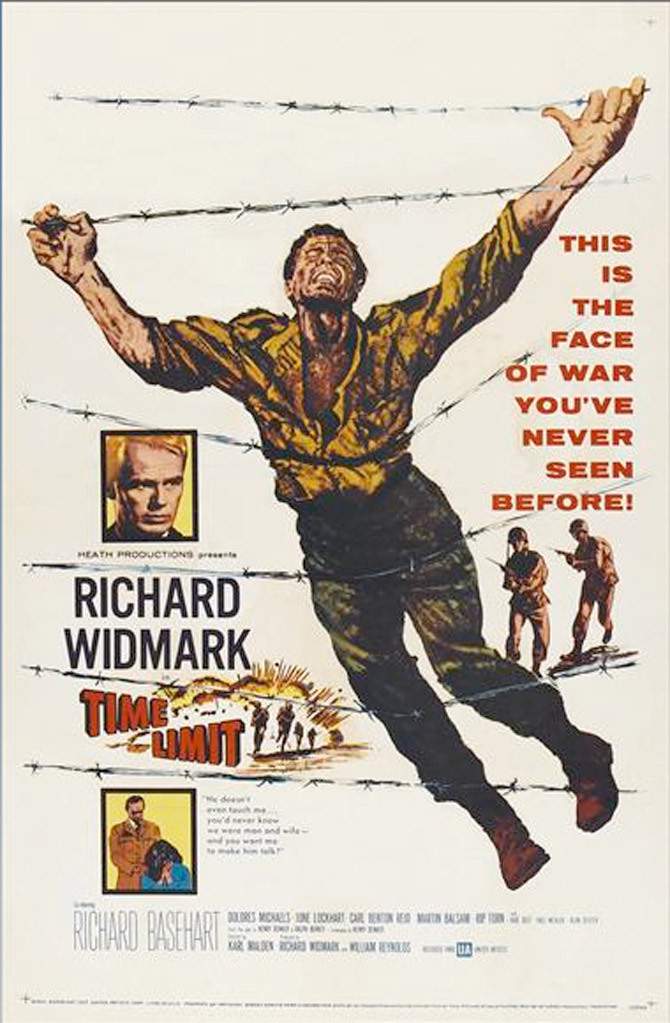
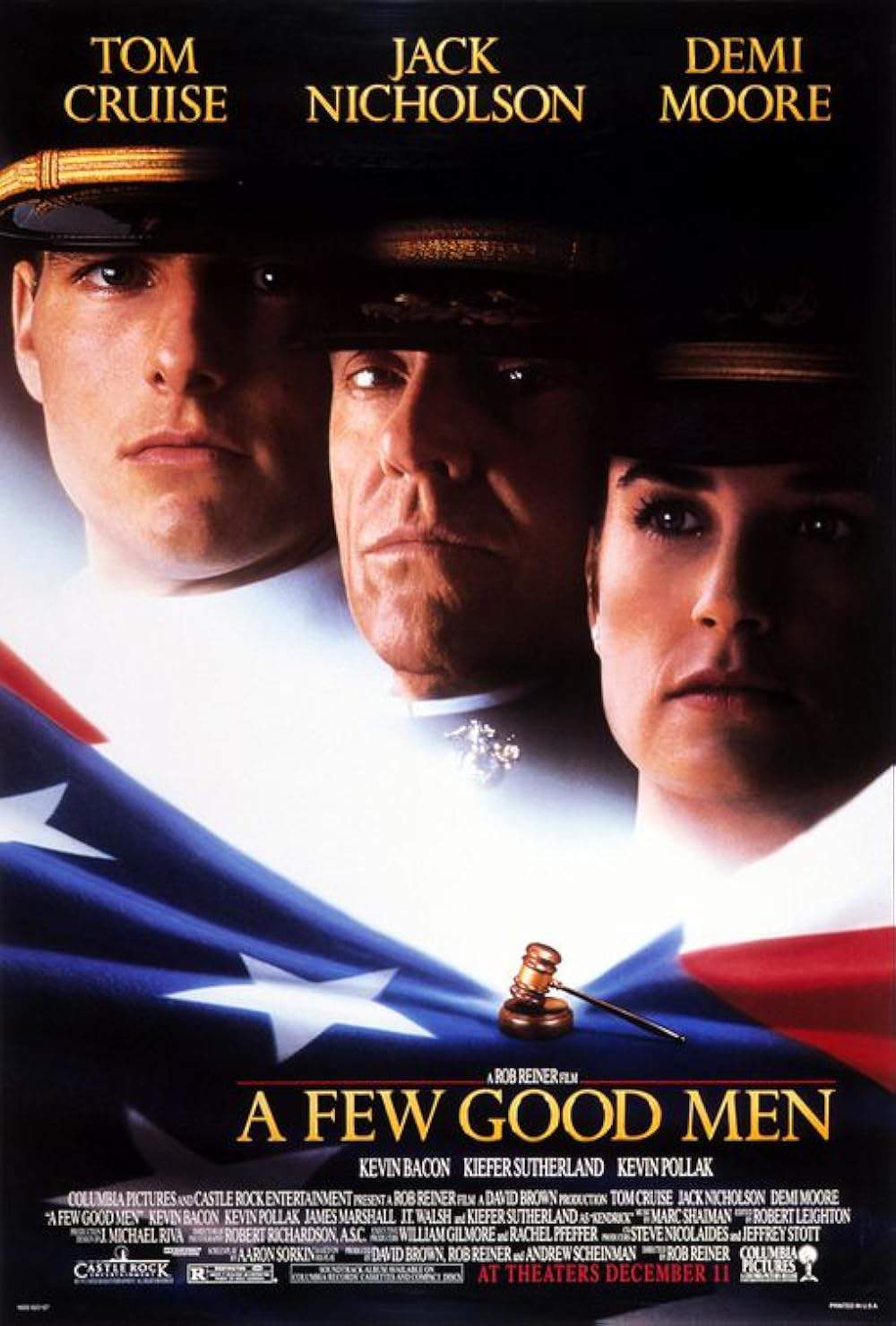
Movies about the trauma of survival like The Rack

Character studies of individuals shattered by extreme experiences, struggling to reintegrate. For viewers who appreciated The Rack's deep dive into post-traumatic stress and the loneliness of a soldier's return. These similar movies explore the heavy emotional aftermath of survival, focusing on psychological torment, grief, and the struggle to find meaning after unimaginable hardship.

  • melancholic
  • oppressive
  • somber
  • psychologically intense
  • emotionally draining
  • lonely
  • Tone: melancholic, oppressive, somber
  • Pacing: steady, character-driven
Why these movies?

The story pattern: The narrative follows a character in the aftermath of a deeply traumatic event, often using flashbacks to contrast their past ordeal with their present alienation. The journey is internal, focusing on their struggle with memory, guilt, and the impossibility of conveying their experience to those who weren't there, frequently leading to a tragic or melancholic resolution.

Why they belong together: These films are united by their primary focus on post-traumatic stress and psychological devastation. They share a melancholic and oppressive mood, a steady pacing that allows for deep character study, and a consistently heavy emotional weight that leaves a lasting impression of sorrow and isolation.

If you liked this

Movies Like The Rack

Similar movies to The Rack: the same genre, themes or kind of story. Each one comes with its own plot summary, timeline and ending explained.

Browse all movie summaries

Every angle

The Rack (1956) Explained: Plot, Timeline & Characters

Everything about The Rack in one place: what happens in the plot summary, the timeline in chronological order, the characters and meaning and a spoiler-free summary. What's After the Movie adds the cast, box office and post-credit scenes.

Coming soon on iOS and Android

The Plot Explained Movie Summary App

Plot summaries, endings explained and timelines on your phone. Catch up on any movie in minutes, save your favorites and never miss a twist again.

Be the first to know when we launch. Your email stays private, always.

Learn more about the app