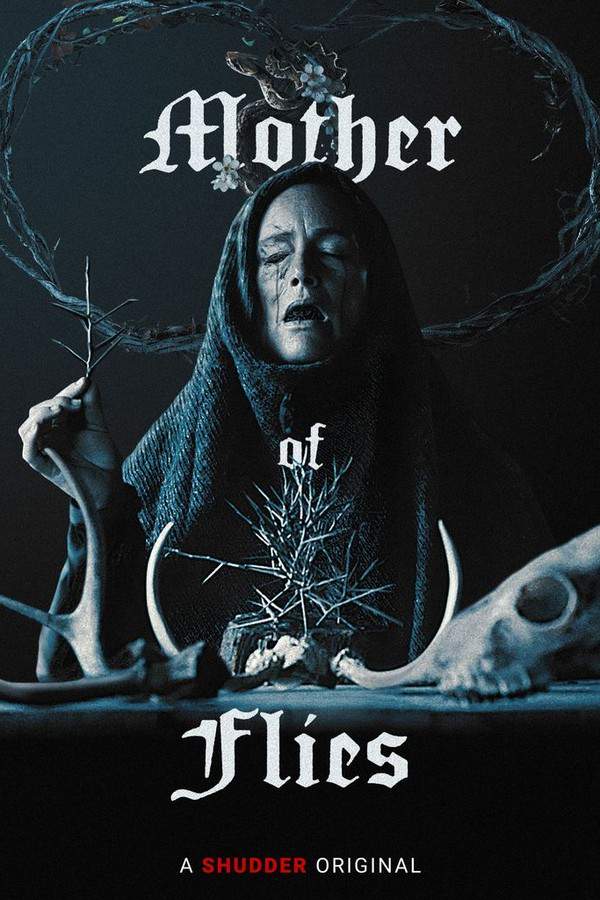
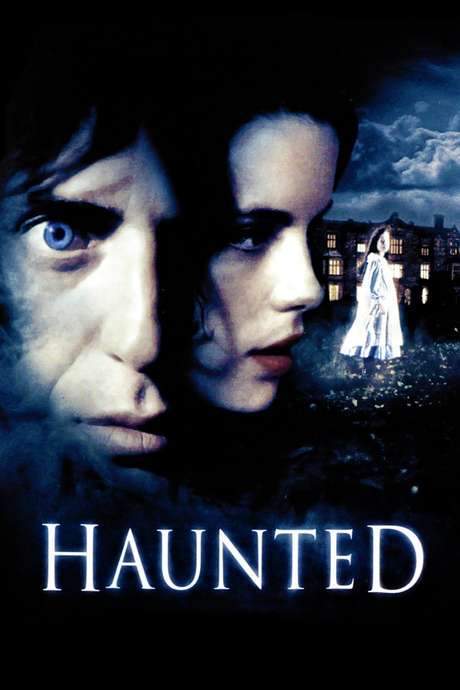
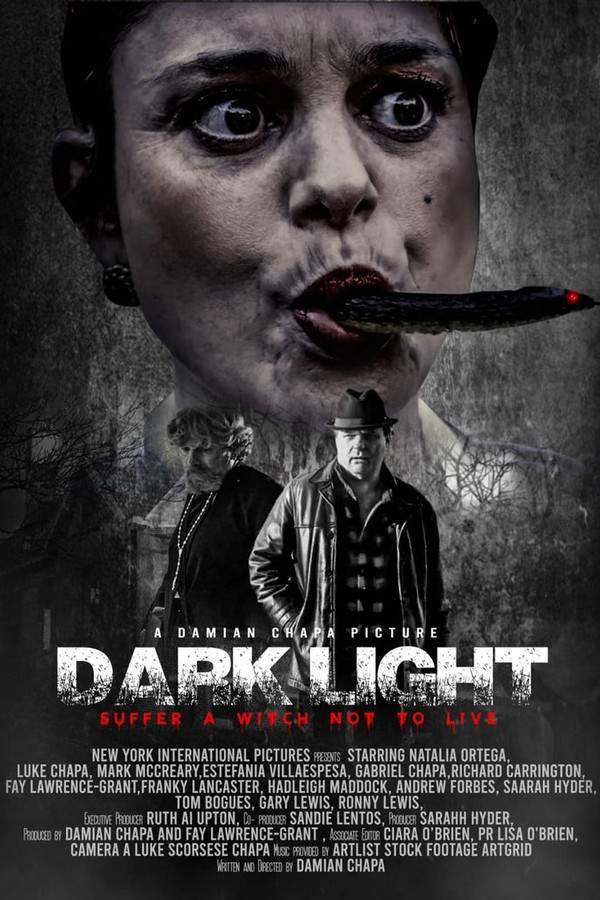
In this story set partly in Wales, Adèlle travels with her husband James to try and repair a strained bond with their daughter, Sarah. Their days on the coast begin with ordinary family concerns, but a strange roadside memorial near a cliff catches their attention: a plate missing a piece and the name “Annwyn” etched into it. A local man named Dafydd offers a bite-sized lesson in local folklore, explaining that Annwyn represents a kind of afterlife in Welsh tradition. The moment plants a seed of mystery that will grow as the film unfolds.
Shortly after this encounter, trouble arrives in the form of Sarah’s sudden disappearance from the beach. What follows is unsettling and uncanny: a girl who looks nearly identical to Sarah appears in her place, this new girl named Ebrill, a name that translates to “April” in Welsh. The film takes care to trace the origins of Ebrill, revealing that she is not a mere doppelgänger but the long-dead daughter of a local shepherd who once served as the town’s pastor. Fifty years earlier, as the townspeople faced sorrow and loss, the shepherd’s daughter died, and her father sent her to the ocean and urged others to follow, hoping to reach Paradise. He believed the sacrifice would bring Ebrill back, and—at least in his own eyes—he was right, though the price would be fearsome.
What follows is a dark history: Ebrill did return, but she carried something sinister with her. The father’s attempts to purify or control what had come back through trepanning and confinement only amplified the danger. Dafydd, who had remained in the shadows, witnessed the harm but did not follow the same path as the others who chose the cliff. When Ebrill’s father ultimately pushed her toward control through ritual and fear, the consequences fell on him, culminating in his death at the cliffs, a moment that marks the town’s memory with tragedy and warning.
As Adèlle pieces the clues together, she realizes that Ebrill’s reemergence is tied to Sarah. The living surrogate has arrived once more, and Adèlle sees that the mother-daughter bond is at the heart of the danger. Desperate to save her child, Adèlle makes a drastic choice: she hurls herself and Ebrill over the very cliffs that hold the town’s haunting history, stepping into Annwyn—a otherworld that appears as a sepia-toned, mist-filled place beyond the ordinary world.
Inside Annwyn, the film lays bare a crucial truth: before the trip to Wales, Sarah had attempted to take her own life after a heated argument with her mother. Adèlle pleads for a second chance with her daughter, only to be told by Ebrill that the dead do not grant such chances. In this other realm, Ebrill and her father perform trepanation on Adèlle in an attempt to draw out the evil they believe she carries. Yet Adèlle, resilient and determined, finds a way to escape and races to locate Sarah, who is locked away behind a door.
A moment of fragile reconciliation follows as Adèlle finally obtains a key and breaks through to her daughter, offering a heartfelt apology for her past selfishness. The door opens, and Adèlle rescues Sarah from Annwyn. Yet even as mother and daughter reunite, a cruel twist emerges: the Sarah who returns is tainted by the same malevolent force that has haunted Ebrill for generations.
The film resolves with a somber meditation on the limits of forgiveness and the heavy price of trying to rewrite a painful family history. Adèlle’s sacrifice—giving her life to free the person she loves—becomes a poignant reminder that the line between salvation and ruin can be dangerously thin. In the end, the story remains true to its core themes: the pull of old myths, the way grief can echo across generations, and the unsettling possibility that sometimes love comes at an irreversible cost.