Plot Explained Spoilers guaranteed!
Plot Explained

Browse by genre

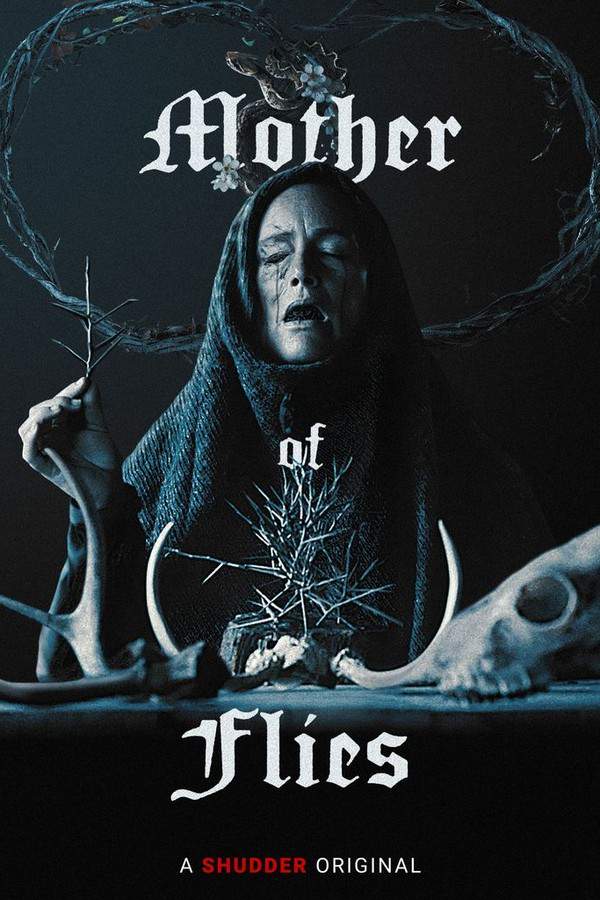
Mother of Flies (2026) movie poster

Plot Summary

Mother of Flies (2026) Plot Summary & Ending Explained

Release, runtime and language
2026 · 1 h 32 m · English
Echo score 75
Loading streaming availability…
Starring
John Adams, Lulu Adams, Toby Poser, Zelda Adams

When a young woman faces a deadly diagnosis, she seeks dark magic from a witch in the woods. But every cure has its cost.

On this page (6)
  1. 1 Where to watch
  2. 2 What happens: full plot
  3. 3 Plot questions answered
  4. 4 How it ends
  5. 5 Movie threads
  6. 6 Every angle
Loading streaming availability…

Full plot summary · contains spoilers

What Happens in Mother of Flies: Full Plot Summary

The whole story of Mother of Flies (2026) explained, from the opening scene to the final frame: every key event, every twist and what it all adds up to. Read it as a quick recap before the sequel, to check a scene you missed, or to finally understand what really happened.

Mickey, a young cancer survivor, discovers an inoperable abdominal tumor that leaves her with only six months to live. Refusing to surrender to fate, she seeks out Solveig, a mysterious woodland healer she connects with through dreams. Accompanied by her skeptical father Jake, Mickey travels to Solveig's moss-covered home to begin a three-day ritual that will push the boundaries between medicine and magic.

Solveig employs unconventional methods that blur the line between healing and ritual. She mindfully uses micro-dosing Jake with poisonous herbs, cracks snake eggs on Mickey’s abdomen, and even transfers a live snake into Mickey’s mouth through hypnosis. The healer speaks in riddles, surrounded by flies as if the room itself is decaying, and she reveals flashes of a tragic, long-buried past. Centuries ago, villagers brought her a pregnant woman whose stillborn child Solveig revived in exchange for keeping it safe, only to be betrayed, have the baby burned alive, and be buried under stones to prevent resurrection. Now a restless spirit who claims she tricked Death, Solveig selects barren Mickey—whose tumor she likens to a forbidden biblical fruit—and guides a plan that leans heavily on serpent symbolism to shape the process.

On the final day, after Jake leaves for a motel and locals warn that Solveig is a long-dead necromancer, Mickey experiences a brutal hallucinatory visitation of a bloody woman, and she bolts into the woods. Solveig intervenes, knocks her unconscious, and drags her toward a grave site piled with stones. There, she slits open Mickey’s abdomen, removes the apple-sized tumor, and magically molds it into a living infant that she cradles as her long-lost child. She cries out in defiance toward the stones of the village, and with that act her own soul finds peace before fading away.

When Jake returns, he finds Mickey healed with no visible scar, though the blood evidence of surgery remains. Medical tests later confirm the tumor’s complete removal. In a final, weighty moment, the father and daughter unearth Solveig’s grave and discover skeletal remains of a mother holding her infant—an eerie corroboration of the supernatural events and a validation of Mickey’s faith in healing over strict scientific scrutiny.

Last updated: February 03, 2026 at 07:41

Was this helpful?

Plot questions answered

Mother of Flies Plot Explained: Your Questions Answered

The questions people ask most about Mother of Flies (2026): what happens in the confusing scenes, why the characters do what they do, the twists, hidden details and what the ending means. Each answer contains spoilers.

Q1

Why does Solveig choose Mickey for the ritual?

Solveig selects Mickey because she is barren, a woman who cannot bear children. Solveig compares Mickey's tumor to a forbidden biblical fruit, specifically referencing the concept of bearing something forbidden. This makes Mickey the perfect vessel for Solveig's centuries-old plan to use the tumor as a surrogate for her own lost child.

Foreshadowing: Earlier, Solveig reveals she revived a stillborn infant for a pregnant woman, only to have the villagers betray her.

  • solveig
  • mickey
  • barren
  • ritual
  • chosen
Q2

What is Solveig's tragic backstory?

Centuries ago, villagers brought Solveig a pregnant woman whose child was stillborn. Solveig revived the baby but demanded the mother keep it safe. However, the villagers betrayed her, burning the baby alive and burying Solveig under stones to prevent her resurrection. She claims to have "tricked Death" and has been a restless spirit ever since, waiting for the right vessel to reclaim her lost child.

Foreshadowing: Solveig speaks of betrayal and loss early in the ritual, hinting at deeper trauma.

  • solveig
  • backstory
  • villagers
  • baby
  • betrayal
  • necromancer
Q3

Why does Solveig turn the tumor into a baby?

Solveig transforms the tumor into a living infant because she has been seeking a replacement for her own child who was burned alive centuries ago. By shaping Mickey's tumor, which she likens to a forbidden fruit, into a baby, Solveig finally cradles her long-lost child in physical form. This act completes her centuries-old grieving process and allows her soul to find peace.

Foreshadowing: Solveig repeatedly references her lost child and the need to keep something safe.

  • tumor
  • baby
  • transform
  • solveig
  • infant
Q4

What is the significance of the snake and snake eggs in the ritual?

Snake symbolism runs throughout the ritual as a representation of rebirth and transformation. Solveig cracks snake eggs on Mickey's abdomen and transfers a live snake into her mouth through hypnosis. In many traditions, snakes shed their skin and are associated with healing, immortality, and renewal, making them fitting symbols for a ritual designed to reverse terminal illness and create new life from disease.

Foreshadowing: Solveig speaks in riddles about serpent symbolism from the first day of the ritual.

  • snake
  • eggs
  • symbolism
  • rebirth
  • ritual
Q5

How is Mickey healed with no visible scar after surgery?

The ritual defies conventional medicine, Solveig slits open Mickey's abdomen and removes the tumor, but when Jake returns, Mickey is completely healed with no visible scar, though blood evidence remains. Medical tests later confirm the tumor's complete removal. The supernatural nature of the ritual means the healing operates outside normal biological rules, leaving no physical trace of the invasive procedure.

Foreshadowing: Solveig's methods blur the line between medicine and magic throughout the three days.

  • mickey
  • healed
  • scar
  • surgery
  • supernatural
Q6

Why do the locals warn that Solveig is a necromancer?

The locals warn Jake that Solveig is a long-dead necromancer because villagers in the area remember her history. Centuries earlier, they participated in burning her revived child and burying her under stones. The locals' warning reflects the village's knowledge that Solveig practices dark arts involving death and resurrection, precisely the supernatural abilities she demonstrates in the ritual.

Foreshadowing: Before the ritual begins, the atmosphere around Solveig's home hints at dark historical significance.

  • locals
  • necromancer
  • warning
  • village
Q7

What is the significance of the stones piled at the grave site?

The stones piled at the grave site are the same ones the villagers used centuries ago to bury Solveig after killing her. They piled stones over her body specifically to prevent her from resurrecting. When Solveig cries out in defiance toward these stones while cradling the transformed tumor-infants, she is confronting the villagers who betrayed her and finally overcoming that ancient betrayal.

Foreshadowing: Solveig's flashback reveals she was buried under stones to stop her from coming back.

  • stones
  • grave
  • villagers
  • burial
  • resurrection
Q8

What does Mickey's hallucination of the bloody woman represent?

Mickey's hallucination of a bloody woman during the ritual likely represents Solveig's own traumatic death, the mother whose child was burned and who was herself buried alive. As the ritual reaches its climax and Solveig prepares to channel her long-lost child through Mickey, Mickey experiences a vision of the original tragedy that mirrors her own role as a vessel.

Foreshadowing: Solveig's flashbacks progressively reveal the bloody events of her past.

  • mickey
  • hallucination
  • bloody woman
  • vision
Q9

Why does Jake leave for a motel during the ritual?

Jake leaves for a motel on the third morning because he needs somewhere to rest while staying near Solveig's remote home. His departure creates the window of time when Solveig can perform the most extreme aspects of the ritual, including taking Mickey to the grave site, without Jake's skeptical presence interfering.

Foreshadowing: Jake's skepticism has been a constant tension throughout the ritual.

  • jake
  • motel
  • leaves
  • ritual
Q10

What do the skeletal remains at Solveig's grave prove?

When Mickey and Jake dig up Solveig's grave, they discover skeletal remains of a mother holding her infant, matching the story Solveig told about reviving a stillborn child and being buried with the mother. This confirms the supernatural events were real, validating Mickey's faith in healing beyond strict scientific understanding and providing concrete evidence of Solveig's tragic history.

Foreshadowing: Solveig's flashback shows the exact scene: a mother and infant she tried to protect.

  • skeleton
  • remains
  • grave
  • mother
  • infant
  • confirmation

Ending explained

What Happens at the End of Mother of Flies?

How Mother of Flies (2026) ends, in short: the final scene, the last twist and what it means for the characters. The full ending explained, with every spoiler, lives on its own page.

Read the full ending explained

The final three days at Solveig’s house turn from hopeful ritual into a dark, fever‑dreamed showdown. Mickey, convinced the witch’s promise can cure the inoperable tumor gnawing at her side, follows Solveig’s cryptic instructions while her father, Jake, watches skeptically. On the third night Solveig, revealed to be a dead necromancer whose spirit has lingered for centuries, hypnotises Mickey and forces a swallowed snake into the girl’s mouth. When Mickey awakens she is sick, and Jake, frustrated by her faith in the witch, urges them to leave. He steps away to a nearby motel, where a receptionist confirms that Solveig was buried alive and has been haunting the woods ever since.

Alone, Mickey’s hallucinations intensify; she flees into the forest, only to be seized again by Solveig, who drags her back to the ancient grave marked by a cairn of stones. There, the witch slit open Mickey’s abdomen and, in a grotesque inversion of birth, extracts the tumor and reshapes it into a newborn child—the spirit‑bound offspring Solveig has coveted for centuries after her own infant was brutally killed by the villagers who feared her powers. The pain is excruciating, but when Mickey regains consciousness her wound is no longer raw; the tumor is gone, replaced by the tiny, living infant that Solveig cradles to her chest.

Continue reading the ending (2 more paragraphs)

Jake returns, drawn by the sound of the stone mound and the urgency in Mickey’s cries. He finds her unconscious beside the open grave, wakes her, and watches in stunned silence as the wound seals and the infant remains—a tangible proof that the ritual was real, not a fevered imagination. Driven to confirm the truth, Jake and Mickey dig up the burial site and discover the skeletal remains of a woman clasping a tiny, perfectly preserved child, confirming that Solveig’s spirit had indeed given birth by transmuting Mickey’s disease.

The film closes on a healed Mickey, whose medical scans now show no trace of the tumor. She declines further tests, having learned that belief—and the desperate, maternal love of a centuries‑old witch—can rewrite the line between death and life. Jake, now aware of the ancient darkness that watched over his daughter, watches her walk away, the forest behind them humming with the restless echo of Solveig’s long‑buried motherhood.

Mother of Flies ending explained in full

Movie threads

More Movies Like Mother of Flies, by Mood & Story

Curated lists built around what makes Mother of Flies tick: the same mood, the same kind of story or the same emotional payoff. Each list explains why these movies belong together.

Slow burn folk horror movies like Mother of Flies

Where ancient, dark rituals become a desperate cure. If you liked the dreadful atmosphere and desperate rituals in Mother of Flies, explore more movies where characters seek supernatural solutions in the face of impossible odds. These films share a slow-burning tension and a heavy, psychologically intense folk horror vibe.

  • folk horror
  • atmospheric
  • dreadful
  • supernatural
  • desperate
  • unsettling
  • Tone: dark, dreadful, somber
  • Pacing: slow burn, deliberate
Why these movies?

The story pattern: These narratives typically follow a protagonist facing a dire, often terminal, crisis. Their search for a solution leads them to an isolated figure or forgotten lore, culminating in a ritual that carries a steep and disturbing personal cost. The pacing is deliberate, allowing dread to mount alongside the protagonist's escalating desperation.

Why they belong together: Movies in this thread are united by their core premise: a vulnerable individual's turn to dark, folkloric magic. They share a somber, atmospheric mood, a slow-burning pace that emphasizes psychological tension, and a focus on the horrific price of supernatural intervention.
Movies with bittersweet supernatural bargains like Mother of Flies

A miraculous salvation comes with a terrible, hidden price. For viewers who appreciated the poignant cost of healing in Mother of Flies, this thread collects films where a supernatural solution brings relief tainted by tragedy. These movies explore the heavy emotional weight of miracles that come with strings attached.

  • bittersweet
  • supernatural
  • tragic
  • heavy
  • unsettling
  • desperate
  • Tone: bittersweet, dark, unsettling
  • Pacing: variable, character-driven
Why these movies?

The story pattern: The narrative arc follows a character achieving their deepest desire through supernatural means, but the resolution is not pure victory. The ending is bittersweet, forcing the character and audience to grapple with the unsettling trade-off, leaving a lasting sense of unease alongside the achievement.

Why they belong together: These films are grouped by their unique narrative structure and emotional payoff. They share a high emotional weight and a bittersweet or bleak ending feel, focusing on the theme that no profound gain comes without an equally profound, and often dark, loss.

Every angle

Mother of Flies (2026) Explained: Plot, Ending, Timeline & Characters

Everything about Mother of Flies in one place: what happens in the plot summary, the timeline in chronological order, the characters and meaning, the ending explained and a spoiler-free summary. What's After the Movie adds the cast, box office and post-credit scenes.

Coming soon on iOS and Android

The Plot Explained Movie Summary App

Plot summaries, endings explained and timelines on your phone. Catch up on any movie in minutes, save your favorites and never miss a twist again.

Be the first to know when we launch. Your email stays private, always.

Learn more about the app