Plot Explained Spoilers guaranteed!
Plot Explained

Browse by genre

The Wedding Banquet (1993) movie poster

Characters & Themes

The Wedding Banquet (1993) Characters, Setting & Themes Explained

Release, runtime and language
1993 · 108 mins · Chinese
Starring
Neal Huff, Jeanne Kuo Chang, Ang Lee, Winston Chao, Michael Gaston, Mason Lee
Budget
$1M

A Taiwanese‑American man lives contentedly in New York with his American boyfriend, but his traditional Chinese parents pressure him to marry. To keep them appeased and help a Chinese woman obtain a green card, he stages a marriage of convenience. When his parents fly in for the wedding, the ruse unravels, sparking comic chaos and cultural clashes.

On this page (8)
  1. 1 Where to watch
  2. 2 Characters explained (7)
  3. 3 Where & when it takes place
  4. 4 Themes & meaning (4)
  5. 5 Character & meaning questions
  6. 6 Movie threads
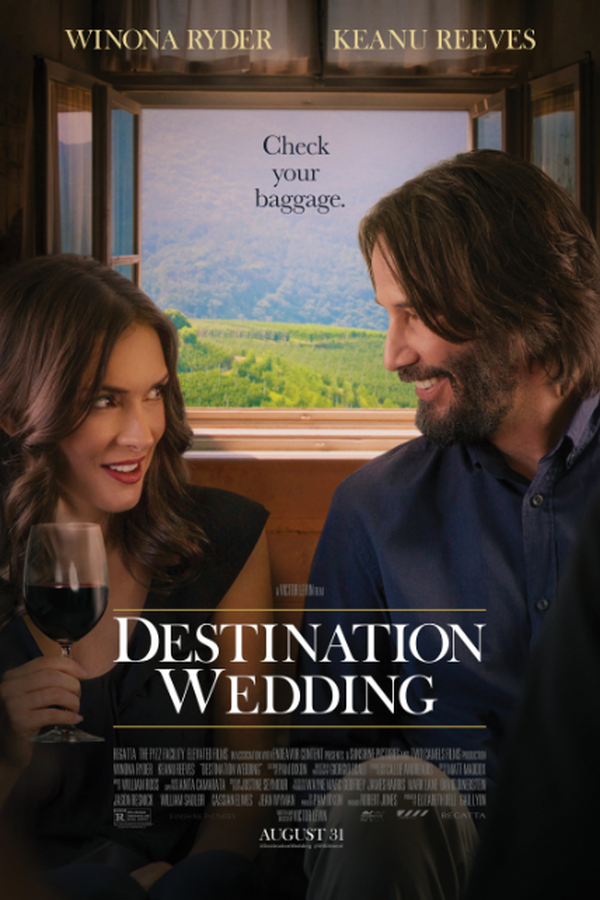
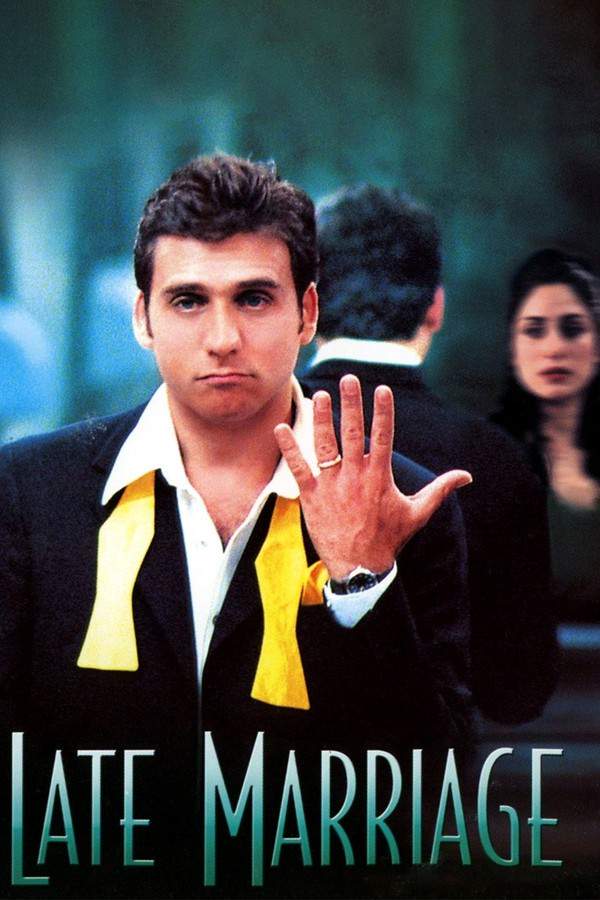
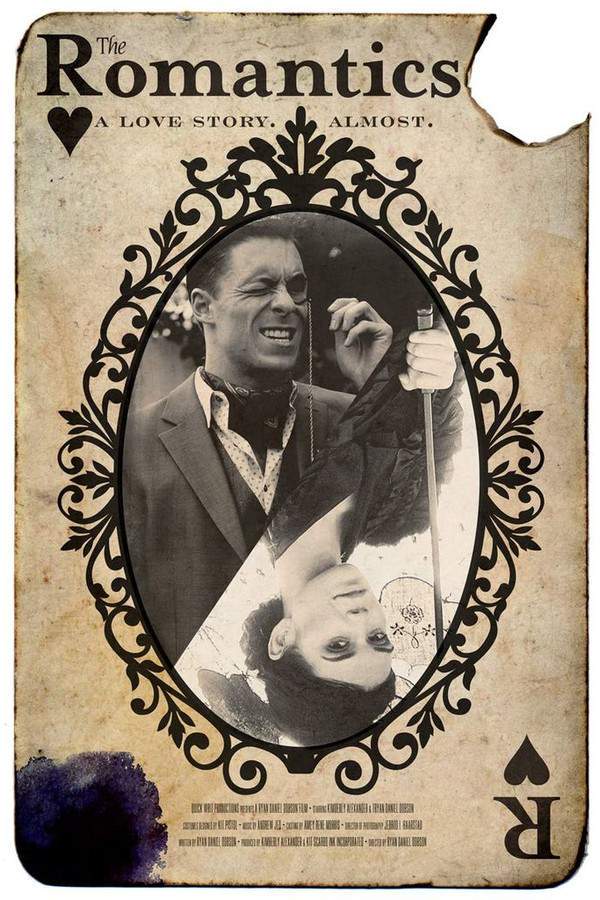
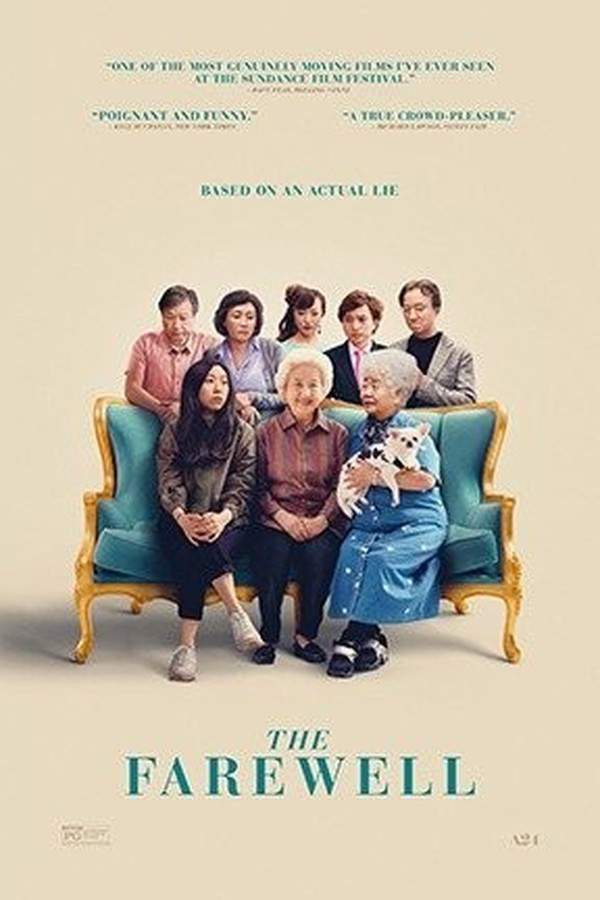
  7. 7 Movies like The Wedding Banquet
  8. 8 Every angle

Where to watch

Where to Watch The Wedding Banquet (1993)

Where can you watch The Wedding Banquet? Stream, rent or buy it in the US, including on Tubi TV and Fandango At Home: current JustWatch availability with up-to-date prices.

Streaming availability powered by JustWatch

7 main characters · contains spoilers

The Wedding Banquet Characters Explained: Who Is Who

The main characters of The Wedding Banquet (1993), heroes and villains: what drives them, how they change over the course of the story and what each of them reveals about the film's bigger ideas.

  • Wai-Tung Gao (Winston Chao)

    A gay Taiwanese immigrant in Manhattan who hides his relationship with Simon to appease traditional parents. He orchestrates a fake marriage to Wei-Wei, juggling love, duty, and the fear of rejection. His choices reveal a conflict between personal happiness and family obligation, along with a willingness to sacrifice for others.

    • 🏳️‍🌈 LGBTQ
    • 💕 Relationships
    • 🧭 Immigration
    • 🧩 Identity
  • Simon (Mitchell Lichtenstein)

    Wai-Tung's partner, who becomes entangled in the lie of the marriage. He is emotionally protective, sometimes blunt, and grapples with the toll the deceit takes on their relationship. His loyalty is tested as the truth surfaces and the meaning of family evolves.

    • 💙 Loyal
    • 💬 Honest
    • 🤝 Compromise
  • Wei-Wei (May Chin)

    A penniless artist from mainland China who agrees to a sham engagement for a green card. She navigates precarious social and economic pressures, and her pregnancy shifts the dynamics of the trio. Her resilience and pragmatic kindness help propel the central conflict toward resolution.

    • 🎨 Artist
    • 💪 Resilient
    • 🌱 Growth
  • Mr. Gao (Lung Sihung)

    Wai-Tung's father, a retired army officer who has recently suffered a stroke. He is perceptive and compassionate, recognizing the love between Wai-Tung and Simon and offering a quiet acceptance that challenges traditional expectations.

    • 🎖️ Veteran
    • 🧠 Sharp
    • 💗 Compassionate
  • Mrs. Gao (Gua Ah-leh)

    Wai-Tung's mother, deeply traditional and concerned with appearances and family honor. She wrestles with the secret and the upcoming visit from her son’s life that defies convention, but she also shows warmth and care beneath her rigid exterior.

    • 👩‍👧‍👦 Traditional
    • 🕊️ Grace
    • 🧭 Family values
  • Justice of the Peace (Michael Gaston)

    The official who performs the courthouse wedding, inadvertently symbolizing the formalities that mask deeper truths. His role underscores the legal veneer of the sham marriage and its consequences for all involved.

    • ⚖️ Authority
    • 🗂️ Ceremony
    • 🕊️ Neutrality
  • Baby (Mason Lee)

    The unborn child who becomes a powerful symbol of a newly formed, non-traditional family. The pregnancy acts as a catalyst for honesty and acceptance among the central characters.

    • 🍼 Baby
    • 👶 New life
    • 💞 Family future

Last updated: October 04, 2025 at 15:23

Was this helpful?

Setting

Where and When Does The Wedding Banquet Take Place?

The setting of The Wedding Banquet (1993): the year and time period, the places and locations, and how they shape the characters, the mood and the tension of the story.

Time period

early 1990s

The film is anchored in the early 1990s, a period of bustling urban life in New York and evolving attitudes toward sexuality and immigration. The era’s social mores influence how characters navigate coming out, marriage, and family expectations. The presence of a traditional, stroke-afflicted father and a modern, cosmopolitan city creates a clash of old and new values. The timeframe supports the film’s blend of humor, drama, and cultural negotiation.

Location

Manhattan, New York, Taiwan, Mainland China

The story unfolds primarily in Manhattan, depicting the dense urban life of a Taiwanese immigrant couple and their social circle. It also traverses back to Taiwan where traditional expectations and family duties loom large. Wei-Wei's mainland China background adds another cultural layer, highlighting differing social norms. The setting serves as a backdrop for comedies of disguise and reconciliation across cultures.

  • 🏙️ Urban
  • 🌏 Immigration
  • 👪 Family
  • 🎭 Cross-cultural

Last updated: October 04, 2025 at 15:23

Was this helpful?

4 major themes

The Wedding Banquet Meaning: Themes & Message Explained

What is The Wedding Banquet (1993) really about? The emotional, social and philosophical themes the film keeps returning to, its symbolism and the message beneath the surface.

  • Identity

    Identity is tested as Wai-Tung and Simon conceal their relationship from family and society. The film tracks the emotional cost of hiding one’s true self to preserve relationships and social standing. It also explores what happens when personal happiness collides with cultural and familial expectations. The resolution questions whether authenticity can survive under the weight of appearances.

  • Family

    Family loyalties drive the plot, forcing characters to choose between tradition and love. The parents’ desire for a proper marriage clashes with the couple’s reality, prompting a complex redefinition of kinship. The narrative shows how family bonds can adapt through honesty, sacrifice, and unexpected acts of acceptance. It highlights the idea that family can extend beyond biological ties.

  • Culture clash

    The film juxtaposes Taiwanese tradition with American urban life, revealing misunderstandings and negotiations across cultures. The wedding banquet becomes a symbolic arena where appearances are maintained while truth brews beneath the surface. Language, class, and gender norms are navigated as characters seek harmony. Immigration themes underscore how identity is negotiated within two different worlds.

  • Secrets

    A staged marriage hinges on deception, driving humor and conflict throughout the story. Truths emerge gradually, forcing characters to confront consequences of living a lie. The narrative treats honesty as a courageous act that can redefine family dynamics. The eventual revelations reshape how love and duty are balanced.

Last updated: October 04, 2025 at 15:23

Was this helpful?

Character & theme questions

The Wedding Banquet Characters & Meaning: Your Questions Answered

The questions people ask about The Wedding Banquet (1993): who the characters really are, their relationships, what the symbols mean, where it takes place and what the movie is really about. Each answer contains spoilers.

Q1

Where does the story take place?

The Wedding Banquet is primarily set in Manhattan, New York, depicting the urban life of a Taiwanese immigrant couple. The narrative also traverses back to Taiwan, highlighting traditional family expectations, and references Wei-Wei's background in Mainland China. These locations serve as a backdrop for the comedy of disguise and reconciliation across different cultures.

  • setting
  • manhattan
  • new york
  • taiwan
  • locations
Q2

When is the movie set?

The film is anchored in the early 1990s, reflecting a period of bustling urban life in New York and evolving attitudes toward sexuality and immigration. This era's social mores influence how the characters navigate coming out, marriage, and family expectations. The timeframe supports the movie's blend of humor, drama, and cultural negotiation.

  • time period
  • 1990s
  • era
  • setting
  • context
Q3

Who is Wai-Tung Gao?

Wai-Tung Gao is a gay Taiwanese immigrant living in Manhattan who hides his relationship with his partner Simon to appease his traditional parents. He orchestrates a fake marriage to Wei-Wei to juggle love, duty, and the fear of rejection. His choices reveal a conflict between personal happiness and family obligation.

  • wai-tung gao
  • main character
  • taiwanese immigrant
  • gay
  • protagonist
Q4

What is Wei-Wei's role in the story?

Wei-Wei is a penniless artist from Mainland China who agrees to a sham engagement with Wai-Tung to obtain a green card. She navigates precarious social and economic pressures, and her pregnancy eventually shifts the dynamics of the trio. Her resilience and pragmatic kindness help propel the central conflict toward resolution.

  • wei-wei
  • green card
  • artist
  • mainland china
  • character role
Q5

Who is Simon in the movie?

Simon is Wai-Tung's American partner who becomes entangled in the lie of the marriage. He is emotionally protective and grapples with the toll the deceit takes on their relationship. His loyalty is tested as the truth surfaces and the meaning of family evolves in The Wedding Banquet.

  • simon
  • partner
  • boyfriend
  • relationship
  • character
Q6

What roles do the parents play?

Mr. Gao is a retired army officer and Wai-Tung's father who is perceptive and compassionate, offering quiet acceptance that challenges traditional expectations. Mrs. Gao is deeply traditional and concerned with appearances and family honor, wrestling with the secret that defies convention. Together, they represent the traditional pressures driving the plot.

  • parents
  • mr gao
  • mrs gao
  • family
  • tradition
Q7

What themes does the movie explore?

The Wedding Banquet explores identity, family loyalty, culture clash, and the impact of secrets. Identity is tested as characters conceal their relationships to preserve social standing, while family loyalties force choices between tradition and love. The narrative questions whether authenticity can survive under the weight of appearances.

  • themes
  • identity
  • family
  • culture clash
  • secrets
  • meaning
Q8

How does the film depict culture clash?

The film juxtaposes Taiwanese tradition with American urban life, revealing misunderstandings and negotiations across cultures. The wedding banquet becomes a symbolic arena where appearances are maintained while truth brews beneath the surface. Immigration themes underscore how identity is negotiated within two different worlds.

  • culture clash
  • taiwanese tradition
  • american life
  • immigration
  • cross-cultural
Q9

What is the tone of the movie?

The tone is dominantly bittersweet, involving deception and emotional strain but ultimately focusing on love and acceptance. While the story builds tension from the precariousness of the central lie, it is punctuated by comedic and tender moments that provide relief. The ending offers a hopeful compromise rather than a total victory.

  • tone
  • bittersweet
  • comedy
  • drama
  • genre
  • mood
Q10

Why is the marriage arranged?

The marriage is arranged as a marriage of convenience to keep Wai-Tung's parents appeased and help Wei-Wei obtain a green card. This staged union hinges on deception, driving humor and conflict throughout the story. It highlights the conflict between personal happiness and family obligation within the context of The Wedding Banquet.

  • fake marriage
  • green card
  • motivation
  • arrangement
  • plot context

Movie threads

More Movies Like The Wedding Banquet, by Mood & Story

Curated lists built around what makes The Wedding Banquet tick: the same mood, the same kind of story or the same emotional payoff. Each list explains why these movies belong together.

Fake Marriage Movies Like The Wedding Banquet

Stories where a marriage of convenience leads to unexpected complications and heartfelt discoveries. If you liked the complex emotional layers of The Wedding Banquet, explore more movies about marriages of convenience. These films blend romance, comedy, and drama as characters navigate the fine line between performance and reality, often leading to heartfelt and bittersweet revelations.

  • awkward
  • heartwarming
  • strained
  • tender
  • anxious
  • hopeful
  • Tone: bittersweet, heartwarming, awkward
  • Pacing: steady, character-driven
Why these movies?

The story pattern: These narratives typically begin with a pragmatic agreement between two or more parties. The central conflict arises as the external pressures of family, society, or immigration authorities force the characters to deepen their performance, blurring the lines between their fake relationship and their real lives, culminating in a crisis of truth and identity.

Why they belong together: They share a core plot device—the sham relationship—that fuels both comedy and drama. The experience is defined by the tension between deception and authenticity, the awkwardness of keeping up appearances, and the emotional weight of secrets, making for a compelling mix of situational humor and genuine pathos.

Movies About Cultural and Family Clashes Like The Wedding Banquet

Films that explore the heartfelt and humorous tensions between modern identity and traditional family expectations. Discover films similar to The Wedding Banquet that delve into the dynamics of family expectations and cultural identity. These stories often feature immigrant families, generational divides, and characters navigating the complex terrain of honoring tradition while living an authentic modern life.

  • strained
  • tender
  • heartwarming
  • anxious
  • hopeful
  • awkward
  • Tone: bittersweet, tender, anxious
  • Pacing: steady, observational
Why these movies?

The story pattern: The protagonist is caught between two worlds: the life they have built for themselves and the world their family represents. The plot is driven by a catalyst—often a visit, a wedding, or a secret revealed—that forces a confrontation. The journey involves navigating lies, awkward humor, and emotional breakthroughs, leading to a resolution that is rarely a clean victory but a hard-won understanding.

Why they belong together: They are grouped by their central theme of navigating dual identities. The viewing experience balances the anxiety of potential disappointment with hopeful, tender moments, creating a bittersweet but ultimately affirming vibe about the possibility of finding new forms of acceptance and family.

If you liked this

Movies Like The Wedding Banquet

Similar movies to The Wedding Banquet: the same genre, themes or kind of story. Each one comes with its own plot summary, timeline and ending explained.

Browse all movie summaries

Every angle

The Wedding Banquet (1993) Explained: Plot, Timeline & Characters

Everything about The Wedding Banquet in one place: what happens in the plot summary, the timeline in chronological order, the characters and meaning and a spoiler-free summary. What's After the Movie adds the cast, box office and post-credit scenes.

Coming soon on iOS and Android

The Plot Explained Movie Summary App

Plot summaries, endings explained and timelines on your phone. Catch up on any movie in minutes, save your favorites and never miss a twist again.

Be the first to know when we launch. Your email stays private, always.

Learn more about the app