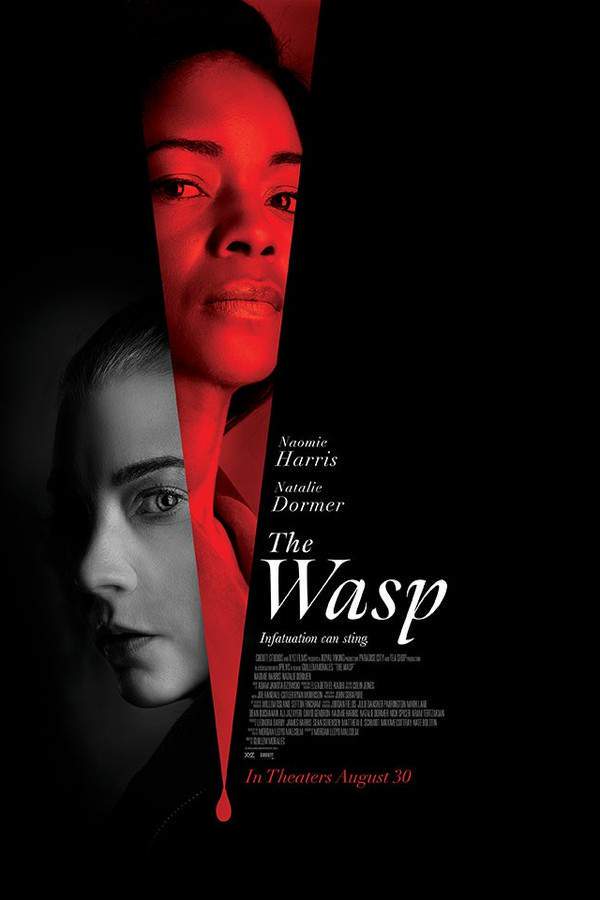
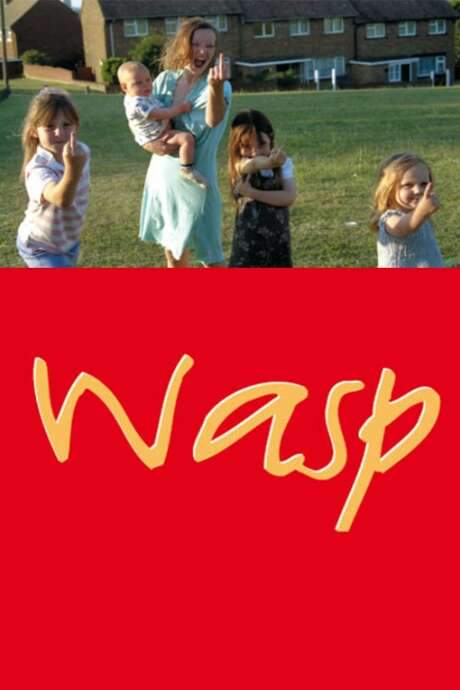
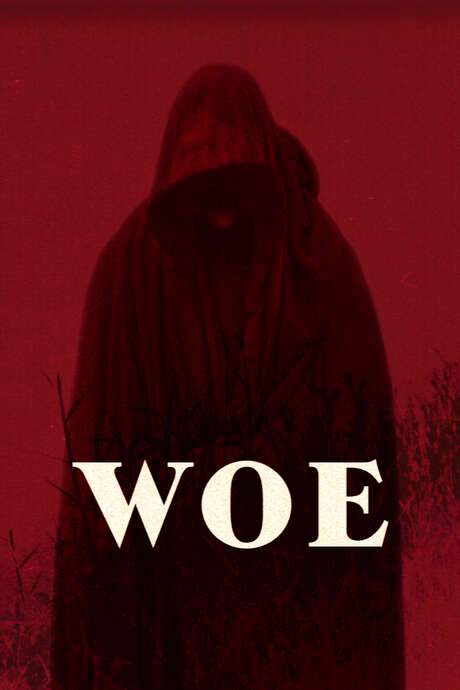
Carla, seven-months pregnant and already a mother to four children by different men, works as a cashier in Bath, England, and is drawn back into an old association with Heather, her best friend from Year 7 who has been struggling to conceive with her husband. Heather offers a life-changing sum—£50,000 initially—to help her end Simon, her cheating husband, and Carla eagerly negotiates the price up to £75,000. The proposal lands in a tense, morally gray space where money and desperation collide, and the pair begin to map out a plan that would make the murder look like a botched burglary.
In Heather’s house, the two women hammer out the details, debating how to execute the crime and how to obscure the evidence. Carla suggests past experience with burglary could help, and the discussion shifts toward the staged break-in that would serve as a cover. As they talk, Carla notices a wall decorated with insects, including a fearsome tarantula hawk—a wasp that lays its eggs inside a tarantula and grows by feeding on the spider from within, keeping the victim alive until the larva emerges and the tarantula dies. The image of that deadly, patient insect mirrors the chilling, calculated plan taking shape in the room.
The conversation slowly reveals deeper wounds. Heather recounts the brutal bullying she endured at the hands of Carla years earlier, a cruelty that left scars on both of them. Heather explains that Carla’s life at school—once brutal, now seemingly normal—was shaped by a father who was equally cruel. This backstory adds a heavy layer of cruelty to the current scheme, suggesting that their old friendship had soured into something dark and weaponized.
As the plan crystallizes, Heather unveils a photo of Simon, and Carla recognizes him by a different name—“James”—unmasking a troubling, longer history: Carla herself has been a prostitute who has long accepted money from Simon in exchange for unprotected sex, a detail that complicates the alliance and adds a layer of moral ambiguity to their collaboration. The revelation deepens the sense that both women have endured exploitation, but their responses are now driven by fear, greed, and loyalty to a plan that could have devastating consequences.
Heather then uses chloroform to subdue Carla, and Carla awakens bound to a chair. Heather reminds her of the past violence Carla unleashed on her in the school storeroom, recounting how two other girls helped hold her down while Carla assaulted her with an object, a memory that now serves as a cold reminder of what Heather believes could be fate’s final reckoning. She warns Carla that she will take her child if she tries to back out, and she drops the devastating news that she has already killed Simon.
To break Carla’s will, Heather leaves her with a note for the neighbors, a plea for help that reads, "I think my husband and his mistress are going to try and kill me." The moment culminates in a sudden act of impulse: Carla, overwhelmed by fear and anger, stabs Heather in the abdomen just as Simon arrives at the doorway. The scene explodes into chaos as the room fills with the scent of blood and the sight of a shocking betrayal. Neighbors appear at the window as the murder unfolds, and the police arrive moments after the front door opens to reveal the grim tableau.
In the aftermath, the final, unsettling image replays on the screen: a tiny wasp crawls from Heather’s body and takes flight, a stark, lingering metaphor for the film’s themes of manipulation, control, and the tiny, deadly forces that drive human actions.