Plot Explained Spoilers guaranteed!
Plot Explained

Browse by genre

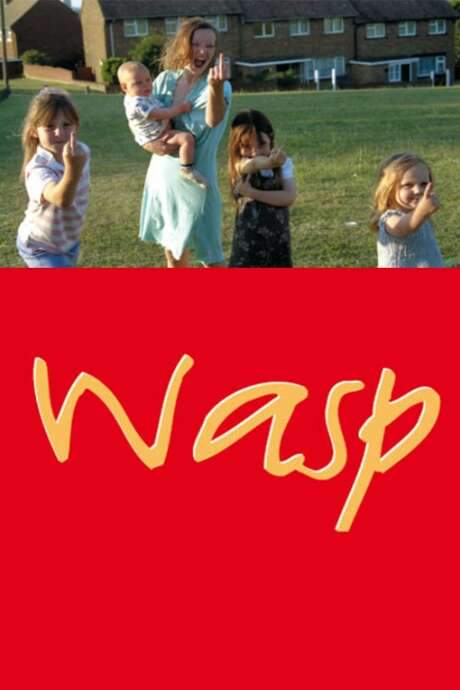
Wasp (2003) movie poster

Plot Summary

Wasp (2003) Plot Summary Explained

Release, runtime and language
2003 · 26 mins · English
Loading streaming availability…
Directed by
Andrea Arnold
Starring
Natalie Press, Danny Dyer, Kaitlyn Raynor, Jodie Mitchell, Molly Griffiths, Danny Daley

Zoë, a single mother in Dartford, struggles to feed her four children and can’t even afford basic groceries. When an old flame drives by and asks her out, she hesitates, fearing he isn’t truly interested. To spare embarrassment, she tells him she’s simply babysitting, making the outing her first date in years and a brief glimpse of hope.

On this page (6)
  1. 1 Where to watch
  2. 2 What happens: full plot
  3. 3 Plot questions answered
  4. 4 Movie threads
  5. 5 Movies like Wasp
  6. 6 Every angle
Loading streaming availability…

Full plot summary · contains spoilers

What Happens in Wasp: Full Plot Summary

The whole story of Wasp (2003) explained, from the opening scene to the final frame: every key event, every twist and what it all adds up to. Read it as a quick recap before the sequel, to check a scene you missed, or to finally understand what really happened.

Zoe [Natalie Press] rapidly descends a flight of stairs, baby in hand, and three other children in tow. The scene is tense from the start as she finds herself in a physical altercation with her neighbour, and the two women and their children trade shouts and insults, the air thick with frustration and fear. The moment lingers, and the clash sets a tone of precarious balance between care and chaos that threads through the rest of the story.

They eventually head home, the kids hungry for chips, while the adults exchange hostile glances and muffled threats. A man then pulls up in a car and calls Zoe's name. He is David Danny Dyer, and he appears friendly enough, inviting her to join him for a drink. Zoe hesitates, curious and perhaps momentarily relieved to escape the mounting tension at home, yet the implications of the invitation ripple through every interaction that follows.

The children are curious about the mystery man, noting that he bears a resemblance to David Beckham. When Zoe reveals that the man is named David Danny Dyer, the kids burst into excited chatter, their imaginations sparked by the idea of a famous adult entering their world of cramped rooms and hungry stomachs. The family heads back inside to carve out a plan: Zoe will search for a sitter so she can spend time with David, while the kids await a safer future than the day has offered so far.

A wasp becomes an unexpected interruption, buzzing near a window as Zoe opens it to set it free. The moment lingers in the background like a reminder of danger and small, fragile control slipping through her fingers. As the day wears on, Zoe’s resolve to juggle everything tightens into a more fragile strain. The kids accompany her as they head toward the pub, and Zoe tells them she’s just stepping out for a quick visit with David. She leaves the children outside the pub, a decision that weighs on her with every step she takes inside.

Inside, David is at the pool table, and Zoe makes her entrance into his orbit. He teases that since she’s “one of those modern girls,” she should buy the first round herself. Zoe is visibly torn between enjoying the moment and facing the practical realities she’s neglecting at home—the bills, the needs of the children, the possibility of someone else stepping in to help. She buys drinks, though she struggles to justify the cost, a small but telling sign of the mounting pressure she lives under.

Outside, the children try to entertain themselves with simple snacks and a glass of Coke, their disappointment over not getting chips echoing the day’s broader sense of scarcity. Zoe’s performance for them—singing and dancing to keep their spirits up—feels like a fragile act of love, a chorus of care in a world that keeps tugging her away from the needs of her children. She tells her oldest child, Kelly Jodie Mitchell, not to come inside unless there’s an emergency, a rule that will soon be tested by the pull of the night.

Back in the pub, Zoe and David rekindle an old spark, the evening dissolving boundaries as they reconnect. Yet the outside world intrudes again when Zoe passes the neighbour from the earlier confrontation, who sneers that Social Services won’t be far behind if she doesn’t shape up. The threat of losing her children adds a sharp edge to Zoe’s attempt to enjoy the moment with David, and the children wait for her outside for hours, feeling neglected and small in the grander drama of adult decisions.

David finally emerges from the pub, and Zoe slides into his car. They share a kiss, the moment cutting away to the sobering sight of her baby crying inside the car. The children, hungry and restless, continue eating ribs and chips dropped by others as the night unfolds. The tension escalates as Zoe’s priorities fracture, and the fundamental trust she relies on becomes increasingly fragile.

A sharp interruption arrives when a distant cry from a child shatters the moment. Zoe rushes from the car and spots a wasp crawling toward her baby’s mouth, a dangerous moment that could end in tragedy. The scene is brutal in its realism, and the fear is palpable.

> Don’t sting him.

The wasp exits, and Zoe’s raw anger surfaces as she notices ribs smeared around the baby’s mouth. She shakes Kelly with a fierce urgency, shouting, “I told you to look after him, didn’t I?” The moment is a raw explosion of love, guilt, and blame, and the family’s dynamics hang in the balance as Zoe tries to repair the damage with an apology and a softened posture.

In the final beat, the children eat in the car, and Zoe looks on with a mix of embarrassment and resignation. David, sensing the fragile peace, suggests they talk as he drives the family home, the kids singing along to a celebratory tune on the radio. The night ends with a complicated blend of care, consequence, and the persistent pull between personal desire and parental responsibility, leaving the viewer to weigh the costs of both.
Last updated: October 09, 2025 at 15:09

Was this helpful?

Plot questions answered

Wasp Plot Explained: Your Questions Answered

The questions people ask most about Wasp (2003): what happens in the confusing scenes, why the characters do what they do, the twists, hidden details and what the ending means. Each answer contains spoilers.

Q1

Why does Zoe leave her children outside the pub while she goes inside?

Zoe leaves her children outside the pub because she has no one to watch them and desperately wants to spend time with David, an old flame who has just reentered her life. She tells Kelly not to come inside unless there's an emergency, trying to balance her maternal responsibilities with her need for connection and a brief escape from her exhausting reality as a single mother struggling in poverty.

Foreshadowing: Earlier, Zoe and the kids had argued about getting chips, and the neighbor confrontation already hinted at her precarious situation where others judge her parenting.

  • Zoe children pub neglect single mother date
Q2

What did the neighbor mean about Social Services?

The neighbor threatens Zoe by saying Social Services will take her children away if she doesn't 'shape up.' This reflects the constant pressure Zoe faces as a young, impoverished single mother. The neighbor had already confronted her earlier in the day about the children's behavior, and her sneering remark outside the pub adds to Zoe's anxiety about losing custody of her four children.

Foreshadowing: This threat hangs over Zoe throughout the evening, making her brief attempt at romance feel both desperate and dangerous.

  • Social Services neighbor threat children custody poverty
Q3

Why does Zoe lash out at Kelly after the wasp incident?

Zoe's explosive reaction to Kelly stems from a moment of terror when she sees a wasp near her baby's mouth and fears the child could be stung. When she notices ribs smeared around the baby's mouth, food the children had been given by strangers, she panics and blames Kelly for not watching the baby properly. Her anger is a mix of fear, guilt for leaving the children unattended, and the overwhelming stress of being a neglectful parent while seeking personal happiness.

Foreshadowing: This moment connects to Zoe's earlier rule: she told Kelly not to come inside unless there was an emergency, placing the responsibility on a child rather than herself.

  • Zoe Kelly anger wasp baby fear parental guilt
Q4

What does the wasp represent in the film?

The wasp serves as a motif representing danger and the fragility of Zoe's situation. The insect appears twice, once when Zoe opens a window to release it, and again when it crawls toward her baby's mouth. Both instances highlight how quickly tragedy could strike in her precarious life. The wasp embodies the constant, unseen threats she faces: poverty, child endangerment, and the possibility of losing her children to social services.

Foreshadowing: The first wasp scene occurs early in the film when Zoe is still hopeful about her evening, setting up the contrast between her brief joy and the persistent danger lurking in her life.

  • wasp symbolism danger motif fragility poverty
Q5

Why does Zoe tell David the children belong to a friend she's babysitting?

Zoe lies about the children being a friend's because she feels embarrassed about her situation as a single mother of four living in poverty. When David asks who the children are, she invents the story to spare herself the awkwardness of admitting the truth. This lie allows her to present herself differently and gives her the confidence to accept his invitation for a drink, representing her desire to escape the label of struggling mother.

Foreshadowing: This lie sets the tone for the evening, Zoe trying to maintain a facade while her reality constantly intrudes.

  • Zoe lie babysitting David embarrassment single mother
Q6

Why does Zoe agree to buy drinks when she can't afford them?

Zoe buys drinks for David despite struggling to afford groceries because she wants to appear like 'one of those modern girls' as he teases, and she's desperate to maintain his interest. The interaction shows her attempting to participate in normal dating behavior while her practical realities, the unpaid bills, the hungry children waiting outside, conflict with her desire for connection and normalcy.

Foreshadowing: This moment of financial strain echoes earlier scenes where the children beg for chips they cannot afford.

  • Zoe drinks money poverty date David pride
Q7

What happens at the end of the movie?

After the tense wasp incident and Zoe's angry outburst at Kelly, the family shares an uneasy moment of reconciliation. David drives them home and suggests they talk, indicating he wants to continue their connection despite witnessing her chaotic family life. The children sing along to a song on the radio as they eat, creating a bittersweet image of fragile family harmony. The ending leaves their future uncertain, Zoe has allowed David into her life, but her struggles with parenting and poverty remain unresolved.

Foreshadowing: The final scene contrasts with the earlier tension, suggesting a potential path forward while still acknowledging the underlying problems.

  • ending resolution David family home talk future
Q8

Why does Zoe fight with her neighbor at the beginning of the film?

The opening confrontation in the stairwell establishes the tense, precarious nature of Zoe's daily life. She descends rapidly with her children, and a physical altercation erupts with her neighbor involving insults and hostility. The exact cause isn't detailed, but it reflects the strained relationships in her environment and the constant stress of raising four children in poverty while dealing with judgment from those around her.

Foreshadowing: This hostile encounter sets the tone for the entire evening and establishes that Zoe's life is constantly under pressure from multiple directions.

  • neighbor fight stairwell tension conflict poverty
Q9

Why is David interested in Zoe after all this time?

David, an old flame of Zoe's, reappears and asks her out, showing romantic interest in reconnecting. He appears friendly and inviting, pulling up in his car to call her name. While his exact motivation isn't fully explained, the film suggests he's drawn back to Zoe despite her complicated life circumstances. His willingness to meet her children and eventually drive the whole family home indicates genuine interest, though the film keeps his intentions somewhat ambiguous.

Foreshadowing: The children's observation that he resembles David Beckham adds a layer of hope, they imagine a famous, better life entering their world.

  • David interest Zoe old flame romance reconnection
Q10

Why does Zoe risk her parental responsibilities to go on a date?

Zoe's decision to pursue a date with David stems from her deep loneliness and exhaustion as a single mother. The film establishes that she hasn't been on a date in years, and the opportunity represents a glimpse of hope and normalcy. She's drawn to David as a potential escape from her relentless routine of caregiving, even though pursuing this escape means neglecting her children's immediate needs. Her motivation reflects the universal tension between personal desires and parental responsibilities.

Foreshadowing: The earlier wasp scene, where Zoe opens the window to release the insect, mirrors her own desire to break free from her constrained life.

  • Zoe date David loneliness hope escape parental responsibilities

Movie threads

More Movies Like Wasp, by Mood & Story

Curated lists built around what makes Wasp tick: the same mood, the same kind of story or the same emotional payoff. Each list explains why these movies belong together.

Movies about desperate everyday choices like Wasp

Stories where characters make harrowing decisions just to survive their ordinary lives. If the tense, high-pressure decisions in Wasp gripped you, explore more movies like it. These films focus on characters pushed to their limits by poverty, parenthood, or survival, where a single choice carries immense weight.

  • desperate
  • tense
  • anxious
  • gritty
  • oppressive
  • high-stakes
  • Tone: tense, desperate
  • Pacing: steady, linear
Why these movies?

The story pattern: The narrative typically unfolds in real-time or over a short period, focusing on a protagonist weighed down by systemic pressures like poverty or single parenthood. A catalyst, often a chance for escape or a moment of need, forces a perilous choice that risks their stability or the safety of dependents, leading to a tense, character-driven climax.

Why they belong together: These films are grouped by their shared focus on the immense weight of mundane responsibility and the tense, high-stakes atmosphere created when a character's survival or the well-being of their family hangs in the balance of a single, desperate decision.

Movies with fragile hope and harsh reality like Wasp

A glimmer of personal connection threatens to unravel a precarious existence. If you were moved by the bittersweet romantic thread in Wasp, discover similar films. These stories explore moments of hope and connection that shine through bleak circumstances, often with emotionally complex and uncertain outcomes.

  • bittersweet
  • melancholic
  • fragile
  • hopeful
  • tense
  • oppressive
  • Tone: bittersweet, melancholic
  • Pacing: steady, character driven
Why these movies?

The story pattern: A protagonist entrenched in a difficult, isolating situation—often due to poverty, responsibility, or trauma—encounters a potential escape or connection. This hopeful thread is quickly complicated by the realities of their life, creating a central tension between the desire for personal fulfillment and the inescapable weight of their circumstances, leading to a bittersweet or ambiguous resolution.

Why they belong together: Movies in this thread share a specific emotional mix: the contrast between a delicate, hopeful possibility (like romance or escape) and the crushing, unyielding nature of the protagonist's reality. The experience is defined by this poignant tension and the resulting bittersweet emotional tone.

If you liked this

Movies Like Wasp

Similar movies to Wasp: the same genre, themes or kind of story. Each one comes with its own plot summary, timeline and ending explained.

Browse all movie summaries

Every angle

Wasp (2003) Explained: Plot, Timeline & Characters

Everything about Wasp in one place: what happens in the plot summary, the timeline in chronological order, the characters and meaning and a spoiler-free summary. What's After the Movie adds the cast, box office and post-credit scenes.

Coming soon on iOS and Android

The Plot Explained Movie Summary App

Plot summaries, endings explained and timelines on your phone. Catch up on any movie in minutes, save your favorites and never miss a twist again.

Be the first to know when we launch. Your email stays private, always.

Learn more about the app