Year: 2004
Runtime: 129 min
Language: Japanese
Director: Yôji Yamada
Budget: $140M
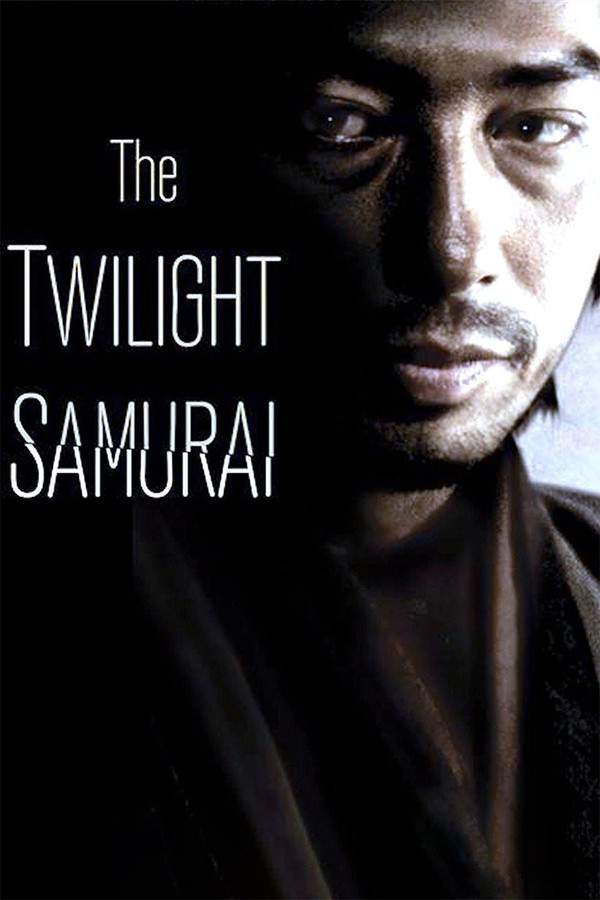
In 1860s Japan, Seibei is a former samurai living a quiet life as a bookkeeper in his rural village. Haunted by his past and yearning for the life of a warrior, he struggles to reconcile his current responsibilities with his former identity. The unexpected return of Tomoe, a childhood sweetheart, stirs up long-buried emotions and forces him to confront unresolved issues related to his family, career, and the rigid societal expectations of the time, threatening his peaceful existence.
Get a spoiler-free look at The Twilight Samurai (2004) with a clear plot overview that covers the setting, main characters, and story premise—without revealing key twists or the ending. Perfect for deciding if this film is your next watch.
In the waning light of a turbulent 1860s Japan, a former samurai lives a modest existence far from the battlefield that once defined him. Iguchi Seibei now works as a quiet bookkeeper for his clan, his days filled with ledgers and the soft rustle of grain sacks rather than the clang of swords. The world around him is a delicate balance of tradition and change, where the weight of honor still presses against the realities of poverty, rural life, and the steady march of modernity.
Seibei’s home is a modest household shared with his aging mother and two young daughters, whose laughter provides a fragile sanctuary against the era’s harsh expectations. The routine of caring for his family leaves little room for personal pride; he forgoes the trappings of a samurai’s appearance, focusing instead on the simple necessities of daily survival. This quiet dedication creates a portrait of a man caught between the lingering echo of his warrior past and the gentle responsibility of fatherhood.
The arrival of Tomoe, a childhood companion who returns after a painful separation, stirs a dormant yearning within Seibei. Their reunion is less about grand gestures and more about subtle, unspoken connections that flutter like shadows at dusk. Tomoe’s presence offers a glimpse of a life that might have been, while also highlighting the constraints that bind Seibei to his present duties. Their interactions whisper of tenderness, regret, and the possibility of new paths, all set against the backdrop of a society that demands conformity and sacrifice.
Against this soft, melancholic canvas, the film balances the austere beauty of Edo‑era landscapes with the intimate, everyday struggles of its characters. The tone is restrained yet emotionally resonant, inviting viewers to contemplate how personal identity persists when the world around it is in flux, and how love and duty can coexist in the twilight of a fading era.
Last Updated: August 10, 2025 at 10:49
Discover curated groups of movies connected by mood, themes, and story style. Browse collections built around emotion, atmosphere, and narrative focus to easily find films that match what you feel like watching right now.
Stories of warriors grappling with the mundane realities of peace and duty.Explore films that, like The Twilight Samurai, portray the daily life of warriors beyond the battlefield. These movies focus on character-driven stories about samurai, soldiers, and fighters navigating poverty, family, and societal expectations in times of peace or personal transition.
This thread follows warriors—samurai, soldiers, or other skilled combatants—who are defined by their internal struggle between their martial identity and the demands of a peaceful, often impoverished, civilian life. The plot is typically driven by character choices related to honor, duty, and personal sacrifice, rather than large-scale conflict.
Movies are grouped here for their shared focus on a specific character archetype: the warrior in repose. They share a melancholic, reflective tone and a slow, deliberate pacing that allows for deep exploration of the protagonist's internal conflict between their violent skills and their desire for a simple, dignified life.
Slow-burn historical stories where personal sacrifice meets a bittersweet end.If you liked the melancholic tone and bittersweet ending of The Twilight Samurai, discover other historical dramas with a heavy emotional weight. These films feature slow pacing, deep character studies, and narratives about grief, sacrifice, and love within the confines of a specific period setting.
Narratives in this thread follow characters navigating the strictures of a historical period, often ending with a sense of personal tragedy softened by a legacy of dignity or love. The journey is linear and straightforward, focusing on emotional authenticity over complex plotting, and building towards an ending that acknowledges loss while finding a glimmer of peace or meaning.
These films are grouped by their potent combination of a historical setting, a slow and somber pace, a deeply melancholic mood, and a conclusively bittersweet emotional payoff. They prioritize emotional resonance and character depth over action or adventure, creating a consistently heavy yet tender viewing experience.
Don't stop at just watching — explore The Twilight Samurai in full detail. From the complete plot summary and scene-by-scene timeline to character breakdowns, thematic analysis, and a deep dive into the ending — every page helps you truly understand what The Twilight Samurai is all about. Plus, discover what's next after the movie.
Read a complete plot summary of The Twilight Samurai, including all key story points, character arcs, and turning points. This in-depth recap is ideal for understanding the narrative structure or reviewing what happened in the movie.
Track the full timeline of The Twilight Samurai with every major event arranged chronologically. Perfect for decoding non-linear storytelling, flashbacks, or parallel narratives with a clear scene-by-scene breakdown.
Discover the characters, locations, and core themes that shape The Twilight Samurai. Get insights into symbolic elements, setting significance, and deeper narrative meaning — ideal for thematic analysis and movie breakdowns.
Visit What's After the Movie to explore more about The Twilight Samurai: box office results, cast and crew info, production details, post-credit scenes, and external links — all in one place for movie fans and researchers.
Discover movies like The Twilight Samurai that share similar genres, themes, and storytelling elements. Whether you’re drawn to the atmosphere, character arcs, or plot structure, these curated recommendations will help you explore more films you’ll love.
The Twilight Samurai (2004) Scene-by-Scene Movie Timeline
The Twilight Samurai (2004) Movie Characters, Themes & Settings
The Twilight Samurai (2004) Spoiler-Free Summary & Key Flow
Movies Like The Twilight Samurai – Similar Titles You’ll Enjoy
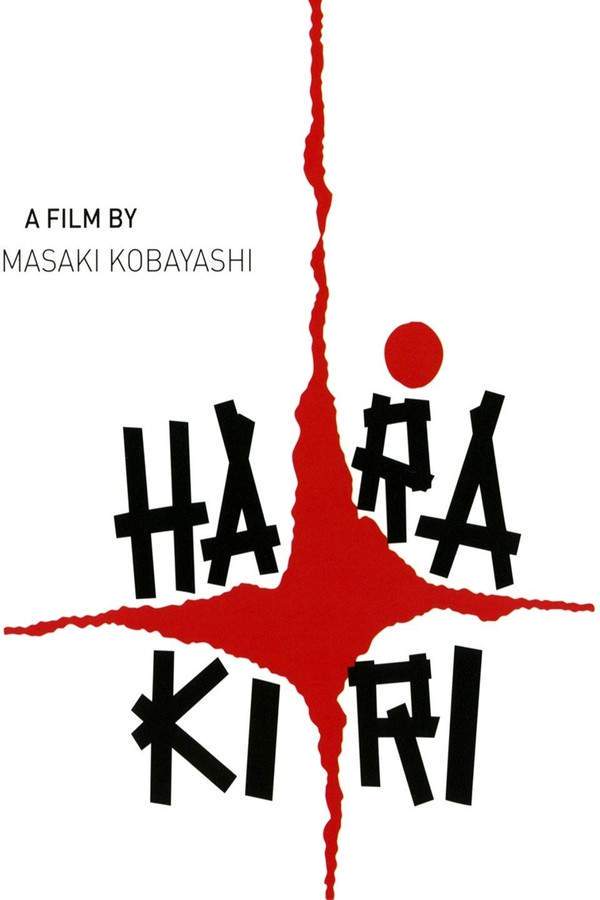
Harakiri (1964) Movie Recap & Themes
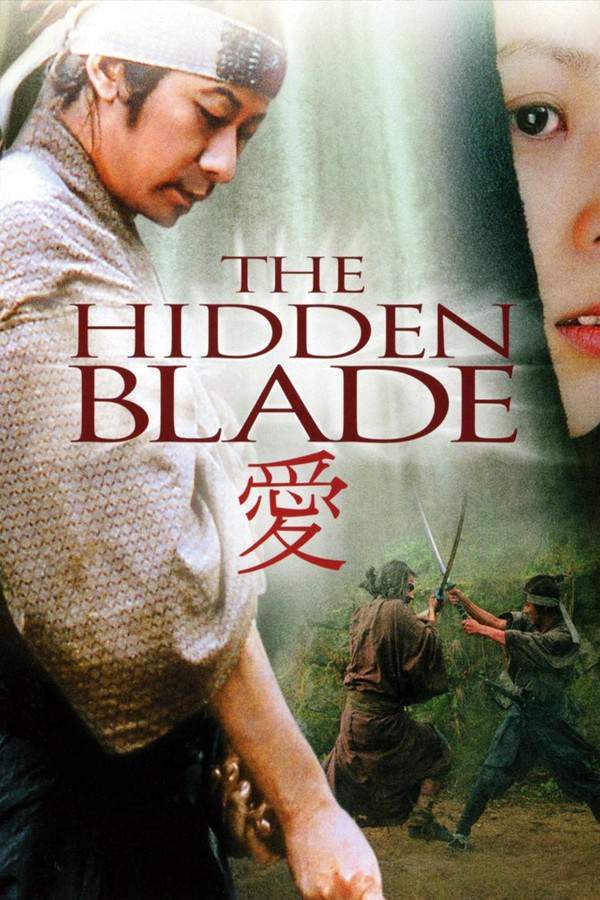
The Hidden Blade (2006) Film Overview & Timeline
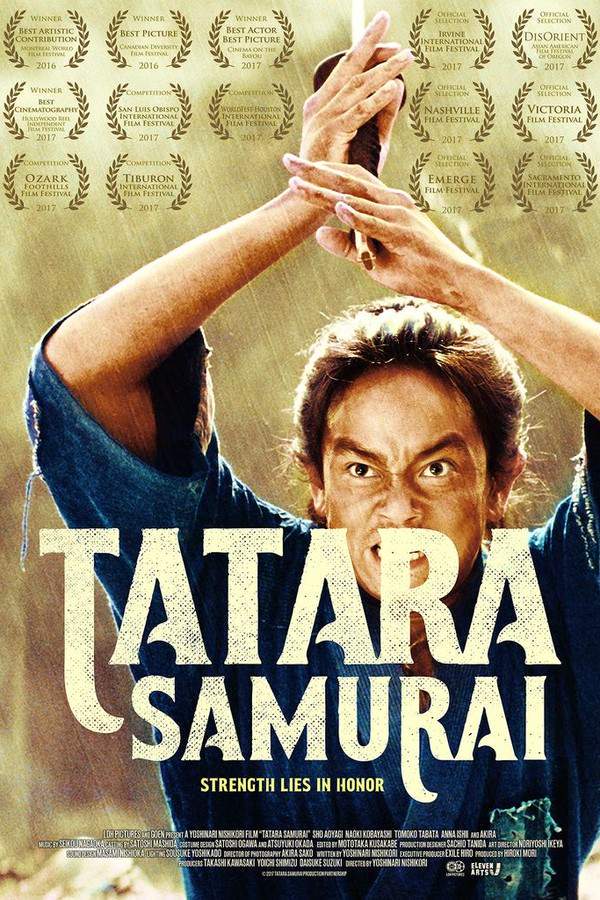
Tatara Samurai (2017) Story Summary & Characters
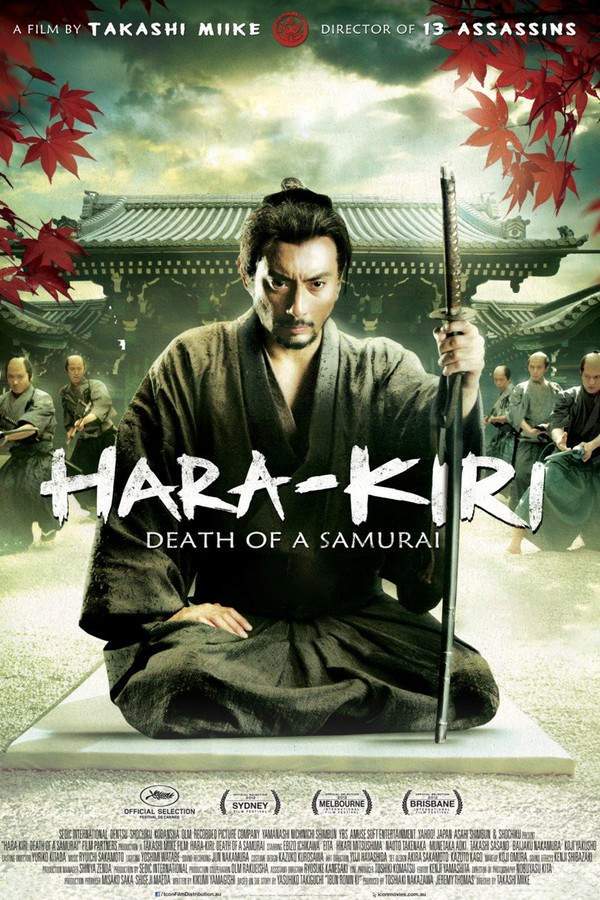
Hara-Kiri: Death of a Samurai (2012) Full Movie Breakdown
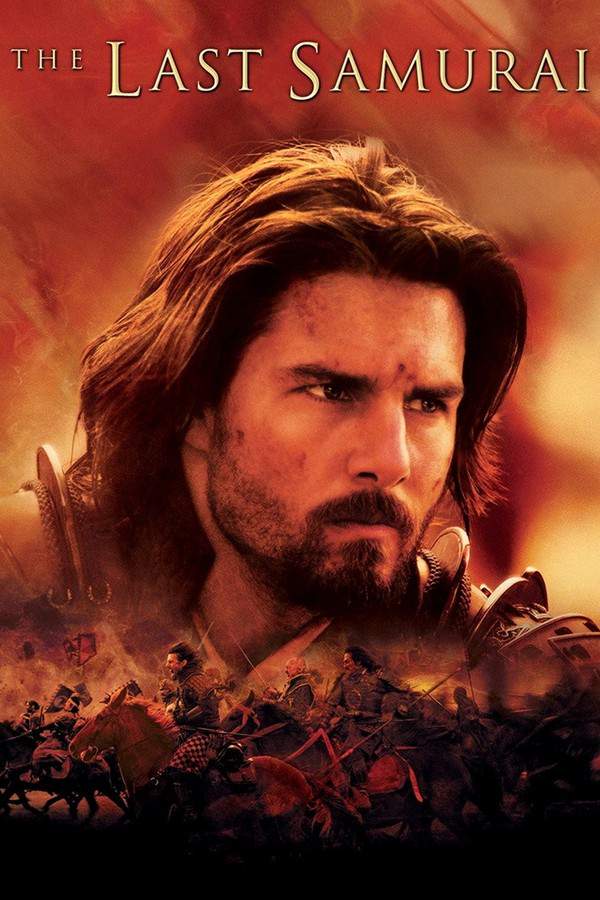
The Last Samurai (2003) Ending Explained & Film Insights
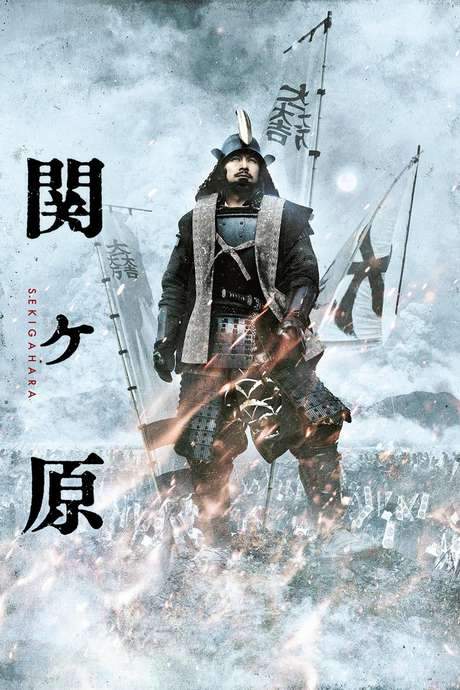
Sekigahara (2017) Film Overview & Timeline
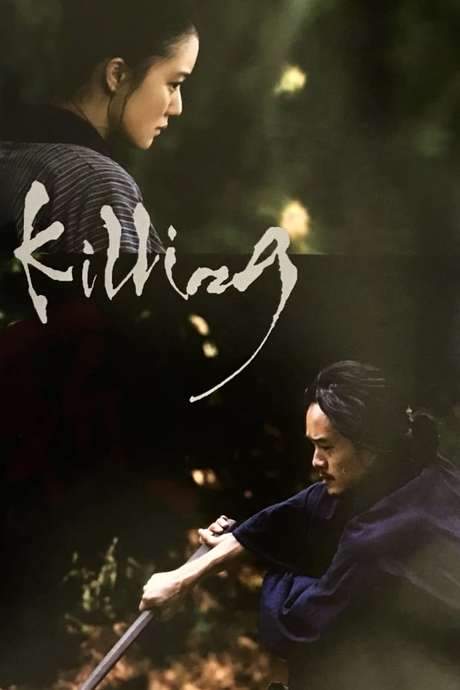
Killing (2018) Full Movie Breakdown
Samurai Resurrection (2003) Movie Recap & Themes
The Samurai I Loved (2005) Detailed Story Recap
Bushido: The Cruel Code of the Samurai (1963) Plot Summary & Ending Explained
Samurai III: Duel at Ganryu Island (1956) Detailed Story Recap
Samurai II: Duel at Ichijoji Temple (1955) Plot Summary & Ending Explained
Samurai Assassin (1965) Story Summary & Characters
The Last Samurai (1974) Spoiler-Packed Plot Recap
Samurai Wolf (1966) Full Summary & Key Details