Plot Explained Spoilers guaranteed!
Plot Explained

Browse by genre

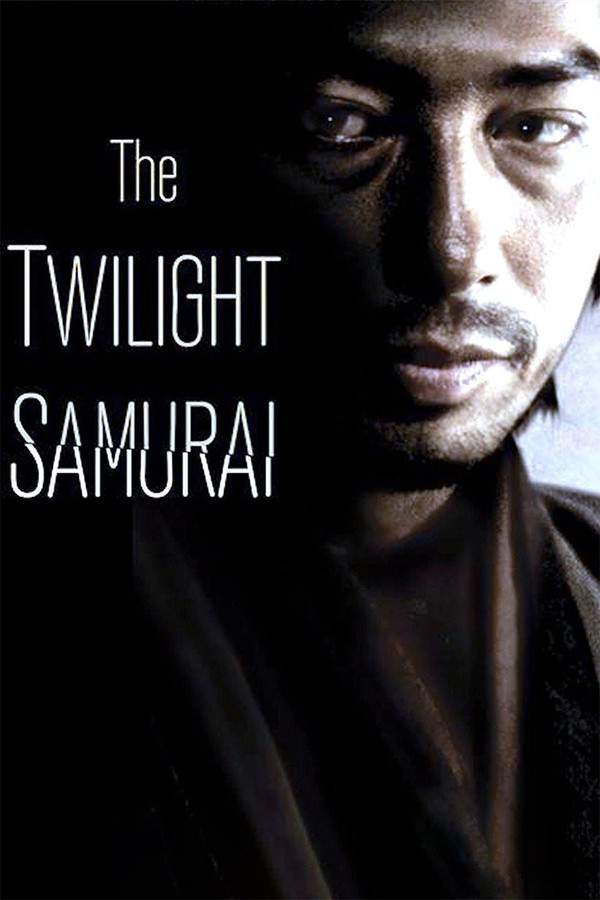
The Twilight Samurai (2004) movie poster

Characters & Themes

The Twilight Samurai (2004) Characters, Setting & Themes Explained

Release, runtime and language
2004 · 129 min · Japanese
Directed by
Yôji Yamada
Budget
$140M

In 1860s Japan, Seibei is a former samurai living a quiet life as a bookkeeper in his rural village. Haunted by his past and yearning for the life of a warrior, he struggles to reconcile his current responsibilities with his former identity. The unexpected return of Tomoe, a childhood sweetheart, stirs up long-buried emotions and forces him to confront unresolved issues related to his family, career, and the rigid societal expectations of the time, threatening his peaceful existence.

On this page (7)
  1. 1 Characters explained (3)
  2. 2 Where & when it takes place
  3. 3 Themes & meaning (3)
  4. 4 Character & meaning questions
  5. 5 Movie threads
  6. 6 Movies like The Twilight Samurai
  7. 7 Every angle

3 main characters · contains spoilers

The Twilight Samurai Characters Explained: Who Is Who

The main characters of The Twilight Samurai (2004), heroes and villains: what drives them, how they change over the course of the story and what each of them reveals about the film's bigger ideas.

  • Iguchi Seibei

    Iguchi Seibei is a devoted father and a reluctant samurai who prioritizes his family's welfare above all else. His character encapsulates the themes of sacrifice, honor, and love as he navigates the hardships of his life while mourning his late wife. Despite his abilities as a swordsman, he struggles with the expectations of his clan and the burden of his responsibilities.

    • 👨‍👧 Father
    • ⚔️ Samurai
    • 💔 Grief
  • Tomoe

    Tomoe is a pivotal character who embodies compassion and resilience. Having escaped an abusive marriage, she seeks solace and healing while forming a bond with Seibei's daughters. Her relationship with Seibei adds emotional depth to the story, as she faces her own struggles when confronted with societal expectations and personal rejections.

    • 🌸 Compassionate
    • 💔 Love
    • 👩‍👧‍👧 Caregiver
  • Iinuma Michinojo

    Iinuma Michinojo serves as a friend and advocate for Seibei, offering moments of support and a potential future with Tomoe. His character represents the kindness that exists within the often harsh samurai society, illustrating the importance of friendship in times of turmoil. He balances his own responsibilities with the desire to help those he cares for.

    • 🤝 Friend
    • 🏯 Supportive
    • 🌟 Kind

Last updated: October 22, 2024 at 19:07

Was this helpful?

Setting

Where and When Does The Twilight Samurai Take Place?

The setting of The Twilight Samurai (2004): the year and time period, the places and locations, and how they shape the characters, the mood and the tension of the story.

Time period

Feudal Japan, during the Boshin War

Set in feudal Japan, a period marked by social upheaval and the decline of the samurai class, the film captures the struggles of a widowed samurai amidst personal and clan turmoil. The Boshin War looms in the background, as rival factions clash for power, underscoring the tensions that impact Seibei's choices and relationships. Deaths like that of the young lord and the rise of new leaders further complicate the samurai's way of life.

Location

Seibei's village, Yogo's residence

The story unfolds in a small village, illustrating the life of a lowly samurai amid the societal hierarchies of feudal Japan. Seibei's humble home serves as a refuge for his family, showcasing the simplicity of rural life. Yogo's residence stands as a stark contrast, representing the darker side of samurai life where honor clashes with personal loss.

  • 🏯 Village
  • 🏰 Residence

Last updated: October 22, 2024 at 19:07

Was this helpful?

3 major themes

The Twilight Samurai Meaning: Themes & Message Explained

What is The Twilight Samurai (2004) really about? The emotional, social and philosophical themes the film keeps returning to, its symbolism and the message beneath the surface.

  • Sacrifice

    Sacrifice is a central theme in Seibei's journey as he constantly prioritizes the well-being of his family over his own desires and status. His willingness to face danger for Tomoe and adhere to his samurai duties speaks to the depth of his character. The emotional toll of his choices, particularly in facing Yogo, illustrates the burden of sacrifice that he carries.

  • Honor

    The concept of honor runs deeply in the fabric of the samurai's code, influencing Seibei's actions and decisions. Despite his low status, he grapples with his responsibilities to uphold his family's honor and that of his clan. This theme is poignantly highlighted as Seibei navigates dangerous encounters while maintaining his integrity, especially in the face of familial obligations.

  • Family

    Family drives Seibei’s motivations and decisions throughout the film. His devotion to his mother and daughters shapes his identity, often overshadowing his personal aspirations. The relationship with Tomoe adds complexity to his familial bonds, highlighting how love can both uplift and create tension within the confines of duty.

Last updated: October 22, 2024 at 19:07

Was this helpful?

Character & theme questions

The Twilight Samurai Characters & Meaning: Your Questions Answered

The questions people ask about The Twilight Samurai (2004): who the characters really are, their relationships, what the symbols mean, where it takes place and what the movie is really about. Each answer contains spoilers.

Q1

What is the setting of the film?

The story unfolds in a small rural village in feudal Japan. Seibei's humble home serves as a refuge for his family, showcasing the simplicity of village life. In contrast, Yogo's residence represents the darker side of samurai society where honor clashes with personal loss.

  • feudal japan
  • village
  • samurai
  • setting
  • rural japan
Q2

When does the story take place?

The film is set in 1860s Japan during the Boshin War, a period marked by social upheaval and the decline of the samurai class. The war looms in the background as rival factions clash for power, underscoring the tensions that impact Seibei's choices and relationships.

  • 1860s
  • boshin war
  • feudal japan
  • historical period
  • Meiji era transition
Q3

Who is Seibei?

Iguchi Seibei is a widowed, low-ranking samurai working as a bookkeeper in his rural village. He is a devoted father to two daughters and prioritizes his family's welfare above all else. Despite his skills as a swordsman, he struggles with the expectations of his clan and the burden of his responsibilities, constantly reconciling his past as a warrior with his current quiet life.

  • seibei
  • samurai
  • protagonist
  • father
  • iguchi
Q4

Who is Tomoe?

Tomoe is Seibei's childhood sweetheart who returns to his life after escaping an abusive marriage. She embodies compassion and resilience, forming a bond with Seibei's daughters while seeking healing. Her presence stirs up long-buried emotions in Seibei and forces him to confront unresolved feelings about his family and past.

  • tomoe
  • love interest
  • childhood sweetheart
  • abuse survivor
Q5

Who is Iinuma Michinojo?

Iinuma Michinojo is Seibei's friend and advocate within the samurai society. He offers support during difficult times and represents the kindness that exists in an often harsh world. He also serves as a potential future for Tomoe, balancing his own responsibilities with the desire to help those he cares about.

  • iinuma michinojo
  • friend
  • supporting character
Q6

What is the theme of sacrifice in the movie?

Sacrifice is central to Seibei's journey as he constantly prioritizes his family's well-being over his own desires and status. His willingness to face danger for Tomoe and adhere to his samurai duties demonstrates the depth of his character. The emotional toll of his choices, particularly in facing Yogo, illustrates the heavy burden of sacrifice he carries throughout the film.

  • sacrifice
  • family duty
  • samurai code
  • selflessness
Q7

How is honor depicted in the film?

The concept of honor runs deeply through the samurai code, influencing Seibei's actions and decisions. Despite his low status, he grapples with responsibilities to uphold his family's honor and that of his clan. This theme is poignantly highlighted as Seibei navigates dangerous encounters while maintaining his integrity, especially in the face of familial obligations.

  • honor
  • samurai code
  • bushido
  • integrity
  • clan duty
Q8

What role does family play in the story?

Family drives Seibei's motivations and decisions throughout the film. His devotion to his mother and daughters shapes his identity, often overshadowing his personal aspirations. The relationship with Tomoe adds complexity to his familial bonds, highlighting how love can both uplift and create tension within the confines of duty.

  • family
  • father-daughter relationship
  • marriage
  • duty vs love
Q9

What is the tone and mood of the film?

The film has a melancholic tone, established by Seibei's quiet grief, poverty, and resignation to his circumstances. However, tender moments with his daughters provide warmth and emotional depth. The pacing is slow, focusing on the quiet, repetitive details of Seibei's life as a low-ranking bureaucrat and father, creating a contemplative viewing experience.

  • melancholic
  • slow pacing
  • emotional
  • tone
  • mood
Q10

Why is the ending considered bittersweet?

The ending is bittersweet because Seibei dies in war, yet his daughter reframes his life as one of quiet contentment with the love he had. This blends personal tragedy with a legacy of dignity, leaving viewers with a sense of both loss and fulfillment. The emotional weight comes from themes of spousal death, poverty, and the protagonist's ultimate sacrifice.

  • ending
  • death
  • bittersweet
  • legacy
  • war
Q11

How does the film portray the decline of samurai?

The film captures the struggles of a widowed samurai amidst personal and clan turmoil during a time when the samurai class is declining. The Boshin War represents the broader social changes sweeping Japan, which complicate the samurai's traditional way of life. Seibei's modest existence as a bookkeeper rather than a warrior exemplifies how many samurai were displaced during this transitional period.

  • samurai decline
  • feudal Japan
  • social change
  • boshin war
  • warrior class

Movie threads

More Movies Like The Twilight Samurai, by Mood & Story

Curated lists built around what makes The Twilight Samurai tick: the same mood, the same kind of story or the same emotional payoff. Each list explains why these movies belong together.

Movies about the quiet samurai life like The Twilight Samurai

Stories of warriors grappling with the mundane realities of peace and duty. Explore films that, like The Twilight Samurai, portray the daily life of warriors beyond the battlefield. These movies focus on character-driven stories about samurai, soldiers, and fighters navigating poverty, family, and societal expectations in times of peace or personal transition.

  • melancholic
  • reflective
  • quiet
  • somber
  • resigned
  • duty-bound
  • Tone: melancholic, reflective, resigned
  • Pacing: slow, character-driven
Why these movies?

The story pattern: This thread follows warriors—samurai, soldiers, or other skilled combatants—who are defined by their internal struggle between their martial identity and the demands of a peaceful, often impoverished, civilian life. The plot is typically driven by character choices related to honor, duty, and personal sacrifice, rather than large-scale conflict.

Why they belong together: Movies are grouped here for their shared focus on a specific character archetype: the warrior in repose. They share a melancholic, reflective tone and a slow, deliberate pacing that allows for deep exploration of the protagonist's internal conflict between their violent skills and their desire for a simple, dignified life.

Bittersweet historical dramas like The Twilight Samurai

Slow-burn historical stories where personal sacrifice meets a bittersweet end. If you liked the melancholic tone and bittersweet ending of The Twilight Samurai, discover other historical dramas with a heavy emotional weight. These films feature slow pacing, deep character studies, and narratives about grief, sacrifice, and love within the confines of a specific period setting.

  • melancholic
  • bittersweet
  • somber
  • tender
  • nostalgic
  • grief
  • Tone: melancholic, bittersweet, somber
  • Pacing: slow, deliberate
Why these movies?

The story pattern: Narratives in this thread follow characters navigating the strictures of a historical period, often ending with a sense of personal tragedy softened by a legacy of dignity or love. The journey is linear and straightforward, focusing on emotional authenticity over complex plotting, and building towards an ending that acknowledges loss while finding a glimmer of peace or meaning.

Why they belong together: These films are grouped by their potent combination of a historical setting, a slow and somber pace, a deeply melancholic mood, and a conclusively bittersweet emotional payoff. They prioritize emotional resonance and character depth over action or adventure, creating a consistently heavy yet tender viewing experience.

If you liked this

Movies Like The Twilight Samurai

Similar movies to The Twilight Samurai: the same genre, themes or kind of story. Each one comes with its own plot summary, timeline and ending explained.

Browse all movie summaries

Every angle

The Twilight Samurai (2004) Explained: Plot, Timeline & Characters

Everything about The Twilight Samurai in one place: what happens in the plot summary, the timeline in chronological order, the characters and meaning and a spoiler-free summary. What's After the Movie adds the cast, box office and post-credit scenes.

Coming soon on iOS and Android

The Plot Explained Movie Summary App

Plot summaries, endings explained and timelines on your phone. Catch up on any movie in minutes, save your favorites and never miss a twist again.

Be the first to know when we launch. Your email stays private, always.

Learn more about the app