Year: 1951
Runtime: 113 mins
Language: English
Director: Lewis Milestone
Richard Widmark leads an all‑star squad of U.S. Marines—including Jack Palance, Robert Wagner, Karl Malden, Richard Boone and Jack Webb—on a heavily fortified island. They fight through enemy‑infested jungle on a time‑critical mission to locate the source of hostile rockets, overcoming numerous obstacles and forging an effective fighting unit.
Find where to stream, rent, or buy Halls of Montezuma (1951) in the US with current JustWatch availability, up-to-date pricing, and platform listings for subscription, rental, and digital purchase options.
Warning: spoilers below!
Haven’t seen Halls of Montezuma yet? This summary contains major spoilers. Bookmark the page, watch the movie, and come back for the full breakdown. If you're ready, scroll on and relive the story!
Read the complete plot breakdown of Halls of Montezuma (1951), including all key story events, major twists, and the ending explained in detail. Discover what really happened, and what it all means.
During World War II, a Marine battalion prepares to land on a Japanese-held island in the Pacific. Lt. Col. Gilfillan orders the men to take prisoners to glean information about the enemy fortifications. Below deck, Doc Jones frets over Lt. Carl A. Anderson, a battle-seasoned leader who has endured months of “psychological migraines” and depends on the corpsman’s painkillers to press on. As the landing craft reaches the shore, Anderson leads his men into the beachhead, digging in against a stubborn, early taste of resistance and preparing to push inland toward a more challenging objective.
Once ashore, the objective sharpens: a high ridge that must be taken, but a sudden Japanese rocket attack breaks the opening momentum and claims the life of Private Coffman. In the wake of the assault, the battalion regroups at headquarters, where the colonel lays out a new, more covert plan: to capture Japanese prisoners so they can interrogate them about the rockets’ origin and timing. The task falls to Anderson’s platoon, with Sgt. Randolph Johnson brought in as a local-language and cultural expert to help interpret what prisoners say and how their answers fit into the broader Japanese defense network.
Among those chosen for the mission are six battle-hardened veterans who will hunt for answers behind enemy lines. Guided by Johnson’s knowledge, they move toward a Japanese-held cave believed to house the key installations, only to be ambushed along the way. Despite the danger, Anderson’s team presses on and manages to capture five Japanese soldiers and kill the rest, a precarious victory that comes with heavy costs. On the return to base, the group is decimated by further losses, and even the loyal Doc Jones does not survive the mission. The survivors are pared down to a tight core: Anderson, Johnson, Frank Conroy, two veterans, a replacement, and war correspondent Dickerman.
Back at headquarters, the mission takes a crucial turn when a highly educated officer is revealed among the prisoners, disguised as a private. His interrogation helps unlock crucial intelligence, and a map expert at headquarters confirms the precise location of the rocket emplacements. The reconnaissance and collected information finally put the pieces together, allowing Anderson to complete the primary objective and earn the gratitude of Lt. Col. Gilfillan. Yet the victory comes with a bitter aftertaste: Conroy has fallen, and the losses linger in Anderson’s thoughts as he contemplates the cost of their sacrifices.
In the aftermath, Dickerman reads aloud a note that Doc had entrusted to him, a quiet plea for strength aimed at the men who survive. The message lands with quiet force, turning Anderson’s resolve into renewed purpose. Inspired by Doc’s appeal to endure for those who remain, he discards the painkillers and steels himself for one more push. With a renewed sense of duty, he leads his squad in another assault on the Japanese positions, a testament to endurance and leadership in the face of overwhelming odds. As the final movement unfolds, Navy F4U Corsairs roar in, delivering a decisive blow to the rocket sites and signaling a hard-won, hard-fought victory that stands on the edge of sacrifice and persistence.
Last updated: October 09, 2025 at 14:13
Explore frequently asked questions about Halls of Montezuma (1951) with spoiler-rich answers covering the full plot summary, major story beats, character motivations, hidden details, and ending meaning. This movie summary FAQ helps explain confusing scenes, plot twists, and narrative decisions in clear, searchable detail.
Lt. Anderson has been suffering from "psychological migraines" caused by months of relentless combat. Doc Jones, the corpsman, provides him with painkillers to help him function and continue leading his men through the dangerous mission.
Early scenes show Doc Jones fretting below deck about Anderson's dependence on the medication.
Lt. Col. Gilfillan needed intelligence on the Japanese rocket batteries that were attacking the beachhead. The only way to learn the rockets' location and firing schedule was through interrogating captured prisoners who knew the defense network.
The rocket attack that kills Coffman creates the urgent need for this intelligence.
Sgt. Randolph Johnson was brought in as a language and cultural expert who could communicate with captured Japanese soldiers and accurately interpret their answers. His knowledge was essential for extracting reliable intelligence about the rocket emplacements.
Johnson is introduced at headquarters after the rocket attack.
Doc Jones is killed during the return journey from the successful prisoner capture mission near the Japanese cave. He dies alongside other men as the group suffers further losses while making their way back to headquarters.
The ambush near the cave results in heavy casualties for Anderson's team.
During interrogation, the Marines discover one prisoner is actually a highly educated Japanese officer disguised as a private. His captured status provides crucial intelligence about Japanese objectives and helps pinpoint the exact location of the rocket batteries.
One prisoner commits harakiri upon reaching headquarters, hinting at higher status.
The intelligence gathered from the disguised Japanese officer, combined with the prisoners' information, allows a map expert at headquarters to confirm the precise location of the rocket emplacements. This breakthrough enables Anderson's mission to succeed.
Johnson and Anderson work together to deduce the true Japanese objectives from the interrogation.
Before dying, Doc entrusted a note to war correspondent Dickerman asking the men to stay strong for those who survive. When Dickerman reads it aloud, the message resonates deeply with Anderson, transforming his personal grief into renewed purpose and determination.
Doc's death occurs just before the note is read, adding emotional weight to the moment.
Inspired by Doc's plea for the survivors to endure, Anderson makes a symbolic break from his dependency. He smashes the painkillers and leads his men into another assault against the Japanese positions, demonstrating his commitment to fight on despite his psychological struggles.
Doc's note directly inspires Anderson to overcome his pain and lead the final push.
Frank Conroy, the frightened corporal whom Anderson reassures early in the film, is killed during the mission. He dies after the prisoner capture is complete, and his death adds to the heavy toll suffered by Anderson's unit.
Anderson tells Conroy he has shown courage before and can do so again, foreshadowing his eventual fall.
Discover curated groups of movies connected by mood, themes, and story style. Browse collections built around emotion, atmosphere, and narrative focus to easily find films that match what you feel like watching right now.
High-stakes military missions where teamwork and survival are paramount.If you enjoyed the tense, high-stakes mission in Halls of Montezuma, you'll find similar stories here. These movies feature similar fast-paced, intense World War II narratives focused on a specific combat objective, heavy emotional weight, and a focus on leadership and sacrifice under extreme pressure.
Stories in this thread typically follow a linear, mission-based structure. A unit is given a specific, time-sensitive objective behind enemy lines. The plot is driven by a series of obstacles—ambushes, terrain, and enemy forces—that test the group's cohesion, resolve, and will to survive, often culminating in a costly victory.
These movies are grouped together because they share a core narrative engine: a defined military mission. They create a cohesive experience through fast pacing, high tension, a straightforward plot focused on survival, and a bittersweet emotional conclusion where success is measured in lives lost.
Stories where soldiers bond through shared trauma and loss.Fans of the deep character bonds and heavy emotional cost in Halls of Montezuma will appreciate these films. Discover similar war dramas that explore the themes of sacrifice, leadership, and the psychological trauma shared by a combat unit, creating a somber and melancholic viewing experience.
The narrative pattern focuses on an ensemble cast of soldiers whose personal arcs are secondary to the group's dynamic. The story charts the formation of their bond under fire, the shared hardships they endure, and the devastating impact of loss within the unit. The emotional journey is one of forging family in the most hellish conditions.
These films are united by their primary focus on the theme of brotherhood as a coping mechanism for the horrors of war. They share a heavy emotional weight, melancholic and somber moods, and explore topics like psychological trauma and sacrifice, creating a coherent vibe of grim camaraderie.
Don't stop at just watching - explore Halls of Montezuma in full detail. From the complete plot summary and scene-by-scene timeline to character breakdowns, thematic analysis, and a deep dive into the ending - every page helps you truly understand what Halls of Montezuma is all about. Plus, discover what's next after the movie.
Track the full timeline of Halls of Montezuma with every major event arranged chronologically. Perfect for decoding non-linear storytelling, flashbacks, or parallel narratives with a clear scene-by-scene breakdown.
Discover the characters, locations, and core themes that shape Halls of Montezuma. Get insights into symbolic elements, setting significance, and deeper narrative meaning - ideal for thematic analysis and movie breakdowns.
Discover movies like Halls of Montezuma that share similar genres, themes, and storytelling elements. Whether you’re drawn to the atmosphere, character arcs, or plot structure, these curated recommendations will help you explore more films you’ll love.
Halls of Montezuma (1951) Scene-by-Scene Movie Timeline
Halls of Montezuma (1951) Movie Characters, Themes & Settings
Halls of Montezuma (1951) Spoiler-Free Summary & Key Flow
Movies Like Halls of Montezuma – Similar Titles You’ll Enjoy
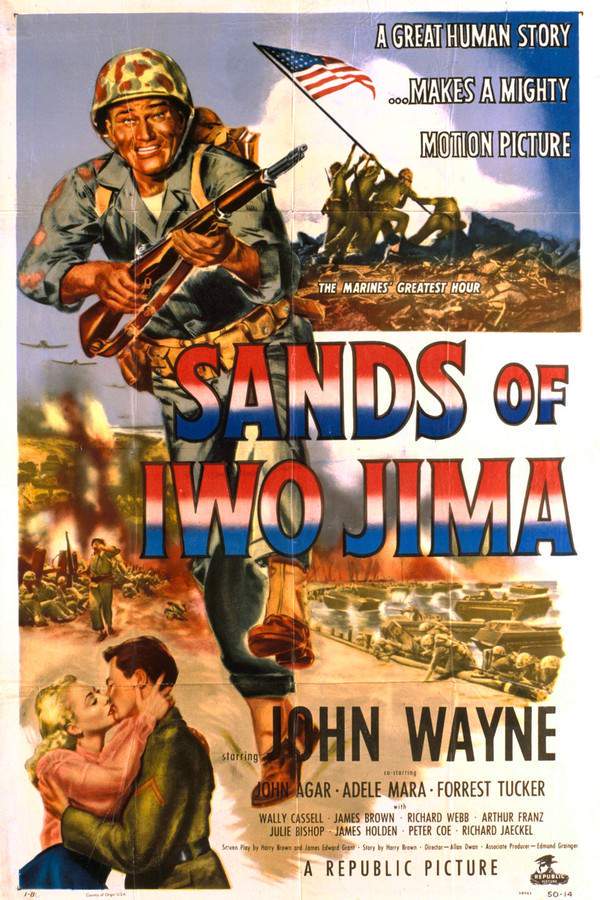
Sands of Iwo Jima (1950) Story Summary & Characters
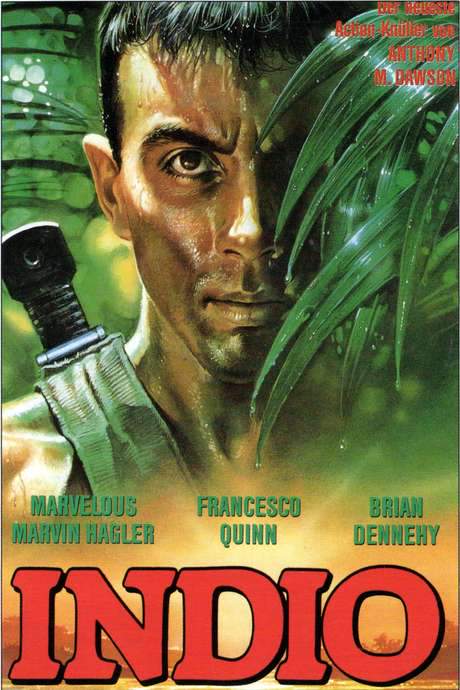
Indio (1989) Plot Summary & Ending Explained
The Long and the Short and the Tall (1961) Complete Plot Breakdown
Marine Raiders (1944) Full Movie Breakdown
Commandos (1968) Spoiler-Packed Plot Recap
All the Young Men (1960) Full Movie Breakdown
Gung Ho! (1943) Movie Recap & Themes
Battle of the Commandos (1969) Movie Recap & Themes
Tarawa Beachhead (1958) Full Summary & Key Details
The Marines Fly High (1940) Plot Summary & Ending Explained
Beach Red (1967) Film Overview & Timeline
Men in War (1957) Plot Summary & Ending Explained
Beachhead (1954) Complete Plot Breakdown
Guadalcanal Diary (1943) Detailed Story Recap
Hell in the Pacific (1968) Full Movie Breakdown