





Plot Explained Spoilers guaranteed!
Plot Explained

Browse by genre

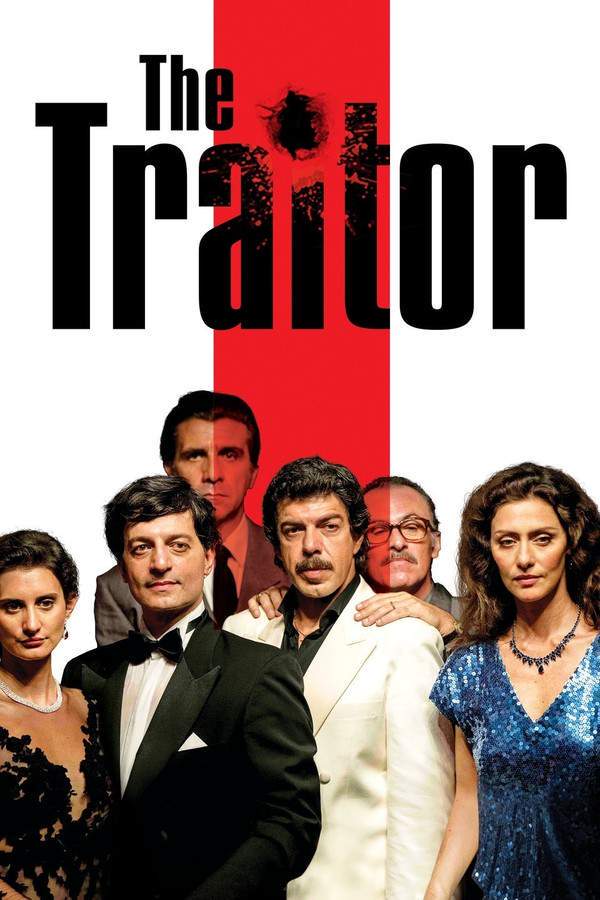
The Traitor (2020) movie poster

Timeline

The Traitor (2020) Timeline Explained – Every Event in Order

Release, runtime and language
2020 · 153 min · Italian
Echo score 69
Directed by
Marco Bellocchio
Starring
Fabrizio Ferracane, Pierfrancesco Favino, Alessio Praticò, Bebo Storti, Bruno Cariello, Fausto Russo Alesi

In 1980s Sicily, a violent conflict erupts between powerful mafia bosses during the heroin trade. Tommaso Buscetta, a prominent figure in the organization, flees to Brazil after witnessing the devastating loss of his family. Facing imminent danger, Buscetta is apprehended and returned to Italy, where he makes a pivotal decision: to break the Mafia's code of silence and assist Judge Falcone in pursuit of justice, seeking a path toward redemption.

On this page (6)
  1. 1 Where to watch
  2. 2 Events in order (11)
  3. 3 Timeline questions answered
  4. 4 Movie threads
  5. 5 Movies like The Traitor
  6. 6 Every angle

Where to watch

Where to Watch The Traitor (2020)

Where can you watch The Traitor? Stream, rent or buy it in the US, including on Amazon Video, Apple TV Store and Fandango At Home: current JustWatch availability with up-to-date prices.

Streaming availability powered by JustWatch

11 events in order · contains spoilers

The Traitor Timeline: Events in Chronological Order

Every key event of The Traitor (2020) in order, scene by scene, with when and where it takes place. Use it to untangle flashbacks, time jumps and parallel storylines, to refresh your memory before the sequel or to find the exact scene you are thinking of.

  1. Rise of Mafia Power

    In the 1980s, the Cosa Nostra in Palermo and the Corleonesi factions led by Totò Riina reached their peak of power. These factions presented a façade of collaboration while secretly competing for dominance in the drug market.

    When
    1980s
    Where
    Palermo, Italy
  2. Buscetta's Departure to Brazil

    Tommaso Buscetta, known as the 'boss of two worlds', foresaw the impending mafia war and chose to relocate to Brazil. He adopted the alias Roberto Felici to continue his business without the looming threat of violence in Italy.

    Where
    Brazil
  3. Family Tragedy Strikes

    After Buscetta's departure, tensions escalated between the mafia families, leading to horrific retaliations. Tragically, two of Buscetta's sons and his brother fell victim to the violent feud, marking a personal loss for the mafia boss.

  4. Capture and Torture

    Buscetta was captured by the Brazilian police and faced brutal torture. Realizing that his extradition to Italy was imminent, he understood that he was on the brink of death, pressured by the circumstances of his criminal past.

    Where
    Brazil
  5. Offer from Judge Falcone

    In a twist of fate, Judge Giovanni Falcone proposed an escape route for Buscetta. He offered him the opportunity to collaborate with law enforcement, providing a chance to protect himself while contributing to the fight against organized crime.

    Where
    Brazil
  6. Decision to Collaborate

    Buscetta, disillusioned by the violent actions of the Cosa Nostra and motivated by revenge for the losses he suffered, accepted Falcone's offer. This pivotal decision marked him as the first justice collaborator in Italian history.

  7. The Maxi-Trial Begins

    In 1986, thanks to Buscetta's testimonies, the Maxi-Trial commenced in Palermo, featuring 475 defendants. This landmark event brought the Mafia's crimes into the judicial spotlight, challenging the organization’s power like never before.

    When
    1986
    Where
    Palermo, Italy
  8. Impact of Testimonies

    Buscetta's revelations, along with those from fellow mafioso Totuccio Contorno, led to the condemnation and arrest of numerous mafia members. The testimonies were instrumental in unearthing the inner workings of the Mafia and its connections to public figures.

  9. Capaci Massacre

    In 1992, organized crime retaliated against Judge Falcone by orchestrating the Capaci massacre. The brutal attack killed Falcone, his wife, and three escort agents, illustrating the dangerous lengths to which the Mafia would go to protect its interests.

    When
    1992
    Where
    Palermo, Italy
  10. Buscetta Under Protection

    Following the assassination of Falcone, Buscetta was placed under protection in the United States. Despite personal risk, he resolved to return to Italy to honor his commitment to testify against powerful political figures involved with the Mafia.

    Where
    United States
  11. Testimony in the Trial of the Century

    Buscetta's return to Italy culminated in his testimony during the so-called 'trial of the century'. This significant trial unraveled the extensive ties between the Mafia and prominent politicians, including Giulio Andreotti, shaking the foundations of Italian politics.

    Where
    Italy

Last updated: September 18, 2026 at 08:59

Was this helpful?

Timeline questions answered

The Traitor Timeline Explained: Your Questions Answered

When does it happen, and why in that order? The questions people ask about the chronology of The Traitor (2020): time jumps, flashbacks, cause and effect between scenes and the correct order of events, each answered with spoilers.

Q1

Why did Tommaso Buscetta flee to Brazil in the 1980s?

Buscetta, known as the 'boss of two worlds,' sensed that a violent war was about to break out between the Cosa Nostra of Palermo and the rising Corleonesi faction over dominance in the heroin trade. To escape the impending conflict, he relocated to Brazil under the alias Roberto Felici, hoping to conduct his affairs in peace while the Italian mafia clans tore each other apart.

Foreshadowing: The film establishes early on that Buscetta's instincts about internal mafia politics had kept him alive for decades, making his decision to leave a calculated survival move.

  • buscetta brazil
  • boss of two worlds
  • cosa nostra war
  • corleonesi conflict
Q2

Why was Buscetta's family killed after he left Italy?

Buscetta's departure was interpreted by rival clans as a form of betrayal or abandonment during a critical moment of internal war. The Corleonesi, led by Totò Riina, escalated retaliatory violence against anyone connected to those seen as disloyal, and Buscetta's relatives became primary targets. As a result, two of his sons and his brother were murdered in retaliation for his absence.

  • buscetta family killed
  • sons murdered
  • mafia retaliation
  • corleonesi violence
Q3

Why did the Brazilian police capture and torture Buscetta?

Brazilian authorities, under pressure from Italian requests or motivated by local criminal investigations, tracked down Buscetta and subjected him to brutal interrogation techniques. The goal was to extract information and prepare his extradition back to Italy, where multiple mafia factions wanted him dead for breaking ranks with the organization.

  • buscetta arrested brazil
  • extradition italy
  • police torture
  • brazilian authorities
Q4

How did Judge Falcone convince Buscetta to cooperate?

Giovanni Falcone, a magistrate who had been building cases against the Sicilian mafia for years, approached Buscetta while he was detained in Brazil and offered him a stark choice: face almost certain death through extradition and mafia retaliation, or become a state witness in exchange for protection. Falcone framed the cooperation not just as personal survival but as a historic chance to dismantle the Cosa Nostra from the inside.

  • falcone offer
  • state witness
  • justice collaboration
  • falcone buscetta meeting
Q5

Why did Buscetta decide to break the mafia code of silence?

Buscetta had long believed the Cosa Nostra was a brotherhood that, despite its crimes, protected the poor and weaker communities. The murders of his sons and brother shattered that illusion, as did witnessing the Corleonesi's brutal campaign of betrayal against their own allies. Disillusionment, combined with his personal vendetta and Falcone's offer of state protection, drove him to become the first 'pentito,' or justice collaborator, in Italian history.

Foreshadowing: Buscetta's growing distance from mafia morality is hinted at through early scenes where he questions the senseless killings of innocents.

  • pentito
  • code of silence
  • omertà
  • justice collaborator
  • buscetta betrayal
Q6

What was the Maxi-Trial and why did it matter?

The Maxi-Trial of 1986 was a massive judicial proceeding held inside a fortified bunker courtroom in Palermo, where 475 mafia defendants were tried simultaneously. Buscetta's detailed testimonies about the internal hierarchy, rituals, and operations of Cosa Nostra, supported by fellow pentito Totuccio Contorno, provided judges with enough evidence to convict hundreds of mafiosi. It was the largest organized crime trial in history at that point and broke the myth that the mafia was untouchable by the Italian state.

  • maxi trial 1986
  • palermo bunker
  • 475 defendants
  • mafia conviction
  • totuccio contorno
Q7

Why did the Mafia assassinate Judge Falcone in 1992?

Despite the Maxi-Trial convictions, key mafia leaders including Totò Riina remained free and continued operating from hiding. Falcone was appointed as Italy's top anti-mafia prosecutor and was preparing new cases that could bring down even more powerful figures. To stop him, the Corleonesi detonated a massive bomb on the highway near Capaci as Falcone's motorcade passed, killing him, his wife Francesca Morvillo, and three escort officers in what became known as the Capaci massacre.

  • capaci massacre
  • falcone assassination
  • 1992 bombing
  • francesca morvillo
  • totò riina
Q8

Why did Buscetta return to Italy after Falcone was killed?

Although Falcone's death made his situation far more dangerous, Buscetta felt bound by the promise he had made to the judge and to the larger fight against the Cosa Nostra. Living under U.S. protection, he chose to return to Italy to testify in what became known as the 'trial of the century,' targeting not just mafia members but the political figures who had shielded them.

  • buscetta return italy
  • us protection
  • trial of the century
  • falcone promise
Q9

What did the 'trial of the century' reveal about Italian politics?

The trial of the century, which grew out of Buscetta's Maxi-Trial testimony, exposed the deep and long-standing ties between the Sicilian mafia and Italy's governing establishment. Most notably, Buscetta provided evidence linking former Prime Minister Giulio Andreotti to Cosa Nostra through meetings, protection, and political favors. The proceedings forced Italian society to confront the reality that organized crime had infiltrated the highest levels of the state.

  • trial of century
  • andreotti
  • mafia politics
  • italian government ties
  • cosa nostra state
Q10

What role did Totuccio Contorno play in the trials?

Totuccio Contorno was another high-ranking mafia member who, like Buscetta, chose to become a state witness after surviving attempts on his own life. His testimony was crucial because it corroborated and expanded on Buscetta's accounts of the Cosa Nostra's internal structure, including the role of the Corleonesi faction in orchestrating the Second Mafia War. Together, their combined testimonies formed the backbone of the prosecution's case in the Maxi-Trial.

  • totuccio contorno
  • second mafia war
  • pentito
  • maxi trial testimony
Q11

Why was Tommaso Buscetta known as the 'boss of two worlds'?

Buscetta earned this nickname because he operated powerful mafia networks on both sides of the Atlantic, with extensive criminal ties in Sicily and in South America, particularly Brazil. His ability to move between continents and conduct business in both Italy and Latin America made him one of the most internationally connected mafia figures of his era, bridging the European and American branches of the drug trade.

  • boss of two worlds
  • buscetta nickname
  • international mafia
  • drug trade americas
Q12

What caused the war between Cosa Nostra and the Corleonesi?

The Second Mafia War erupted because the Corleonesi faction, led by ruthless figures like Totò Riina and Bernardo Provenzano, wanted to seize control of the heroin trade and eliminate traditional Palermo bosses who stood in their way. They used a strategy of infiltration and betrayal, luring rivals into meetings and then killing them, which shattered the old order of Cosa Nostra governance. Buscetta, as a member of the older guard, saw this violent takeover coming and chose exile before the bloodshed began.

Foreshadowing: Early scenes establish that the Corleonesi's aggressive expansion into the drug market had been unsettling traditional power balances for years.

  • second mafia war
  • corleonesi faction
  • totò riina
  • cosa nostra internal conflict
  • heroin trade

Movie threads

More Movies Like The Traitor, by Mood & Story

Curated lists built around what makes The Traitor tick: the same mood, the same kind of story or the same emotional payoff. Each list explains why these movies belong together.

Mob informant stories like The Traitor

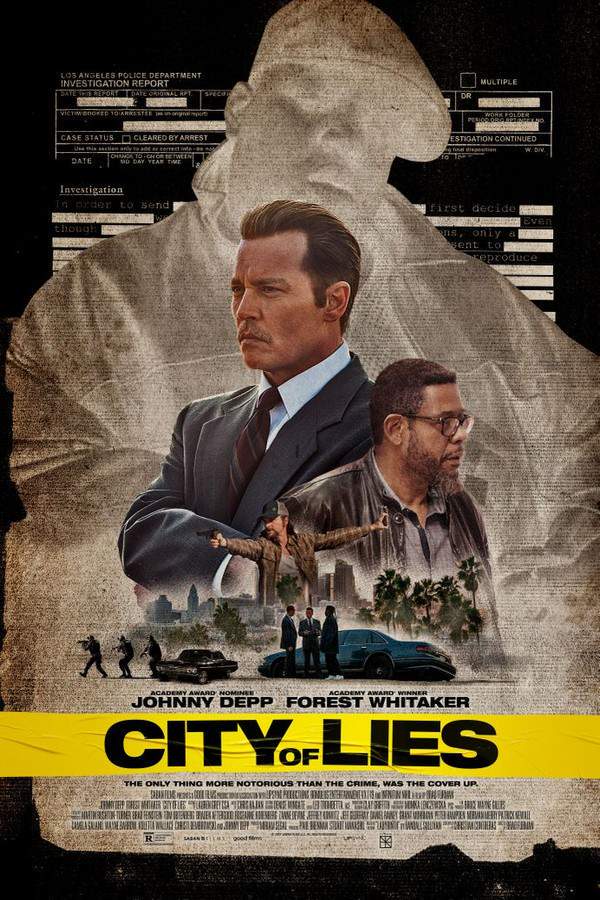
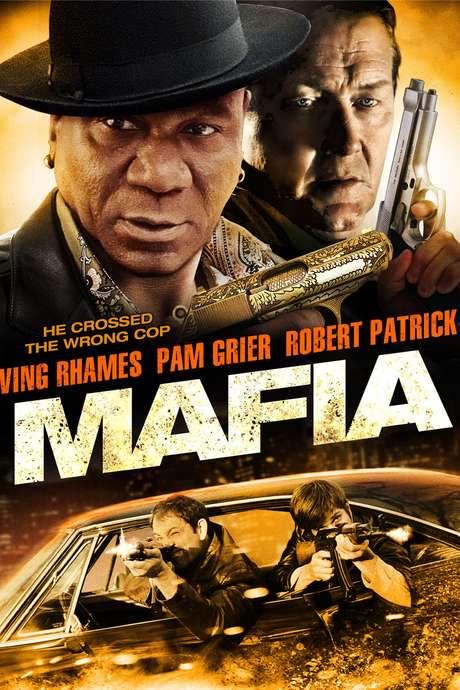
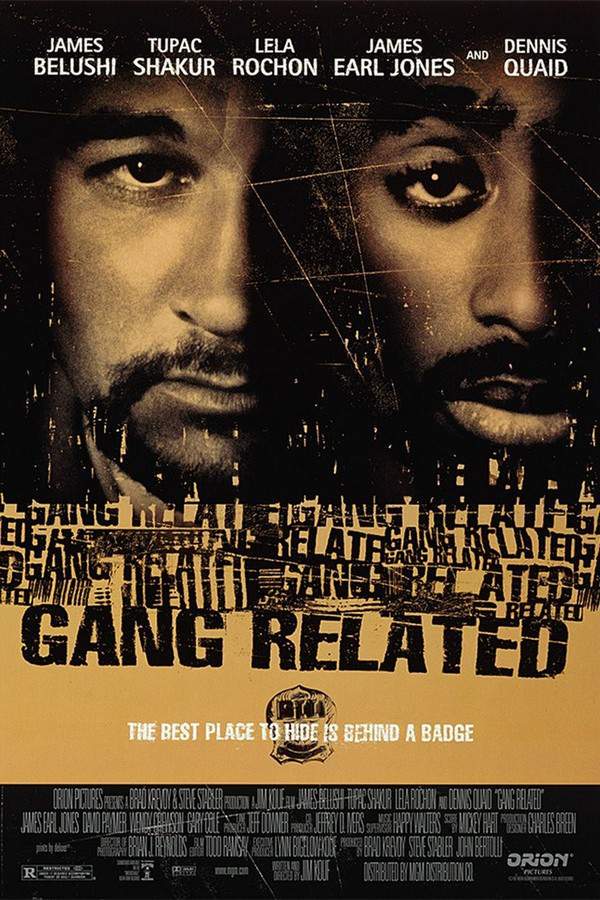
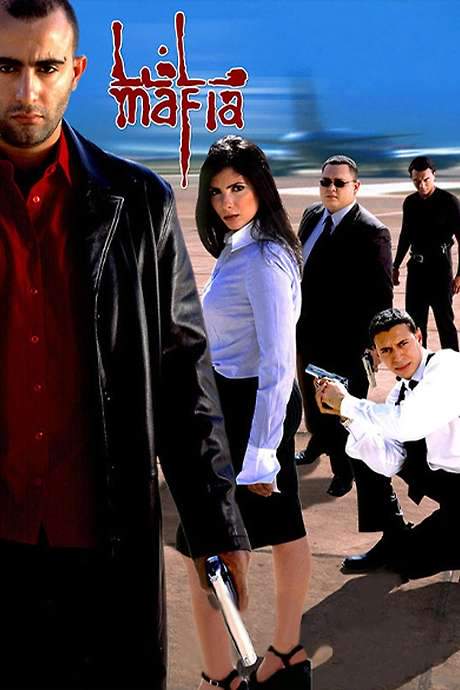
Stories of insiders who betray powerful criminal worlds to seek redemption. Looking for movies like The Traitor? This thread collects tense crime dramas built around insiders who turn on criminal empires, testify for the state, and pay a devastating personal price. Expect courtroom pressure, witness protection paranoia, family tragedy, and morally complex characters choosing conscience over loyalty. Ideal for fans of dark true crime sagas and mafia whistleblower films.

  • tense
  • somber
  • gripping
  • morally complex
  • weighty
  • witness under pressure
  • Tone: dark, somber, morally fraught
  • Pacing: variable, alternating tense and reflective
Why these movies?

The story pattern: These stories typically follow a high-ranking figure inside an organization who, after a triggering personal loss or a crisis of conscience, agrees to cooperate with prosecutors. The narrative oscillates between flashbulb flashbacks of violent criminal life, claustrophobic debriefings with handlers, and the grinding procedural weight of trial testimony. Friends and family are lost along the way, and protection in hiding often replaces the community they once had, making the arc one of painful, isolated redemption.

Why they belong together: They share a specific moral shape: a charismatic or complicit insider forced to reckon with horror they helped enable, then choosing to testify at great personal risk. Tone is somber and weighty, with courtroom scenes that feel like slow suffocation, intermittent bursts of violence, and a sense that no side is clean. Emotional weight is consistently heavy, and endings tend to be bittersweet, triumphant in principle but devastating in practice.

Sprawling true crime sagas like The Traitor

Dense, historical crime epics where nations collide with criminal power. If you loved the dense scope of The Traitor, this thread curates epic crime dramas rooted in real history, covering mafia wars, political corruption, and landmark trials. These movies like The Traitor move across continents and decades, weaving courtroom drama with visceral violence and quiet grief. Perfect for viewers seeking serious, complex, biographical crime stories in the tradition of Italian and global mafia cinema.

  • epic
  • gritty
  • political
  • brooding
  • historical
  • courtroom
  • Tone: dark, brooding, weighty
  • Pacing: variable, epic in scope
Why these movies?

The story pattern: Stories in this thread tend to open with the criminal world at the height of its power, then track the slow unraveling as infighting, betrayal, and state pressure expose the rot within. Narratives jump between continents, time periods, and institutional arenas, often grounding courtroom or parliamentary scenes against flashbacks of brutal violence. The arc is rarely clean: legal victories are shadowed by assassinations, and protagonists end up isolated, in hiding, or martyred.

Why they belong together: They cluster around a shared texture: long runtime, real historical figures, multiple factions, and a heavy political dimension that frames crime as a system rather than a string of capers. Pacing is variable, with reflective interludes alternating with shocking acts of violence. Tone stays dark and brooding, intensity stays high, and emotional weight is consistently heavy, making them feel like companion pieces to ambitious European crime cinema.

If you liked this

Movies Like The Traitor

Similar movies to The Traitor: the same genre, themes or kind of story. Each one comes with its own plot summary, timeline and ending explained.

Browse all movie summaries

Every angle

The Traitor (2020) Explained: Plot, Timeline & Characters

Everything about The Traitor in one place: what happens in the plot summary, the timeline in chronological order, the characters and meaning and a spoiler-free summary. What's After the Movie adds the cast, box office and post-credit scenes.

Coming soon on iOS and Android

The Plot Explained Movie Summary App

Plot summaries, endings explained and timelines on your phone. Catch up on any movie in minutes, save your favorites and never miss a twist again.

Be the first to know when we launch. Your email stays private, always.

Learn more about the app