Plot Explained Spoilers guaranteed!
Plot Explained

Browse by genre

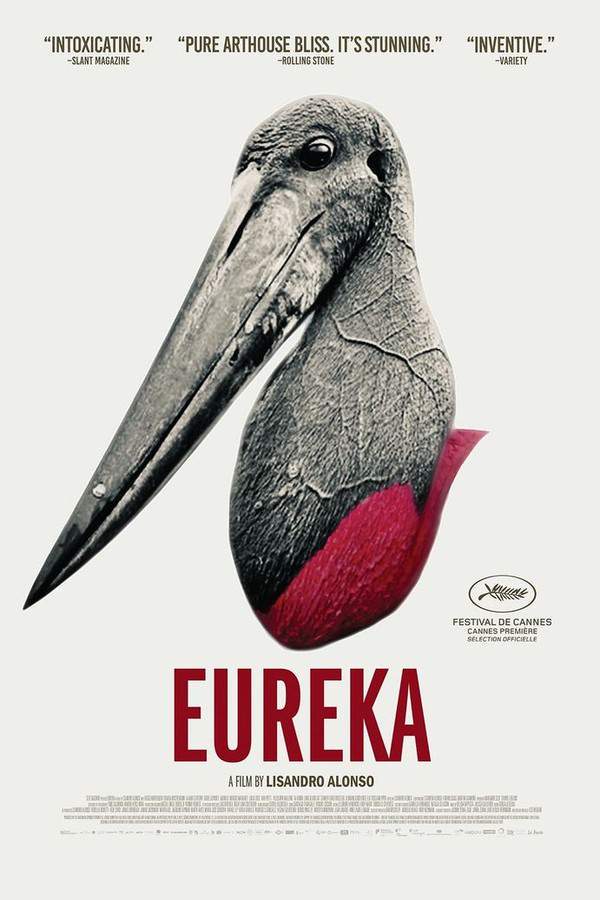
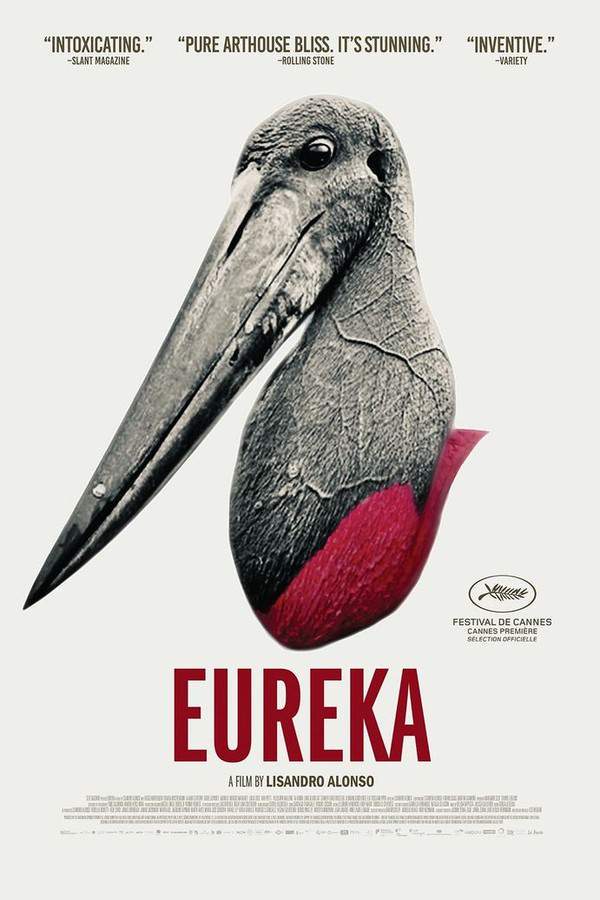
Eureka (1984) movie poster

Plot Summary

Eureka (1984) Plot Summary Explained

Release, runtime and language
1984 · 130 min · Spanish
JustWatch #21,630 10
Directed by
Nicolas Roeg
Starring
Mickey Rourke, Gene Hackman, Joe Pesci, Helena Kallianiotes, Ed Lauter, Rutger Hauer

This Australian drama vividly portrays the events leading up to and including the Battle of Eureka Stockade. The story follows miners who rise up in rebellion against the authorities, creating a tense and dramatic confrontation fueled by questions of power and fundamental rights. The film reunites the team behind "A Town Like Alice" to explore themes of defiance and the fight for freedom.

On this page (6)
  1. 1 Where to watch
  2. 2 What happens: full plot
  3. 3 Plot questions answered
  4. 4 Movie threads
  5. 5 Movies like Eureka
  6. 6 Every angle

Where to watch

Where to Watch Eureka (1984)

Where can you watch Eureka? Stream, rent or buy it in the US, including on fuboTV, MGM Plus and Philo: current JustWatch availability with up-to-date prices.

Streaming availability powered by JustWatch

Full plot summary · contains spoilers

What Happens in Eureka: Full Plot Summary

The whole story of Eureka (1984) explained, from the opening scene to the final frame: every key event, every twist and what it all adds up to. Read it as a quick recap before the sequel, to check a scene you missed, or to finally understand what really happened.

In the remote Yukon of 1925, a lone prospector named Jack McCann spends an evening in a dusty, isolated brothel where a mysterious encounter changes the course of his life. There, a clairvoyant madam named Frieda grants him a strange stone and delivers a warning: if he finds gold, it will lead him toward a grim fate. The next day, while prospecting, Jack slips through a glacier and uncovers a hidden cache of gold. He returns to the brothel to confront the strange turn of events, only to find it deserted and fading into ruin; Frieda lies dying in the parlor, a quiet, haunting end to an odd encounter. Jack’s discovery quickly transforms him into one of the wealthiest men in the world, and the arc of his fortune begins to pull him toward a fate he cannot yet foresee.

Twenty years later, in 1945, Jack’s wealth sits like a gleaming fortress on a Caribbean island, where he lives in a sprawling estate named Eureka. Yet luxury does little to steady the restlessness that haunts him at home. His wife Helen is bored and alcoholic, while his daughter Tracy is headstrong and recently married to Claude Van Horn, a dissolute social climber whose ambitions clash with Jack’s growing paranoia. Jack’s trusted aide, Charles Perkins, keeps a wary watch over the shifting dynamics of power on the island, where outside interests—the Miami mob led by Aurelio D’Amato and the mastermind Mayakofsky—press to buy the property and turn Eureka into a casino. Beneath the glitter, greed, control, and whispered betrayals begin to fuse into a tense, suffocating atmosphere that hints at a deeper spiritually charged fracture.

As the family’s tensions intensify, Tracy makes a decisive break from her father, challenging Claude and the life he represents. Jack’s fear of losing control morphs into a conviction that those closest to him—especially Claude and Tracy—are trying to steal his soul, a fear that threads through every conversation and quarrel. In a night of rain and ritual, Claude and several friends attend a voodoo ceremony that devolves into an unsettling frenzy, while Aurelio and his men arrive on Eureka with a more direct plan to seize the island. Jack remains defiant, steadfast in his will to resist, but violence erupts: Pete, one of Aurelio’s associates, brutalizes Jack and then destroys him with a wrench, a blowtorch, and finally a cleaver, a sequence witnessed by Claude and Charles from nearby rooms.

The murder becomes a flashpoint of the island’s tangled web of loyalties and ambitions. Claude is arrested and charged with the crime, but after a dramatic exchange of testimony, including a powerful account from Tracy, he is acquitted due to a lack of conclusive evidence. The investigation concludes amid the wider backdrop of the Caribbean War’s end, and the judge orders Claude’s deportation from the island. A formal dinner marks his release, and Claude proposes selling Eureka and starting anew in France. Tracy, however, insists on a bolder, more generous gesture—she wishes to give the entire island away. Realizing that this path would only bring cruelty to those he loves, Claude quietly removes himself from the house, paddling away in a rowboat toward his sailboat as Tracy watches with tearful resolve. With the case unresolved and the island’s future hanging in the balance, Jack’s murder remains officially unsolved, leaving a lingering sense of mystery and the heavy weight of greed, power, and fear that still threads through Eureka.

Across the unfolding decades, the tale probes how wealth can fail to deliver peace, how love and loyalty are tested by ominous forces, and how the human yearning for control can blur into a darker pursuit of immortality and own ruin. The setting—dusty Yukon horizons meeting sunlit Caribbean shores—frames a story where occult symbolism and worldly ambitions collide, leaving a haunting impression of what a man will endure and what he might become when wealth and superstition intertwine.
Last updated: November 22, 2025 at 15:58

Was this helpful?

Plot questions answered

Eureka Plot Explained: Your Questions Answered

The questions people ask most about Eureka (1984): what happens in the confusing scenes, why the characters do what they do, the twists, hidden details and what the ending means. Each answer contains spoilers.

Q1

Why did Frieda warn Jack about his fate in the brothel?

Frieda, the clairvoyant madam, had a prophetic vision that Jack would find gold but that this fortune would lead to a grim fate. She gave him a mysterious stone as a warning and tangible reminder of her prophecy. This supernatural warning sets up the central tragedy of Jack's life, his wealth brings him no peace and ultimately leads to his violent death.

Foreshadowing: The warning foreshadows Jack's eventual murder and the corruption that wealth brings to his relationships.

  • Frieda
  • prophetic warning
  • stone
  • fortune
  • grim fate
Q2

Who killed Jack McCann?

Jack was murdered by Pete, one of Aurelio D'Amato's henchmen. Pete brutalized Jack with a wrench, then burned him alive with a blowtorch, and finally finished him with a cleaver. The murder was witnessed by Claude (who had returned to the house) and Charles (who was sleeping nearby). However, Claude was arrested and charged with the crime instead, though he was eventually acquitted due to lack of conclusive evidence.

Foreshadowing: The murder fulfills Frieda's warning that Jack's gold would lead to a grim fate.

  • Pete
  • Aurelio
  • murder
  • Claude
  • brutal killing
Q3

Why was Claude accused of Jack's murder?

Claude was the obvious suspect because he had the clearest motive, hostility toward Jack and ambitious plans to take control of the Eureka estate. Additionally, Claude was present in the house during the murder and was seen returning to the scene, which made him the primary suspect. The police lacked physical evidence linking Pete to the crime, so they pursued the more apparent suspect.

Foreshadowing: Claude's conflicting interests in the estate made him a natural target for suspicion.

  • Claude
  • accused
  • murder trial
  • suspect
  • Aurelio's men
Q4

Why was Claude acquitted of Jack's murder?

Claude was acquitted due to lack of conclusive evidence. Tracy testified on his behalf, providing testimony that helped establish reasonable doubt. The court heard conflicting accounts, and without definitive proof connecting Claude to the murder weapon or the actual killing, the jury could not convict him. The judge ordered Claude's deportation instead, leaving the murder officially unsolved.

Foreshadowing: Tracy's testimony reflects her complicated loyalty despite her earlier break from her father.

  • acquitted
  • trial
  • Tracy testimony
  • deportation
  • lack of evidence
Q5

Why did Jack become paranoid about people stealing his soul?

Jack's paranoia stems from the supernatural encounter in 1925 when Frieda gave him the prophetic stone and warned him about his fate. As his wealth grew and his family relationships deteriorated, Jack became increasingly convinced that those closest to him, particularly Claude and Tracy, were trying to take from him what mattered most. This fear of losing his soul represents his deeper terror that his fortune has corrupted everything meaningful in his life and that he will die spiritually empty.

Foreshadowing: Jack's paranoia directly connects to Frieda's warning about the grim fate accompanying his fortune.

  • paranoid
  • soul
  • psychological breakdown
  • Claude
  • Tracy
  • fear
Q6

What happened to Frieda and the brothel after Jack left?

When Jack returned to the Yukon brothel after discovering gold, he found it abandoned and decaying. Frieda was lying dead in the parlor, her prophecy fulfilled and her purpose complete. The brothel had faded into ruin, representing the threshold between Jack's old life and the cursed fortune that awaited him. Her death marked the beginning of Jack's wealth but also the spiritual decay that would consume him.
Foreshadowing: Frieda's death underscores that accepting the stone came with a spiritual cost.

  • Frieda
  • brothel
  • death
  • Yukon
  • ruin
  • prophecy
Q7

What was the significance of the voodoo ceremony?

The voodoo ceremony occurs during the same night as Jack's murder, serving as a symbolic parallel to the violence about to unfold on Eureka. The ritual descends into chaos, reflecting the spiritual decay and moral breakdown consuming the island. Claude attends the ceremony with his friends, suggesting his entanglement with the island's darker forces and the occult elements that permeate the narrative.

Foreshadowing: The chaotic voodoo ritual foreshadows the brutal violence that immediately follows that night.

  • voodoo
  • ritual
  • ceremony
  • chaos
  • occult
  • symbolism
Q8

Why did Tracy want to give Eureka away?

Tracy wanted to give Eureka away because she recognized that the island had become corrupted by greed, violence, and the destructive ambitions of everyone who desired it. Unlike Claude, who proposed selling the estate and starting fresh in France, Tracy believed the only moral action was to release the island freely rather than profit from a place that had caused so much suffering and where her father was murdered.

Foreshadowing: Tracy's generosity contrasts with the materialistic values that drove the conflicts throughout the story.

  • Tracy
  • Eureka island
  • give away
  • generosity
  • conflict
Q9

Why did Claude leave at the end?

Claude left Eureka because he recognized that staying would only bring more pain to Tracy. Despite being acquitted and free to stay, he understood that his presence on the island would continue to attract danger and political complications. He paddled away in a rowboat toward his sailboat, departing as Tracy watched tearfully, choosing solitude over further entanglement with the cursed estate.

Foreshadowing: Claude's departure marks the final severance of the family's bond and the end of any hope for redemption through the island.

  • Claude
  • departure
  • rowboat
  • sailboat
  • leaves
  • Tracy
Q10

What connected Jack's 1925 Yukon story to the 1945 Caribbean events?

The connection is Jack McCann himself and the cursed fortune he gained from the gold discovery in 1925. The supernatural encounter with Frieda and the mysterious stone set Jack on a path of immense wealth that ultimately led to his isolation, paranoia, and murder in 1945. The dual timeline demonstrates how the prophetic warning about his grim fate unfolds over two decades, showing the corrosive effect of fortune on human relationships.

Foreshadowing: The stone Jack received in 1925 physically represents the connection between both timelines.

  • Jack
  • 1925
  • 1945
  • Yukon
  • Caribbean
  • gold
  • fortune
  • prophetic stone
Q11

Why couldn't Jack sell the island to the mob?

Jack refused to sell Eureka to Aurelio D'Amato and Mayakofsky despite their persistent pressure because the island represented everything he had built and his resistance against those who wanted to take what he had earned. His defiance was also rooted in paranoia, he believed anyone seeking to acquire his property had ulterior motives. Jack's stubborn refusal to sell ultimately made him a target for the mob, leading to his murder.

Foreshadowing: Jack's refusal to sell directly leads to Aurelio ordering his death.

  • Jack
  • Eureka
  • sell
  • mob
  • Aurelio
  • Mayakofsky
  • refusal
Q12

What happened to the stone Frieda gave Jack?

The stone's fate is not explicitly detailed in the summary, but it represents the binding between Jack and Frieda's prophecy. Jack kept the stone from 1925 through 1945, and it likely remained with him throughout his years at Eureka. The stone serves as a tangible reminder of his prophetic warning and the spiritual bargain he made when he accepted his fortune. Its presence underscores the film's themes of fate, wealth, and the inability to escape one's destiny.

Foreshadowing: The stone connects the supernatural warning to Jack's psychological deterioration over twenty years.

  • stone
  • prophecy
  • Frieda
  • gift
  • symbol
  • fate

Movie threads

More Movies Like Eureka, by Mood & Story

Curated lists built around what makes Eureka tick: the same mood, the same kind of story or the same emotional payoff. Each list explains why these movies belong together.

Slow burn stories of moral decay like Eureka

Stories where immense wealth and obsession lead to psychological ruin. If you liked the psychological unraveling and fatalistic tone of Eureka, explore more movies like it. This collection features similar intense dramas and thrillers where characters grapple with destructive wealth, obsession, and a heavy, oppressive atmosphere that leads to moral collapse.

  • oppressive
  • brooding
  • tense
  • fatalistic
  • atmospheric
  • melancholic
  • Tone: dark, bleak, fatalistic
  • Pacing: slow burn, variable
Why these movies?

The story pattern: Narratives in this thread often begin with a catalyst—like an inheritance or sudden fortune—that exposes deep-seated family tensions or personal flaws. The plot unfolds as a slow, simmering burn, focusing on the gradual psychological decay of characters consumed by greed, leading to betrayal, violence, and an unresolved or bleak ending that underscores the theme of futility.

Why they belong together: Movies are grouped here for their shared focus on wealth as a destructive force, their brooding and melancholic tone, and their methodical pacing that builds unbearable tension. They resonate with viewers seeking complex, character-driven stories about the dark side of ambition and the human soul under pressure.

Atmospheric thrillers with ambiguous endings like Eureka

Moody investigations where the setting is a character and the truth remains elusive. For viewers who appreciated the unresolved murder and oppressive mood of Eureka, this section highlights similar movies. Discover thrillers and dramas that prioritize atmospheric tension and psychological depth over clear-cut answers, leaving you with a lasting sense of unease and contemplation.

  • atmospheric
  • tense
  • haunting
  • uneasy
  • brooding
  • ambiguous
  • Tone: tense, haunting, ambiguous
  • Pacing: variable, simmering
Why these movies?

The story pattern: These stories often revolve around an investigation—into a murder, a disappearance, or a supernatural event—that becomes a window into a corrupted world or a fractured psyche. The narrative structure may be complex, weaving together past and present, and the climax prioritizes thematic resonance and emotional impact over solving the puzzle, resulting in an ambiguous or open-ended conclusion.

Why they belong together: These films are connected by their shared commitment to mood over resolution. They feature a pervasive sense of dread, morally ambiguous characters, and narratives that leave key questions unanswered, compelling viewers to sit with the discomfort and complexity of the presented world.

If you liked this

Movies Like Eureka

Similar movies to Eureka: the same genre, themes or kind of story. Each one comes with its own plot summary, timeline and ending explained.

Browse all movie summaries

Every angle

Eureka (1984) Explained: Plot, Timeline & Characters

Everything about Eureka in one place: what happens in the plot summary, the timeline in chronological order, the characters and meaning and a spoiler-free summary. What's After the Movie adds the cast, box office and post-credit scenes.

Coming soon on iOS and Android

The Plot Explained Movie Summary App

Plot summaries, endings explained and timelines on your phone. Catch up on any movie in minutes, save your favorites and never miss a twist again.

Be the first to know when we launch. Your email stays private, always.

Learn more about the app