





Plot Explained Spoilers guaranteed!
Plot Explained

Browse by genre

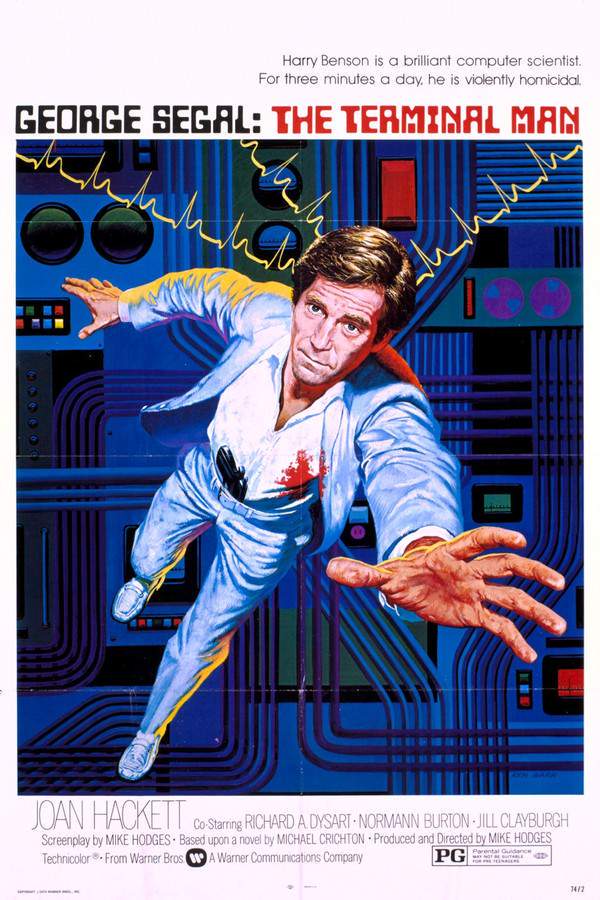
The Terminal Man (1974) movie poster

Characters & Themes

The Terminal Man (1974) Characters, Setting & Themes Explained

Release, runtime and language
1974 · 107 min · English
Directed by
Mike Hodges
Starring
Richard Dysart, Joan Hackett, George Segal, Jill Clayburgh, Donald Moffat, Matt Clark

Haunted by recurring blackouts and increasingly violent behavior, a man embarks on a desperate search to understand his condition. He reluctantly agrees to participate in a risky scientific experiment involving implanted electrodes designed to monitor and potentially control his brain activity. As the procedure progresses, disturbing memories and a hidden past begin to surface, raising questions about the nature of his affliction and the potential dangers of tampering with the human mind.

On this page (9)
  1. 1 Where to watch
  2. 2 Characters explained (2)
  3. 3 Where & when it takes place
  4. 4 Themes & meaning (3)
  5. 5 Character & meaning questions
  6. 6 The book behind the movie
  7. 7 Movie threads
  8. 8 Movies like The Terminal Man
  9. 9 Every angle

Where to watch

Where to Watch The Terminal Man (1974)

Where can you watch The Terminal Man? Stream, rent or buy it in the US, including on Amazon Video, Apple TV Store and Fandango At Home: current JustWatch availability with up-to-date prices.

Streaming availability powered by JustWatch

2 main characters · contains spoilers

The Terminal Man Characters Explained: Who Is Who

The main characters of The Terminal Man (1974), heroes and villains: what drives them, how they change over the course of the story and what each of them reveals about the film's bigger ideas.

  • Harry Benson

    Harry Benson is a brilliant computer scientist grappling with severe epilepsy and the weight of his own genius. His high intellect is overshadowed by paranoia and the fear of technology's potential revolt against humanity. As his condition worsens, he becomes increasingly erratic, leading to a desperate struggle for freedom that culminates in tragedy.

    • 🧠 Genius
    • ⚡ Conflict
    • 💔 Tragedy
  • Janet Ross

    played by Jill Clayburgh

    Janet Ross is Harry's psychiatrist, deeply concerned about the implications of the experimental surgery. Her reservations highlight the ethical dilemmas faced by medical professionals when dealing with advanced technology. Throughout the film, she embodies the struggle between medical ethics and the desperate need for healing.

    • 👩‍⚕️ Psychiatrist
    • ⚖️ Ethics

Last updated: October 22, 2024 at 23:19

Was this helpful?

Setting

Where and When Does The Terminal Man Take Place?

The setting of The Terminal Man (1974): the year and time period, the places and locations, and how they shape the characters, the mood and the tension of the story.

Time period

The movie unfolds in a contemporary setting that reflects the thriving technological advances of the time. It captures the tension between the burgeoning field of computer science and the psychological ramifications of using technology to control human behavior, highlighting the fears of a society on the brink of a computer revolution.

Location

Hospital, Cemetery

The hospital serves as a critical backdrop, a place where Harry Benson undergoes the risky psychosurgical procedure. It is a space that symbolizes both hope and confinement, showcasing the complexities of mental health treatment. The nearby cemetery adds a layer of darkness, representing death and the finality of Benson's choices, along with the haunting nature of his deteriorating mental state.

  • 🏥 Hospital
  • ⚰️ Cemetery

Last updated: October 22, 2024 at 23:19

Was this helpful?

3 major themes

The Terminal Man Meaning: Themes & Message Explained

What is The Terminal Man (1974) really about? The emotional, social and philosophical themes the film keeps returning to, its symbolism and the message beneath the surface.

  • Psychological Struggle

    The film delves deep into the psychological turmoil faced by Harry Benson as he battles severe epilepsy and the resulting impacts on his psyche. It explores the implications of merging human consciousness with technology, raising questions about identity and autonomy. The consequences of his decisions illuminate the fine line between seeking relief and the descent into chaos.

  • Technology vs. Humanity

    A central theme in the film is the tension between technological advancement and human vulnerability. Harry's belief that computers might turn against their creators underscores a pervasive fear of losing control over one's own creations. This theme explores the ethical dilemmas of medical technology and the potential consequences of dependency on machines.

  • Desperation

    Harry's desperation drives him to undergo a dangerous procedure that he hopes will change his life. His journey reflects not only a fight for freedom from his condition but also a deeper cry for understanding and connection. The film poignantly illustrates how desperation can lead individuals to make tragic decisions that ultimately seal their fate.

Last updated: October 22, 2024 at 23:19

Was this helpful?

Character & theme questions

The Terminal Man Characters & Meaning: Your Questions Answered

The questions people ask about The Terminal Man (1974): who the characters really are, their relationships, what the symbols mean, where it takes place and what the movie is really about. Each answer contains spoilers.

Q1

Where does most of the movie take place?

The majority of the film is set in a hospital where Harry Benson undergoes the experimental psychosurgical procedure. This setting serves as both a place of medical hope and psychological confinement, reflecting the film's exploration of mental health treatment and technological intervention.

  • hospital setting
  • mental health
  • medical procedure
  • treatment facility
Q2

What is the significance of the cemetery in the film?

The cemetery near the hospital represents death and the finality of Harry Benson's choices. It serves as a visual metaphor for the haunting nature of his deteriorating mental state and the ultimate consequences of his desperate decision to undergo the experimental brain surgery.

  • cemetery
  • death symbolism
  • ending
  • consequences
Q3

When is the movie set?

The film is set in the contemporary era of the 1970s, reflecting the technological advances of that time. It captures the tension between the burgeoning field of computer science and the psychological ramifications of using technology to control human behavior, embodying the era's fears about computers and scientific progress.

  • 1970s
  • contemporary setting
  • computer revolution
  • technology era
Q4

Who is Harry Benson in the story?

Harry Benson is a brilliant computer scientist suffering from severe epilepsy and violent blackouts. His high intellect is overshadowed by paranoia about technology's potential to revolt against humanity. As his condition worsens, he becomes increasingly erratic, driving him to desperately seek the experimental procedure that ultimately leads to his tragic downfall.

  • Harry Benson
  • protagonist
  • computer scientist
  • epilepsy
  • blackouts
Q5

Who is Janet Ross and what is her role?

Janet Ross is Harry Benson's psychiatrist who monitors his condition and the experimental surgery. She is deeply concerned about the ethical implications of the procedure, embodying the tension between medical ethics and the desperate need for healing. Her reservations highlight the moral dilemmas faced by medical professionals dealing with advanced, untested technology.

  • Janet Ross
  • psychiatrist
  • doctor
  • medical ethics
  • supporting character
Q6

What does the film say about psychological struggle?

The film explores Harry Benson's psychological turmoil as he battles severe epilepsy and its impacts on his psyche. It examines the implications of merging human consciousness with technology, raising profound questions about identity and autonomy. The consequences of his decisions illustrate the fine line between seeking relief and descending into chaos.

  • psychological struggle
  • epilepsy
  • identity
  • mental health
  • consciousness
Q7

What is the Technology vs. Humanity theme about?

The film presents tension between technological advancement and human vulnerability. Harry's deep-rooted belief that computers might turn against their creators underscores a pervasive fear of losing control over one's own creations. This theme explores the ethical dilemmas of medical technology and the potential consequences of becoming dependent on machines to solve human problems.

  • technology
  • humanity
  • computers
  • ethics
  • machine dependency
  • scientific intervention
Q8

What role does desperation play in the story?

Desperation drives Harry to undergo the dangerous electrode procedure, hoping it will change his life. His journey reflects not only a fight for freedom from his debilitating condition but also a deeper cry for understanding and connection. The film shows how desperation can lead individuals to make tragic decisions that ultimately seal their fate.

  • desperation
  • motivation
  • decision making
  • consequences
  • tragic choices
Q9

What is the experimental procedure Harry undergoes?

Harry agrees to participate in a risky scientific experiment involving implanted electrodes designed to monitor and potentially control his brain activity. This psychosurgical procedure represents the film's exploration of using technology to manipulate the human mind, with the hospital setting highlighting both the hope and danger of such interventions.

  • electrodes
  • brain surgery
  • experiment
  • procedure
  • medical intervention
Q10

What is the overall tone and atmosphere of the film?

The film maintains a consistently dark and intense atmosphere, focusing on Harry's deteriorating mental state, the high-stakes medical procedure, and the looming threat of violent outbursts. There is no mitigating levity, the narrative builds steadily toward a bleak conclusion, reinforcing the heavy emotional weight of technological hubris and psychological trauma.

  • dark tone
  • intensity
  • atmosphere
  • mood
  • psychological horror

Movie threads

More Movies Like The Terminal Man, by Mood & Story

Curated lists built around what makes The Terminal Man tick: the same mood, the same kind of story or the same emotional payoff. Each list explains why these movies belong together.

Technological horror stories like The Terminal Man

Stories where science turns a hopeful cure into a personal nightmare. If you liked the ethical dilemmas and chilling consequences of the brain implant experiment in The Terminal Man, you'll find similar stories here. These movies explore the dark side of scientific progress, often featuring medical horrors, man vs. machine, and bleak outcomes. Perfect for fans of thought-provoking and unsettling sci-fi thrillers.

  • anxious
  • paranoid
  • ominous
  • desperate
  • claustrophobic
  • melancholic
  • Tone: dark, tense, bleak
  • Pacing: steady, methodical
Why these movies?

The story pattern: The narrative typically follows a protagonist who submits to a high-tech procedure or treatment. As the experiment unfolds, initial hope gives way to unforeseen side effects, psychological unraveling, and a catastrophic failure. The plot often builds methodically towards an inevitable tragedy that critiques the hubris of playing god.

Why they belong together: Movies are grouped here for their shared focus on the dangers of technology overpowering humanity. They create a tense, anxious mood through a steady build-up of dread, leading to bleak endings that reinforce the heavy emotional weight of the story.


Movies with psychological unraveling like The Terminal Man

A steady, tense journey into a mind coming apart. Fans of The Terminal Man's tense exploration of a mind breaking down will appreciate these films. This collection focuses on stories of mental illness, identity crises, and psychological trauma, all portrayed with a steady, methodical pace and a dark, heavy tone. Find your next watch if you enjoy deep, character-focused psychological horror.

  • desperate
  • claustrophobic
  • paranoid
  • tense
  • melancholic
  • anxious
  • Tone: dark, melancholic, tense
  • Pacing: steady, character-driven
Why these movies?

The story pattern: These narratives follow a linear but impactful path, charting a character's decline from a recognizable state into psychological chaos. The pacing is deliberate, building tension scene by scene as memories surface and reality distorts. The conflict is primarily internal, manifesting as external violence or despair.

Why they belong together: These films are united by their immersive and oppressive mood, centered on a character's desperate internal struggle. They share a steady pacing that allows dread to build, a dark tone with no relief, and a profound emotional weight stemming from the tragedy of mental collapse.

If you liked this

Movies Like The Terminal Man

Similar movies to The Terminal Man: the same genre, themes or kind of story. Each one comes with its own plot summary, timeline and ending explained.

Browse all movie summaries

Every angle

The Terminal Man (1974) Explained: Plot, Timeline & Characters

Everything about The Terminal Man in one place: what happens in the plot summary, the timeline in chronological order, the characters and meaning and a spoiler-free summary. What's After the Movie adds the cast, box office and post-credit scenes.

Coming soon on iOS and Android

The Plot Explained Movie Summary App

Plot summaries, endings explained and timelines on your phone. Catch up on any movie in minutes, save your favorites and never miss a twist again.

Be the first to know when we launch. Your email stays private, always.

Learn more about the app