Plot Explained Spoilers guaranteed!
Plot Explained

Browse by genre

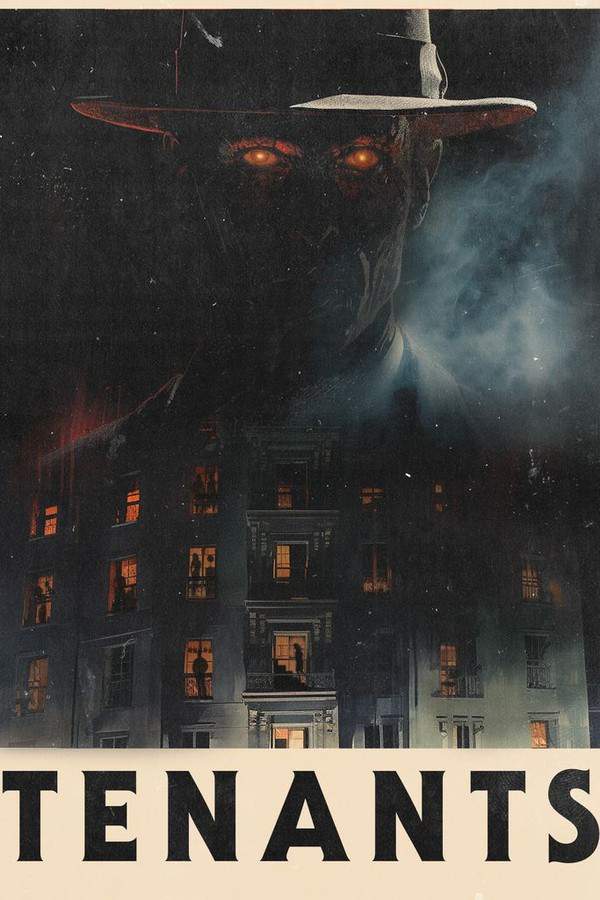
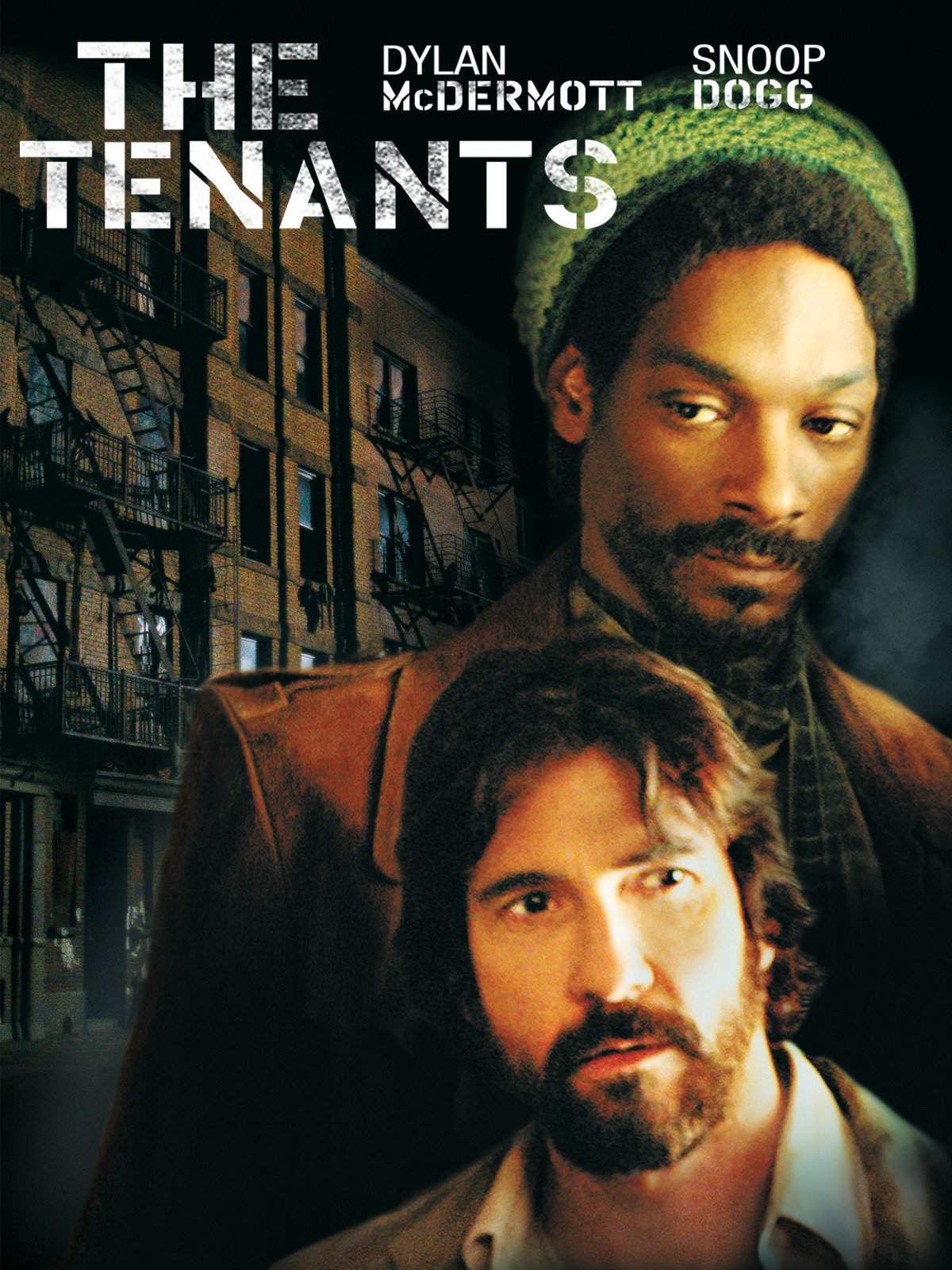
The Tenants (2006) movie poster

Plot Summary

The Tenants (2006) Plot Summary Explained

Release, runtime and language
2006 · 31 min · Spanish
JustWatch #29,275 1

In a deteriorating New York tenement building, a solitary Jewish novelist, Harry Lesser, struggles with writer's block while confronting the racial tensions and artistic challenges of the 1970s. His quiet life is disrupted when a black writer moves in as a new tenant. Their complex and often hostile relationship mirrors the city’s underlying divisions, jeopardizing Lesser's pursuit of artistic renewal and forcing him to confront uncomfortable truths about himself and the world around him.

On this page (6)
  1. 1 Where to watch
  2. 2 What happens: full plot
  3. 3 Plot questions answered
  4. 4 Movie threads
  5. 5 Movies like The Tenants
  6. 6 Every angle

Where to watch

Where to Watch The Tenants (2006)

Where can you watch The Tenants? Stream, rent or buy it in the US, including on fuboTV, The CW and Amazon Video: current JustWatch availability with up-to-date prices.

Streaming availability powered by JustWatch

Full plot summary · contains spoilers

What Happens in The Tenants: Full Plot Summary

The whole story of The Tenants (2006) explained, from the opening scene to the final frame: every key event, every twist and what it all adds up to. Read it as a quick recap before the sequel, to check a scene you missed, or to finally understand what really happened.

In a dilapidated tenement, two writers from different backgrounds find themselves grappling with their craft and each other. Willie, a militant African-American writer portrayed by Snoop Dogg, and Harry, a Hebrew novelist played by Dylan McDermott, form an unlikely friendship while both are under pressure to complete their respective novels.

Harry has been laboring over his book for a decade, but the struggle with his creativity is compounded by his living conditions. The tenement, which costs him a mere $72 a month, is in ruins and barely holds any semblance of home, yet it provides him with the space to work. Despite its aversion, Harry maintains his apartment as a functional living space, complete with a decent kitchen and his cherished typewriter, essential tools in his quest for literary redemption.

However, the landlord, Levenspiel, played by Seymour Cassel, is perplexed by Harry’s persistence in living in such squalor and pressures him to vacate the place, as he has plans to tear it down and sell the land. Levenspiel offers Harry $1,000 to move out, but Harry is reluctant, feeling that leaving his work unfinished would set him back further. With the lingering memory of his last book’s failure still haunting him, he is determined to find success with this one.

Things take a turn when Harry discovers that Willie has also moved into the dilapidated building, setting up his workstation without Levenspiel’s approval. At first, Willie appears unfriendly, keeping to himself and not keen on developing a bond. Although he occasionally leaves his typewriter with Harry for safekeeping, he guards his manuscript fiercely. Willie, confident in his writing skills and hopeful about the potential of his book, considers it a future bestseller.

As time passes, Willie introduces Harry to several of his friends, including Irene, played by Rose Byrne, who captures Harry's interest, although she seems to have her sights set on Willie. Tensions rise and romantic interests become complicated, especially when Willie is encouraged to share his draft with Harry, who struggles to provide the constructive feedback Willie desires. After reading it, Harry points out some issues regarding the narrative's flow, which leads to conflict, as Willie believes Harry has misunderstood the essence of his work.

Amid their interactions, Willie continually expresses frustration over the publishing industry's racial biases, asserting that no publisher would take a chance on him based solely on his color. In an ironic twist, while both writers are attempting to navigate their personal and professional challenges, their conflicting aspirations create an emotional rift between them. A further complicating factor arises when Willie suggests they collaborate; however, Harry, recognizing the need for honesty, refuses to partner with Willie, believing he doesn't respond well to criticism.

The filmmakers explore the dynamics of friendship, ambition, and the struggle of African-American artists in a predominantly white industry through a series of escalating confrontations not only between the two writers but also with their surroundings. After a violent encounter involving an all-too-literal axe to grind—Harry, driven by jealousy and despair, confronts Willie in the heat of the moment—it leads to tragic consequences that underscore the depth of their rivalry and the harsh realities of pursuing one's passion in an unforgiving world.

Throughout, the story highlights themes of artistic integrity, cultural friction, and personal sacrifice, woven through the lives of two ambitious individuals trying to find their voice amidst the chaos of their environment. Both men are striving for recognition in a world that seems determined to keep them from succeeding, but in their journey, they also unravel truths about themselves that are both enlightening and heartbreaking.
Last updated: May 13, 2025 at 20:31

Was this helpful?

Plot questions answered

The Tenants Plot Explained: Your Questions Answered

The questions people ask most about The Tenants (2006): what happens in the confusing scenes, why the characters do what they do, the twists, hidden details and what the ending means. Each answer contains spoilers.

Q1

Why does Harry refuse to leave the tenement despite the poor conditions?

Harry refuses to leave because he has been working on his novel for a decade and fears that abandoning it mid-process would set him back even further. The dilapidated building provides the solitude he needs to concentrate, and with his last book's failure still haunting him, he is determined to finish the current manuscript before moving on. The low rent of $72 per month also allows him to sustain his writing without financial pressure.

Foreshadowing: Early scenes establish Harry's desperation to complete his book, showing him struggling with writer's block while surrounded by the building's decay.

  • harry lesser
  • tenement
  • writer's block
  • novel
  • rent
  • artistic pursuit
Q2

Why does Willie ask Harry to read his manuscript?

Willie approaches Harry for feedback because he recognizes Harry as a fellow writer and wants constructive criticism to improve his work before pursuing publication. Willie is confident in his talent and believes his book could become a bestseller, so he seeks Harry's honest assessment to strengthen the narrative. However, their conflicting personalities and Harry's inability to provide the type of feedback Willie wants creates immediate tension between them.

Foreshadowing: Willie's initial hostility masks his underlying need for validation and recognition as a writer.

  • willie
  • manuscript
  • feedback
  • writing
  • bestseller
  • criticism
Q3

Why does Willie react badly to Harry's feedback on his manuscript?

Willie reacts poorly because Harry critiques the narrative's flow without understanding the essence of Willie's work. Willie believes Harry has fundamentally misunderstood what he was trying to convey with his writing. Beyond the creative disagreement, Willie is sensitive to criticism given his broader experience with racial bias in publishing, making him defensive about any perceived dismissal of his work.

Foreshadowing: Willie's earlier complaints about the publishing industry's racial biases foreshadow his defensive reaction to Harry's criticism.

  • willie
  • manuscript
  • feedback
  • racial bias
  • publishing
  • criticism
  • offense
Q4

Why does Willie's discovery of Harry's plans to marry Irene cause conflict?

Willie becomes furious when he learns Harry intends to marry Irene after completing his book because Irene was someone Willie was interested in romantically. The revelation that Harry was pursuing a future with Irene while also seeking her affection creates a rift, as Willie feels betrayed, both personally and professionally. This conflict represents the final breaking point in their deteriorating relationship, fueling the violent confrontation that follows.

Foreshadowing: Earlier scenes establish the romantic triangle, with Irene showing interest in Willie while Harry pursues her.

  • irene
  • willie
  • harry
  • marriage
  • romance
  • conflict
  • love triangle
Q5

What triggers Harry to attack Willie with the axe?

Harry's attack with the axe is triggered by a combination of factors: his mounting frustration over years of writer's block, jealousy over Willie's confidence, resentment of Willie's presence in his life, and the final blow of learning that Willie threatened to harm him or invade his apartment. The violence represents the culmination of all the racial tension, creative rivalry, and personal betrayals that have built up throughout their relationship.

Foreshadowing: The steady deterioration of their friendship and the escalating confrontations at Mary's house and in Harry's apartment foreshadow this violent climax.

  • axe
  • attack
  • willie
  • harry
  • violence
  • confrontation
  • rivalry
Q6

Why does Harry destroy Willie's typewriter in the final confrontation?

Harry destroys Willie's typewriter in a desperate act of aggression and paranoia as Willie threatens to re-enter his life. This destructive act symbolizes Harry's complete mental breakdown and his attempt to eliminate what he perceives as the source of his problems, Willie's presence and creative competition. The destruction represents Harry's final violent outburst before his complete psychological unraveling.

Foreshadowing: The escalating tensions throughout the film and Harry's earlier violent attack establish his willingness to use destruction as a response to his psychological distress.

  • typewriter
  • willie
  • harry
  • destruction
  • paranoia
  • final confrontation
Q7

What happens to Willie's manuscript after the violent confrontation?

After the violent encounter between Harry and Willie, Harry discovers his apartment in disarray and finds that Willie's manuscript is missing. The manuscript is never recovered in the story, representing the loss of Willie's creative work and the tragic destruction of both men's artistic pursuits. This loss underscores the devastating consequences of their rivalry and violence.

Foreshadowing: The conflict between the two writers over their respective works builds toward this loss of creative output.

  • willie
  • manuscript
  • missing
  • conflict
  • violence
  • lost work
Q8

Why does Levenspiel keep pressuring Harry to leave the building?

Levenspiel wants Harry to vacate because he has plans to tear down the tenement and sell the land for development. Initially offering $1,000, Levenspiel later increases his offer to $10,000 after the violent events, showing his determination to remove Harry regardless of the circumstances. Harry's persistence in living in such squalor perplexes the landlord, who cannot understand why anyone would choose to remain in such deteriorated conditions.

Foreshadowing: The early confrontation between Harry and Levenspiel establishes the landlord's persistent pressure throughout the film.

  • levenspiel
  • landlord
  • tenement
  • eviction
  • development
  • money
  • pressure
Q9

Why does Irene leave for San Francisco at the end?

Irene decides to leave for San Francisco because she feels she has waited long enough for Harry to find his footing both creatively and emotionally. As Harry struggles with his novel and the aftermath of the violent confrontation, Irene loses patience with his inability to commit to a stable future together. Her departure represents the collapse of Harry's personal life alongside his professional struggles.

Foreshadowing: The complicated romantic dynamic between Harry and Irene, including her apparent initial interest in Willie, hints at her wavering commitment.

  • irene
  • san francisco
  • harry
  • departure
  • relationship
  • dreams
  • waiting
Q10

Why does Willie say he provoked Harry at Mary's house to protect him?

Willie claims he provoked Harry at Mary's house and threw him out to protect him from potential harm, though the exact nature of this threat remains vague. This explanation creates confusion about Willie's true motivations, whether he genuinely wanted to protect Harry or if this was another manipulation in their complex relationship. The ambiguity reflects the deeper mistrust between the two men.

Foreshadowing: The party incident marks a turning point where their friendship becomes increasingly complicated by conflicting loyalties.

  • willie
  • harry
  • mary's house
  • provocation
  • protection
  • friendship
  • threat
Q11

Why does Harry refuse Willie's suggestion to collaborate on a book?

Harry refuses to collaborate with Willie because he recognizes that he doesn't respond well to criticism and believes their working together would be counterproductive. Additionally, Harry may feel that collaborating with Willie would diminish his own creative vision or expose him to further conflict. This refusal represents another instance of Harry's inability to connect meaningfully with others, contributing to his isolation.

Foreshadowing: Harry's struggle with writer's block and his sensitivity to feedback establish his reluctance to engage in collaborative work.

  • collaboration
  • harry
  • willie
  • rejection
  • writing
  • criticism
  • partnership
Q12

How does racial bias in the publishing industry affect Willie's character?

Willie's complaints about the publishing industry's racial biases represent a central theme of the film, reflecting the systemic challenges faced by Black artists in a predominantly white industry. Willie believes no publisher would take a chance on him based solely on his skin color, shaping his defensive posture and distrust of Harry's feedback. This theme underscores the broader cultural friction that permeates the narrative and drives much of the conflict between the two writers.

Foreshadowing: Willie's early expressions of frustration about publishing bias establish the theme that runs throughout the film.

  • racial bias
  • publishing industry
  • willie
  • systemic prejudice
  • black writer
  • discrimination
Q13

What makes Harry jealous of Willie's writing success?

Harry becomes jealous of Willie because Willie possesses the creative confidence and optimism that Harry lacks after his first book's failure. While Harry has struggled with writer's block for a decade, Willie approaches his writing with certainty and believes his work will become a bestseller. This contrast highlights Harry's own insecurities and fuels his resentment, contributing to the hostile dynamic between them.

Foreshadowing: Harry's depiction as a struggling, blocked writer contrasted with Willie's confidence establishes the foundation for Harry's jealousy.

  • harry
  • jealousy
  • willie
  • writer's block
  • confidence
  • bestseller
  • creative rivalry

Movie threads

More Movies Like The Tenants, by Mood & Story

Curated lists built around what makes The Tenants tick: the same mood, the same kind of story or the same emotional payoff. Each list explains why these movies belong together.

Movies about artistic rivalry like The Tenants

Intense dramas where creative ambitions and personal demons collide under one roof. Explore movies like The Tenants where the clash of two creative minds in a confined setting drives a tense and heavy narrative. If you enjoyed the hostile dynamic between writers in a decaying building, you'll find similar stories of ambition, jealousy, and the high personal cost of art.

  • tense
  • claustrophobic
  • rivalry
  • psychological
  • anxious
  • gritty
  • Tone: tense, hostile, melancholic
  • Pacing: steady, character-driven
Why these movies?

The story pattern: These narratives often begin with a forced co-existence that escalates from professional respect to bitter rivalry. The confined setting amplifies every slight, leading to a psychological and sometimes physical confrontation that questions the nature of art, success, and personal integrity.

Why they belong together: They are grouped by the specific dynamic of two creators whose rivalry is intensified by their shared, often oppressive, environment. The shared mood is one of tense, claustrophobic anxiety, driven by character conflict rather than external plot.

Bleak urban dramas with gritty settings like The Tenants

Stories where a decaying city mirrors the protagonist's internal collapse. Discover movies similar to The Tenants that use a decaying urban environment to enhance a story of personal downfall. If you liked the gritty, oppressive atmosphere of the New York tenement and its connection to the characters' despair, this thread features other heavy dramas where setting and fate are intertwined.

  • gritty
  • melancholic
  • oppressive
  • desperate
  • urban decay
  • bleak
  • Tone: bleak, melancholic, oppressive
  • Pacing: steady, deliberate
Why these movies?

The story pattern: The narrative follows a character grappling with internal or external crises within an environment that is physically and symbolically falling apart. The journey is typically downward, with the bleakness of the surroundings foreshadowing a tragic or deeply unsatisfying resolution for the protagonist.

Why they belong together: They share a cohesive vibe defined by a melancholic, oppressive mood, a steady pace that builds dread, and the central motif of a decaying setting that parallels the character's emotional state, leading to a heavy, bleak viewing experience.

If you liked this

Movies Like The Tenants

Similar movies to The Tenants: the same genre, themes or kind of story. Each one comes with its own plot summary, timeline and ending explained.

Browse all movie summaries

Every angle

The Tenants (2006) Explained: Plot, Timeline & Characters

Everything about The Tenants in one place: what happens in the plot summary, the timeline in chronological order, the characters and meaning and a spoiler-free summary. What's After the Movie adds the cast, box office and post-credit scenes.

Coming soon on iOS and Android

The Plot Explained Movie Summary App

Plot summaries, endings explained and timelines on your phone. Catch up on any movie in minutes, save your favorites and never miss a twist again.

Be the first to know when we launch. Your email stays private, always.

Learn more about the app