Year: 1953
Runtime: 109 mins
Language: English
Director: Sidney Gilliat
Gilbert, originally a barrister who became a comic librettist, and Sullivan, a classically trained composer reluctantly drawn to lighter music, formed a partnership that produced fifteen comic operas between 1871 and 1896. Their collaboration earned widespread public acclaim and remains a celebrated chapter in theatrical history.
Warning: spoilers below!
Haven’t seen The Story of Gilbert and Sullivan yet? This summary contains major spoilers. Bookmark the page, watch the movie, and come back for the full breakdown. If you're ready, scroll on and relive the story!
Explore the full timeline and setting of The Story of Gilbert and Sullivan (1953). Follow every major event in chronological order and see how the environment shapes the story, characters, and dramatic tension.
Last updated: October 04, 2025 at 15:38
Meet the key characters of The Story of Gilbert and Sullivan (1953), with detailed profiles, motivations, and roles in the plot. Understand their emotional journeys and what they reveal about the film’s deeper themes.
Last updated: October 04, 2025 at 15:38
Explore the central themes of The Story of Gilbert and Sullivan (1953), from psychological, social, and emotional dimensions to philosophical messages. Understand what the film is really saying beneath the surface.
Last updated: October 04, 2025 at 15:38
Browse frequently asked questions about The Story of Gilbert and Sullivan (1953) focused on characters, relationships, themes, symbols, setting, and story context. This movie info FAQ gives spoiler-aware explanations for character arcs, world details, and thematic interpretation so readers can better understand what the film is really about.
The film travels between several key locations including London's Savoy Theatre where their operas premiered, New York and Broadway where their works toured internationally, Windsor Castle where Queen Victoria showed interest in Sullivan's music, and Monte Carlo as a retreat for high society patrons. These settings illustrate the global reach of Victorian and Edwardian theatre.
The film is set in the late Victorian era through the dawn of the 20th century, spanning roughly from the 1870s to the 1900s. This period chronicles the birth of modern musical theatre in London and its expansion to American audiences.
The central tension is between Sullivan's desire to compose serious, substantial musical works and Gilbert's insistence on crafting witty, audience-friendly comic libretti. This push-pull between serious music and accessible light opera fuels their volatile but productive partnership throughout the film.
The film examines how their musical partnership redefined an era of theatre even as the times shifted toward new tastes. It portrays artistic innovation as a double-edged sword, both liberating and demanding, culminating in Sullivan's death and reflection on what the partnership leaves behind.
Gilbert is portrayed as a nervous, apprehensive man relentlessly wedded to his wordplay. He questions the value of Sullivan's serious ambitions and grows protective of his libretti, often clashing with his collaborator. His stubbornness and wit fuel both the rivalry and partnership with Sullivan.
Sullivan is portrayed as a classically trained composer wrestling with the pull between serious composition and comic light opera. He is open to collaboration but frustrated by perceived restrictions on his musical voice. His journey from cantatas to popular stage works highlights his evolving artistic identity.
Carte is portrayed as the impresario behind the partnership, steering funding, venues, and tours. He champions the company's ambitions while navigating the commercial realities of Victorian theatre. His role ties together the artistic and business aspects of their work.
The film shows their collaboration as a precarious balance of creative control and mutual dependence. Conflicts over libretto, music, and ambition test their bond, but shared success keeps them together long enough to create a lasting impact. Partnership is presented as both a source of friction and achievement.
Queen Victoria appears as a patron whose interest in Sullivan's work elevates the status of their operas. Her attention symbolizes official recognition and prestige, influencing public reception and legitimizing their work in elite circles.
The film traces their journey from initial doubts about comic operas to widespread acclaim. Piracy in America amplified the reach of their shows, prompting successful cross-Atlantic tours. Royal interest from Queen Victoria elevated their public status and legitimacy.
The tone is predominantly bittersweet, balancing the public triumphs and enduring legacy of the partnership with the central unresolved tension of Sullivan's longing for serious composition versus the popular success of their operettas. The ending acknowledges reconciliation and knighthoods but is underscored by the loss of Sullivan.
The Savoy Theatre in London was the primary home of their collaborations, serving as the cradle of their operas. The narrative also highlights Broadway in New York as the venue for their successful international tours, showcasing the expansion from London to American audiences.
Discover curated groups of movies connected by mood, themes, and story style. Browse collections built around emotion, atmosphere, and narrative focus to easily find films that match what you feel like watching right now.
Stories of brilliant collaborations built on friction and shared ambition.If you liked The Story of Gilbert and Sullivan, explore other movies about celebrated artistic duos. These films delve into the collaborations that produced great art, while navigating the tensions, egos, and personal sacrifices involved in creating a shared legacy.
The narrative in these films typically follows the arc of a partnership from its hopeful beginning through periods of great success, highlighting the internal conflicts and external pressures that test the relationship, often concluding with a bittersweet reflection on what was gained and lost.
These movies are grouped together because they share a central focus on the dynamics of a two-person creative team. They explore similar themes of artistic compromise, the clash between commercial and artistic desires, and the enduring yet complicated legacy that such partnerships leave behind.

Biographical stories where great achievements are shadowed by personal cost.Find movies similar to The Story of Gilbert and Sullivan, which are steady-paced biographical dramas with a bittersweet tone. These films explore famous lives, emphasizing the emotional complexity and poignant costs behind public success and enduring legacies.
Stories in this thread follow a linear, chronological path through a subject's life, juxtaposing their external accomplishments with internal conflicts. The journey is less about unadulterated victory and more about the nuanced, often melancholic, reality of a life lived in the spotlight, culminating in an ending that acknowledges both the glory and the sacrifice.
These films share a specific mood and narrative approach: a steady, reflective pacing, a medium emotional weight, and a consistently bittersweet tone that comes from exploring the gap between public perception and personal fulfillment. They offer a contemplative look at fame and artistry.
Don't stop at just watching - explore The Story of Gilbert and Sullivan in full detail. From the complete plot summary and scene-by-scene timeline to character breakdowns, thematic analysis, and a deep dive into the ending - every page helps you truly understand what The Story of Gilbert and Sullivan is all about. Plus, discover what's next after the movie.
Read a complete plot summary of The Story of Gilbert and Sullivan, including all key story points, character arcs, and turning points. This in-depth recap is ideal for understanding the narrative structure or reviewing what happened in the movie.
Track the full timeline of The Story of Gilbert and Sullivan with every major event arranged chronologically. Perfect for decoding non-linear storytelling, flashbacks, or parallel narratives with a clear scene-by-scene breakdown.
Discover movies like The Story of Gilbert and Sullivan that share similar genres, themes, and storytelling elements. Whether you’re drawn to the atmosphere, character arcs, or plot structure, these curated recommendations will help you explore more films you’ll love.
The Story of Gilbert and Sullivan (1953) Plot Summary & Movie Recap
The Story of Gilbert and Sullivan (1953) Scene-by-Scene Movie Timeline
The Story of Gilbert and Sullivan (1953) Spoiler-Free Summary & Key Flow
Movies Like The Story of Gilbert and Sullivan – Similar Titles You’ll Enjoy
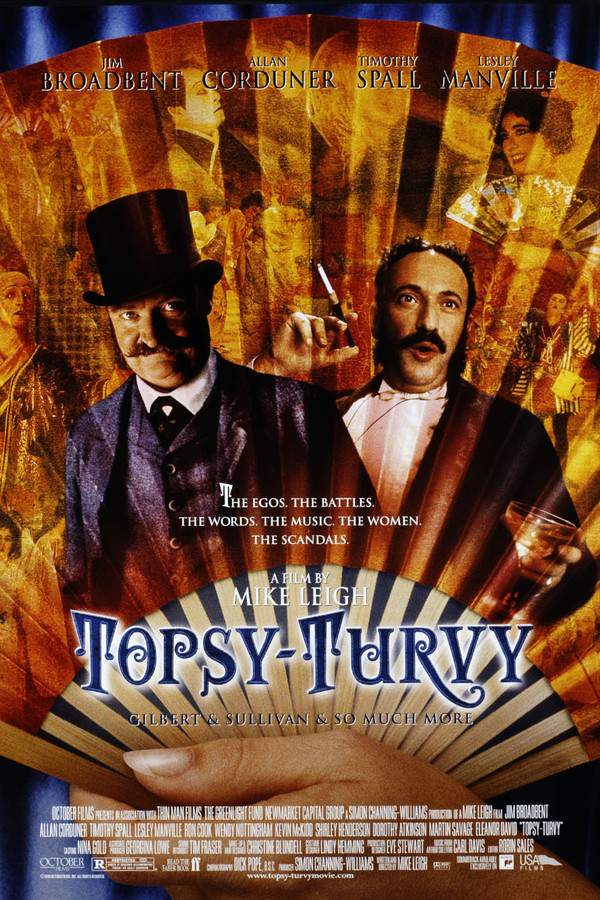
Topsy-Turvy (1999) Plot Summary & Ending Explained
The Pirates of Penzance (1983) Story Summary & Characters
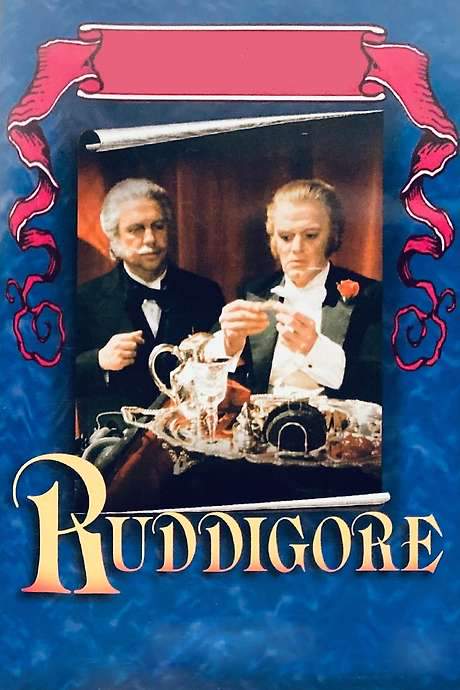
Ruddigore (1982) Story Summary & Characters
The Mikado (1983) Full Summary & Key Details
The Mikado (1987) Full Movie Breakdown
Know Your Europeans: The United Kingdom (1994) Full Summary & Key Details
Ruddigore (1967) Movie Recap & Themes
The Tales of Hoffmann (1951) Complete Plot Breakdown
The Show of Shows (1929) Plot Summary & Ending Explained
The Mikado (1967) Film Overview & Timeline
HMS Pinafore (1997) Story Summary & Characters
A Night at the Opera (1935) Movie Recap & Themes
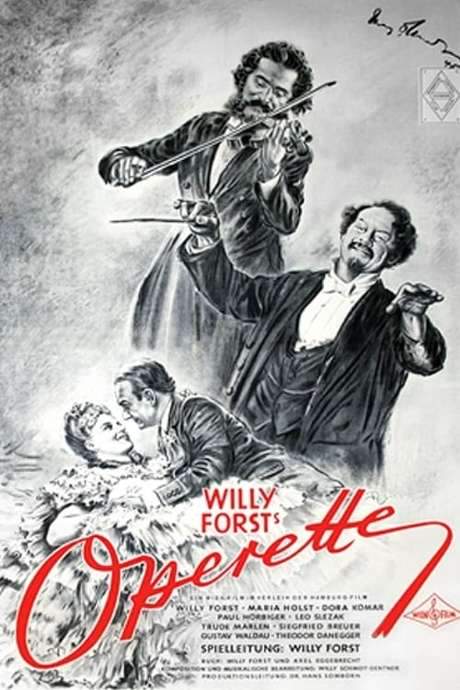
Operette (1940) Complete Plot Breakdown
The Mikado (1939) Spoiler-Packed Plot Recap
Words and Music (1948) Ending Explained & Film Insights