Plot Explained Spoilers guaranteed!
Plot Explained

Browse by genre

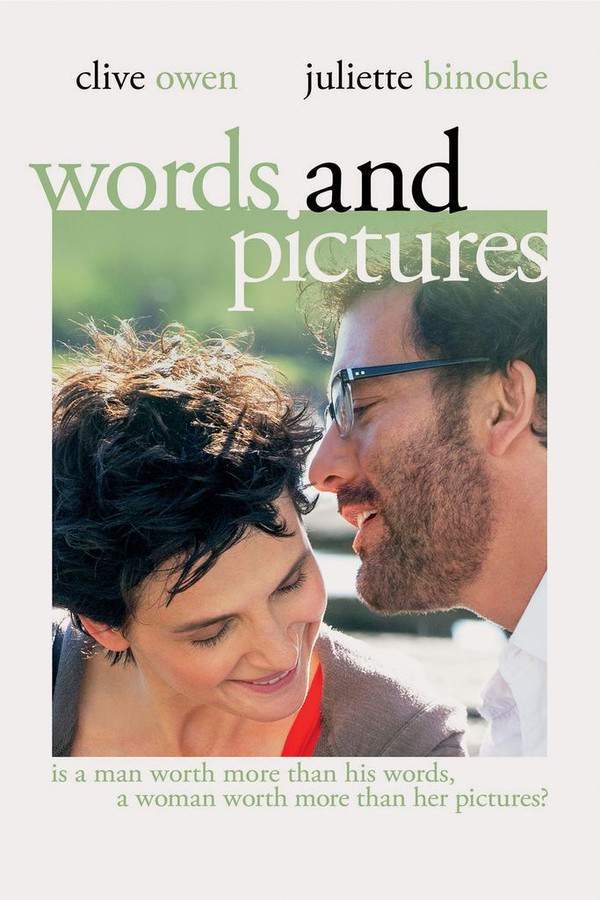
Words and Pictures (2014) movie poster

Plot Summary

Words and Pictures (2014) Plot Summary Explained

Release, runtime and language
2014 · 111 min · English
JustWatch #29,178 2
Directed by
Fred Schepisi
Starring
Juliette Binoche, Amy Brenneman, Bruce Davison, Clive Owen

A former Pulitzer Prize-winning wordsmith, now struggling with writer's block, clashes with a talented young artist at their former prep school. Their competitive dynamic sparks a provocative debate about the merits of language versus visual art, drawing the school's students and faculty into their rivalry. As they challenge each other's skills and philosophies, the competition escalates into a spirited battle of wits and creativity.

On this page (6)
  1. 1 Where to watch
  2. 2 What happens: full plot
  3. 3 Plot questions answered
  4. 4 Movie threads
  5. 5 Movies like Words and Pictures
  6. 6 Every angle

Where to watch

Where to Watch Words and Pictures (2014)

Where can you watch Words and Pictures? Stream, rent or buy it in the US, including on Philo, Starz and Kanopy: current JustWatch availability with up-to-date prices.

Streaming availability powered by JustWatch

Full plot summary · contains spoilers

What Happens in Words and Pictures: Full Plot Summary

The whole story of Words and Pictures (2014) explained, from the opening scene to the final frame: every key event, every twist and what it all adds up to. Read it as a quick recap before the sequel, to check a scene you missed, or to finally understand what really happened.

In the charming town of Maine, the prestigious Croyden College Preparatory School is famed for its exceptional faculty, which consists of skilled educators committed to nurturing the talents of ambitious students. Among these esteemed teachers is Jack Marcus, played by Clive Owen, a passionate writer and poet whose enthusiasm for literature inspires his pupils to engage their imaginations. Through his advanced writing class, Jack expertly showcases how the power of well-chosen words can transform thoughts into vivid mental images, creating a nurturing environment for creativity. However, despite his dedication, Jack grapples with a severe writer’s block, having not penned anything original for years, and his personal life is rife with turmoil.

Jack's chronic tardiness and tussles with alcoholism threaten to undermine his teaching career, coupled with the painful aftermath of his divorce and a strained relationship with his adult son. These issues weigh heavily on him as he seeks inspiration for the school’s literary magazine, which faces an uncertain future due to impending budget cuts.

Meanwhile, Dina Delsanto, portrayed by Juliette Binoche, joins the faculty, bringing her extensive background as a celebrated artist in the New York art scene. However, she is now battling severe rheumatoid arthritis that hinders her ability to create art or engage in daily activities. Seeking a fresh start, Dina moves to Maine to stay with her supportive sister and mother, aiming to regain control of her life amidst challenging health episodes.

Dina exemplifies perfectionism in her teaching, prioritizing technical skills over emotional expression. She is determined to guide her students toward authentic artistry while wrestling with her own limitations. Despite her disdain for written language, convinced that visual art can embody truth and evoke deep emotional responses, Dina’s journey to overcome her artistic struggles parallels Jack’s own fight against creative paralysis.

Their worlds collide when Jack discovers Dina’s bold philosophical stance, igniting a heated debate between them over the merits of words versus images in artistic expression. This rivalry captivates their students, who become involved in assignments that explore each medium's virtues. With their students’ creative energy in mind, Dina collaborates with Jack, allowing contributions to his literary magazine and organizing an assembly where both factions can present their arguments in a clash of intellect and artistry.

As this intellectual duel unfolds, the school administration takes notice of Jack’s engaging teaching methods and decides to retain him on staff. Amidst these developments, Jack’s pursuit of romance with Dina leads to a moment of impulsiveness, ultimately culminating in mistakes that lead to significant repercussions.

One fateful night, Jack's reckless behavior results in the destruction of Dina’s latest artwork. Compounded by his confession of past plagiarism against his son, this incident leads Dina to cut ties with him, forcing Jack to confront the consequences of his actions. In a move toward redemption, Jack admits his wrongdoing to the school board and resigns, but requests to finish the academic year while overseeing the newly established War on Words and Pictures assembly. The board ultimately grants this request, leading to an uplifting conclusion as the assembly highlights the beauty of both creativity and intellectual exploration.
Last updated: November 21, 2024 at 11:01

Was this helpful?

Plot questions answered

Words and Pictures Plot Explained: Your Questions Answered

The questions people ask most about Words and Pictures (2014): what happens in the confusing scenes, why the characters do what they do, the twists, hidden details and what the ending means. Each answer contains spoilers.

Q1

Why does Jack destroy Dina's artwork?

Jack destroys Dina's artwork during a night of recklessness and poor judgment, fueled by his alcoholism and emotional turmoil. This destructive act represents the culmination of his personal struggles and serves as a turning point that irreparably damages his relationship with Dina.

Foreshadowing: Jack's chronic tardiness and battles with alcoholism throughout the film hint at his inability to control his impulses.

  • Jack Marcus
  • Dina artwork
  • destruction
  • alcoholism
  • recklessness
Q2

Why did Jack plagiarize his son's work?

Jack confesses to Dina that he plagiarized his own son's work in the past, though the exact details of this betrayal are not fully explored in the film. This revelation shocks Dina and becomes a major factor in her decision to sever ties with him, as it reveals a pattern of moral failure beyond his current struggles.

Foreshadowing: Jack's severe writer's block and lack of original work for years hint at his desperate state and compromised ethics.

  • Jack Marcus
  • plagiarism
  • son
  • confession
  • moral failure
Q3

What is the War on Words and Pictures assembly?

The War on Words and Pictures assembly is the culmination of Jack and Dina's rivalry, where students from both their classes present projects celebrating either written or visual art. The assembly becomes a showcase of creativity and intellectual exploration, demonstrating that both mediums have unique merit. It serves as Jack's final act of redemption before leaving the school.

Foreshadowing: The initial debate between Jack and Dina about words versus images sets up the competitive framework that leads to the assembly.

  • War on Words and Pictures
  • assembly
  • students
  • competition
  • art
  • literature
Q4

Why does Dina cut ties with Jack after his confession?

Dina cuts ties with Jack because his confession about destroying her artwork, combined with the revelation that he plagiarized his own son's work, reveals a pattern of dishonesty and moral weakness. These betrayals, particularly the destruction of her art which represents her physical and emotional struggle with rheumatoid arthritis, become too much for her to forgive.

Foreshadowing: Dina's perfectionism and her struggle to create art due to her arthritis make her particularly vulnerable to this betrayal.

  • Dina Delsanto
  • Jack Marcus
  • confession
  • betrayal
  • trust
Q5

How does Jack's writer's block affect his story?

Jack's writer's block is central to his character arc, representing his creative and personal paralysis. Having not written anything original for years, he channels his energy into teaching and the literary magazine. His block creates tension with his former success as a Pulitzer Prize winner and contributes to his identity crisis, making his ultimate redemption through organizing the assembly more meaningful.

Foreshadowing: Jack's passion for teaching and inspiring students through literature suggests he still possesses creativity, just in a different form.

  • Jack Marcus
  • writer's block
  • creativity
  • Pulitzer Prize
  • teaching
Q6

Why does the school board allow Jack to stay after his resignation?

The school board agrees to let Jack finish the academic year because they recognize his engaging teaching methods and the positive impact he has on students. Despite his personal failures, they acknowledge that his contributions to the school community, particularly in inspiring student creativity, outweigh his mistakes.

Foreshadowing: The administration's earlier decision to retain Jack on staff demonstrates their appreciation for his teaching abilities.

  • school board
  • Jack Marcus
  • resignation
  • teaching
  • decision
Q7

Does Jack and Dina become romantic in the film?

Yes, Jack pursues a romantic relationship with Dina during their rivalry, but their romance is short-lived. After Jack destroys her artwork and confesses to plagiarism, Dina ends their relationship, choosing to distance herself from his destructive behavior.

Foreshadowing: The heated intellectual rivalry between them creates underlying tension that evolves into romantic attraction.
  • Jack Marcus
  • Dina Delsanto
  • romance
  • relationship
  • rivalry
Q8

How does Dina's rheumatoid arthritis affect her in the film?

Dina's severe rheumatoid arthritis significantly impacts her life, limiting her ability to create art and perform daily activities. This condition is why she moved to Maine to live with her sister and mother, seeking a fresh start. Her struggle to create art despite her physical limitations makes Jack's destruction of her artwork particularly devastating, as it represents the loss of something she fought hard to produce.

Foreshadowing: Dina's perfectionism in teaching technical skills stems from her personal struggle with the loss of artistic freedom due to arthritis.

  • Dina Delsanto
  • rheumatoid arthritis
  • art
  • health
  • disability
Q9

Why is the words vs images debate important in the film?

The debate between words and images represents the film's central philosophical conflict about the nature of artistic truth. Jack represents the power of language to create mental images, while Dina champions visual art's ability to evoke immediate emotional truth. Their rivalry forces students to explore both mediums, ultimately leading to the assembly that celebrates both forms of creativity as complementary rather than opposing.

Foreshadowing: The film establishes early on that both Jack's writing class and Dina's art classes inspire students in different ways.

  • words
  • images
  • art
  • literature
  • debate
  • philosophy
Q10

How does Jack achieve redemption in the film?

Jack achieves redemption by confessing his mistakes to the school board, specifically destroying Dina's artwork and his past plagiarism, rather than hiding them. He offers to resign but requests to finish the year to oversee the War on Words and Pictures assembly. By prioritizing the students' education and celebrating both artistic mediums, he demonstrates genuine growth and takes responsibility for his actions.

Foreshadowing: Jack's dedication to his students and the literary magazine shows his capacity for selfless action despite his personal failures.

  • Jack Marcus
  • redemption
  • confession
  • assembly
  • growth

Movie threads

More Movies Like Words and Pictures, by Mood & Story

Curated lists built around what makes Words and Pictures tick: the same mood, the same kind of story or the same emotional payoff. Each list explains why these movies belong together.

Movies about Wounded Mentors like Words and Pictures

Flawed experts find purpose by inspiring others, overcoming their own demons. If you liked the story of Jack Marcus in Words and Pictures, you'll appreciate these movies about flawed experts finding redemption through teaching. Discover similar drama and comedy films where troubled mentors overcome personal struggles to inspire others, blending intellectual passion with emotional healing.

  • redemptive
  • melancholic
  • passionate
  • hopeful
  • contemplative
  • intellectual
  • Tone: bittersweet, redemptive
  • Pacing: steady, character-driven
Why these movies?

The story pattern: These stories follow a central character, often a once-great figure now diminished by their flaws, who is placed in a position of influence (like a school). Their initial cynicism or self-destruction is challenged by the passion of those they mentor. The central conflict is internal—battling their demons—while the external plot revolves around a project or competition that becomes a catalyst for their slow, hard-won redemption.
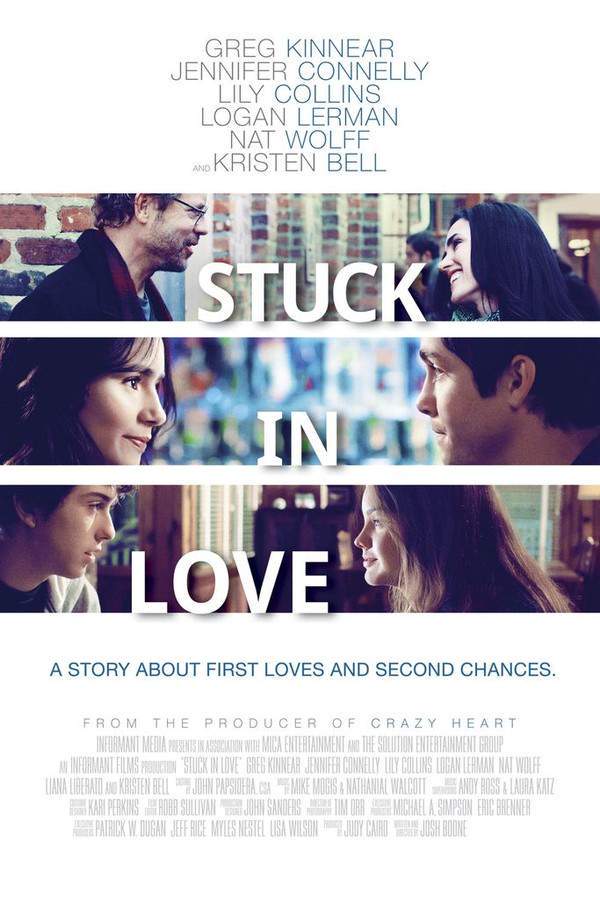
Why they belong together: They share a specific character archetype and emotional arc: the intellectual or artistic struggle of a complex protagonist, a medium-paced narrative focused on personal growth, and a tone that balances melancholy with hopeful, redemptive payoff. The focus is on character-driven drama with intellectual sparks.

Movies about Intellectual Rivalries like Words and Pictures

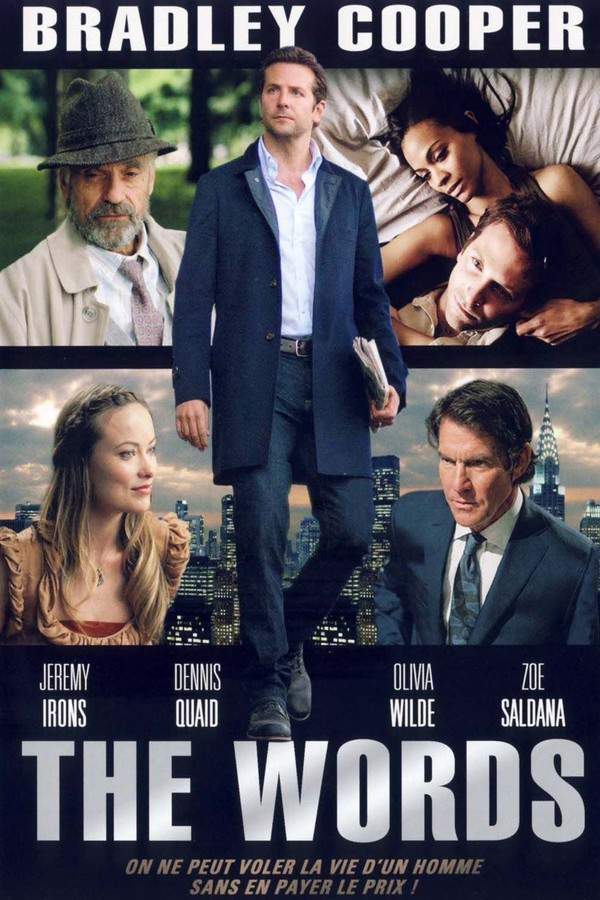
When two passionate minds clash over philosophy, sparking intellectual and personal tension. Fans of the words-versus-images debate in Words and Pictures will enjoy these movies about ideological duels. Find similar drama and romance films where two strong-willed characters engage in a battle of wits and philosophies, creating a compelling mix of intellectual stimulation and personal tension.

  • intellectual
  • passionate
  • contemplative
  • competitive
  • hopeful
  • fiery
  • Tone: passionate, contemplative, bittersweet
  • Pacing: steady, debate-driven
Why these movies?

The story pattern: The narrative is built around a central, high-concept conflict between two equally matched protagonists. The plot unfolds through a series of challenges or debates that illustrate their opposing viewpoints. This external competition mirrors their internal development, as they are forced to acknowledge the value in the other's perspective, leading to a complex resolution that isn't about winning but about understanding.
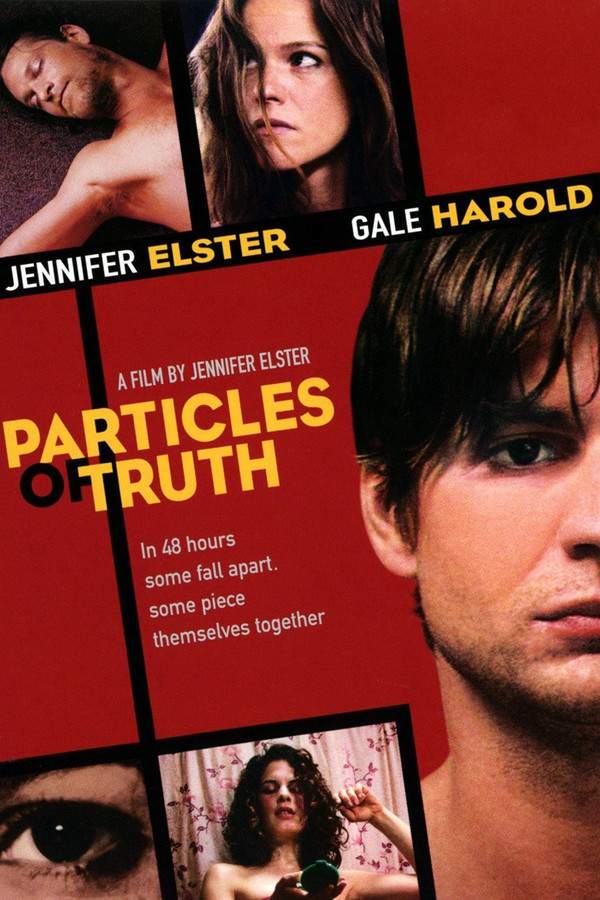
Why they belong together: They are grouped by a unique blend of elements: a central philosophical debate driving the plot, a steady pacing that allows ideas to breathe, a medium intensity from passionate clashes, and a tone that is both intellectually stimulating and emotionally engaging, often with a bittersweet or hopeful conclusion.

If you liked this

Movies Like Words and Pictures

Similar movies to Words and Pictures: the same genre, themes or kind of story. Each one comes with its own plot summary, timeline and ending explained.

Browse all movie summaries

Every angle

Words and Pictures (2014) Explained: Plot, Timeline & Characters

Everything about Words and Pictures in one place: what happens in the plot summary, the timeline in chronological order, the characters and meaning and a spoiler-free summary. What's After the Movie adds the cast, box office and post-credit scenes.

Coming soon on iOS and Android

The Plot Explained Movie Summary App

Plot summaries, endings explained and timelines on your phone. Catch up on any movie in minutes, save your favorites and never miss a twist again.

Be the first to know when we launch. Your email stays private, always.

Learn more about the app