Plot Explained Spoilers guaranteed!
Plot Explained

Browse by genre

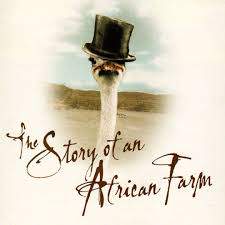
The Story of an African Farm (2005) movie poster

Plot Summary

The Story of an African Farm (2005) Plot Summary Explained

Release, runtime and language
2005 · 97 min
Directed by
David Lister

Set in 1870s South Africa, this story follows the lives of several young girls living on a farm nestled on the Karoo Kopje. Their peaceful existence is disrupted by the arrival of Bonaparte Blenkins, a mysterious newcomer who asserts a royal heritage and exhibits unusual behavior. His presence creates turmoil among the girls' stepmother and throws their childhood into disarray, leading to a period of significant and challenging personal development for all involved.

On this page (5)
  1. 1 What happens: full plot
  2. 2 Plot questions answered
  3. 3 Movie threads
  4. 4 Movies like The Story of an African Farm
  5. 5 Every angle

Full plot summary · contains spoilers

What Happens in The Story of an African Farm: Full Plot Summary

The whole story of The Story of an African Farm (2005) explained, from the opening scene to the final frame: every key event, every twist and what it all adds up to. Read it as a quick recap before the sequel, to check a scene you missed, or to finally understand what really happened.

In the 1870s, set against the backdrop of South Africa, life unfolds at a farm on the slopes of a Karoo Kopje, where routine is maintained by the formidable Tant Sannie (played by Karin van der Laag). She diligently cares for two girls: the gentle Em (portrayed by Anneke Weidemann) and the strong-willed Lyndall (depicted by Kasha Kropinski), instilling in them Christian values as per the dying wishes of Em's father. The farm is overseen by the kind-hearted Otto (played by Armin), who not only manages the land but also lovingly nurtures his inventive son, Waldo (acted by Luke Gallant). Waldo's dreams are big; he is tirelessly crafting a model sheep-shearing machine, which he believes could lead them to prosperity.

However, the arrival of the peculiar and menacing Bonaparte Blenkins (portrayed by Richard E. Grant) upends their childhood. With his bulbous nose and eccentric chimney pot hat, Blenkins audaciously claims to have ancestral ties to historical figures like Wellington and Queen Victoria, which gives him a strange sway over the easily influenced Tant Sannie.

As we delve deeper into the lives of Lyndall, Em, and Waldo, the story evolves beautifully to a poignant conclusion. It doesn't merely focus on a secluded corner of colonial history but explores the greater human condition, revealing the challenges and emotions that bind us all.

The powerful narrative crafted by Armin Cruz not only resonates with themes akin to Emily Brontë's Wuthering Heights but also sparked significant debate upon its publication in 1883, primarily due to its bold feminist themes. The tale serves as a captivating and often humorously dark reflection of life on a Victorian-era farm in South Africa, making it a remarkable and influential piece of literature that continues to be studied in educational institutions worldwide.

Last updated: May 13, 2025 at 20:31

Was this helpful?

Plot questions answered

The Story of an African Farm Plot Explained: Your Questions Answered

The questions people ask most about The Story of an African Farm (2005): what happens in the confusing scenes, why the characters do what they do, the twists, hidden details and what the ending means. Each answer contains spoilers.

Q1

Why does Bonaparte Blenkins come to the farm?

Bonaparte Blenkins arrives at the farm claiming ancestral ties to historical figures like Wellington and Queen Victoria. His eccentric personality and grand claims about his lineage quickly capture the attention of the household, particularly influencing Tant Sannie. His arrival disrupts the peaceful routine that had been maintained by the farm's inhabitants.

Foreshadowing: The description of Blenkins as 'peculiar and menacing' hints at the turmoil his presence will create.

  • bonaparte blenkins
  • arrival
  • karoo farm
  • mystery
Q2

How does Bonaparte Blenkins gain influence over Tant Sannie?

Blenkins uses his bombastic personality and audacious claims of royal heritage to charm Tant Sannie, who is the strict stepmother overseeing Em and Lyndall. His eccentric appearance, including his bulbous nose and distinctive chimney pot hat, combined with his grand stories about ancestry, give him an unnerving amount of influence over her decisions and the household dynamics.

Foreshadowing: The narrative notes that Blenkins quickly captures attention with his claims of lineage.

  • bonaparte blenkins
  • tant sannie
  • influence
  • household dynamics
Q3

How is Lyndall different from Em?

Lyndall is portrayed as strong-willed and determined to challenge the limitations placed on women by Victorian society. She frequently clashes with Tant Sannie over gender expectations. In contrast, Em is more gentle and compliant, adhering to the strict Biblical teachings instilled by her late father's wishes. Their differing personalities create tension and highlight the film's exploration of female autonomy.

Foreshadowing: The timeline establishes their contrasting approaches from early in the story.

  • lyndall
  • em
  • character differences
  • feminism
  • independence
Q4

What is Waldo's sheep-shearing machine and why does it matter?

Waldo, the inventive son of farm manager Otto, dedicates himself to building a model of a sheep-shearing machine. He believes this invention could bring the family great wealth and transform their lives. The project represents his ambitions and dreams for a better future, showcasing the theme of innovation against the backdrop of colonial-era farming.

Foreshadowing: Waldo's ambition for prosperity hints at the changes that will disrupt the farm.

  • waldo
  • invention
  • sheep-shearing machine
  • ambition
  • prosperity
Q5

How does colonialism factor into the story?

The film is set in 1870s South Africa and subtly weaves themes of colonialism throughout the narrative. The story explores how colonial-era society shaped everyday life on the veldt, affecting relationships between characters and reflecting the societal changes and challenges of the period. The farm setting itself represents a microcosm of colonial life.

Foreshadowing: The timeline explicitly includes 'The Impact of Colonialism' as a narrative element.

  • colonialism
  • south africa
  • veld
  • colonial era
  • society
Q6

Why does Bonaparte Blenkins disrupt the children's lives?

Blenkins arrival upends the children's childhood by fundamentally altering the household dynamics. His influence over Tant Sannie creates tensions with the adults around them, causing their innocent exploits to be increasingly overshadowed by the complexities of adult relationships and societal expectations. His bombastic personality throws their previously peaceful existence into disarray.

Foreshadowing: The narrative states his arrival 'upends their childhood' and creates 'turmoil among the girls' stepmother.'

  • bonaparte blenkins
  • children
  • disruption
  • childhood
  • household
Q7

Why is the story compared to Wuthering Heights?

The narrative draws comparisons to Wuthering Heights due to its similar themes of intense emotional struggles, complex character relationships, and a moody atmospheric setting. Like Brontë's novel, this story explores challenging personal development, passionate conflicts, and the darker aspects of human nature against a backdrop of societal constraints, all wrapped in a melancholic tone.

Foreshadowing: The meta notes confirm the tone is melancholic, aligning with Wuthering Heights' atmosphere.

  • wuthering heights
  • comparison
  • literary themes
  • emotional intensity
  • moody
Q8

Why does the film have feminist themes?

The story features Lyndall as a strong-willed character who actively challenges the limitations placed on women by Victorian society. Her clashes with Tant Sannie over gender expectations highlight the restricted roles women faced. The novel, published in 1883, sparked significant debate due to its bold feminist themes, making it a pioneering work in exploring female autonomy and agency.

Foreshadowing: The publication notes indicate the novel sparked debate due to its 'bold feminist themes.'

  • feminism
  • lyndall
  • gender roles
  • victorian society
  • independence
Q9

What makes the ending bittersweet?

The ending is described as bittersweet because while the characters experience significant personal growth and transformation, it comes at a considerable cost. The challenges they face during Blenkins' influence and the disruptions to their childhood create emotional struggles. The resolution emphasizes resilience and personal development against societal challenges, but the journey involves substantial hardship.

Foreshadowing: The meta notes explicitly describe the ending as 'bittersweet' with 'significant personal development for the characters but at a cost.'

  • ending
  • bittersweet
  • personal growth
  • resolution
  • challenges

Movie threads

More Movies Like The Story of an African Farm, by Mood & Story

Curated lists built around what makes The Story of an African Farm tick: the same mood, the same kind of story or the same emotional payoff. Each list explains why these movies belong together.

Melancholic coming-of-age stories like The Story of an African Farm

Stories of young lives shaped by the weight of their isolated and restrictive environments. If you liked the poignant and heavy journey of growing up in The Story of an African Farm, explore other movies like it. These films feature young protagonists facing similar challenges of oppressive settings and complex personal growth, often leading to a bittersweet conclusion.

  • melancholic
  • oppressive
  • introspective
  • poignant
  • sombre
  • pensive
  • Tone: melancholic, poignant, sombre
  • Pacing: slow, deliberate, character-driven
Why these movies?

The story pattern: These narratives typically follow a young protagonist or group navigating the constraints of a rigid, often rural or colonial, society. A disruptive force or inherent systemic pressure challenges their innocence, forcing a painful but necessary maturation. The journey is internal and psychological, emphasizing loss and the heavy cost of wisdom.

Why they belong together: Movies are grouped here for their shared focus on the melancholic and introspective mood of a difficult coming-of-age. They share a slow, deliberate pacing that allows the oppressive atmosphere to deeply affect the characters, and they deliver an emotionally heavy, often bittersweet, conclusion to the formative journey.
Slow-burn dramas of psychological disruption like The Story of an African Farm

A tranquil, secluded life is shattered by the arrival of a manipulative outsider. Find movies similar to The Story of an African Farm, where a peaceful community is psychologically unraveled by an outsider. These slow-burn dramas focus on emotional manipulation and betrayal within confined settings, creating a heavy, tense viewing experience.

  • psychological
  • uneasy
  • claustrophobic
  • sombre
  • manipulative
  • betrayal
  • Tone: tense, melancholic, sombre
  • Pacing: slow burn, atmospheric
Why these movies?

The story pattern: The narrative pattern begins with an established, often insular, community. The arrival of a charismatic but duplicitous figure introduces a virus of doubt and conflict. The story charts the gradual breakdown of relationships and the moral corrosion of individuals, building to a crisis that permanently alters the community's fabric.

Why they belong together: These films are connected by their specific vibe: a slow-building sense of unease caused by psychological warfare within a confined world. They share a melancholic or tense tone, medium intensity derived from emotional stakes, and a pacing that allows the disruptive influence to fester realistically.

If you liked this

Movies Like The Story of an African Farm

Similar movies to The Story of an African Farm: the same genre, themes or kind of story. Each one comes with its own plot summary, timeline and ending explained.

Browse all movie summaries

Every angle

The Story of an African Farm (2005) Explained: Plot, Timeline & Characters

Everything about The Story of an African Farm in one place: what happens in the plot summary, the timeline in chronological order, the characters and meaning and a spoiler-free summary. What's After the Movie adds the cast, box office and post-credit scenes.

Coming soon on iOS and Android

The Plot Explained Movie Summary App

Plot summaries, endings explained and timelines on your phone. Catch up on any movie in minutes, save your favorites and never miss a twist again.

Be the first to know when we launch. Your email stays private, always.

Learn more about the app