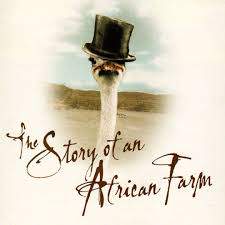
Set in the misty forests of Knysna, 19th-century South Africa, the tale follows Fiela Komoetie, Zenobia Kloppers, a Cape Coloured woman, and her family as they take in an Afrikaner boy found abandoned on their doorstep—Benjamin Komoetie, Stefan Erasmus. Nine years slip by and census-takers arrive at Long Kloof, stunned to see a white child living with a Coloured family. They leap to the conclusion that this child must be the van Rooyen family’s long-lost son, a judgment steeped in the era’s rigid racial boundaries.
Fiela’s heart aching, she travels to plead her case with the magistrate, Francois Stemmet, but the weight of prejudice at the time shades every step of her effort. The magistrate warns that further interference will be punished, and the fragile bond Fiela has nurtured with Benjamin is suddenly placed under the harsh glare of the law. The child is taken from her care and placed with the white van Rooyen family, who live by woodworking and craft beams from timber. There, the boy grows up under a different sky, renamed Lukas van Rooyen, and his life takes a harsher turn under Elias van Rooyen, Drikus Volschenk, whose abusive conduct compounds the family’s misery.
Within the van Rooyen household, the boy forms a troubled, charged connection with Nina van Rooyen, Melissa Willering, an attachment that feels like forbidden love because she appears to be his sister. The tensions inside the house escalate as the white family’s fragility and the boy’s sense of belonging collide with the truth of his origins. The family dynamics are further complicated by Barta van Rooyen, Cindy Swanepoel, and Willem van Rooyen, Gerald Steyn, whose lives are touched by the fragile balance between outward respectability and private turmoil.
As the years pass, the boy’s longing for a rightful place in the world intensifies, and the emotional stakes grow higher. He confronts the reality of who he is and the mother who raised him, testing the limits of loyalty, love, and justice. In a climactic confrontation with the past, he forces the truth to surface, prompting his adoptive mother to confront the reality that he is not her biological son. This revelation leads him back to Fiela and her family—the people who raised him and gave him belonging—and he chooses them as the ones who truly define his identity.
The story closes with a sober meditation on what constitutes family in a world shadowed by racism and law. It asks whether bloodlines or the bonds built through care and devotion are what truly hold a family together. Against the backdrop of Knysna’s forests, the tale remains a poignant examination of belonging, justice, and the stubborn strength of a mother’s love to seek out the truth for her child, even when the system would deny it.